Almaty
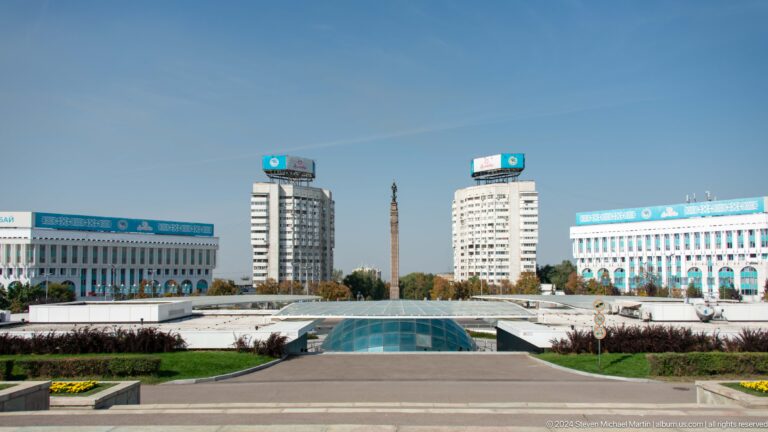
Almaty Almaty developed as an important administrative and commercial center in southeastern Kazakhstan, located near historic routes linking Central Asia […]
Explore Portfolio
Kazakhstan occupies a significant geographic position along historic Silk Road routes that connected East Asia with Europe and the Middle East. The region’s cultural landscape reflects centuries of exchange among nomadic traditions, Islamic influence, Russian imperial expansion, and later Soviet-era development. As one of the largest countries in Central Asia, Kazakhstan preserves evidence of diverse historical influences shaped by trade networks, migration patterns, and evolving political structures that contributed to the region’s distinctive identity.
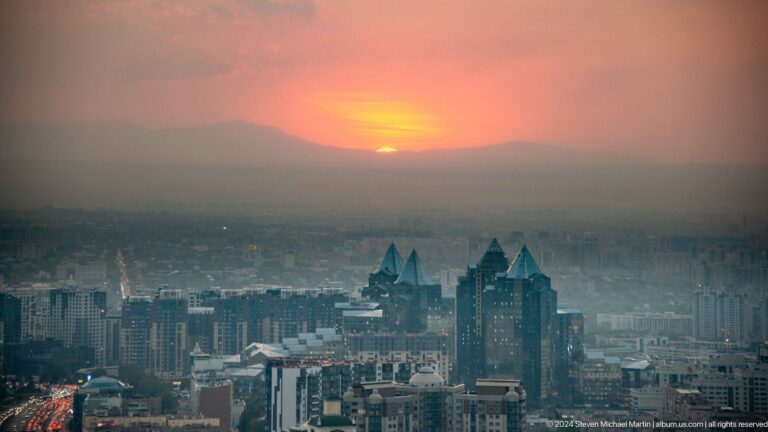
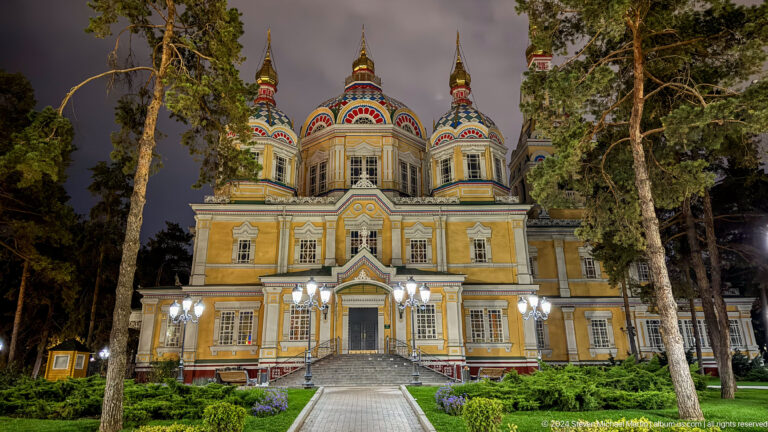
The former capital of Almaty serves as a cultural and intellectual center whose architecture reflects both historic tradition and twentieth-century civic development. The distinctive wooden design of Zenkov Cathedral, constructed without the use of nails, demonstrates remarkable engineering techniques adapted to a seismic environment. Elevated views from Kok-Tobe Hill illustrate the relationship between urban development and the surrounding Tian Shan mountain landscape, emphasizing the importance of geography in shaping settlement patterns.
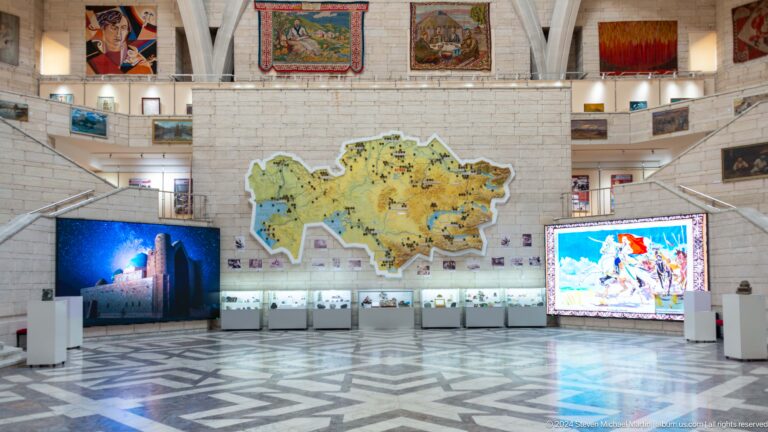
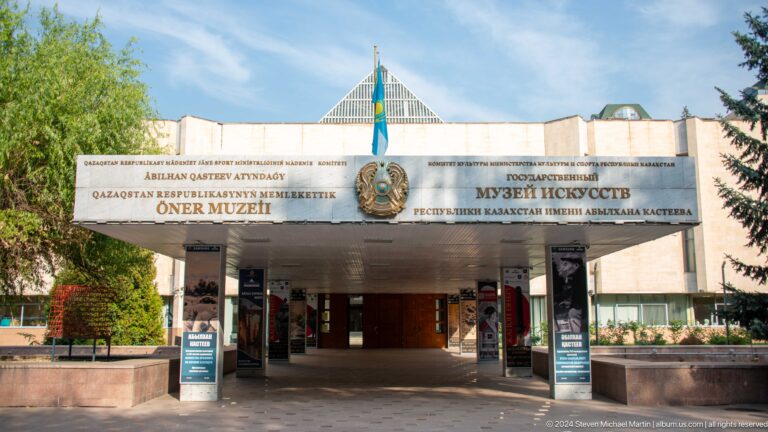
Museums such as the Kasteev State Art Museum and the Central State Museum provide insight into Kazakhstan’s artistic traditions and historical development across multiple periods of cultural influence. Together, these sites illustrate how Kazakhstan’s identity reflects both regional Central Asian heritage and broader connections to Eurasian history shaped by trade, migration, and political change.
The following itineraries include locations in this country: