Ljubljana
Ljubljana – Slovenia Ljubljana, the capital of Slovenia, lies along the Ljubljanica River in a broad basin surrounded by forested […]
Explore Portfolio
Slovenia reflects a cultural landscape shaped by its position at the intersection of Central Europe, the Alps, and the northern Adriatic region. Influences from neighboring Italy, Austria, and Hungary contributed to the development of architectural traditions that blend Mediterranean and Central European characteristics. Despite its relatively small geographic size, Slovenia preserves a distinct cultural identity shaped by regional history and its strategic position along historic trade routes.
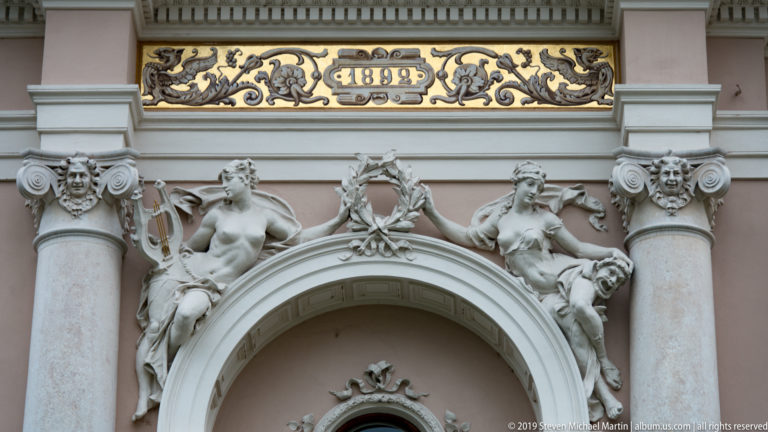
The capital city of Ljubljana illustrates the architectural continuity of a historic urban center influenced by Baroque and later nineteenth-century design traditions. Bridges, public squares, and civic buildings reflect the role of the Ljubljanica River in shaping the city’s development, where careful urban planning contributed to a compact and visually cohesive environment. Ljubljana’s scale allows architectural details and public spaces to be experienced within a walkable historic setting.
Photographing Slovenia highlights the relationship between Central European architectural traditions and the surrounding landscape influenced by alpine geography. Ljubljana’s historic core demonstrates how regional cultural influences combined to create a distinctive urban environment that reflects Slovenia’s historical connections to neighboring European regions.
The following itineraries include locations in this country:
