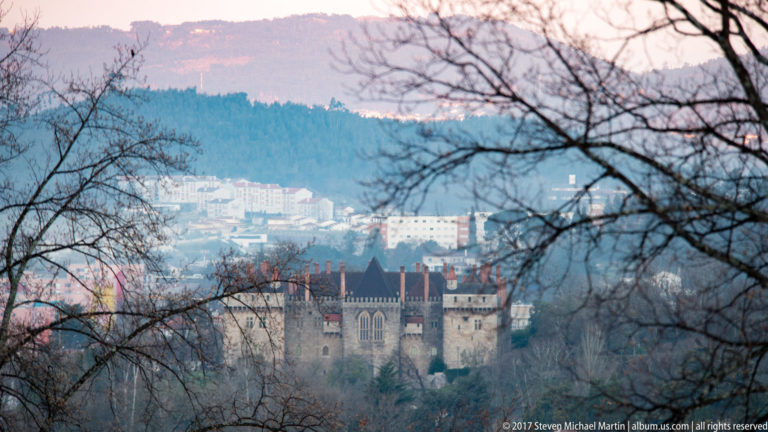
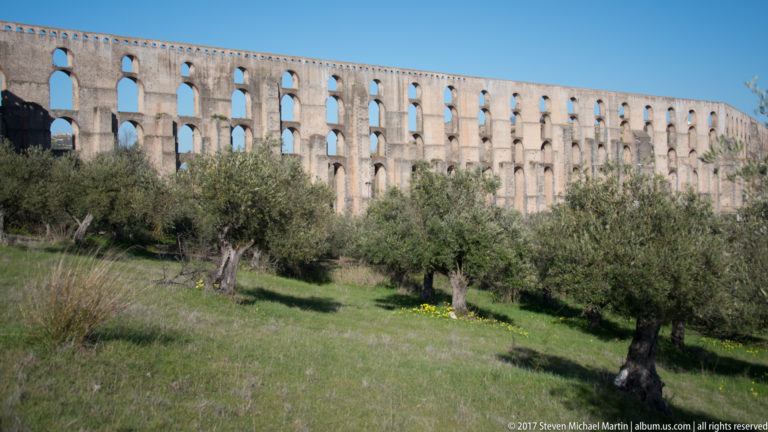
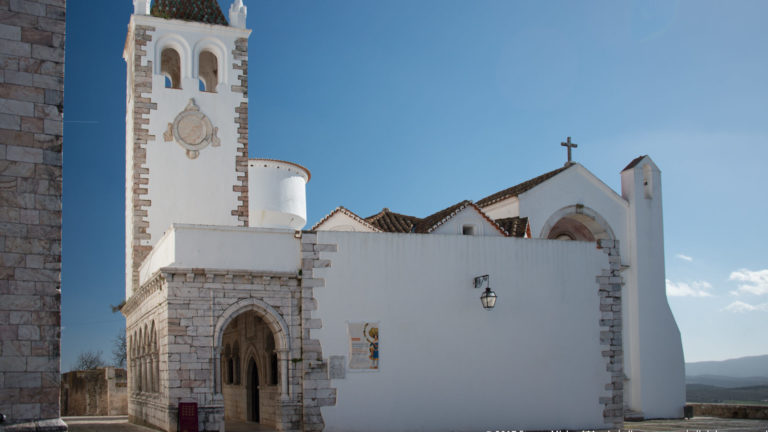
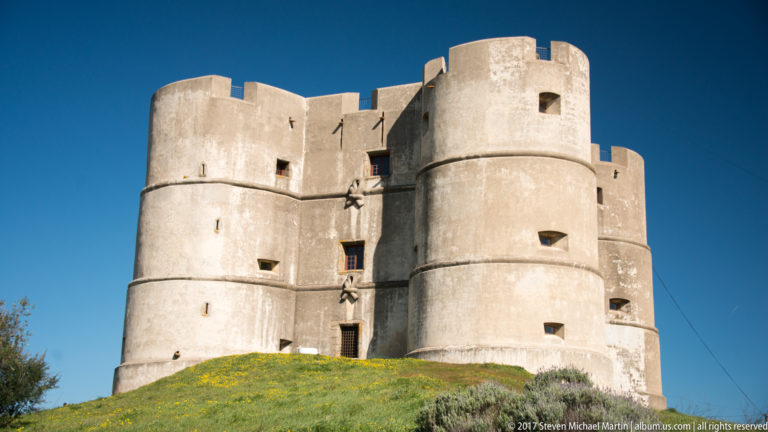
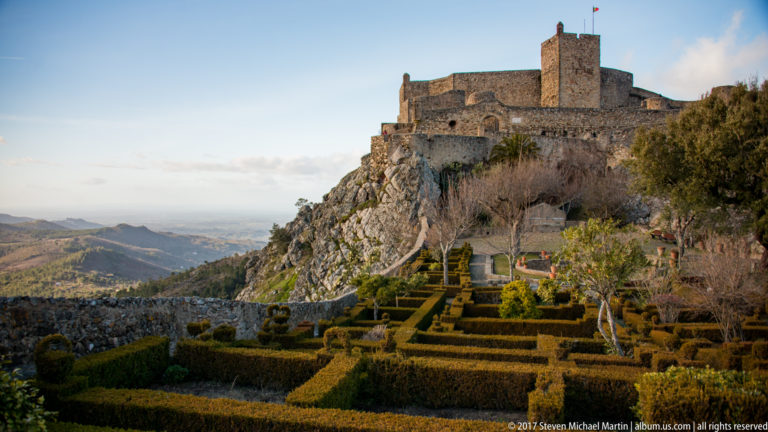
Portugal’s cultural landscape reflects a long history shaped by medieval kingdom formation, maritime exploration, and regional architectural traditions influenced by both Iberian and Atlantic environments. Historic towns such as Guimarães, often considered the birthplace of the Portuguese nation, illustrate the early political development of the kingdom. Inland fortified settlements including Marvão, Elvas, and Évoramonte reflect the strategic importance of defensive architecture along historic border regions shaped by centuries of Iberian political history.
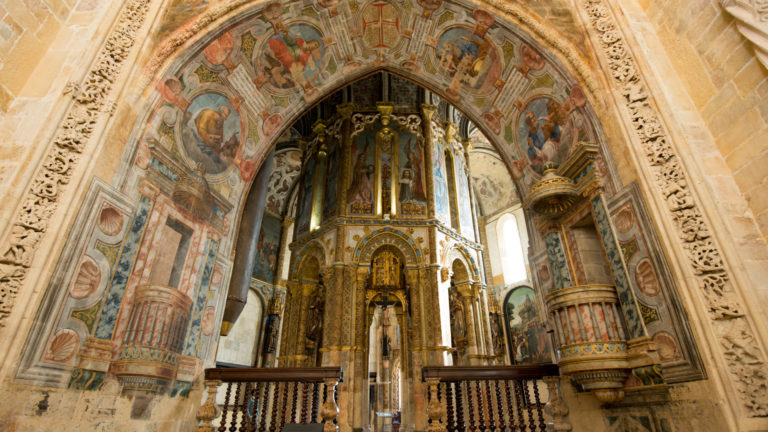
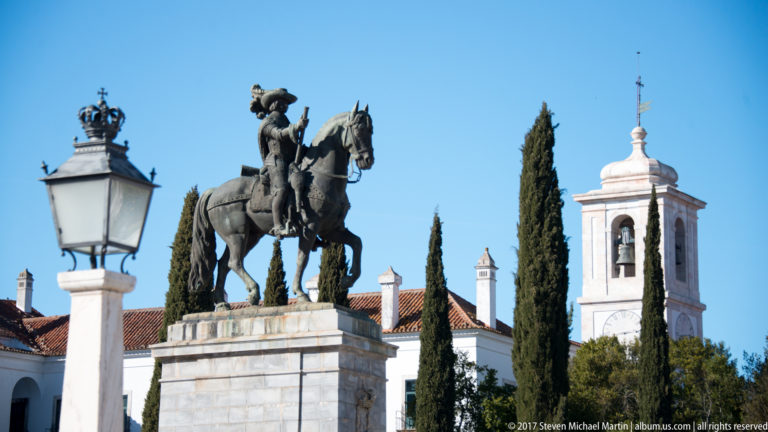
The influence of religious and military orders is visible at sites such as Tomar, where the Knights Templar played an important role in the consolidation of Portuguese territory during the medieval period. Historic urban centers including Évora, Estremoz, and Vila Viçosa preserve architectural traditions influenced by royal patronage, religious institutions, and regional economic development.
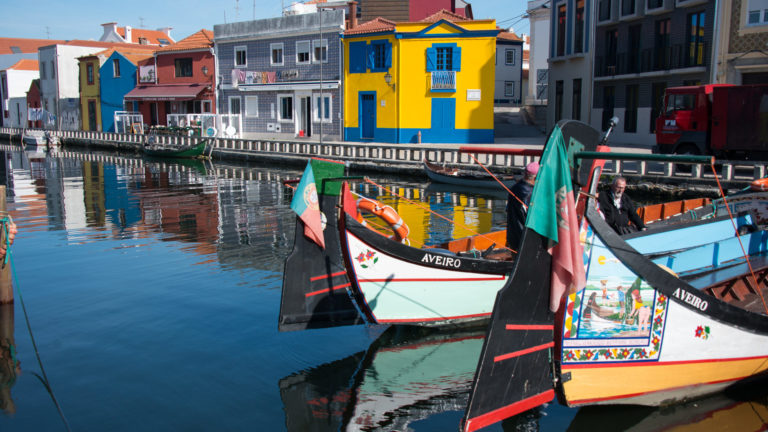
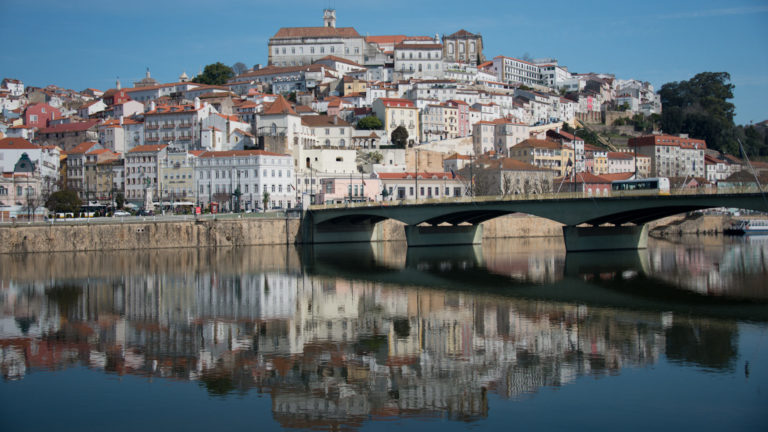
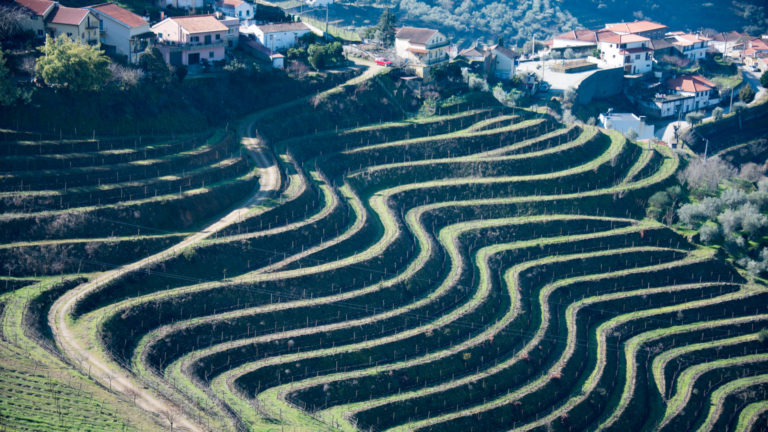
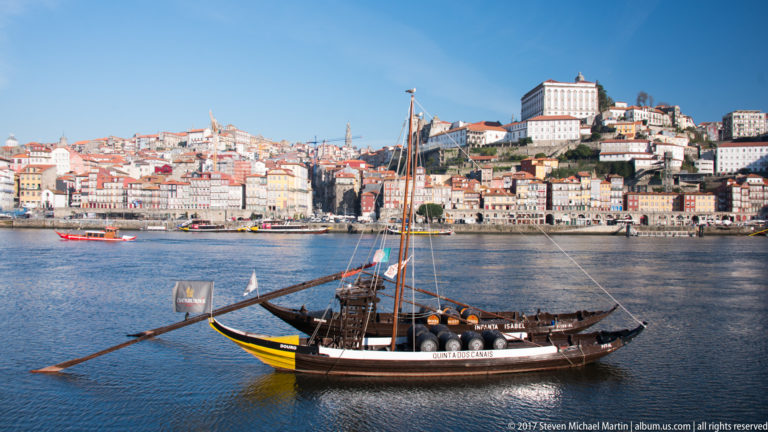
Northern Portugal reflects the relationship between landscape and commerce, particularly along the Douro River valley visible in Pinhão, where terraced vineyards illustrate agricultural adaptation to mountainous terrain. Historic coastal cities such as Porto and Aveiro demonstrate the maritime traditions that contributed to Portugal’s role in global trade during the Age of Discovery. Academic traditions are preserved in Coimbra, home to one of Europe’s oldest universities.
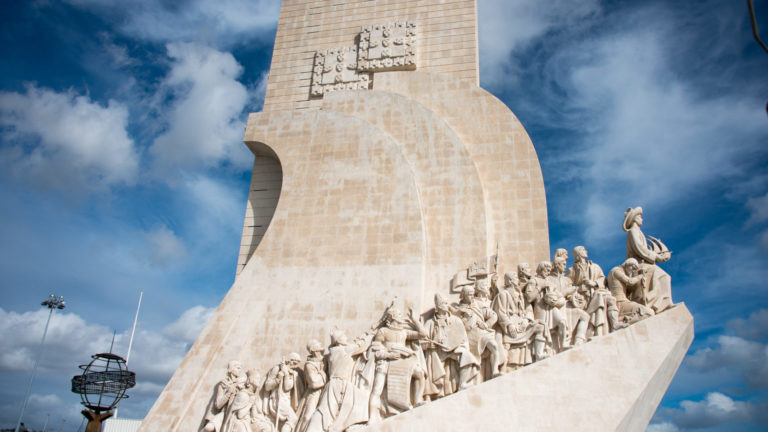
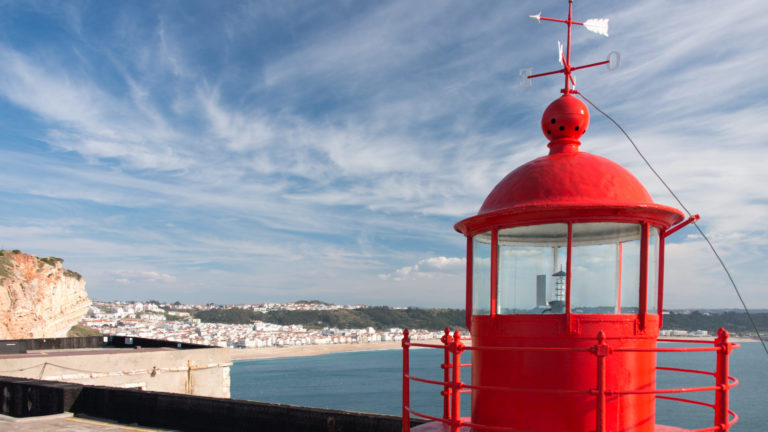
Portugal’s Atlantic coastline contributes significantly to the country’s cultural identity, where coastal settlements such as Nazaré illustrate the relationship between maritime environments and local tradition. The capital city of Lisbon reflects centuries of architectural development shaped by trade, exploration, and political transformation. Together, these sites illustrate the geographic and historical diversity that defines Portugal’s cultural heritage.
Photographing Portugal highlights the visual continuity between fortified hill towns, river valleys, coastal settlements, and historic urban centers that developed across the Iberian Peninsula. The combination of medieval architecture, maritime landscapes, and regional cultural traditions contributes to Portugal’s distinctive role within the broader history of Europe.
Pinhão Pinhão is located in Portugal’s Douro Valley, a region historically associated with river transport and agricultural production. The surrounding […]