Los Glaciares National Park – Argentina
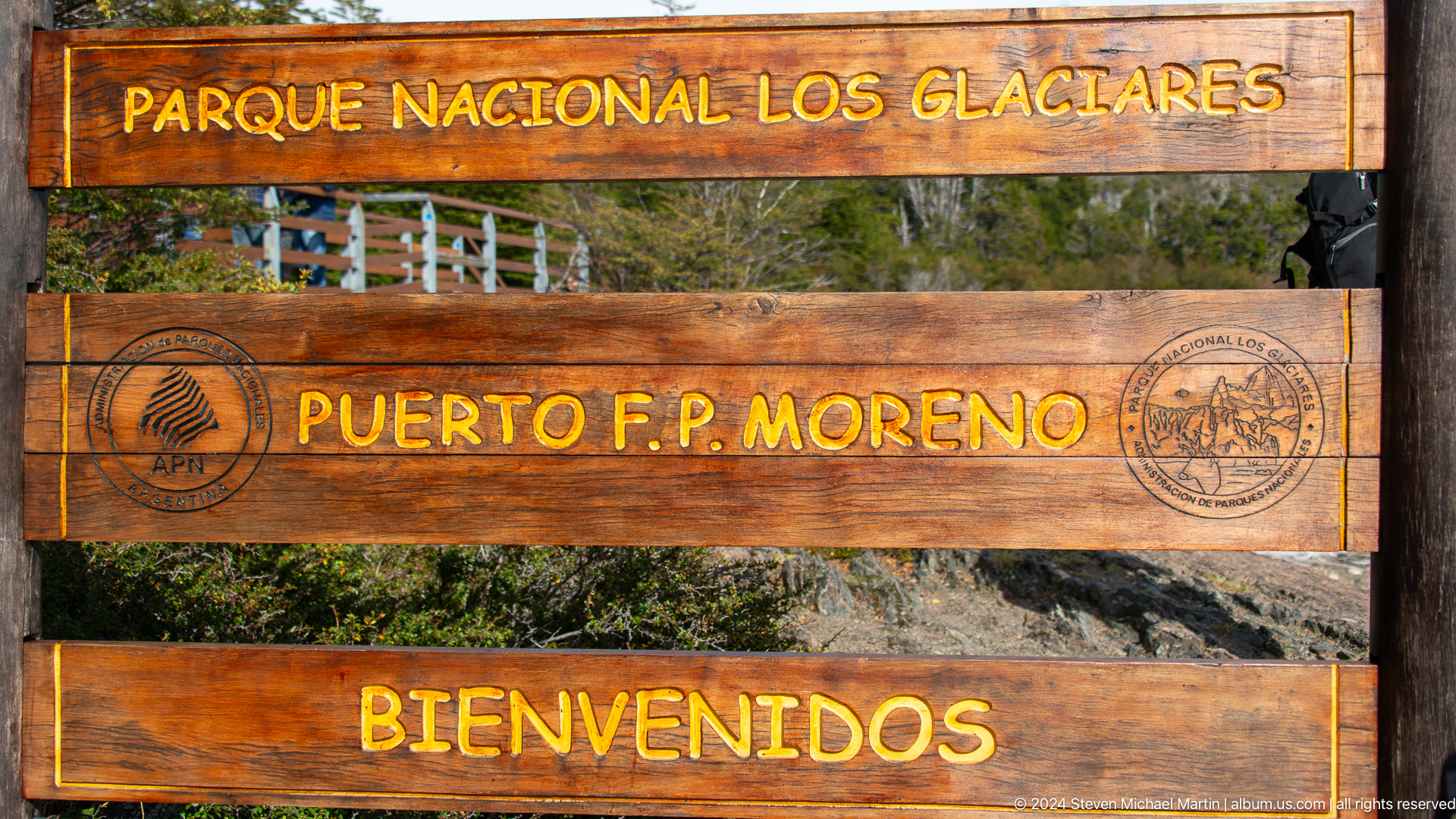
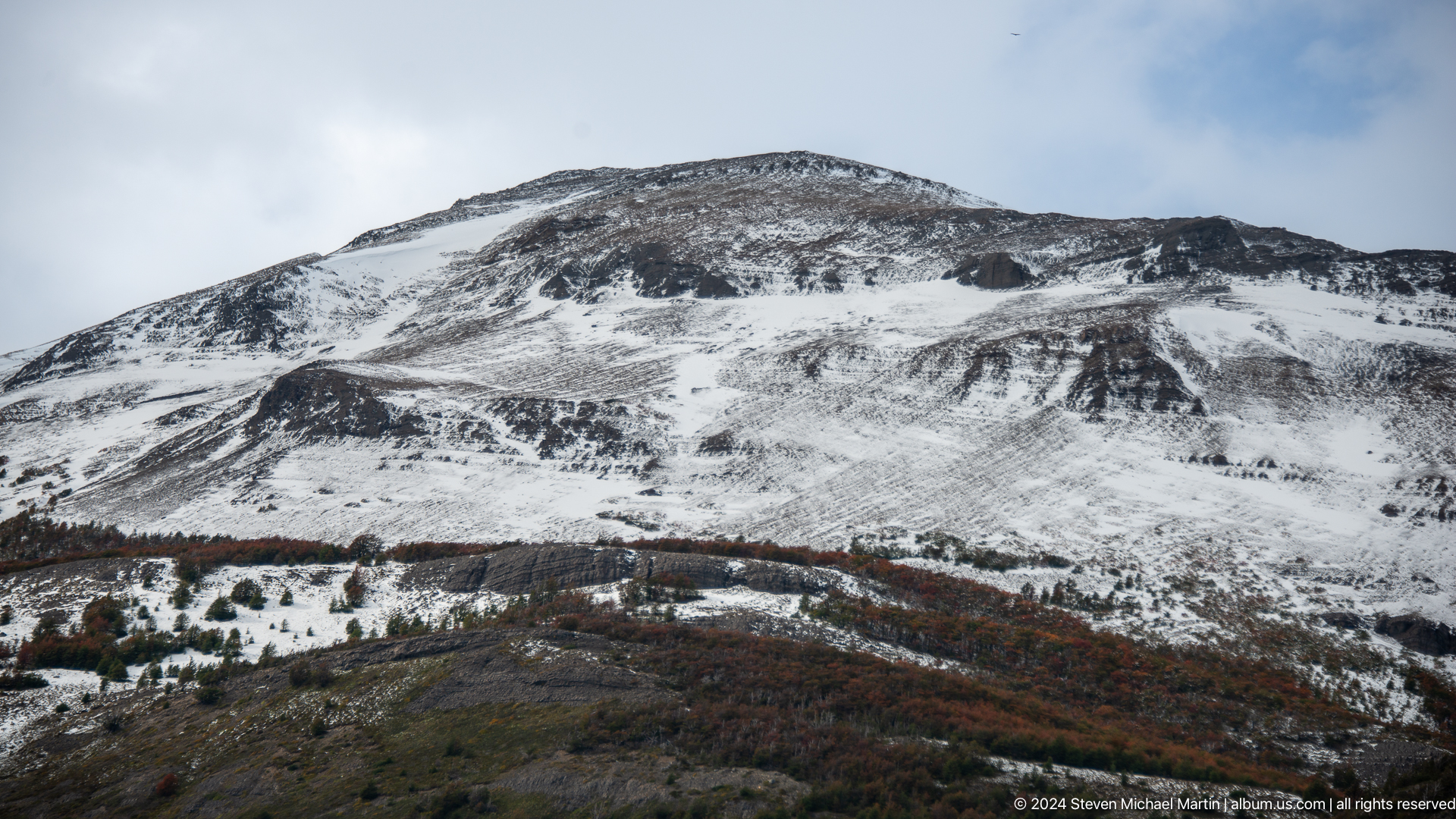
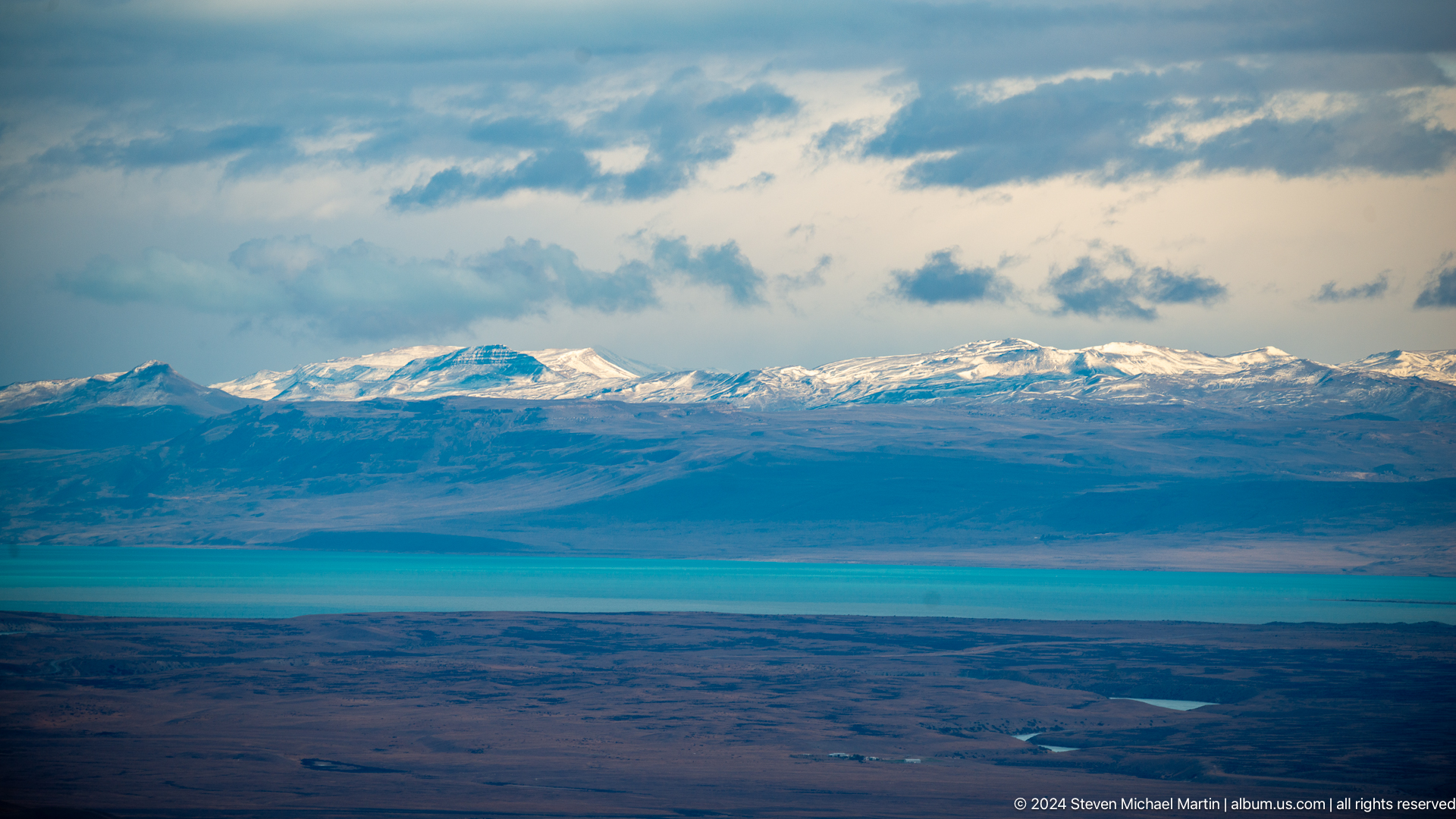
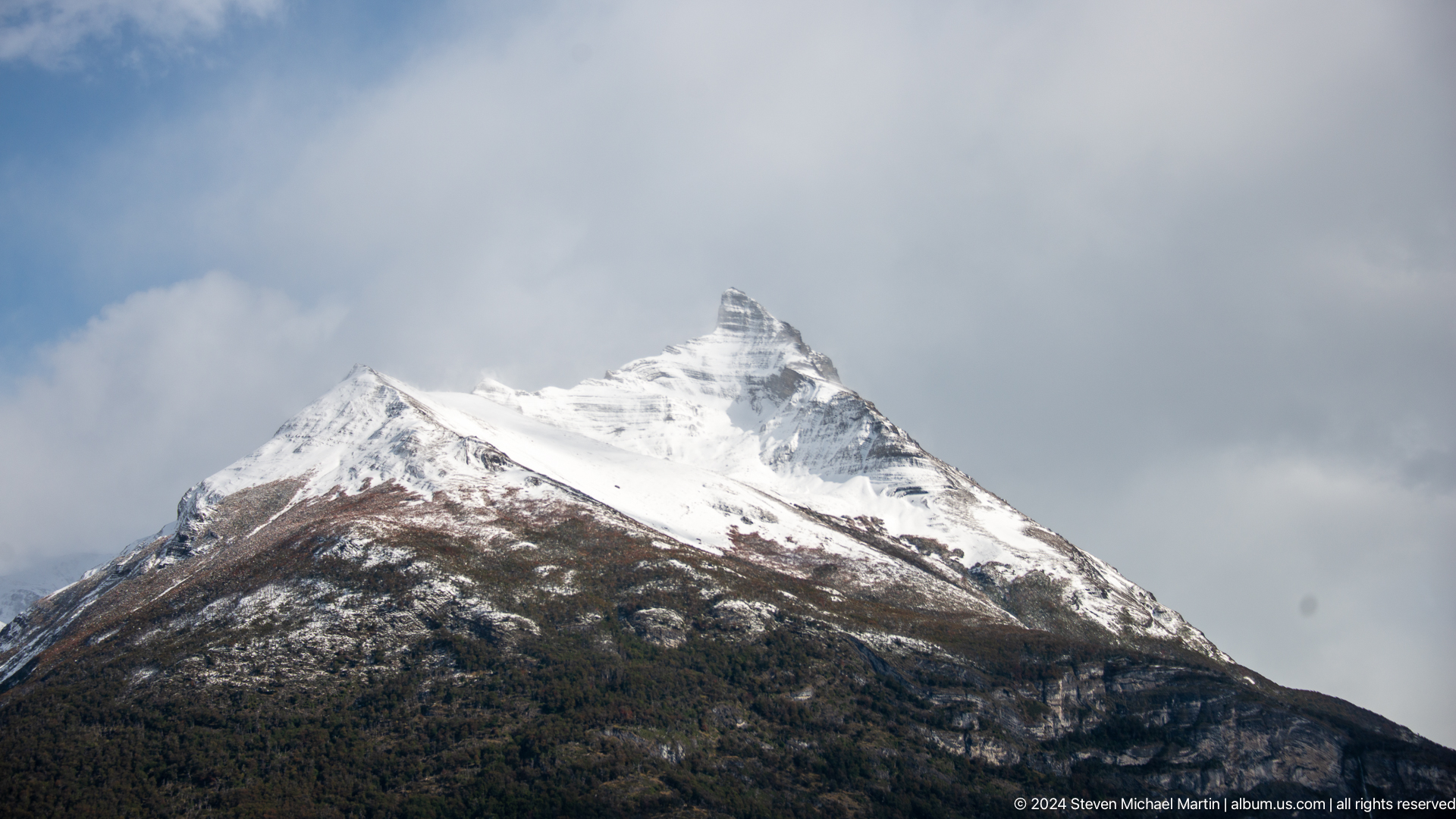
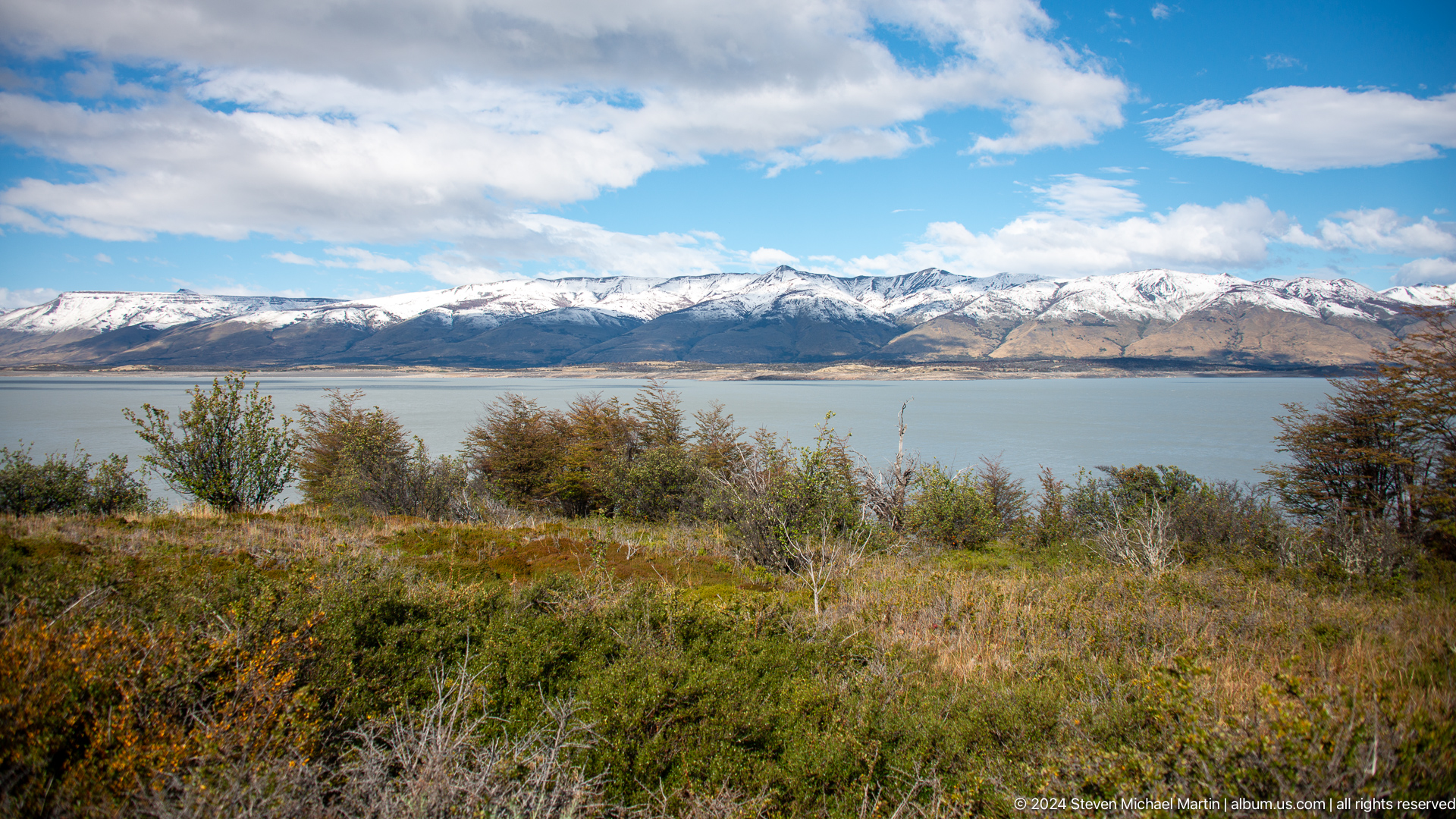
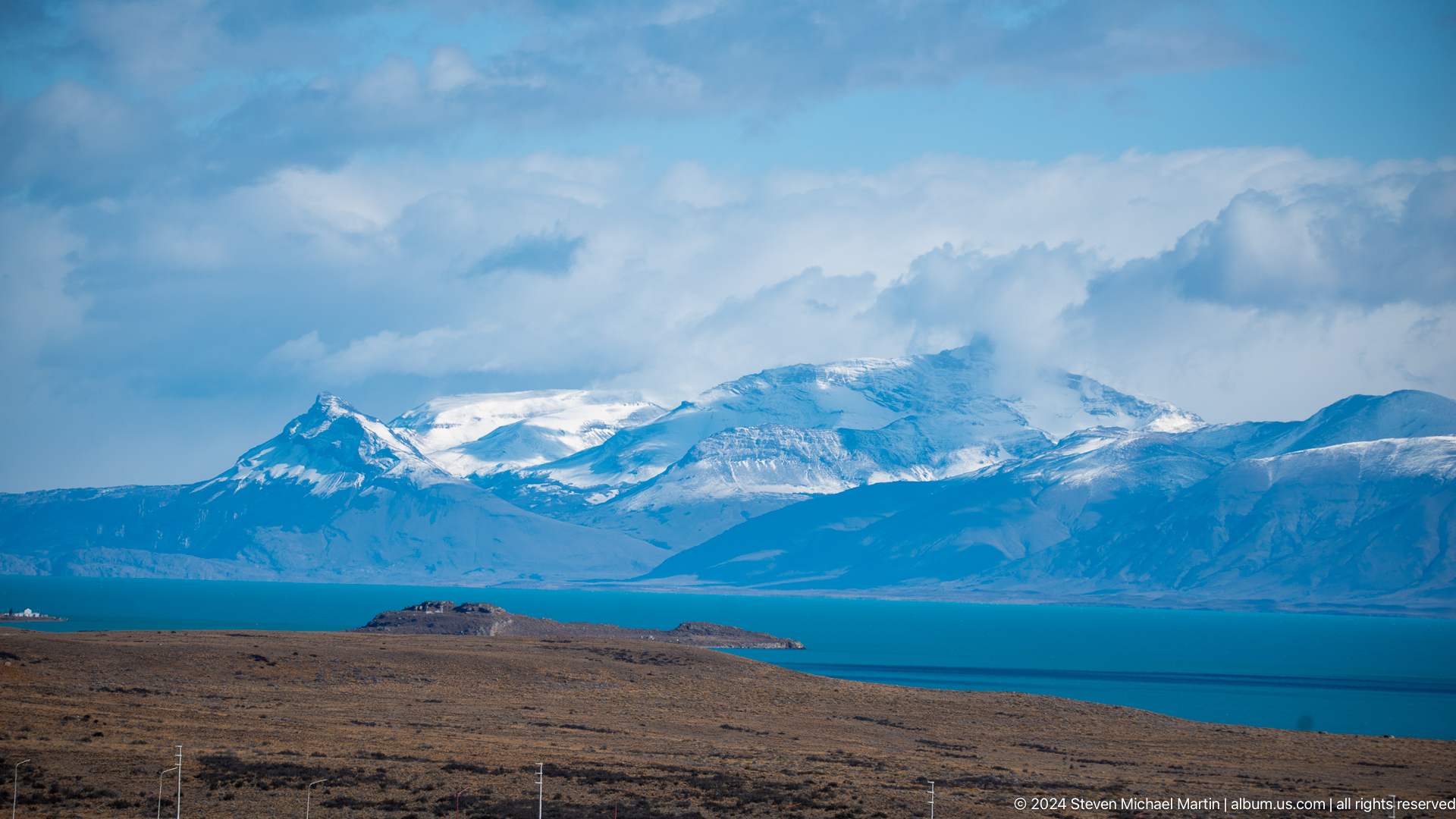
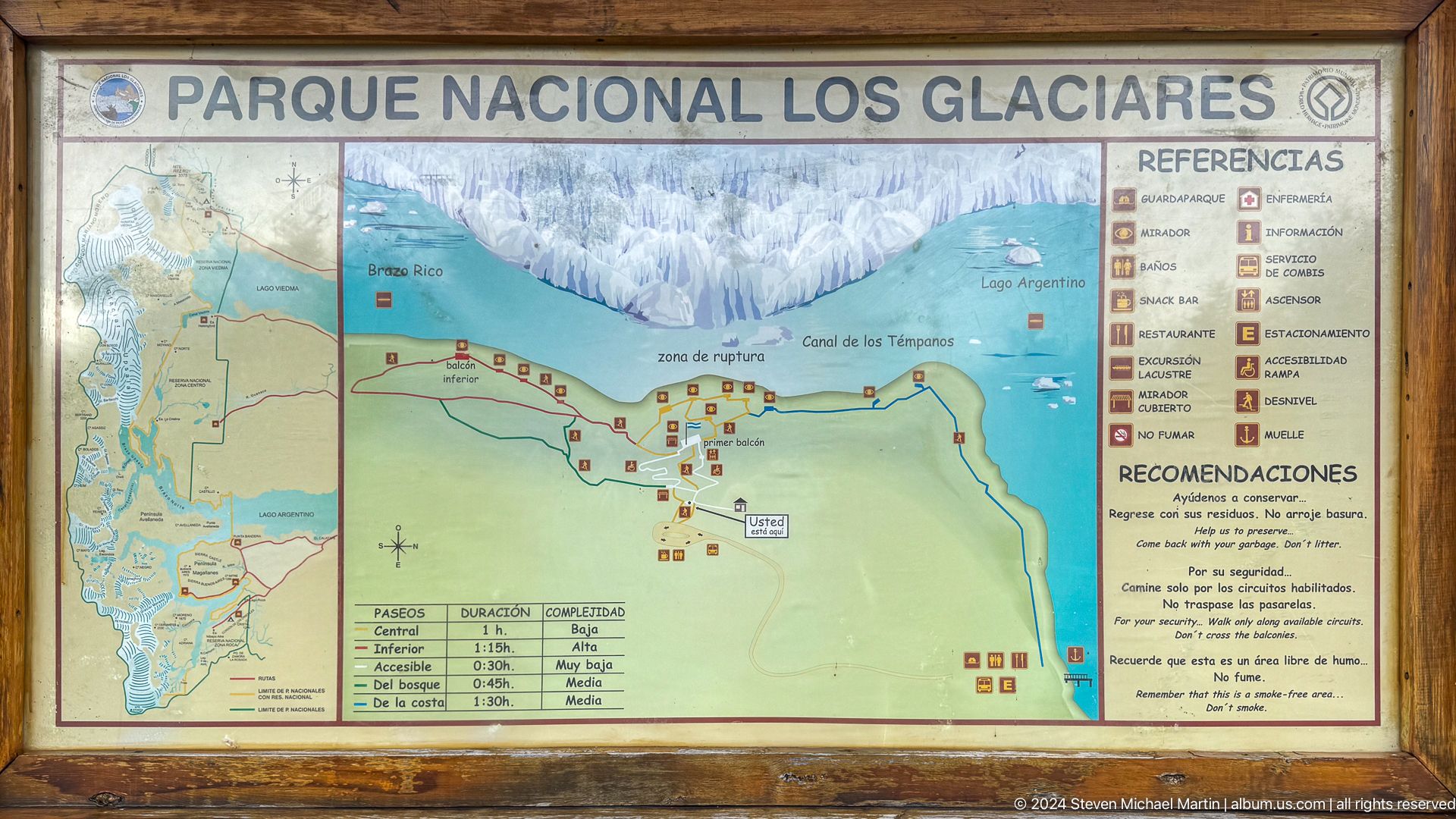
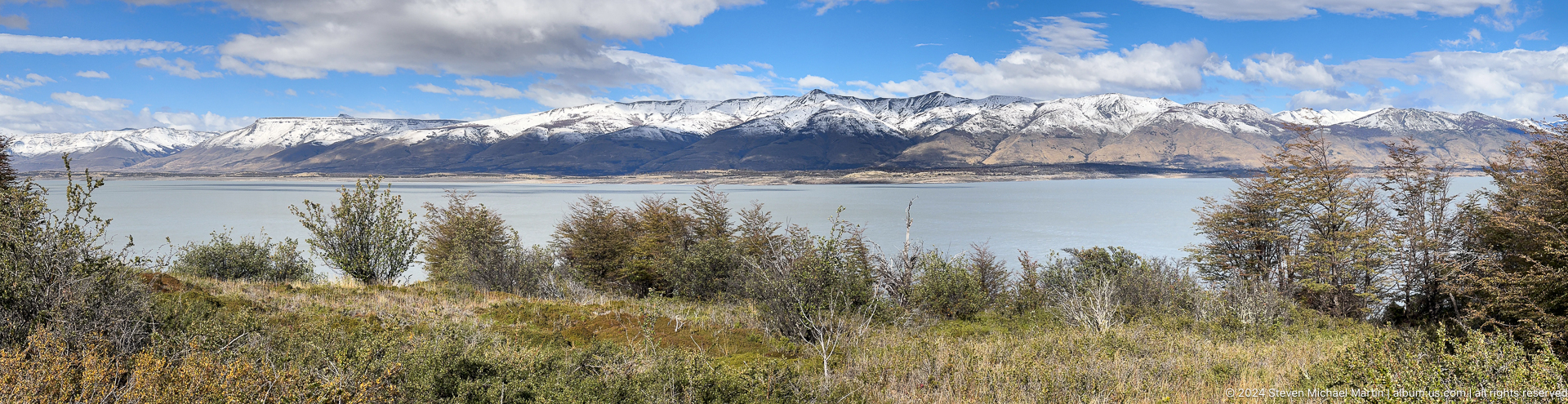
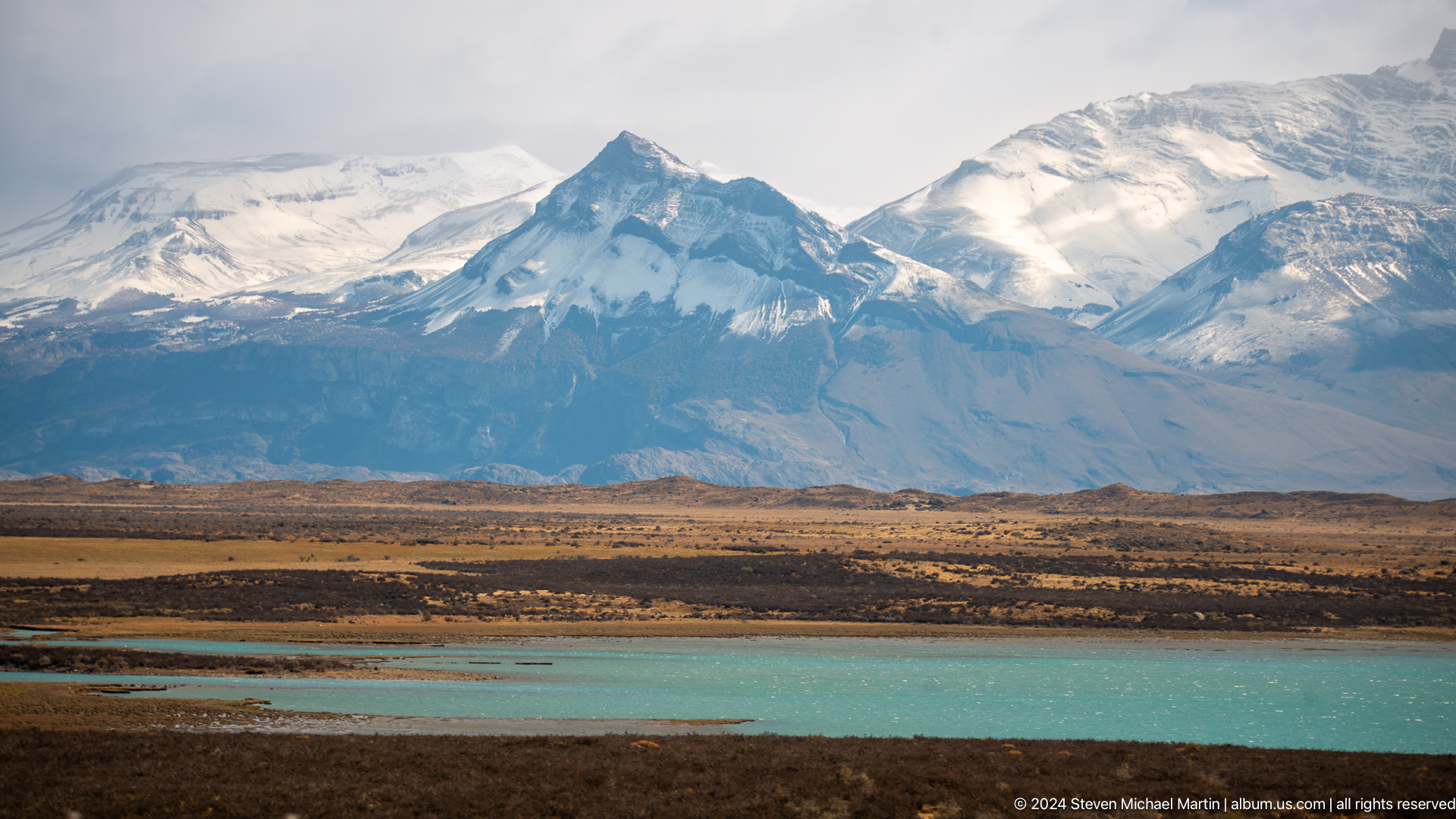
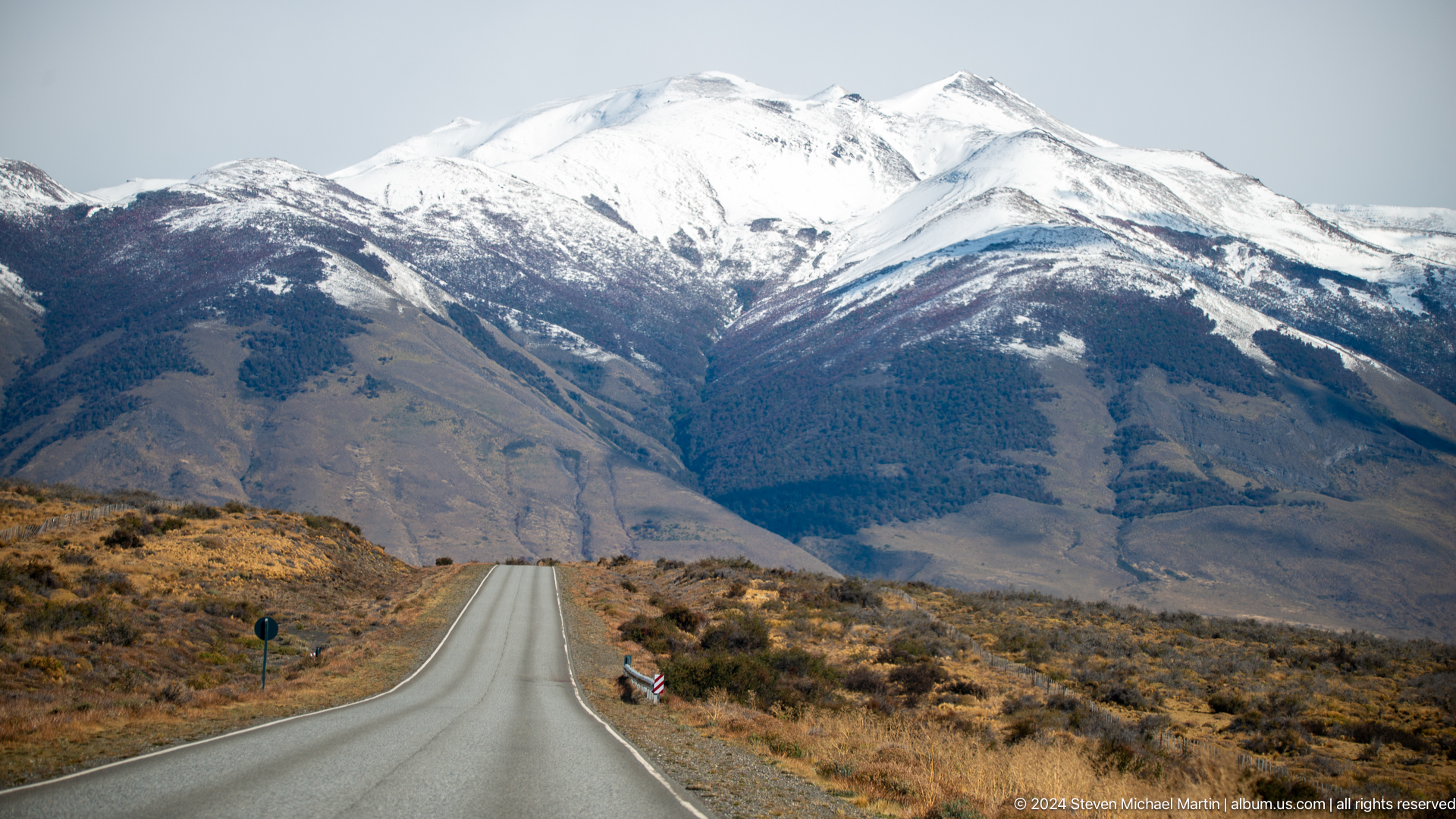
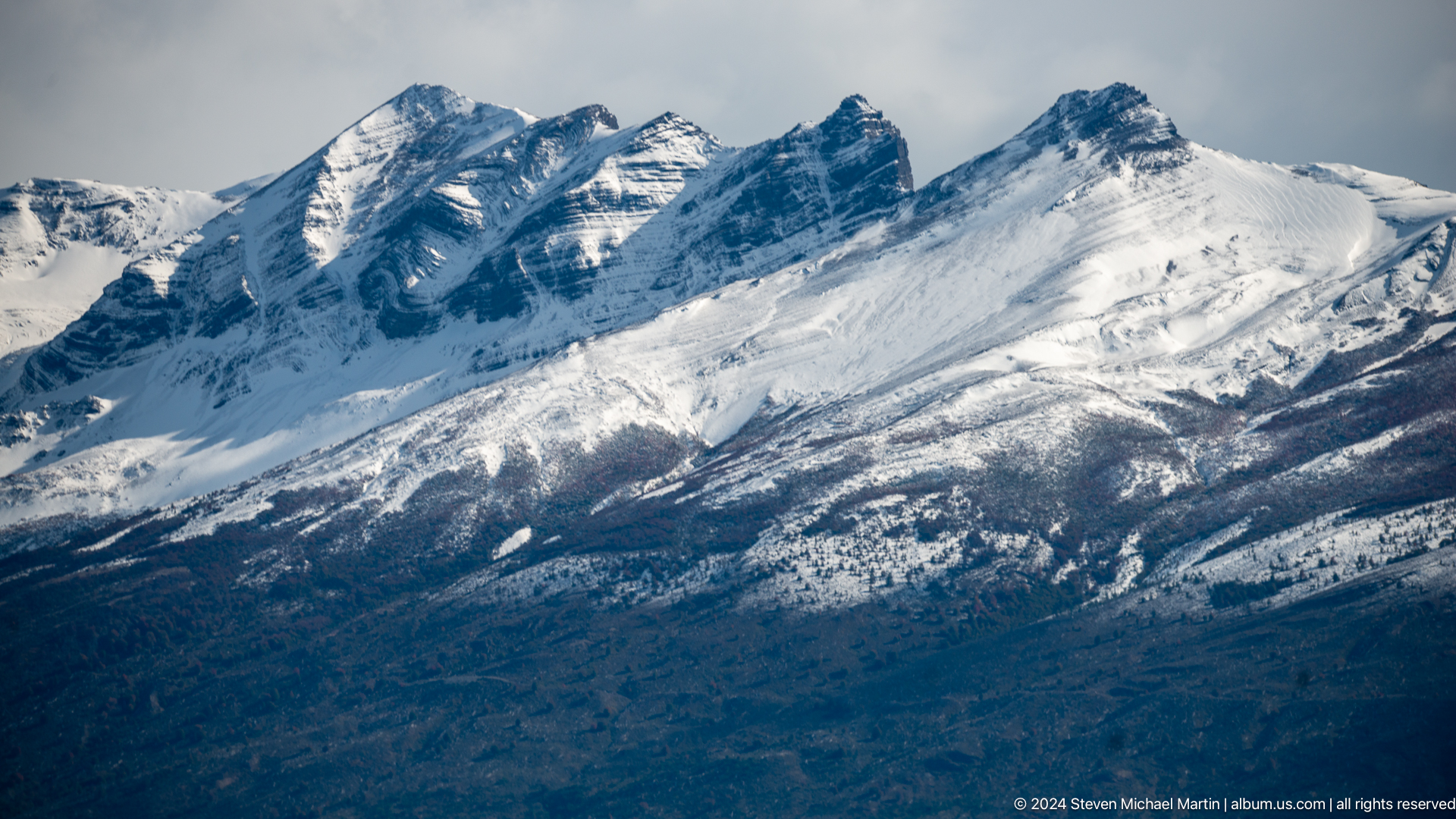
Across the Andes in southern Argentina, Los Glaciares National Park protects one of the largest ice fields outside Antarctica and Greenland. The park contains vast glaciers, turquoise lakes, and towering mountain peaks that form part of the southern Andes.
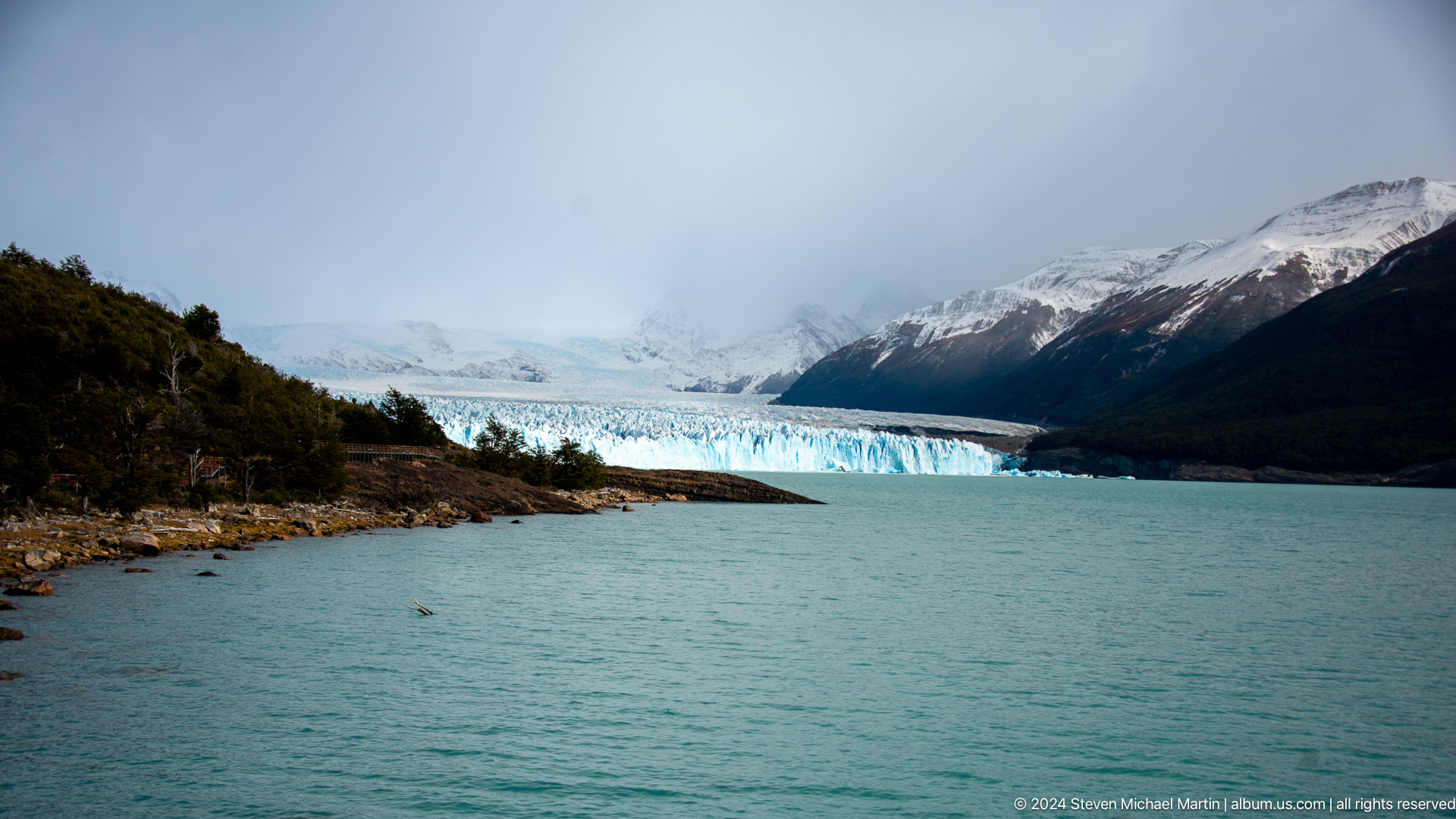
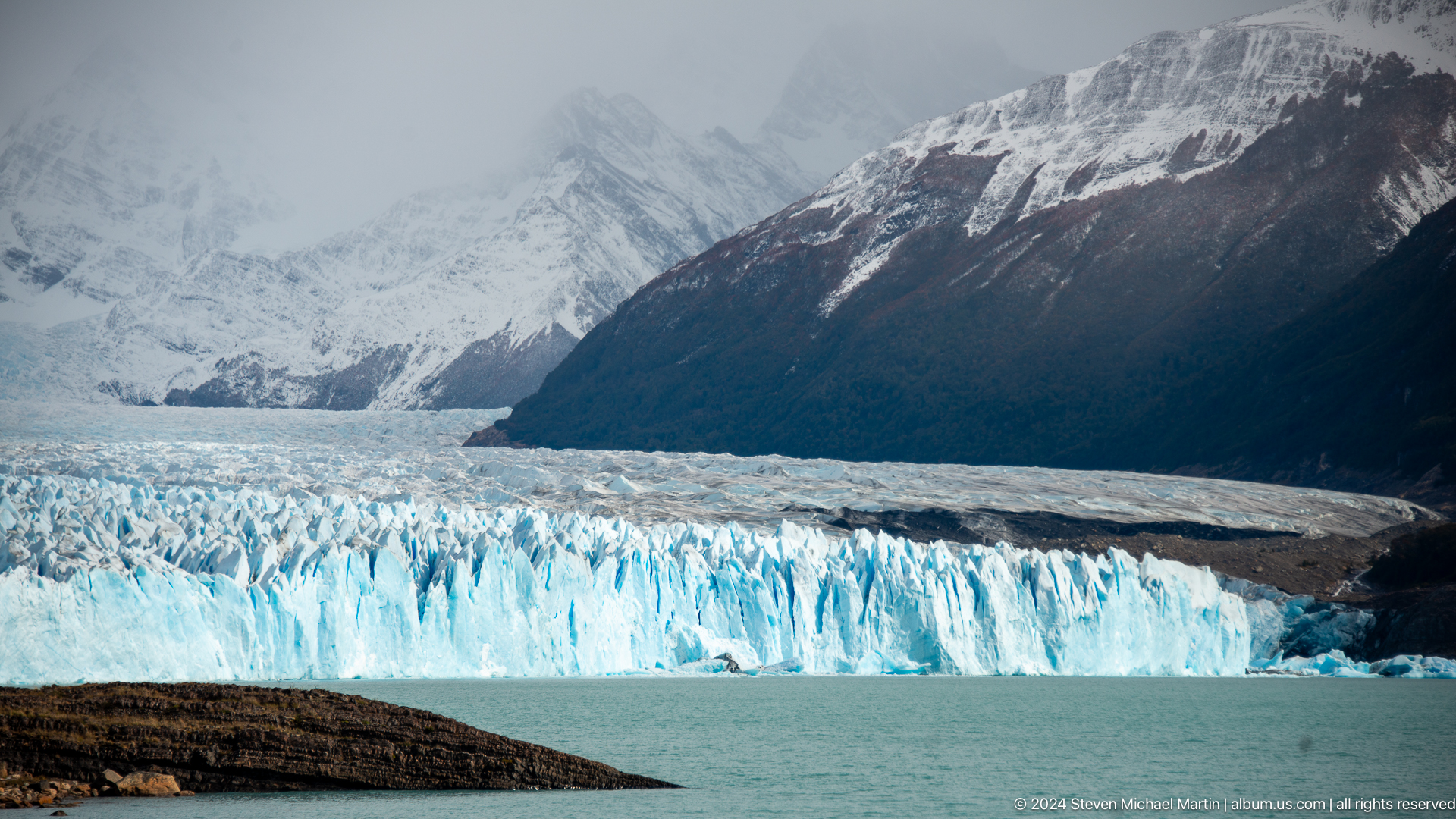
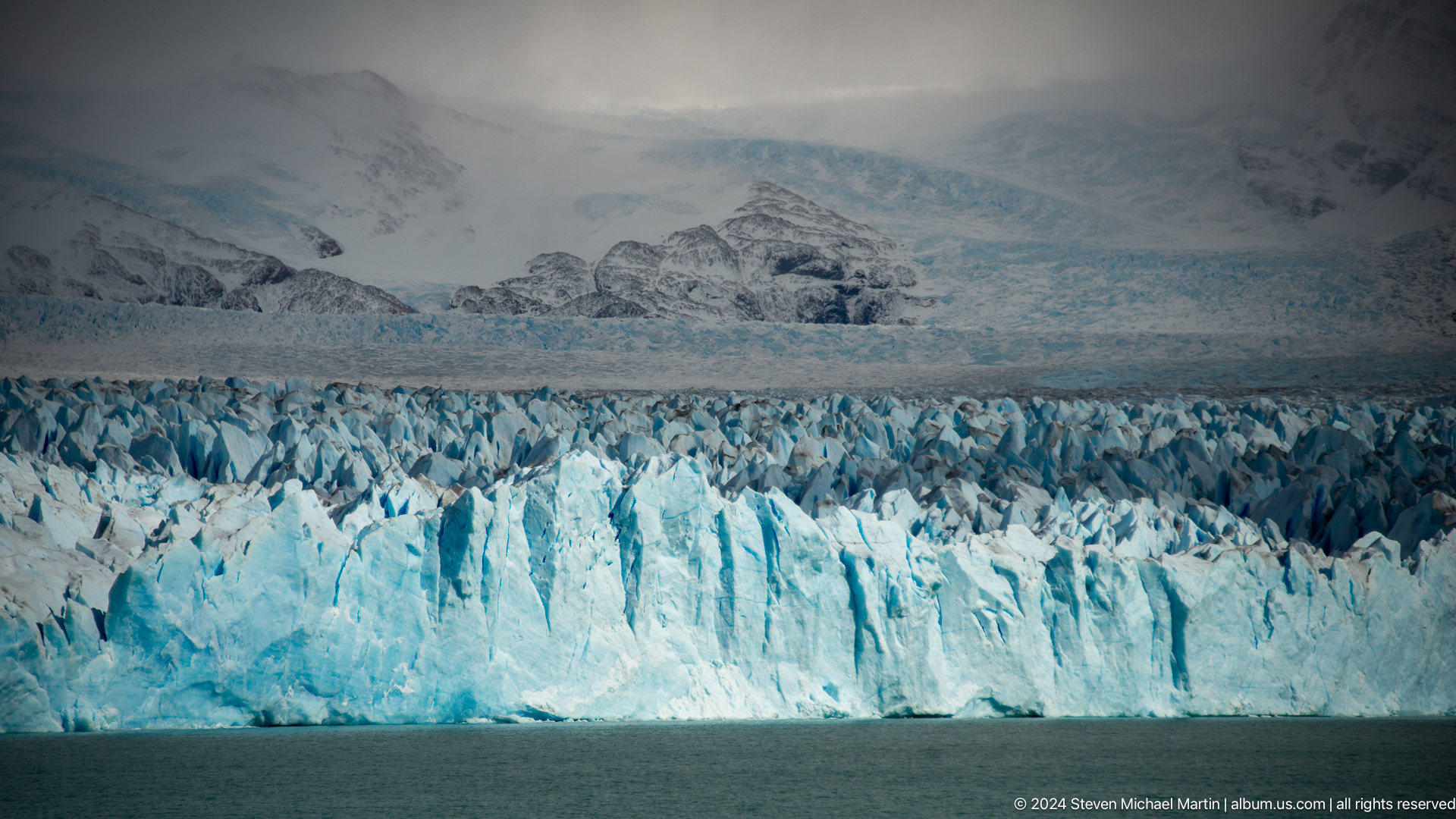
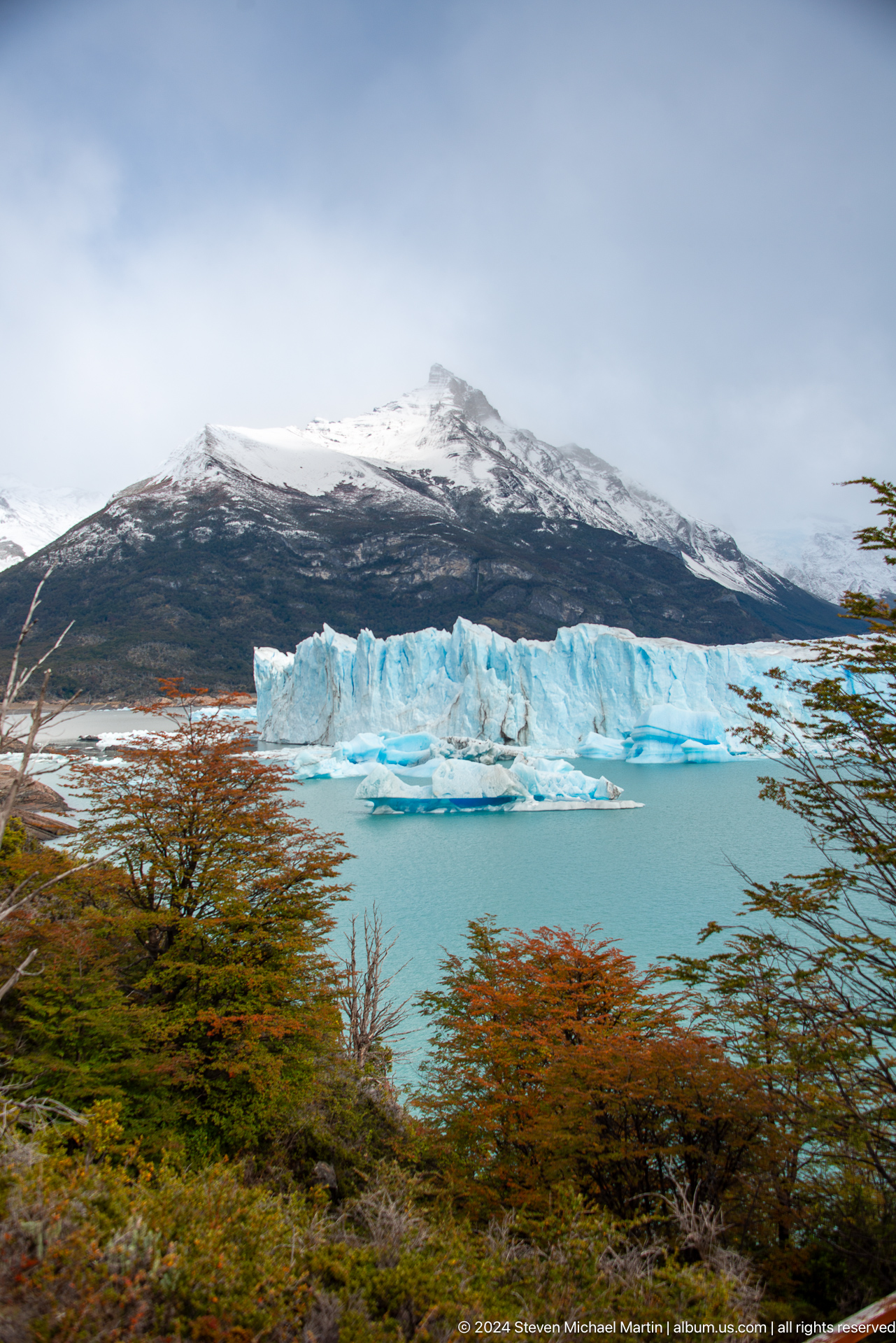
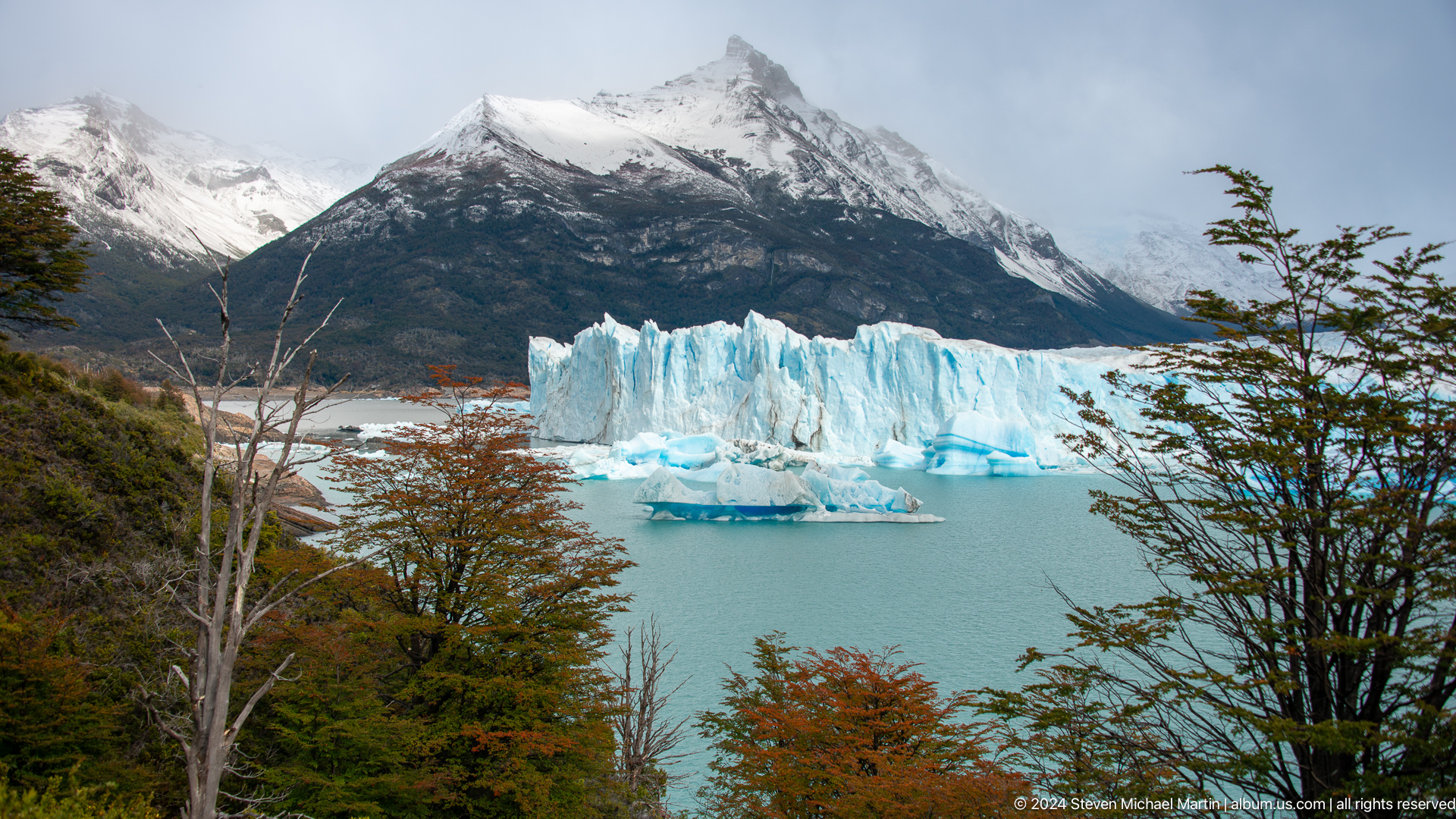
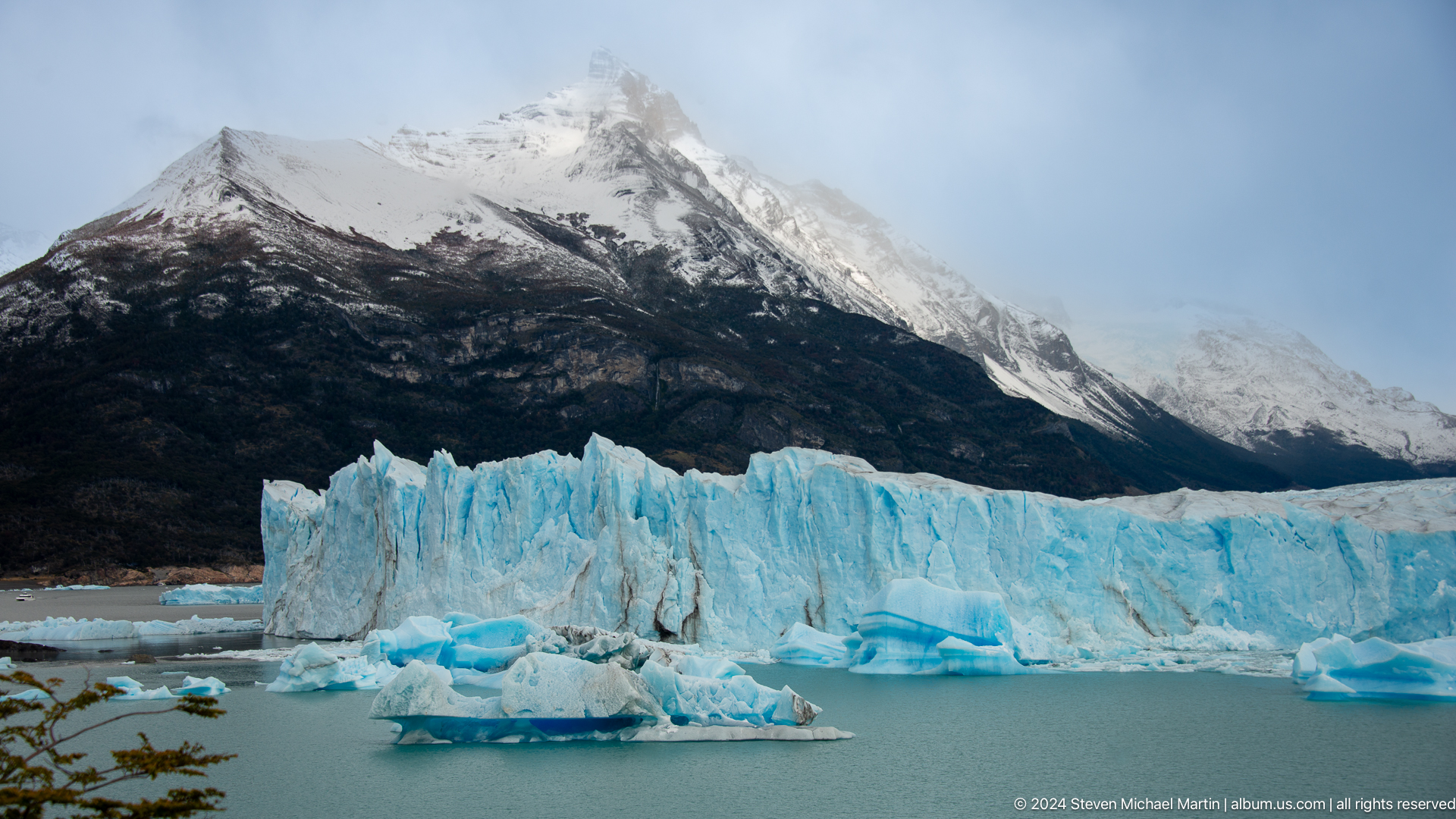
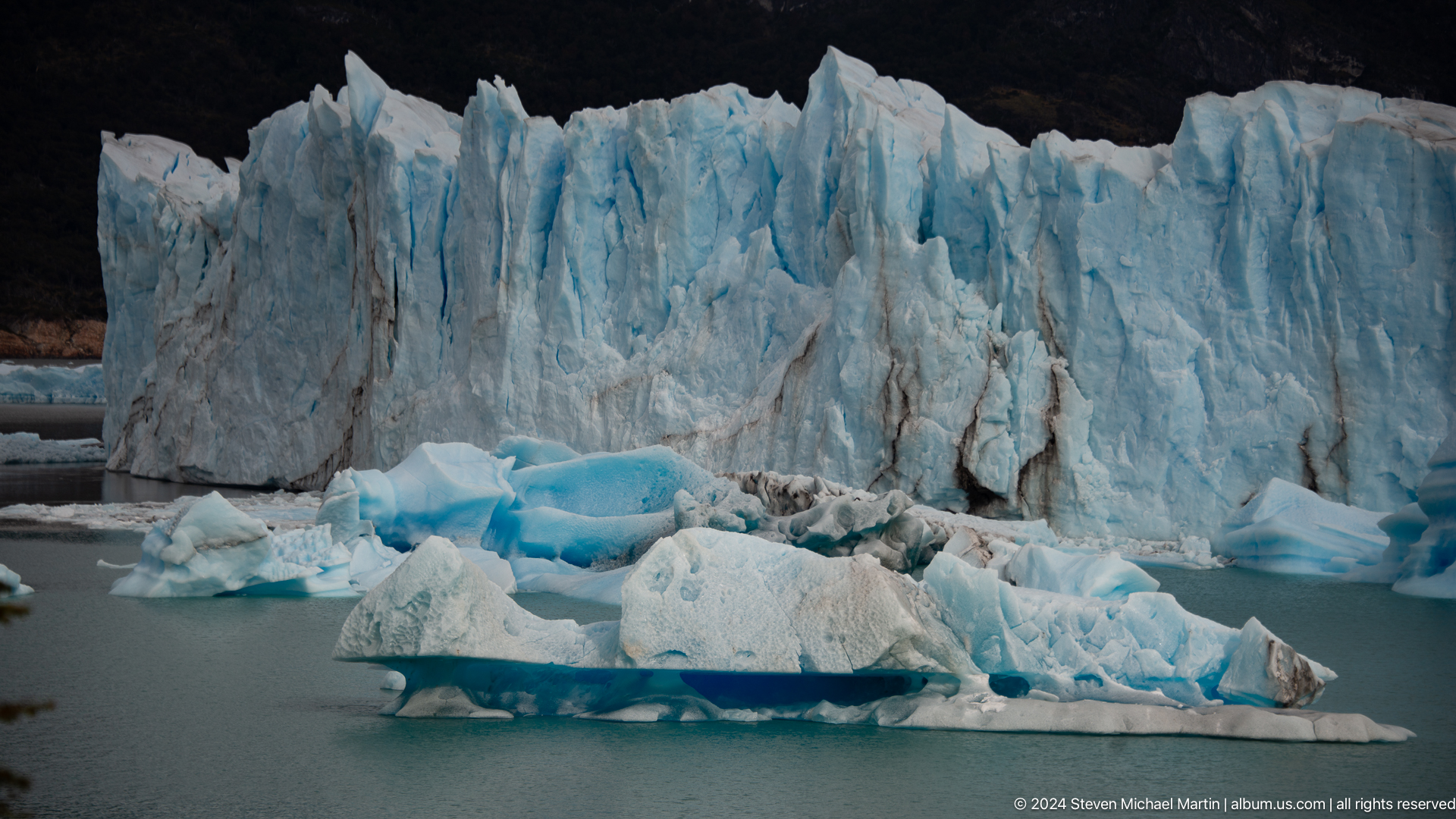
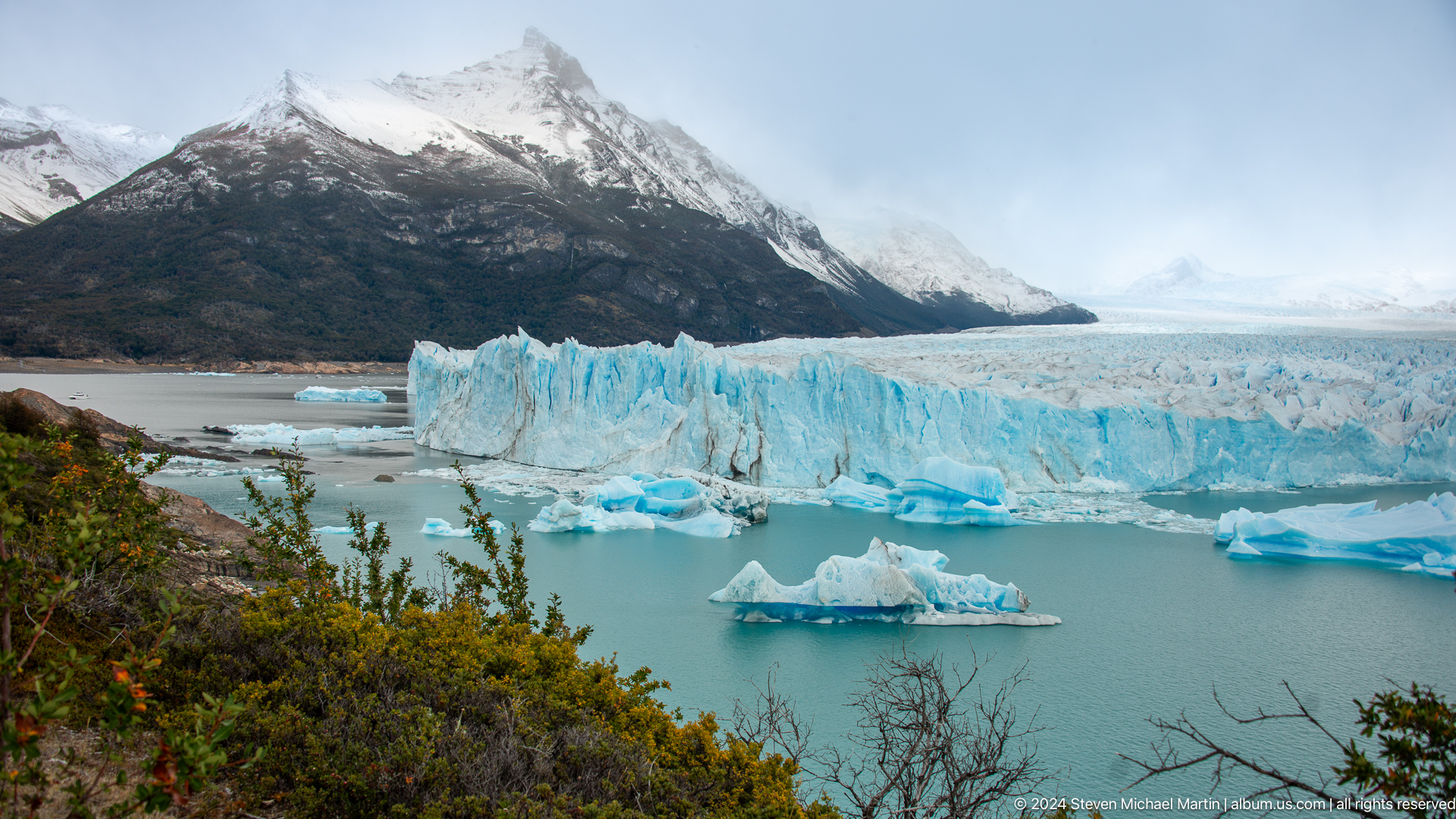
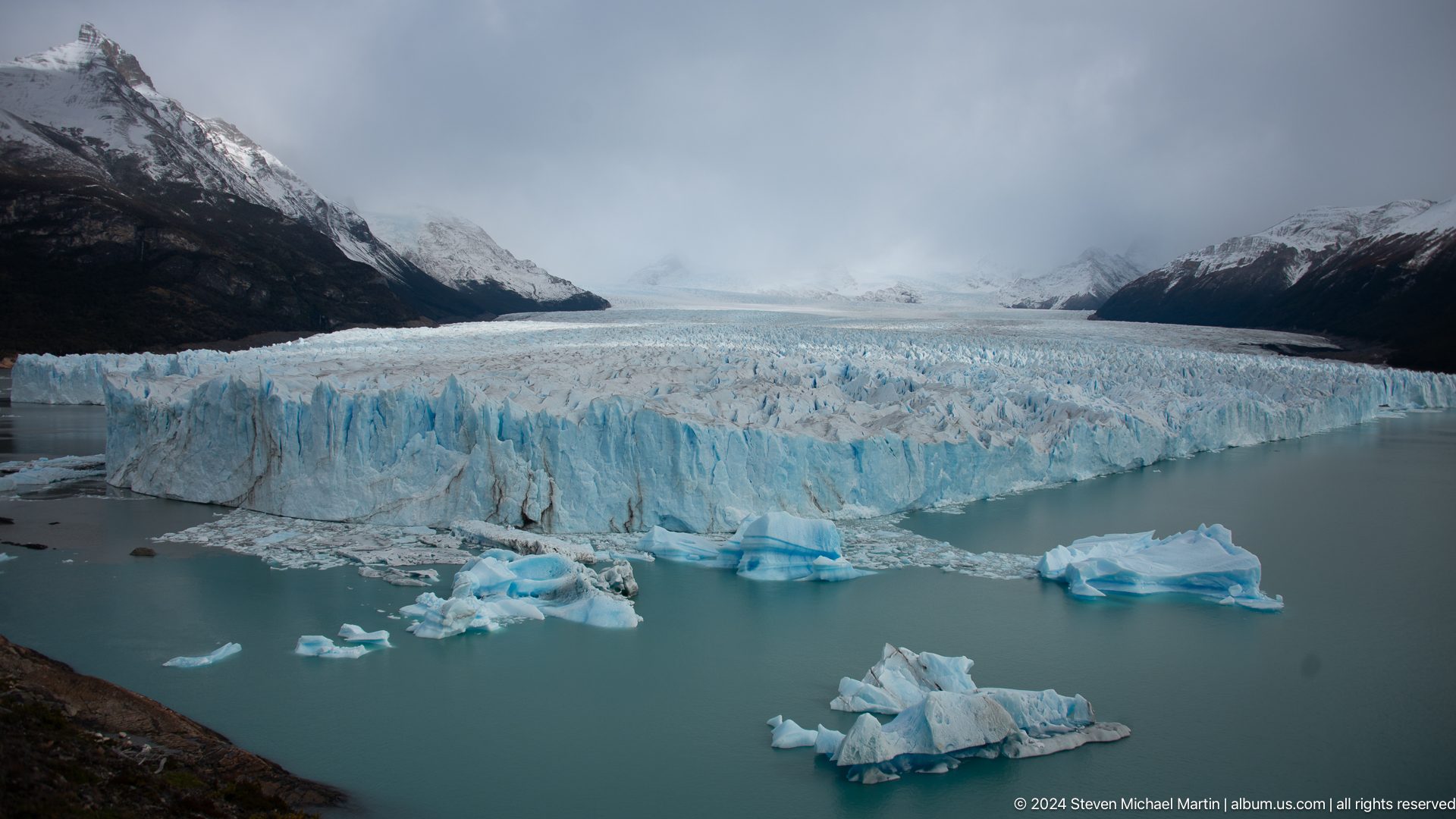
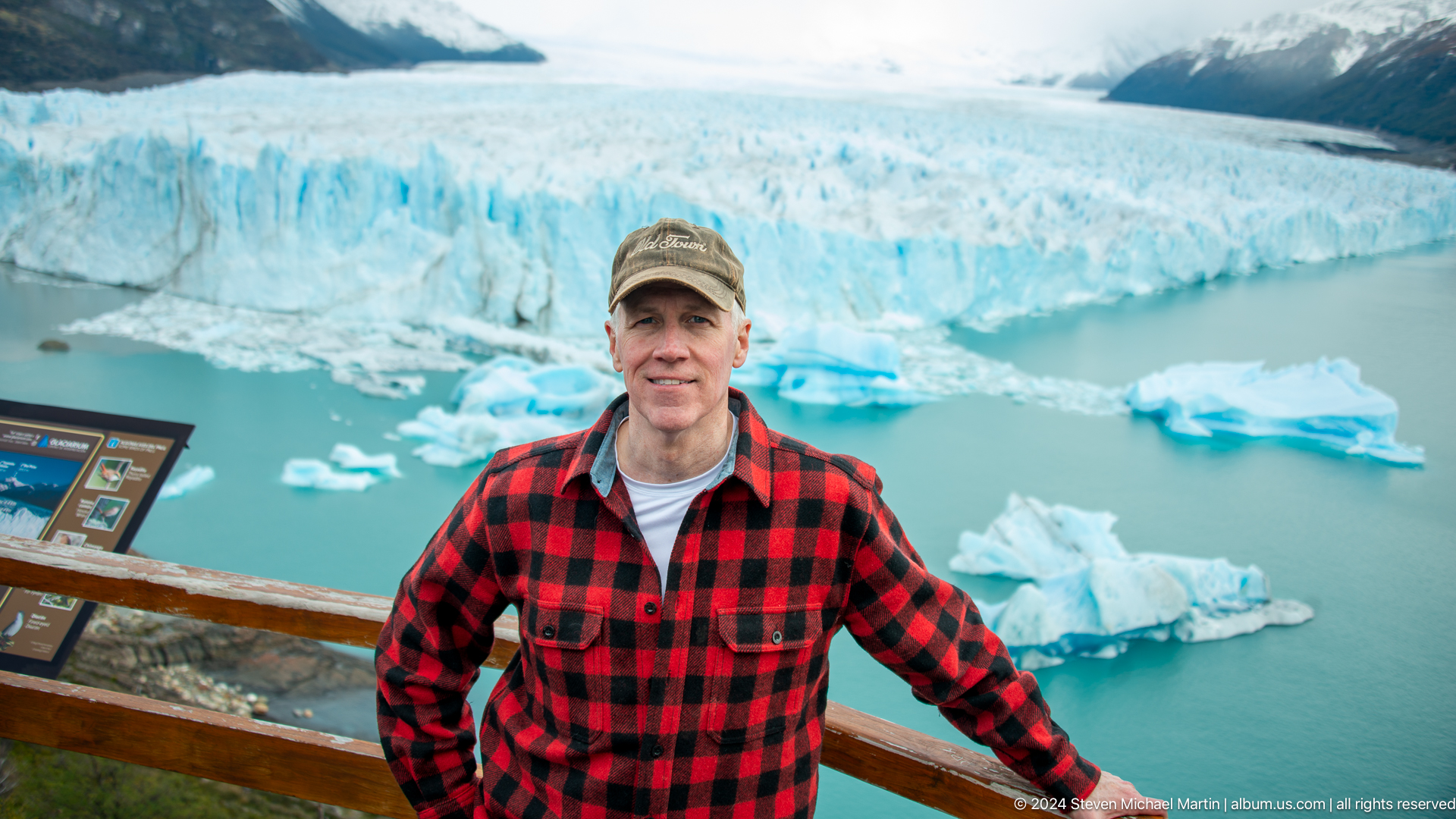
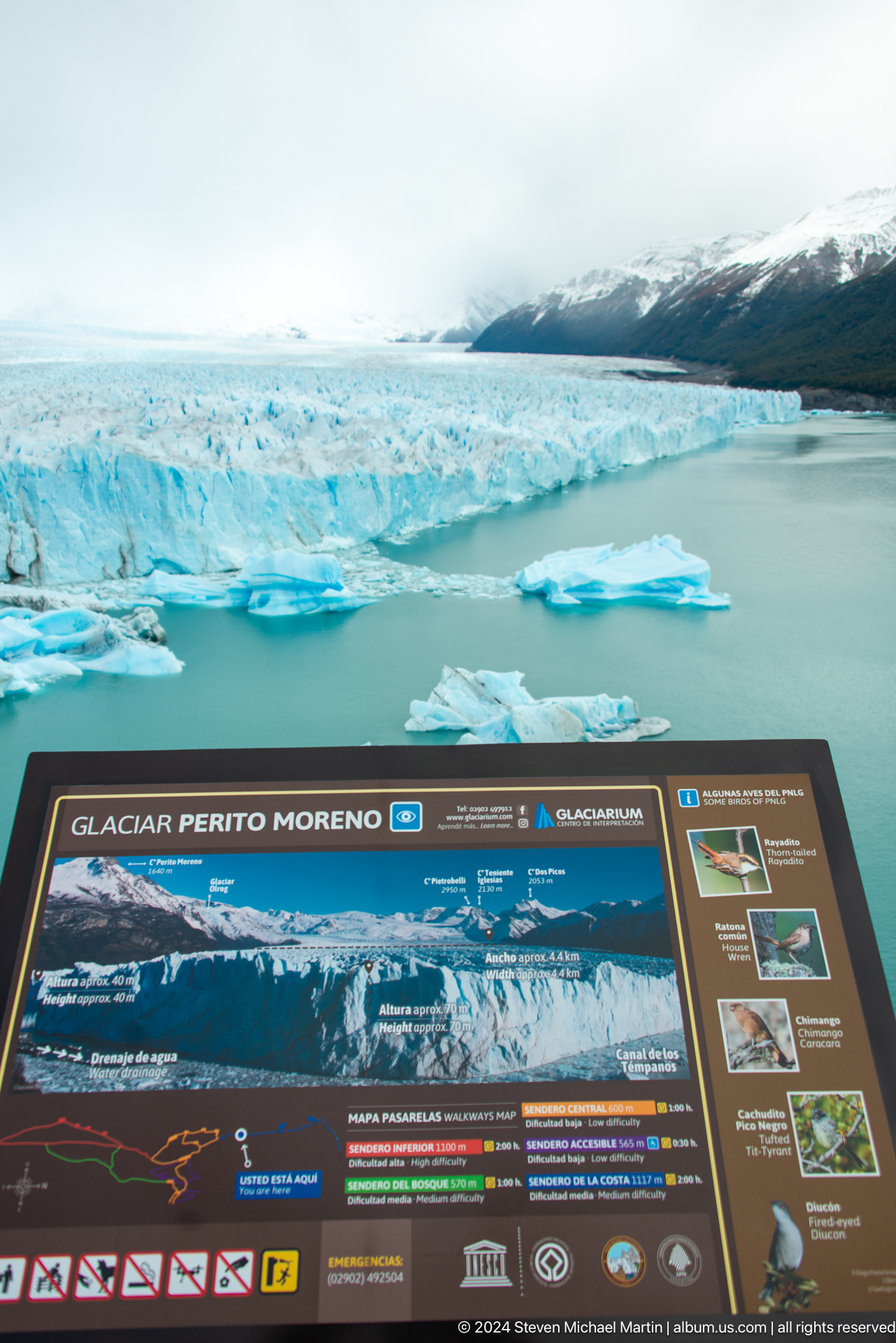
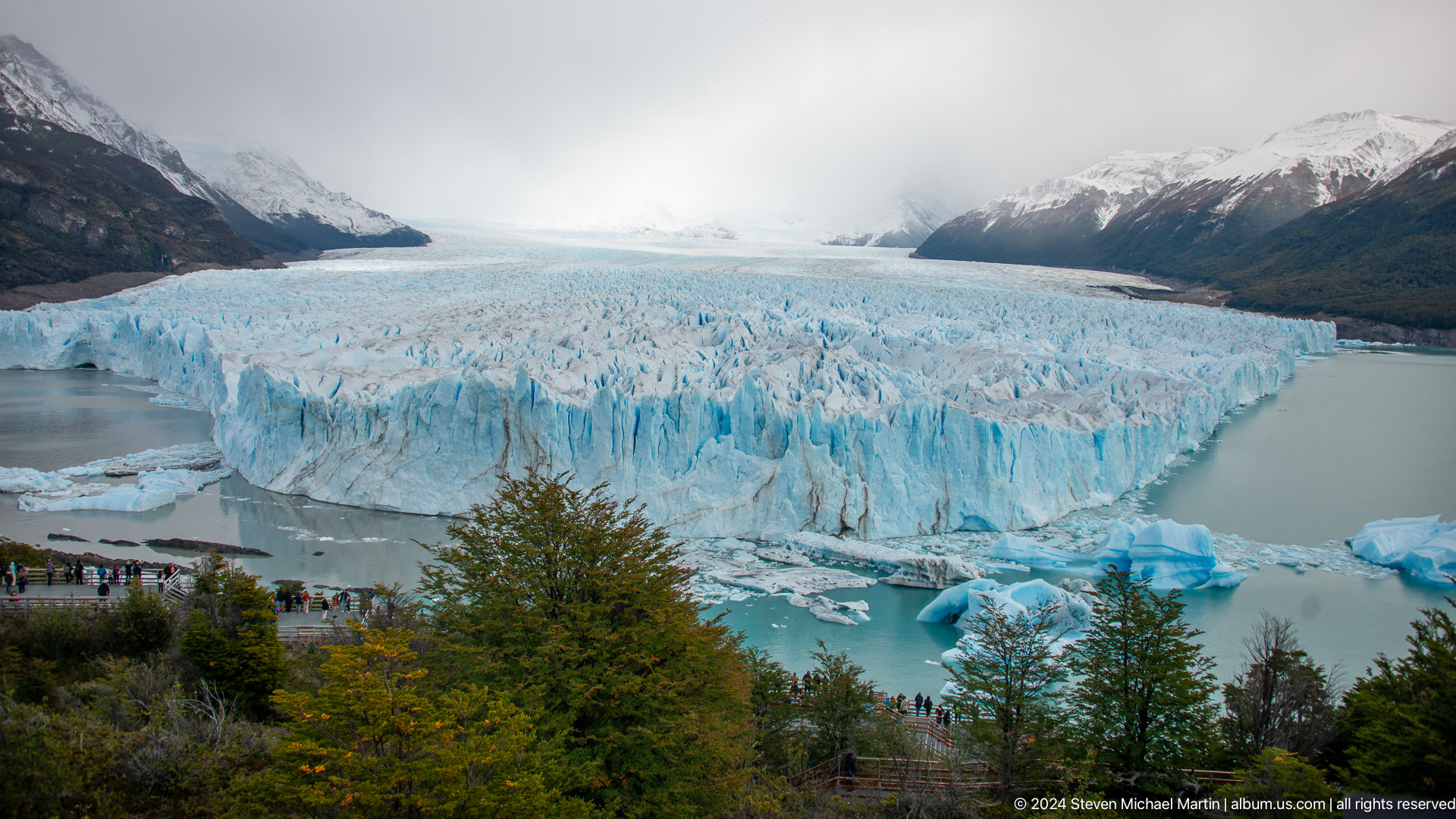
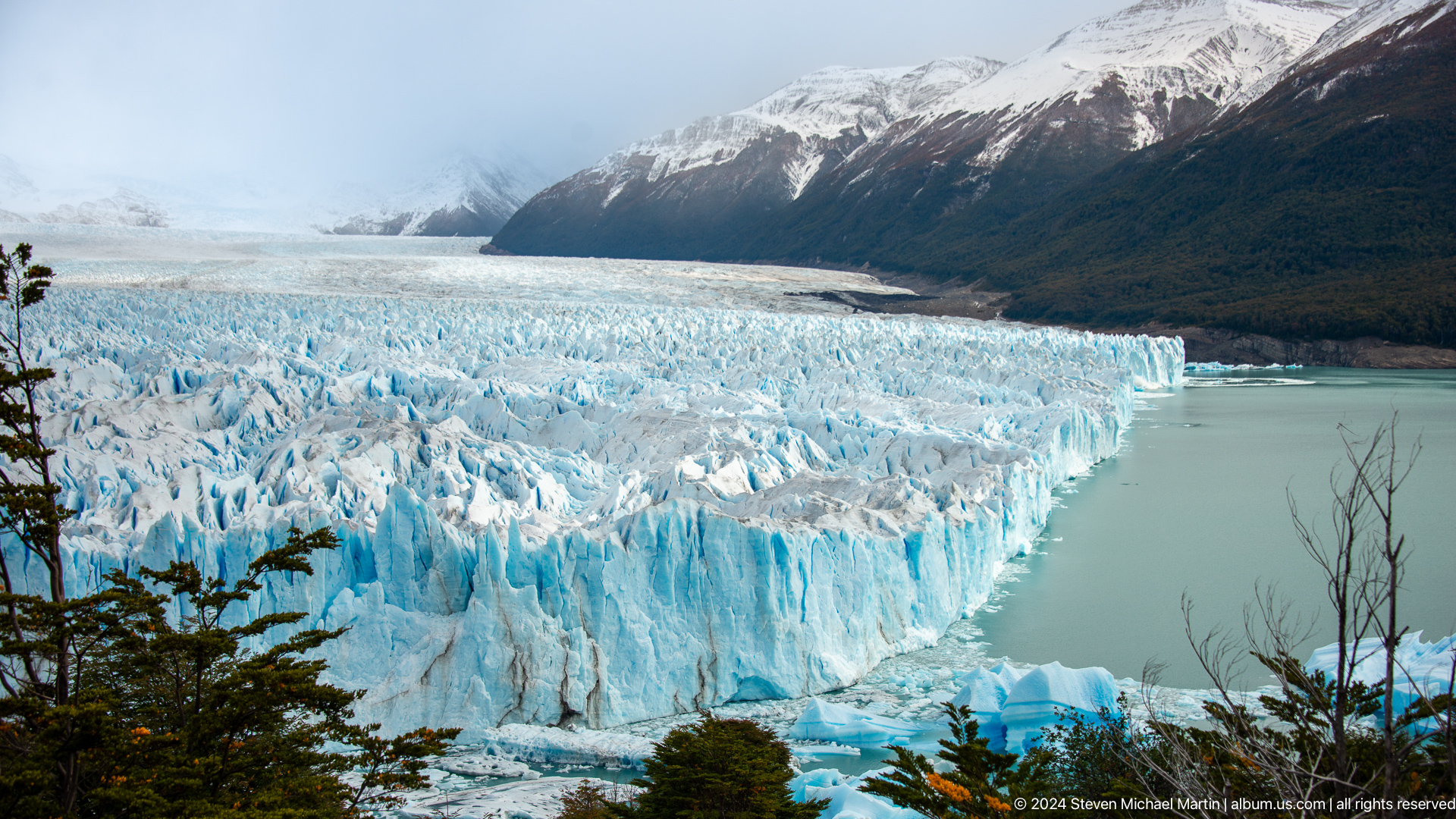
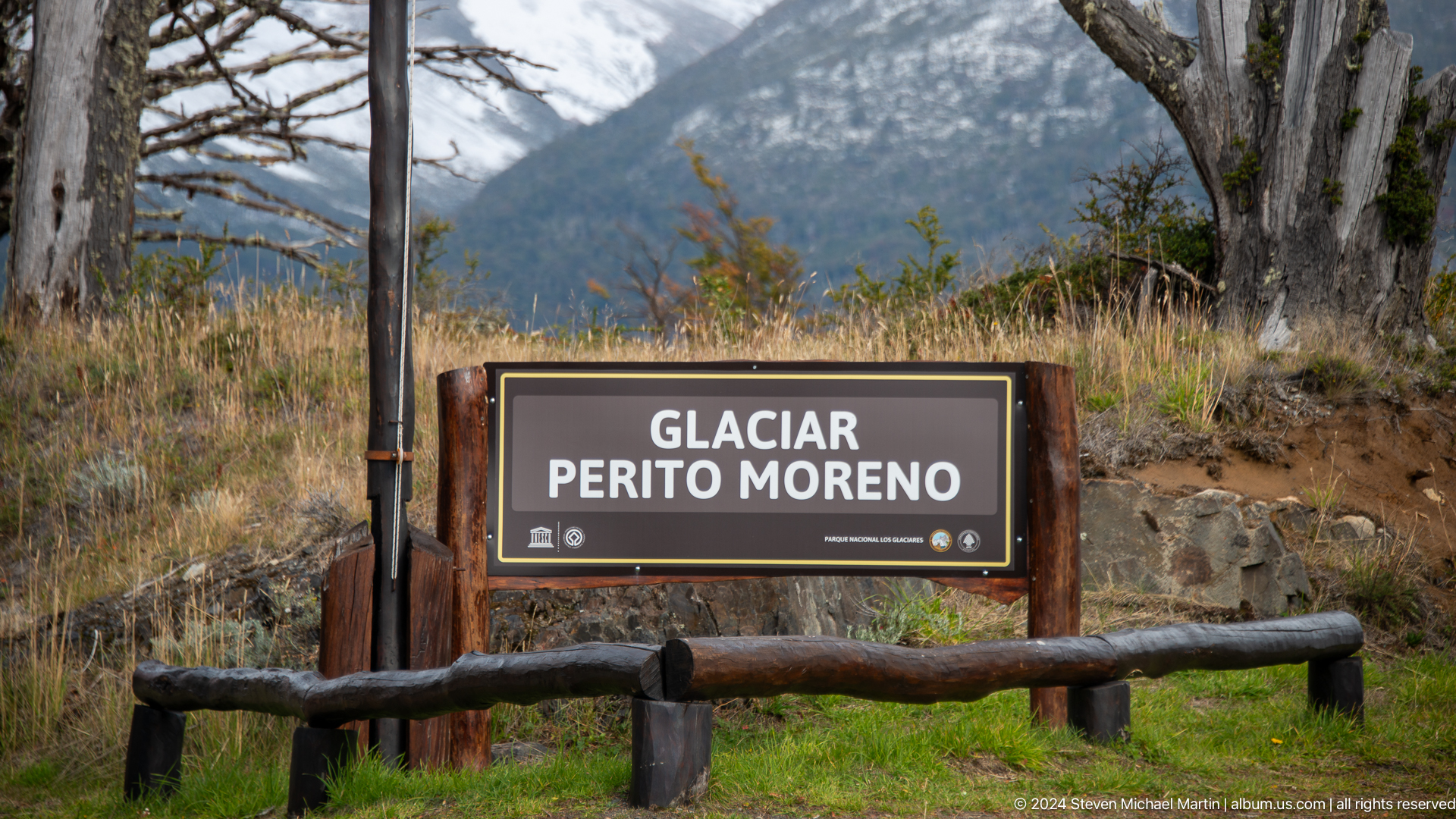
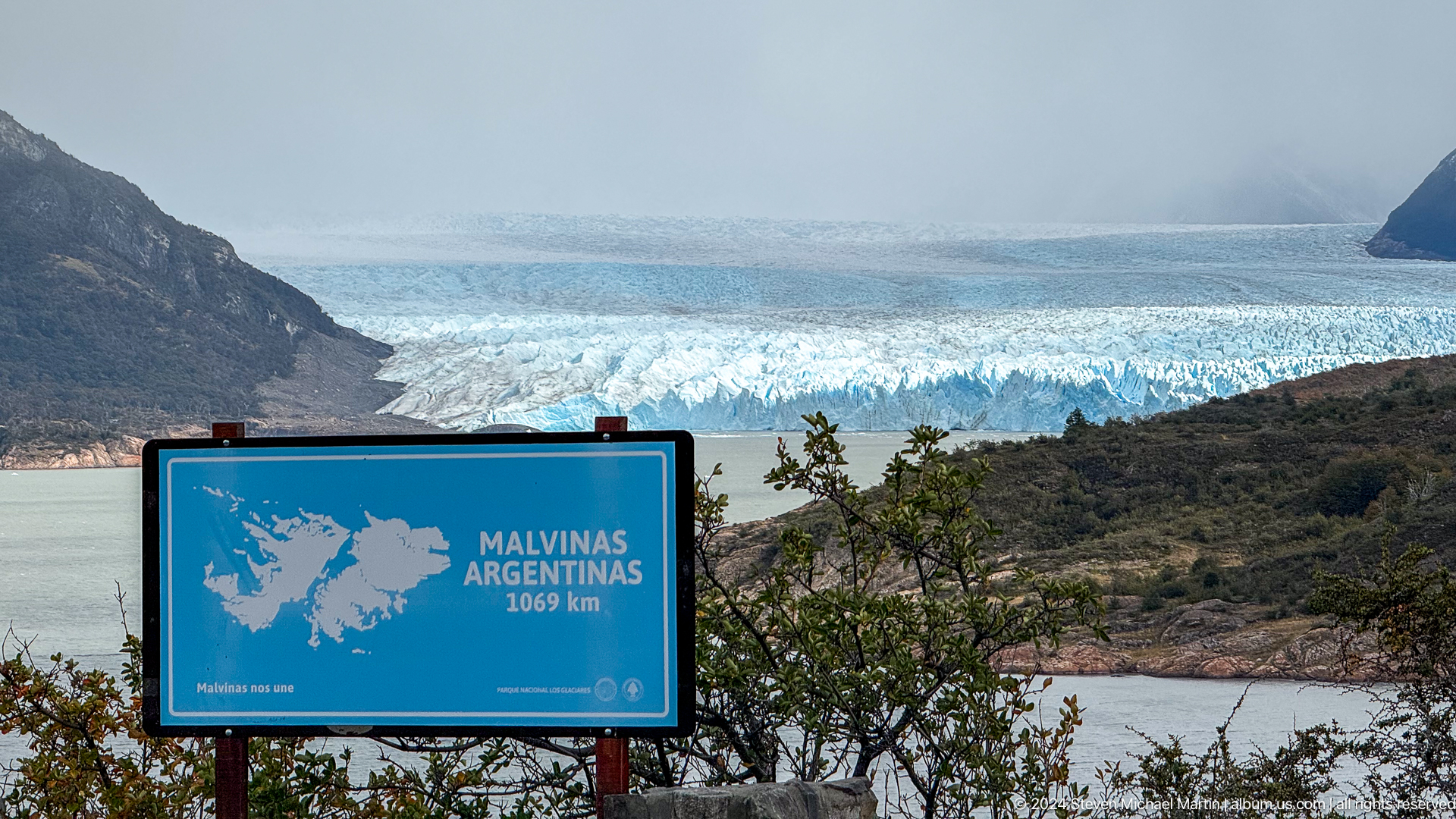
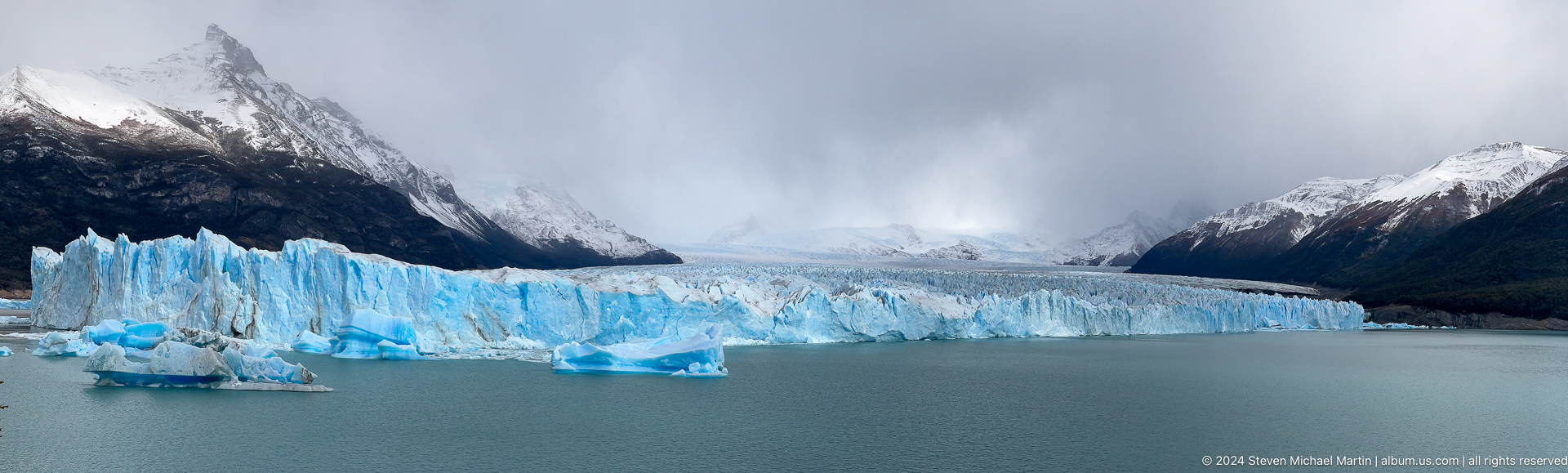
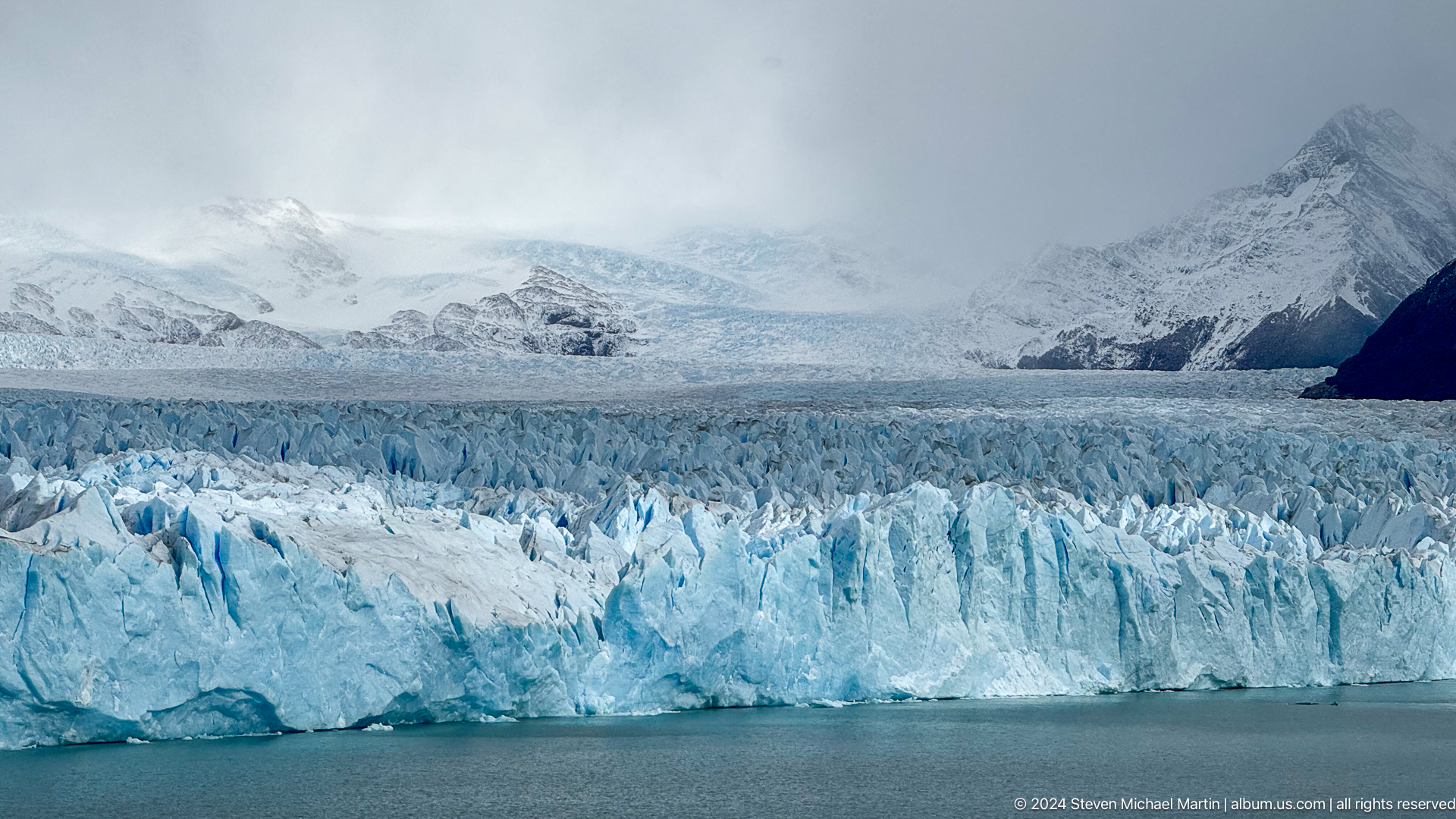
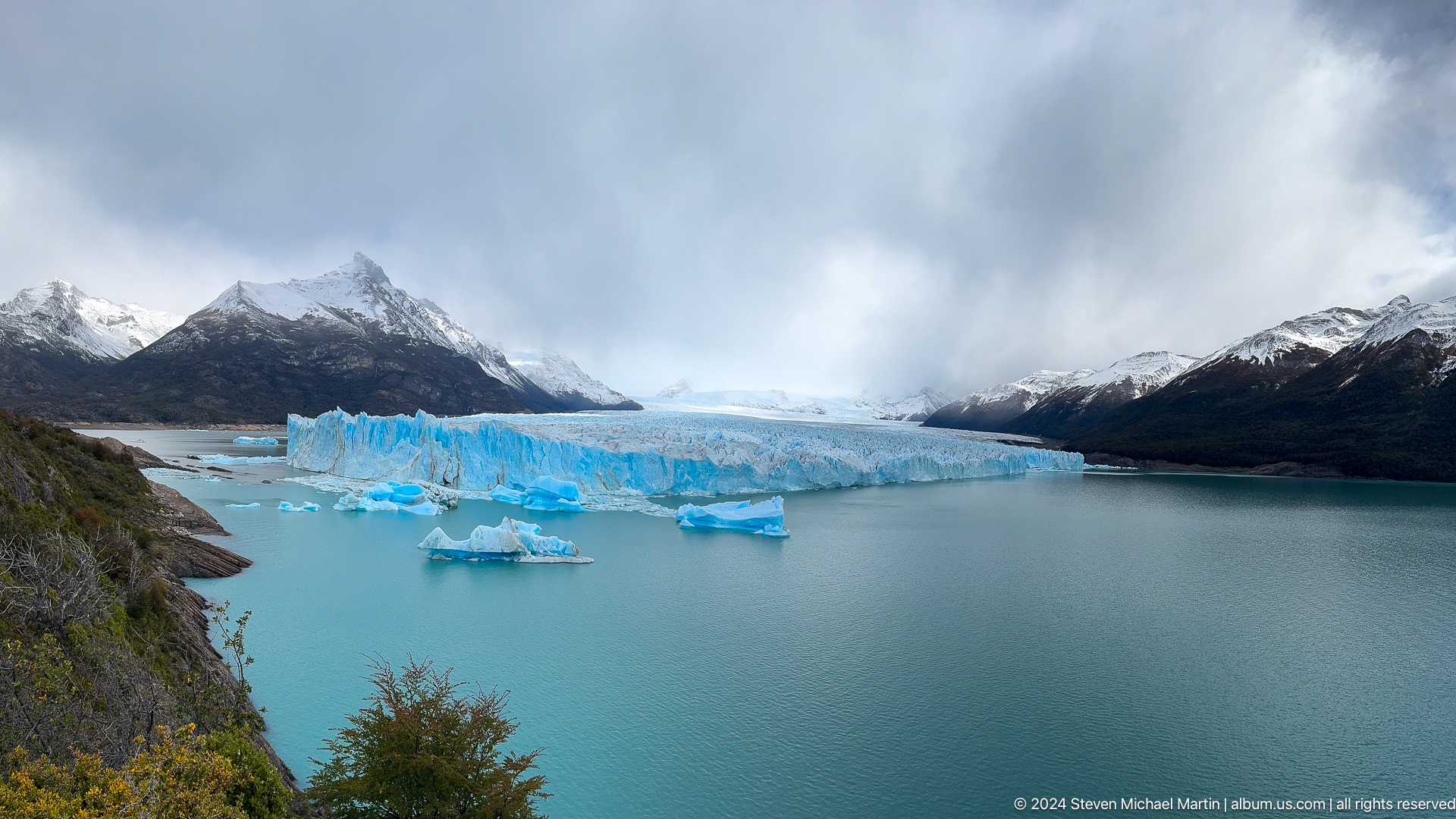
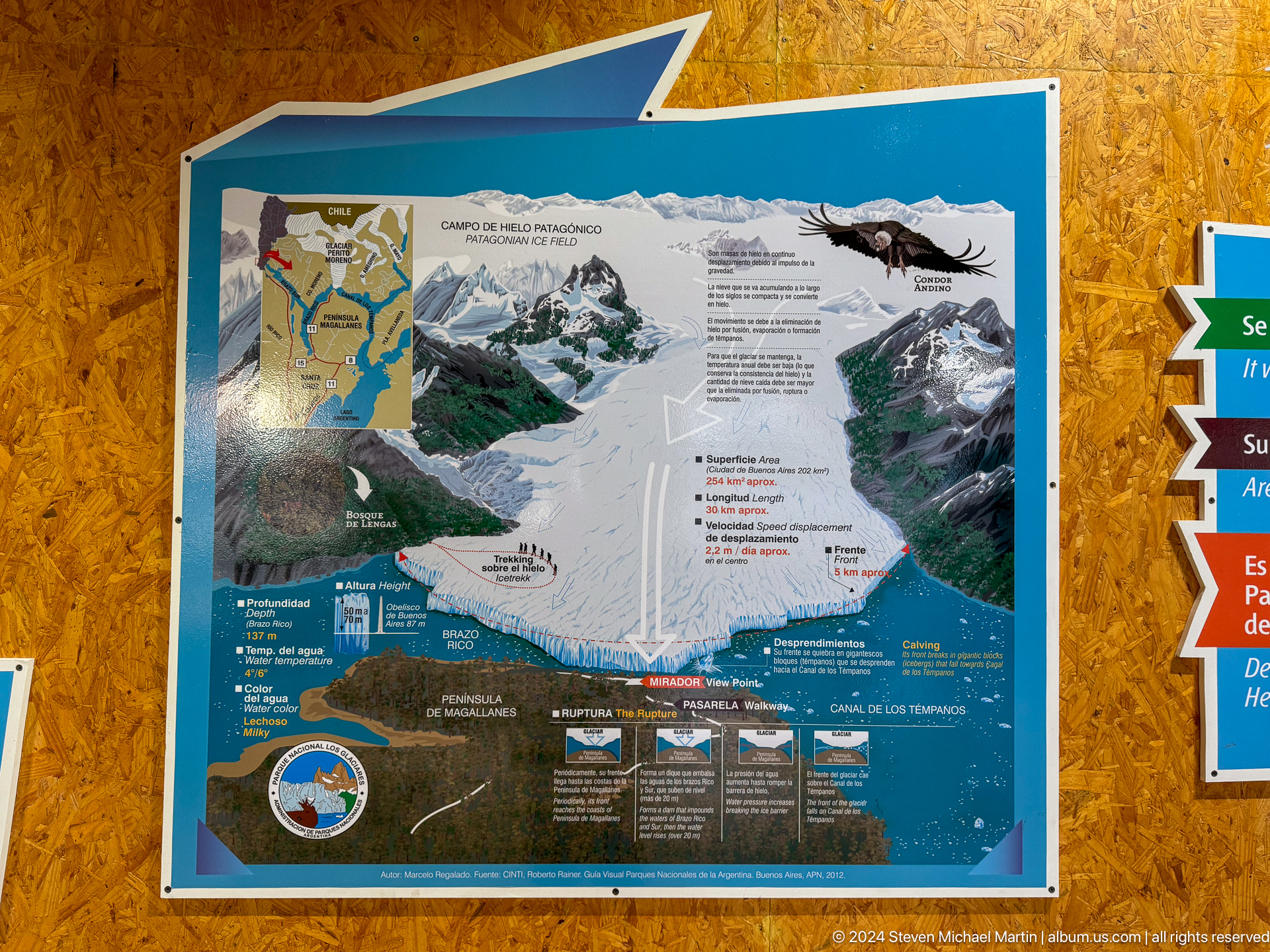
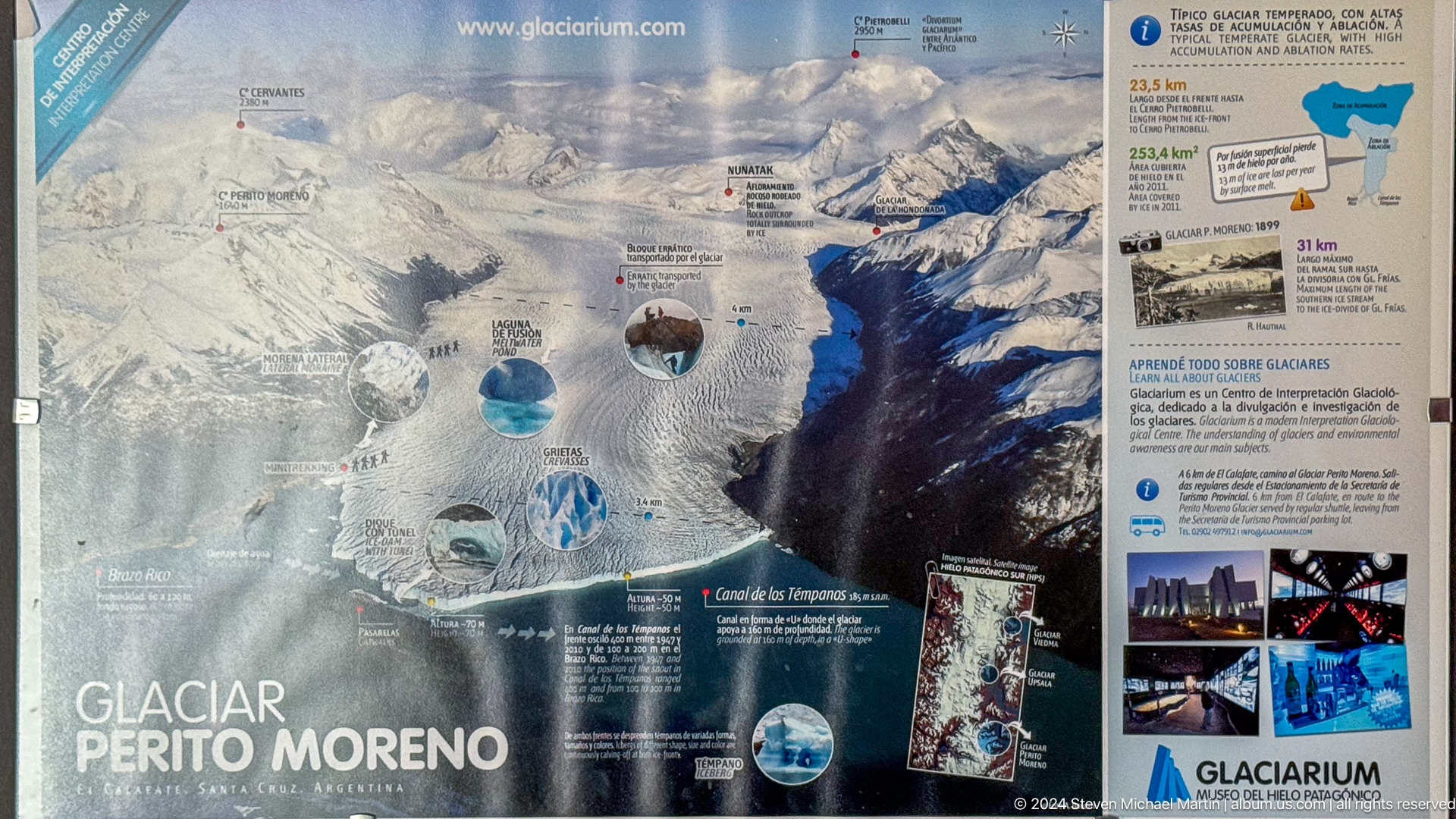
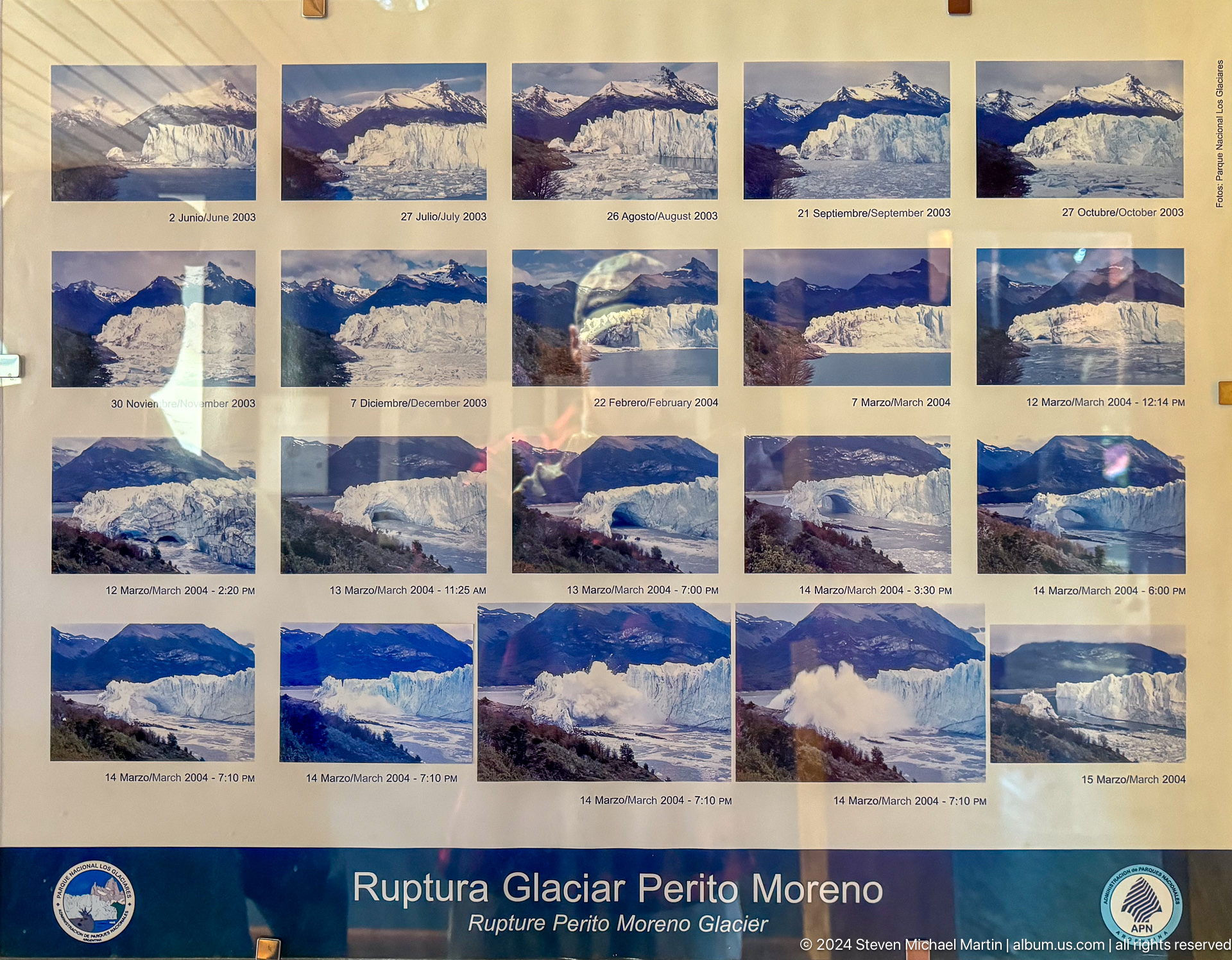
Among the most famous features of the park is the Perito Moreno Glacier, a massive wall of ice that advances slowly into Lake Argentino. The glacier is known for its frequent calving events, when large sections of ice break off and crash into the lake below.
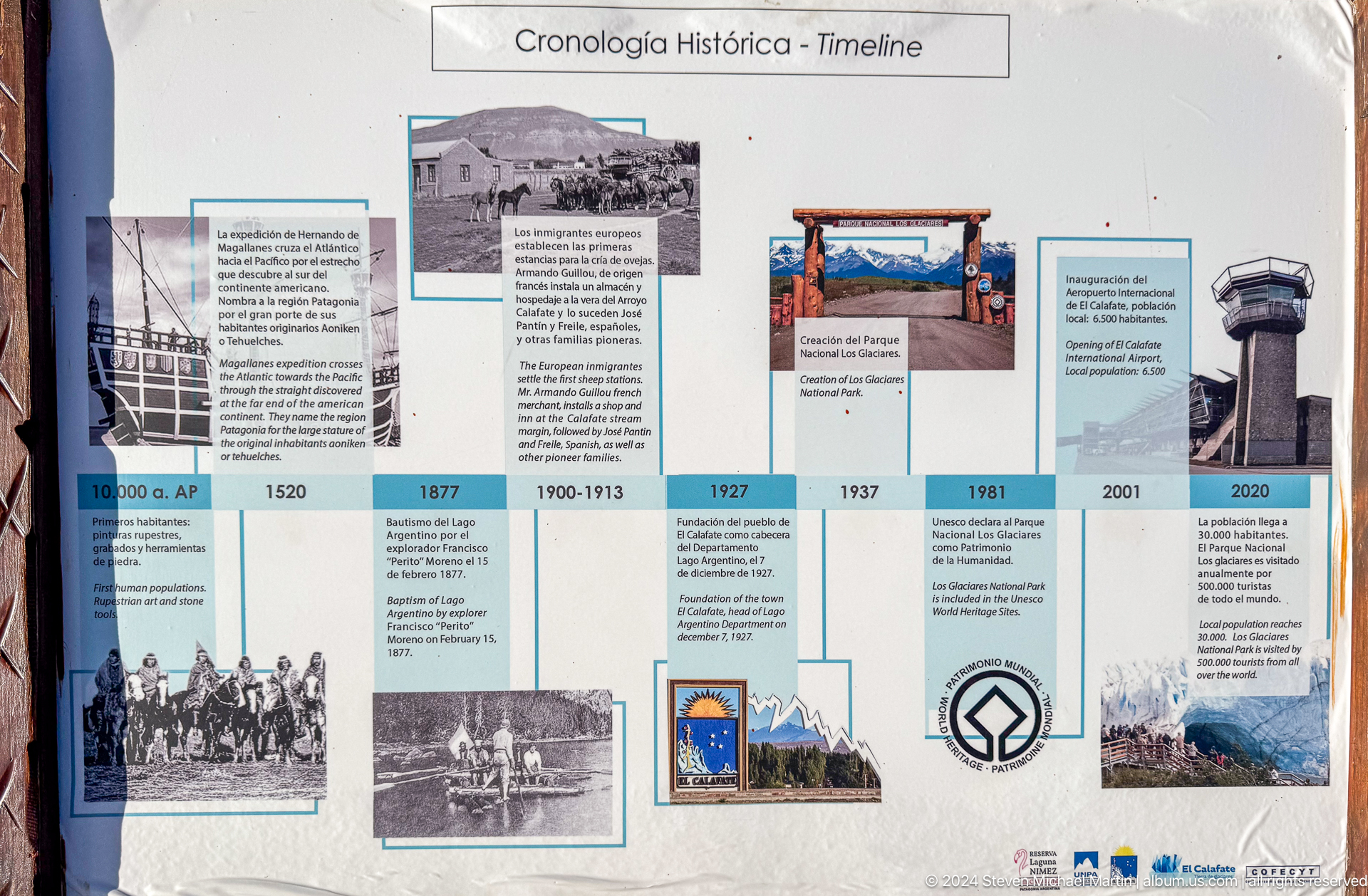
Recognized as a UNESCO World Heritage Site, Los Glaciares National Park preserves one of the most extraordinary glacial landscapes on Earth.
































⭐ Highlights
- Patagonian Ice Field: One of the largest ice masses in the world outside the polar regions.
- Perito Moreno Glacier: A massive glacier known for dramatic ice calving into the lake.
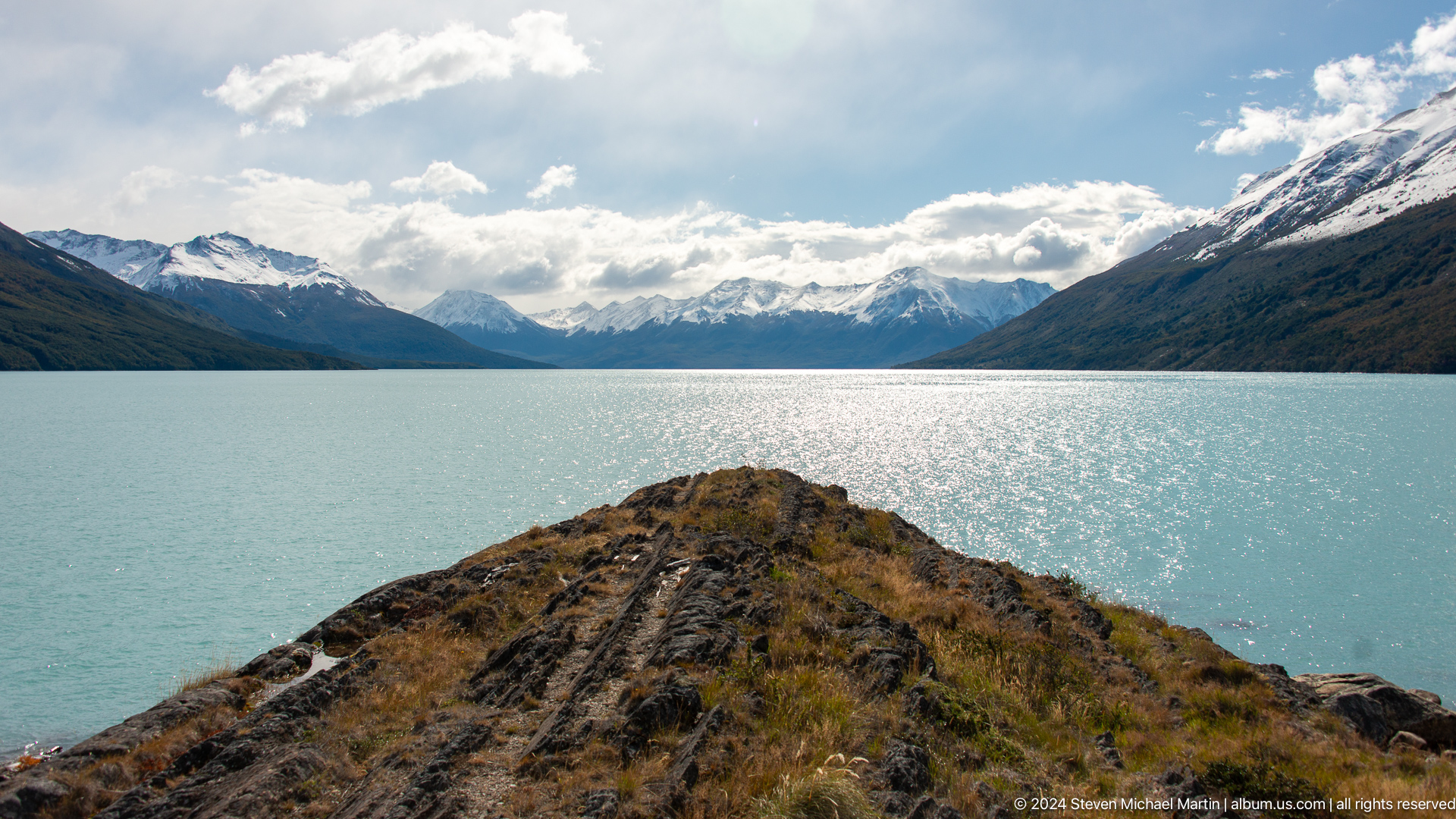
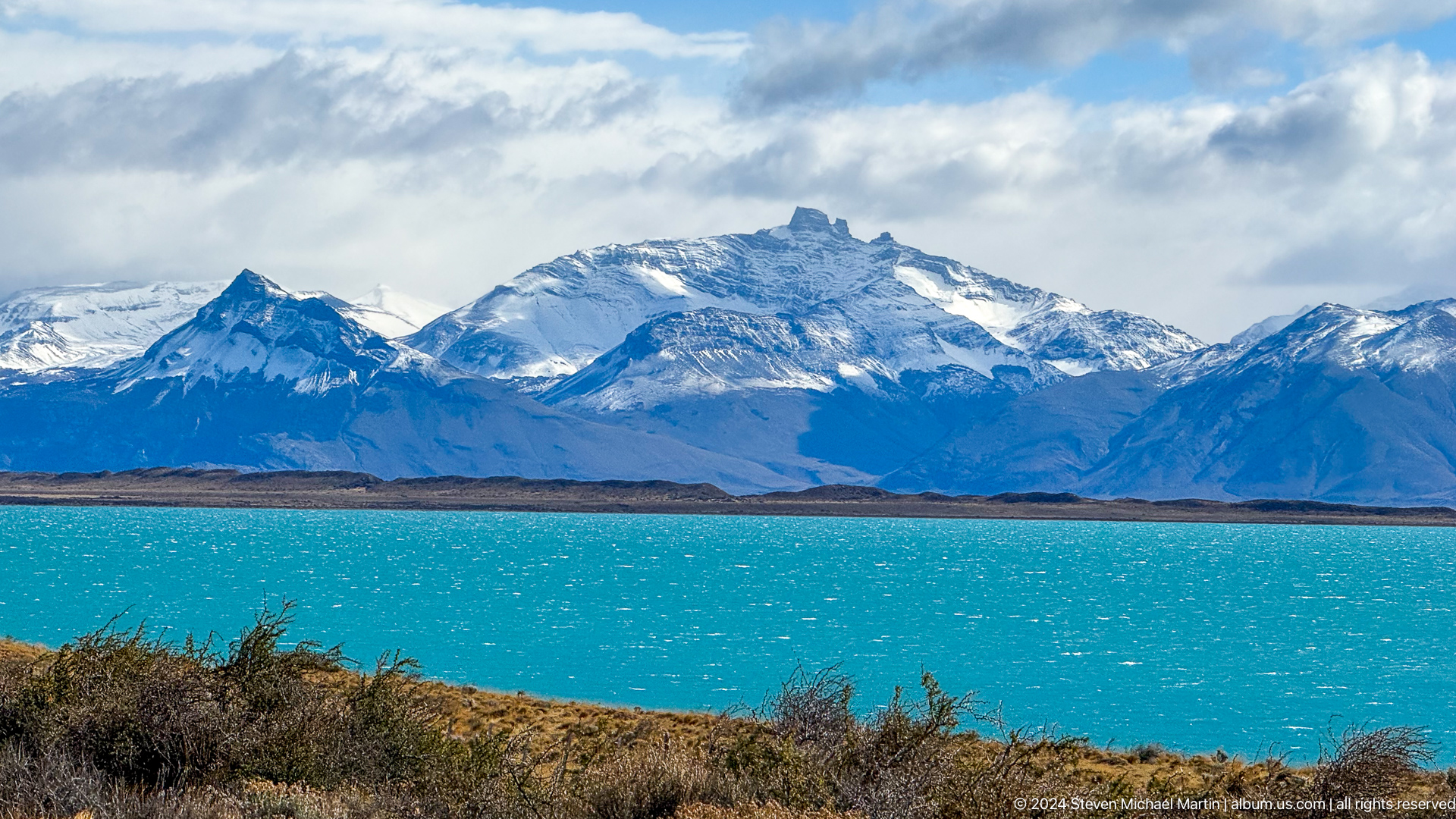
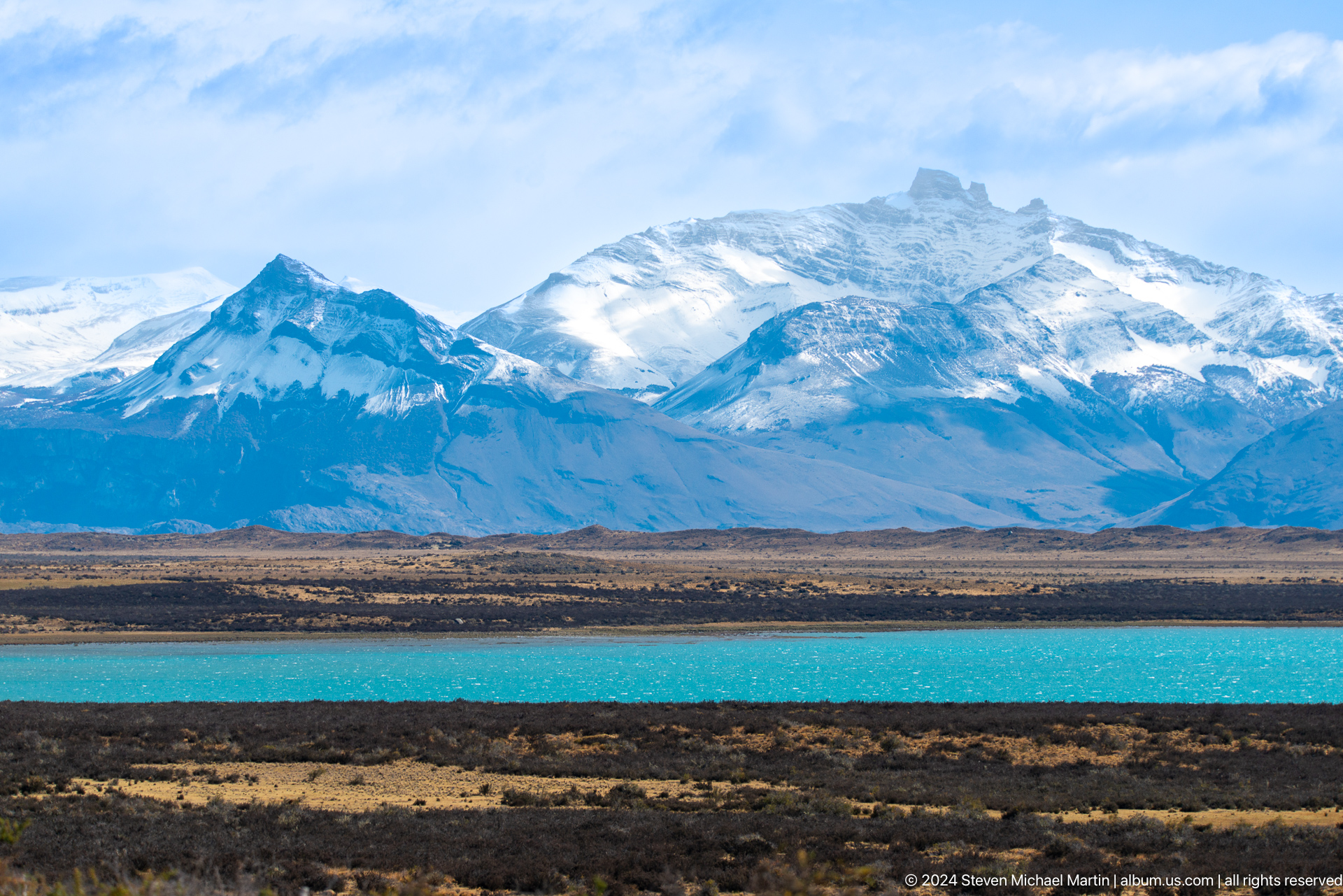
- Glacial Lakes: Turquoise waters formed by sediment from melting ice.
- Active Landscape: Glaciers are constantly moving, advancing, and breaking apart.
- UNESCO World Heritage Site: Recognized for its exceptional natural beauty and geological importance.
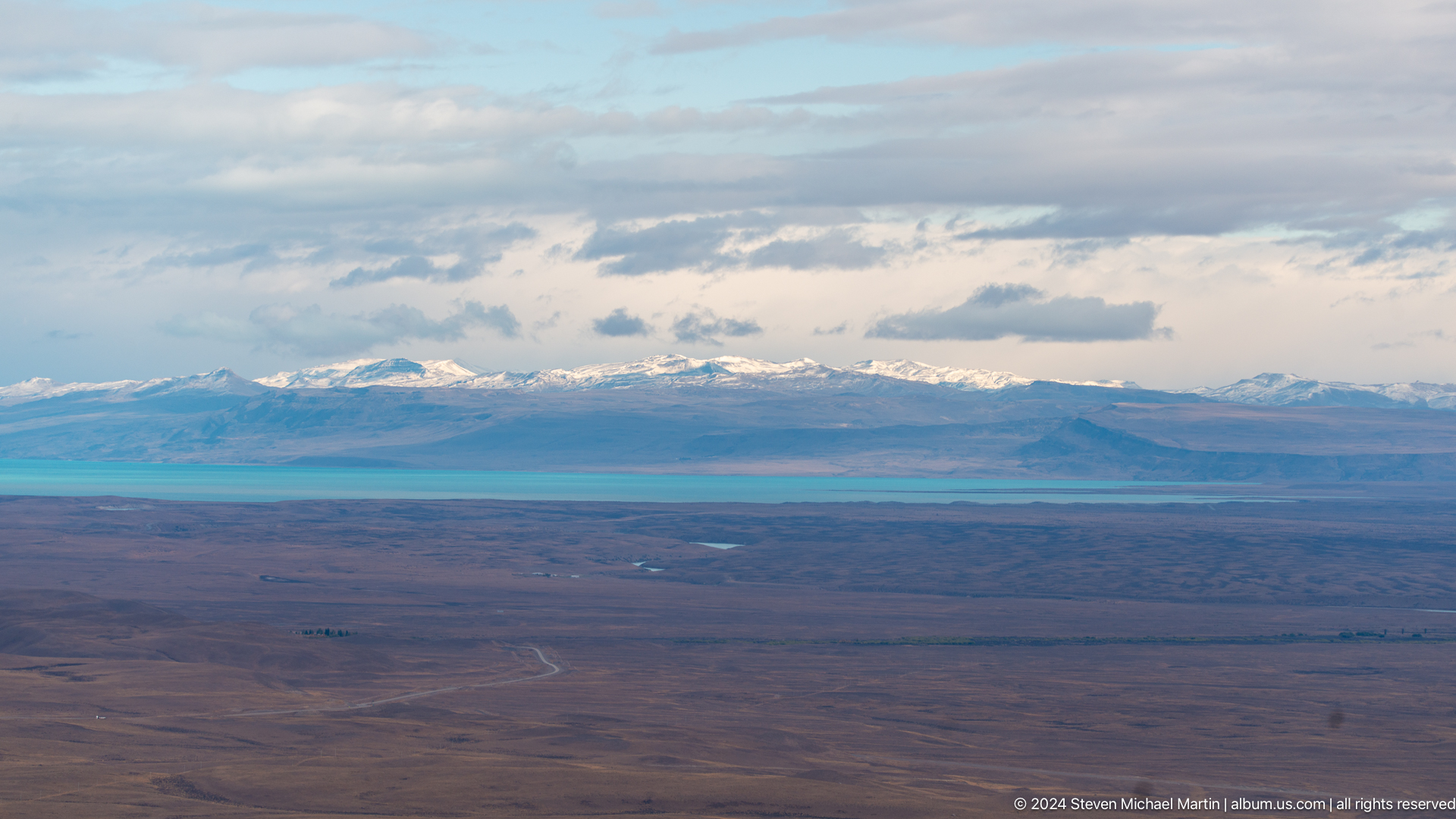
- Immense Scale: Vast open landscapes shaped by ice, mountains, and water.
🧊 Los Glaciares Field Guide
Primary features observed during this visit:
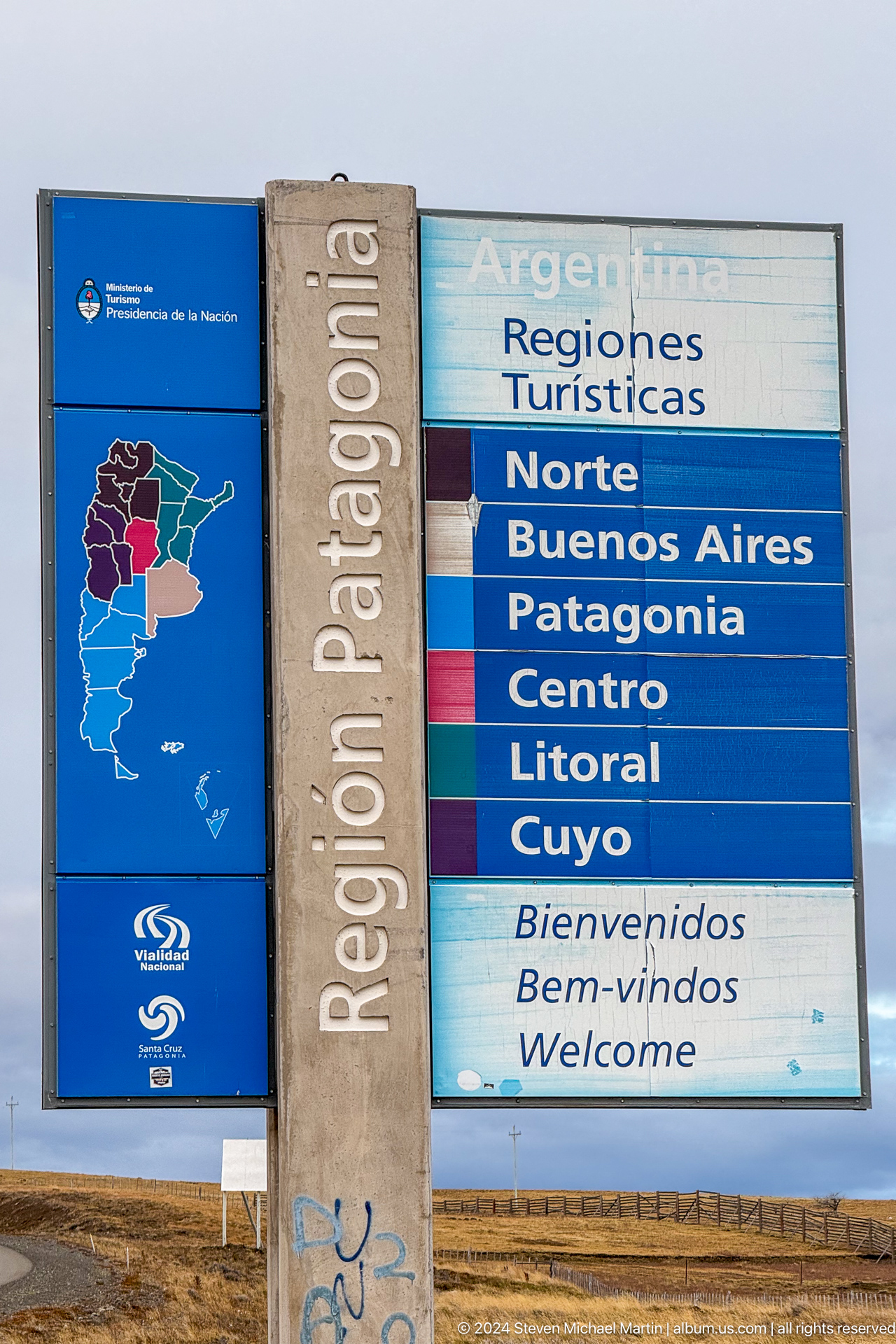
Parque Nacional Los Glaciares is one of the most dramatic natural landscapes in Patagonia, defined by vast ice fields, towering mountains, and expansive glacial lakes. The park protects a portion of the Southern Patagonian Ice Field, where massive glaciers descend from the Andes and flow toward large freshwater lakes.
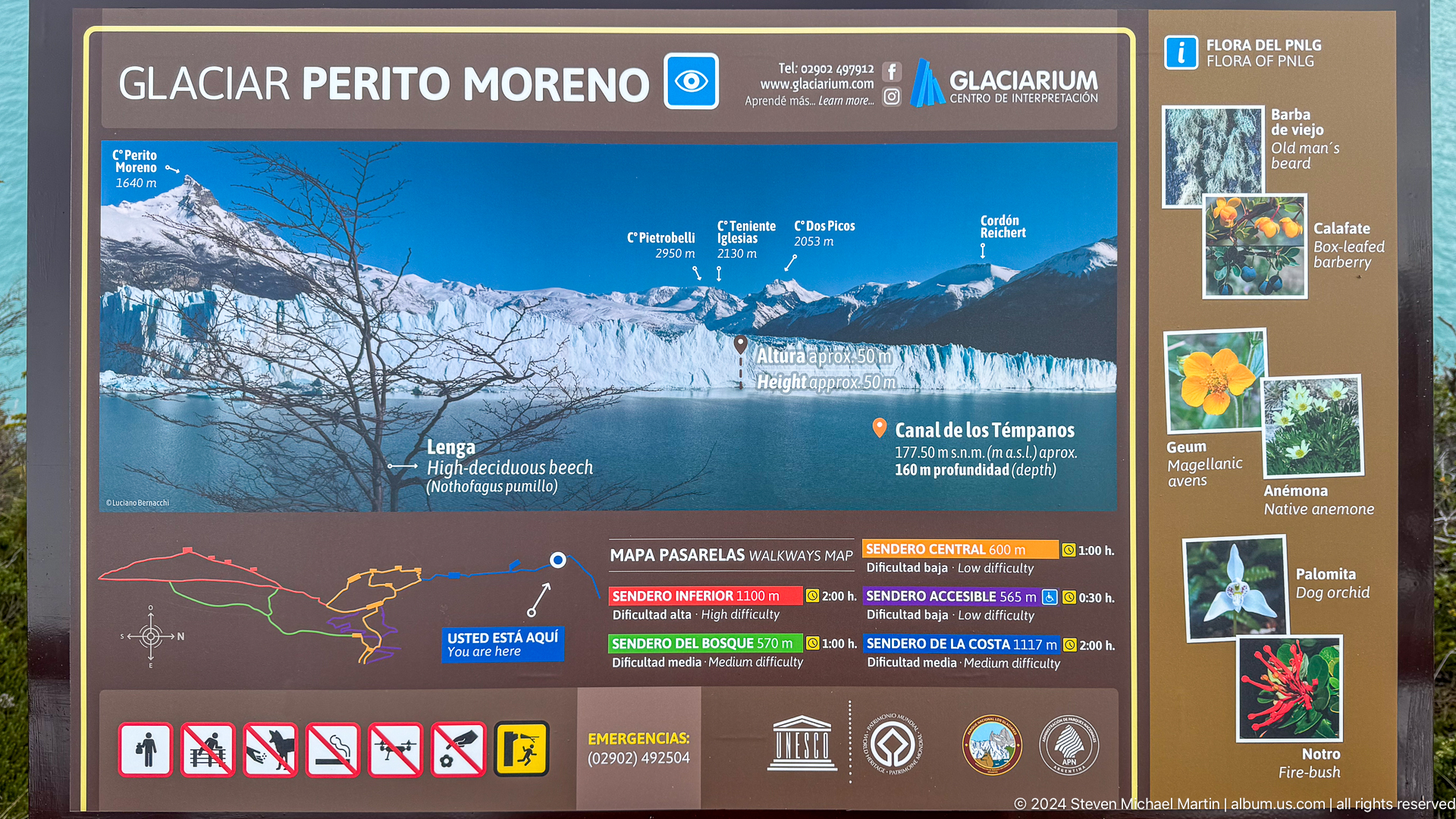
The most famous of these is the Perito Moreno Glacier, which extends into Lake Argentino. Unlike many glaciers around the world, it is known for its dynamic behavior, regularly shedding large blocks of ice into the water in powerful and unpredictable calving events.
🏛️ Signature Features
- Perito Moreno Glacier – A massive wall of ice extending into the lake.
- Ice Calving – Large sections of ice break off and crash into the water.
- Glacial Front – The visible edge of the glacier, rising high above the lake surface.
- Lake Argentino – A vast glacial lake with striking turquoise coloration.
- Icebergs – Floating fragments of ice drifting away from the glacier.
🧠 Geological Significance
- Ice Field Origin – Glaciers are fed by the Southern Patagonian Ice Field.
- Glacial Movement – Ice slowly flows downhill under its own weight.
- Erosion and Formation – Glaciers shape valleys, lakes, and surrounding terrain.
- Active Processes – The landscape is constantly changing due to melting and movement.
🌄 Landscape & Experience
- Sound and Motion – The cracking and collapse of ice creates a dynamic environment.
- Cold, Windy Conditions – Weather is shaped by ice and mountain systems.
- Wide Open Views – The scale of the glacier and lake dominates the scene.
- Elemental Environment – Ice, water, and rock define the experience.