Rapa Nui (Easter Island) – Chile
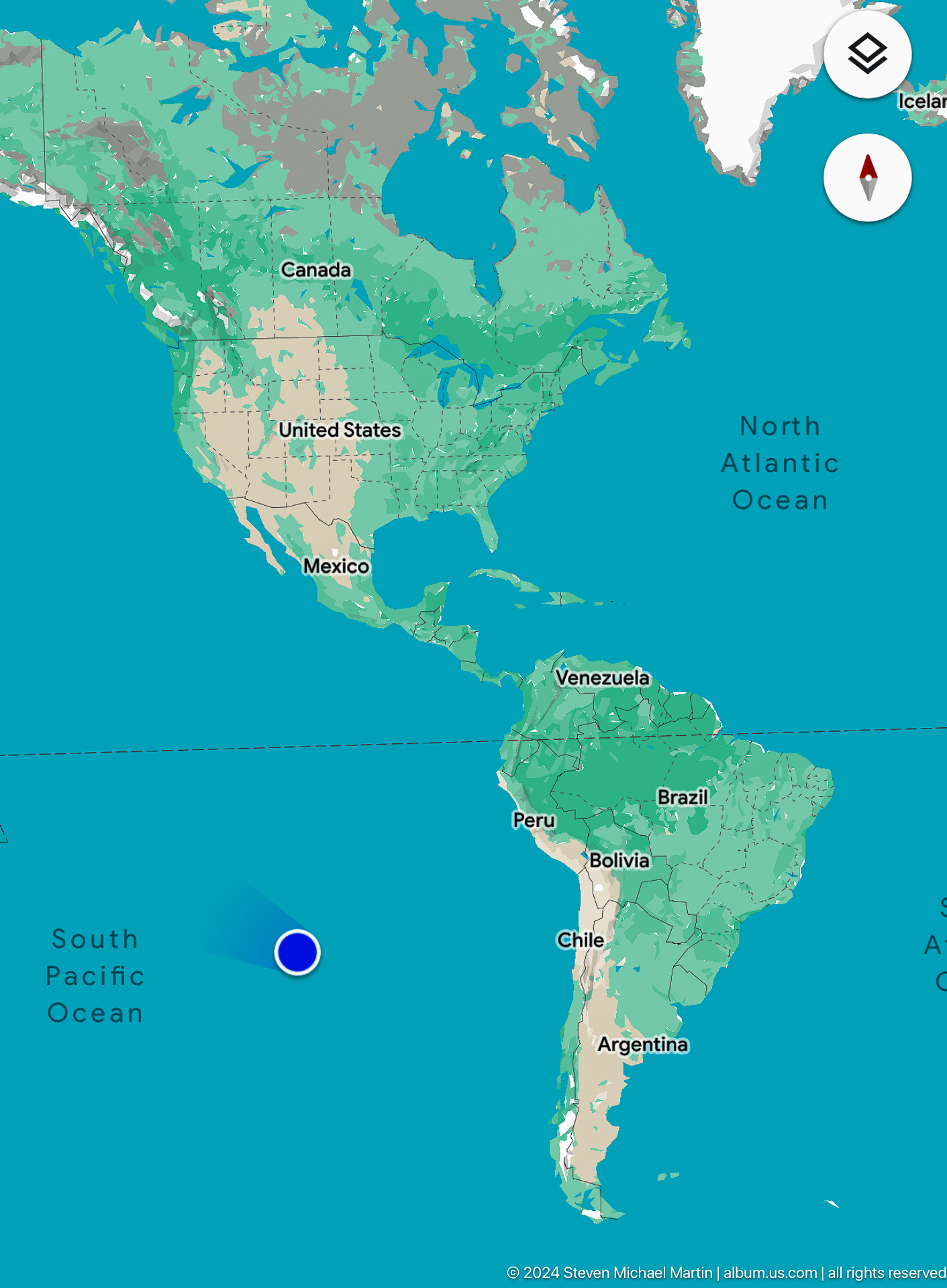
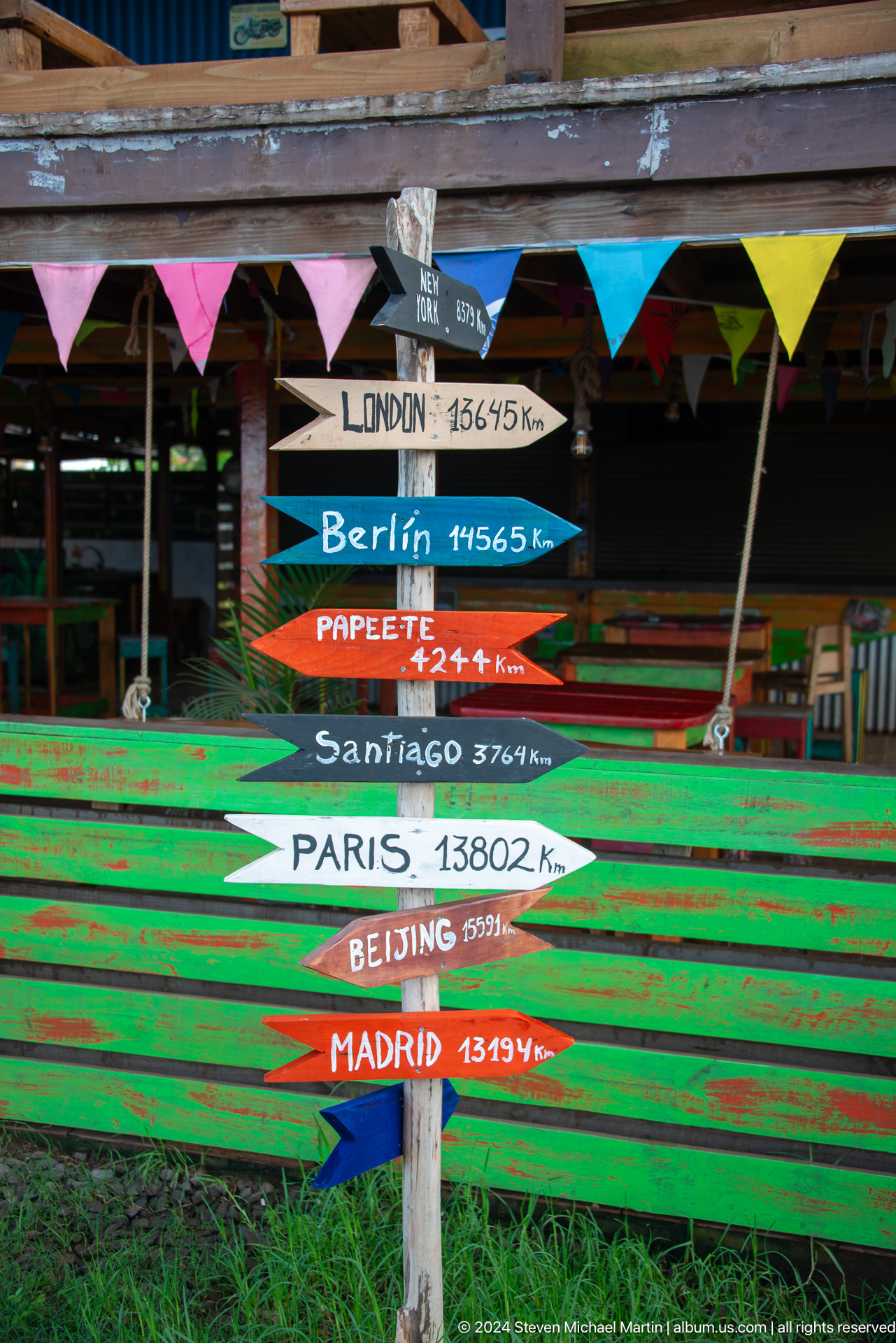
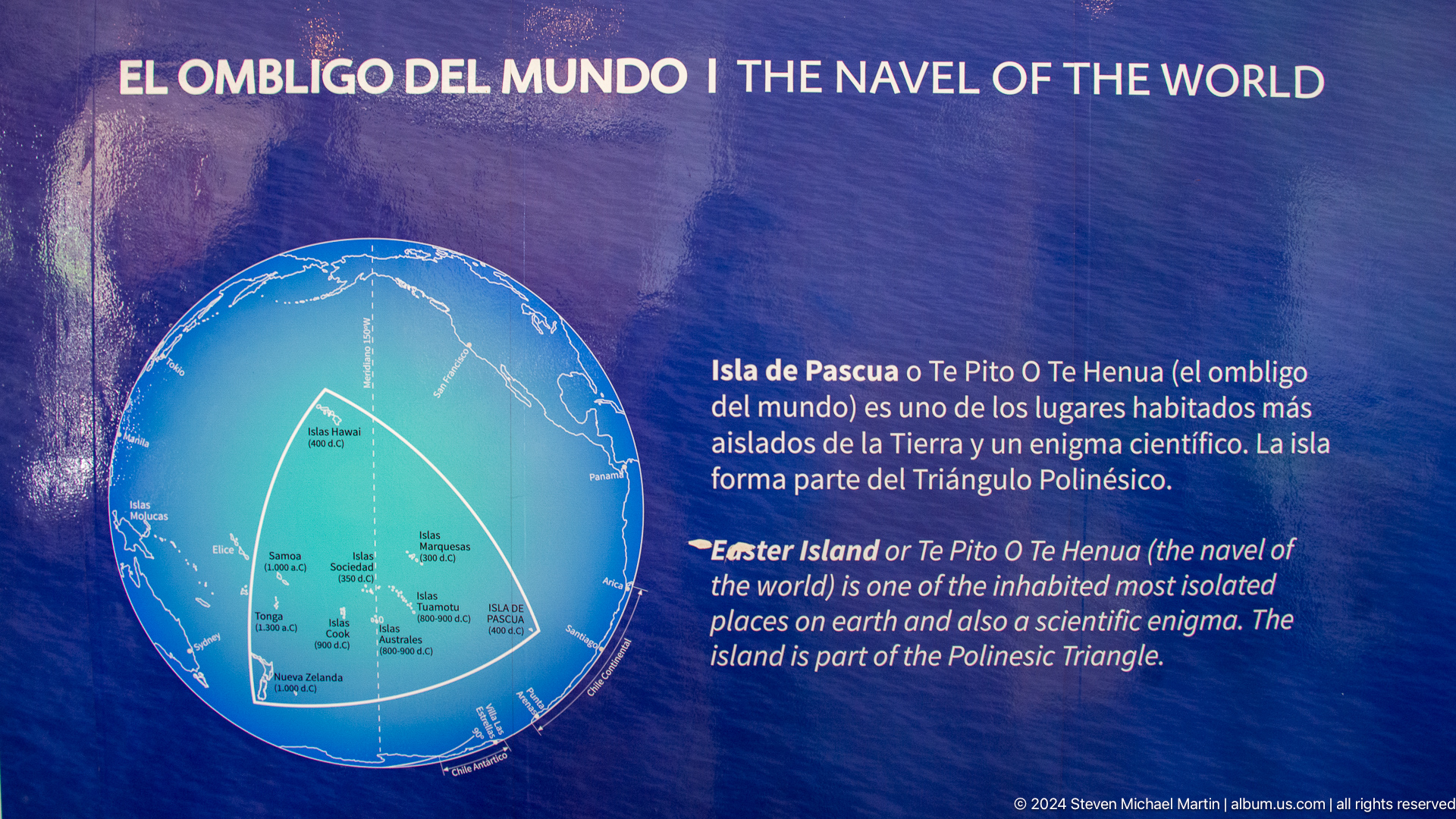
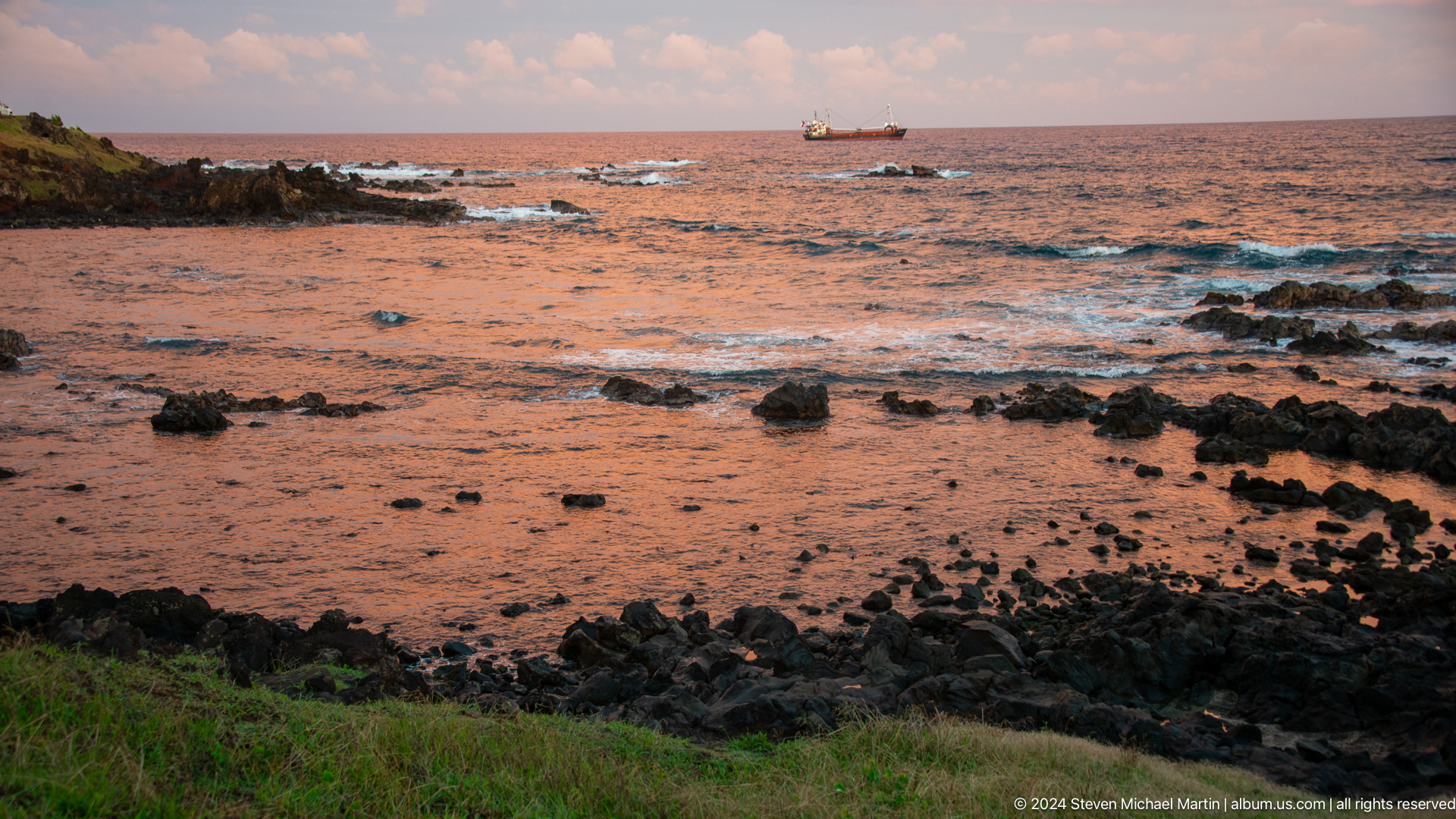
The remote island of Rapa Nui, commonly known as Easter Island, lies in the southeastern Pacific Ocean more than 3,500 kilometers west of mainland Chile. It is one of the most isolated inhabited islands in the world.
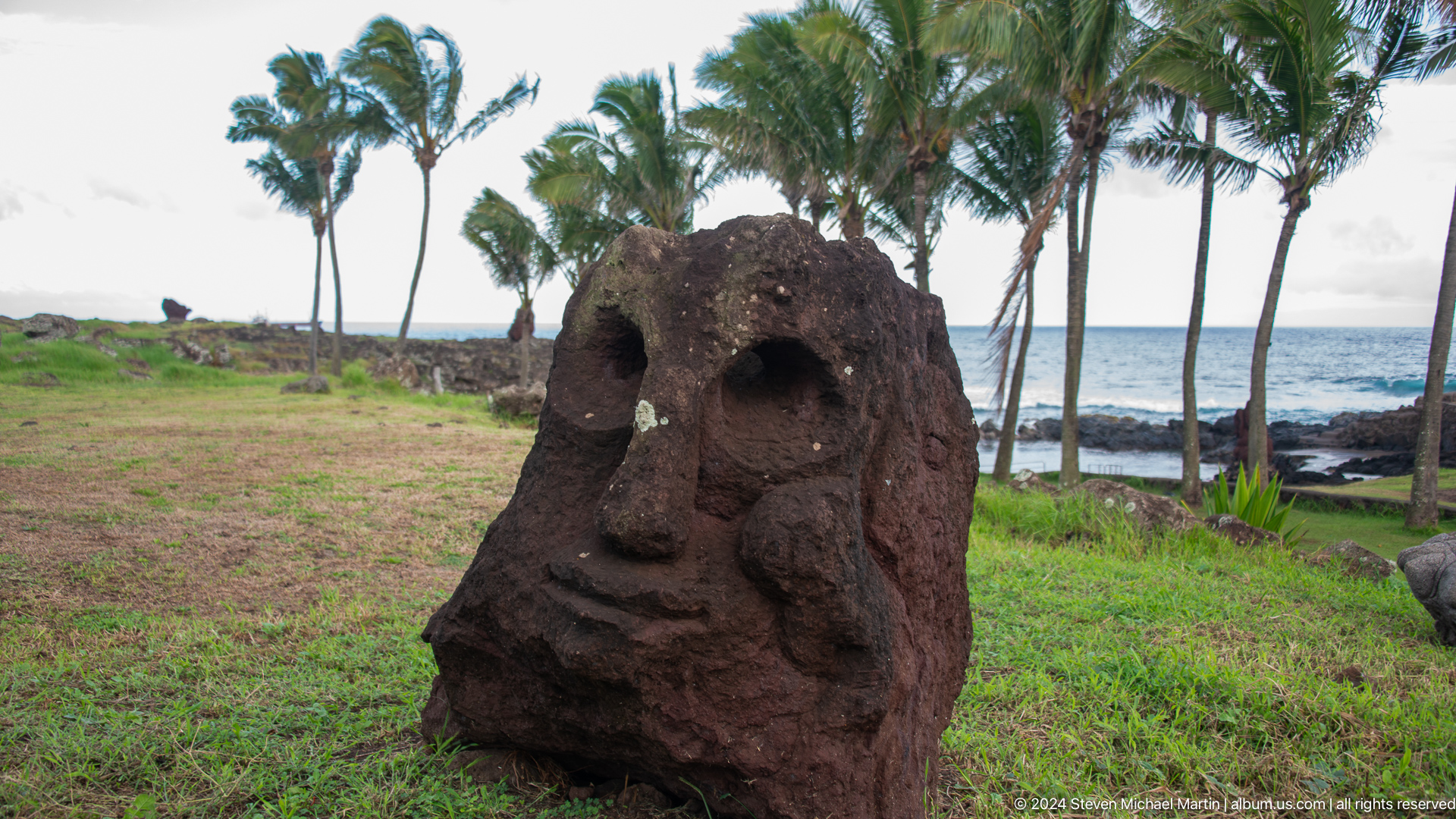
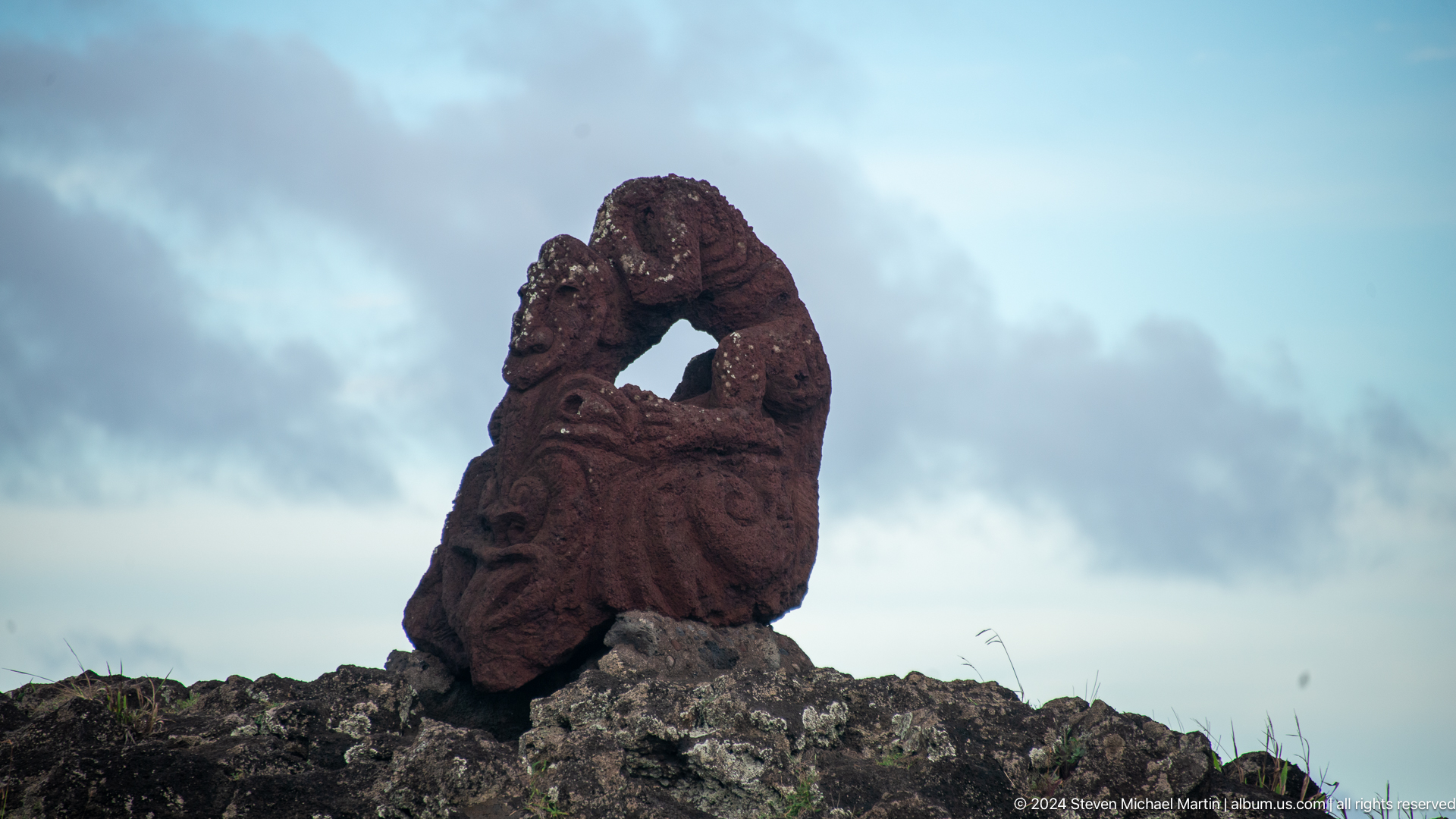
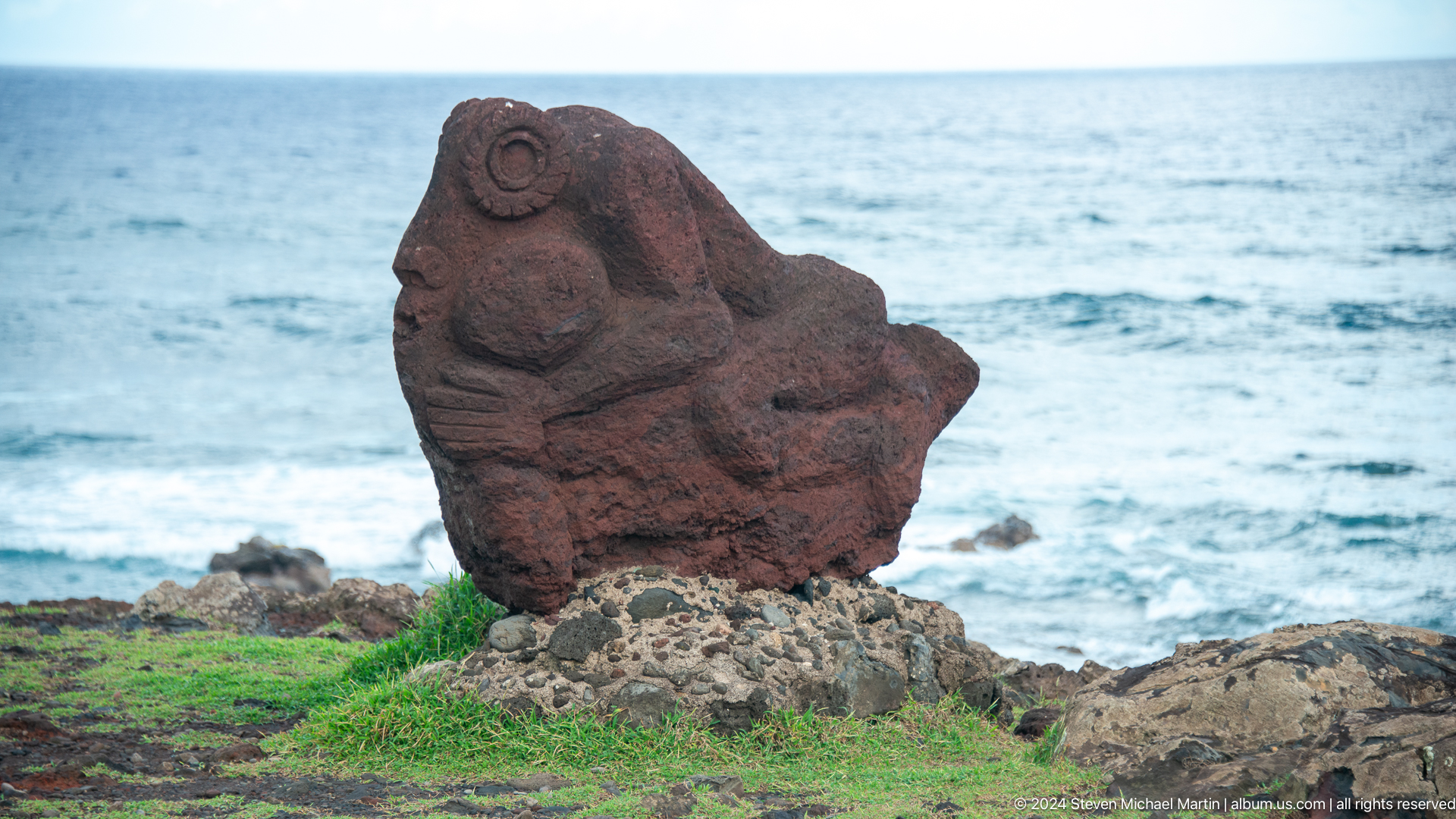
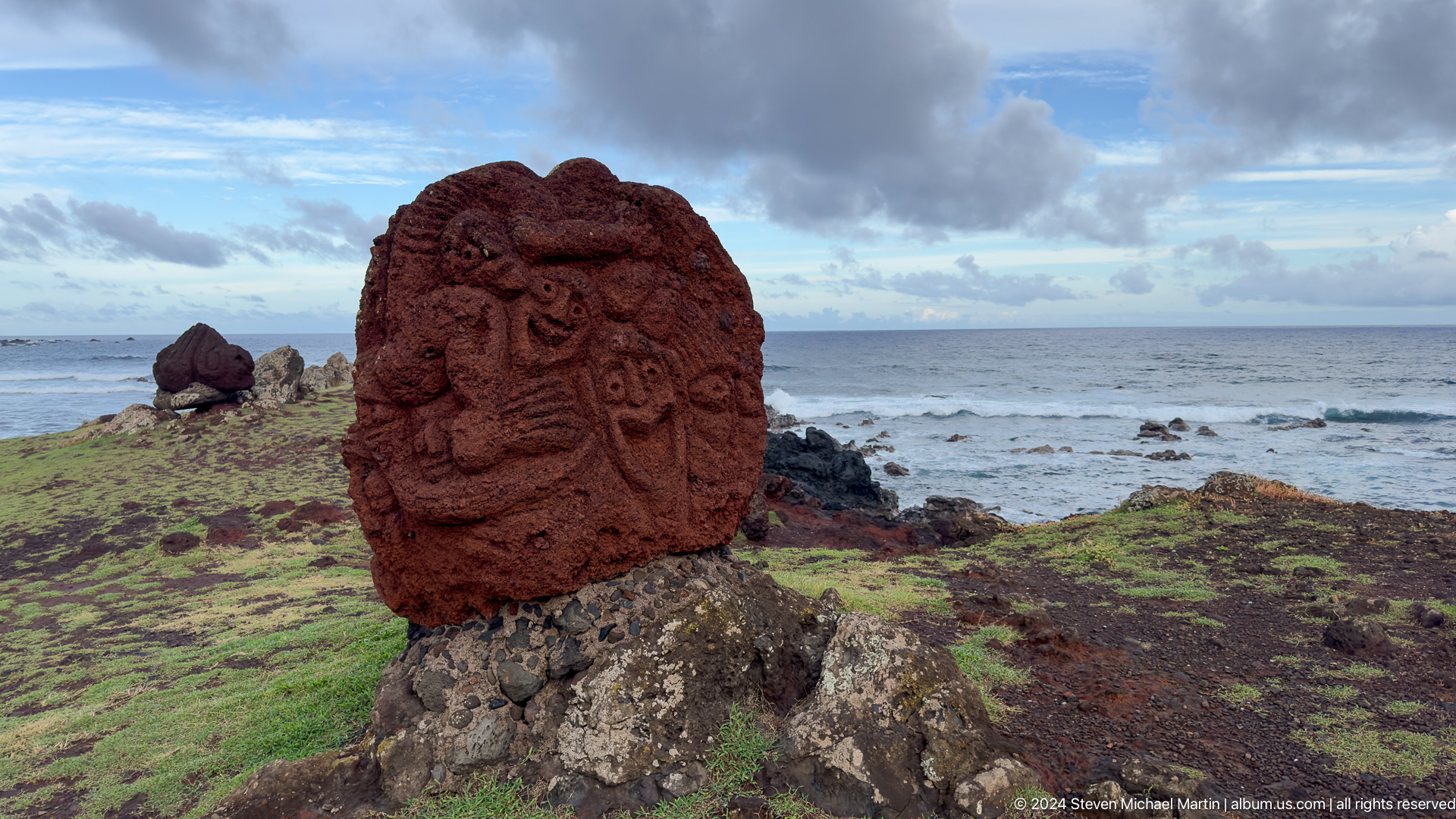
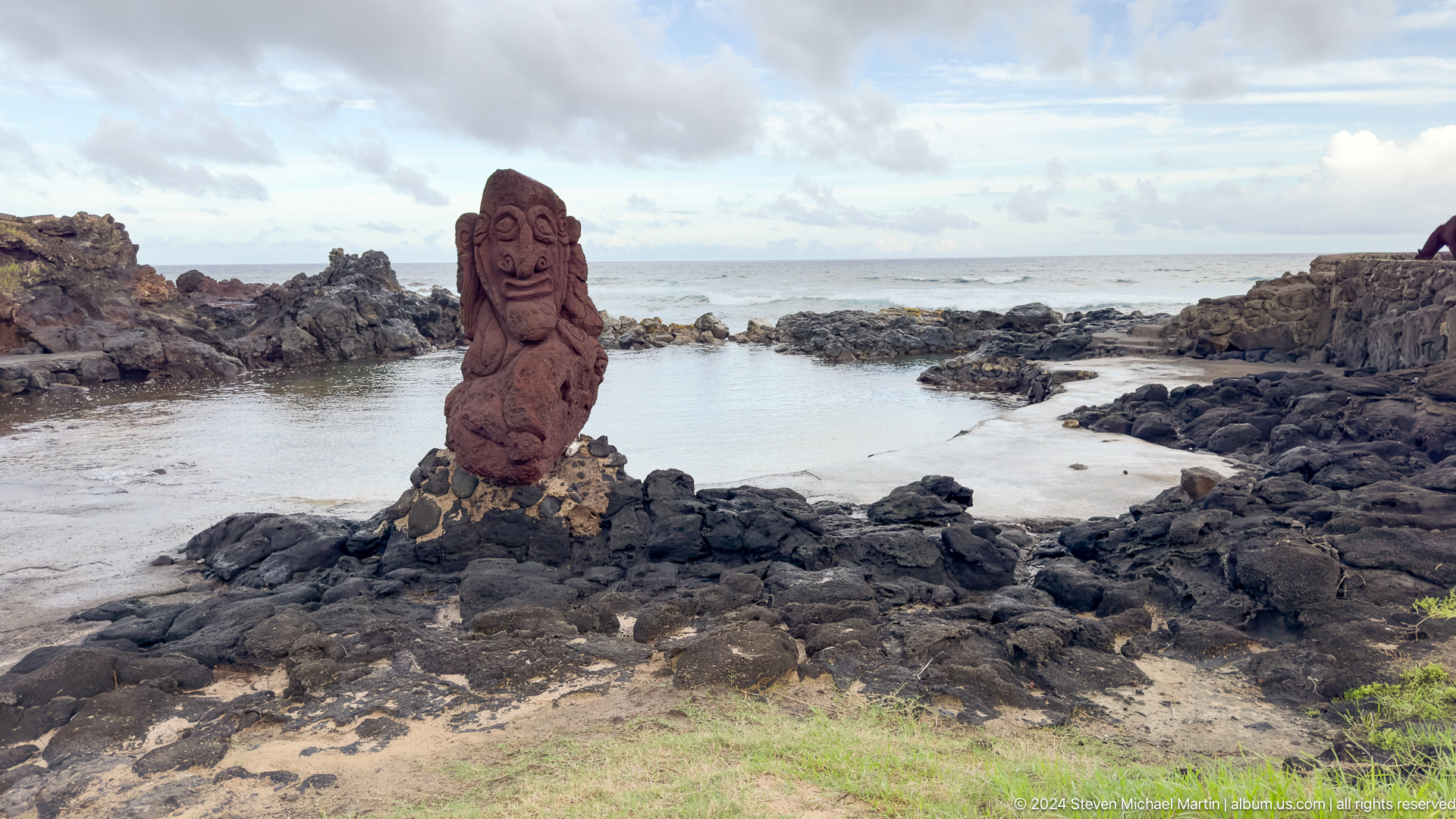
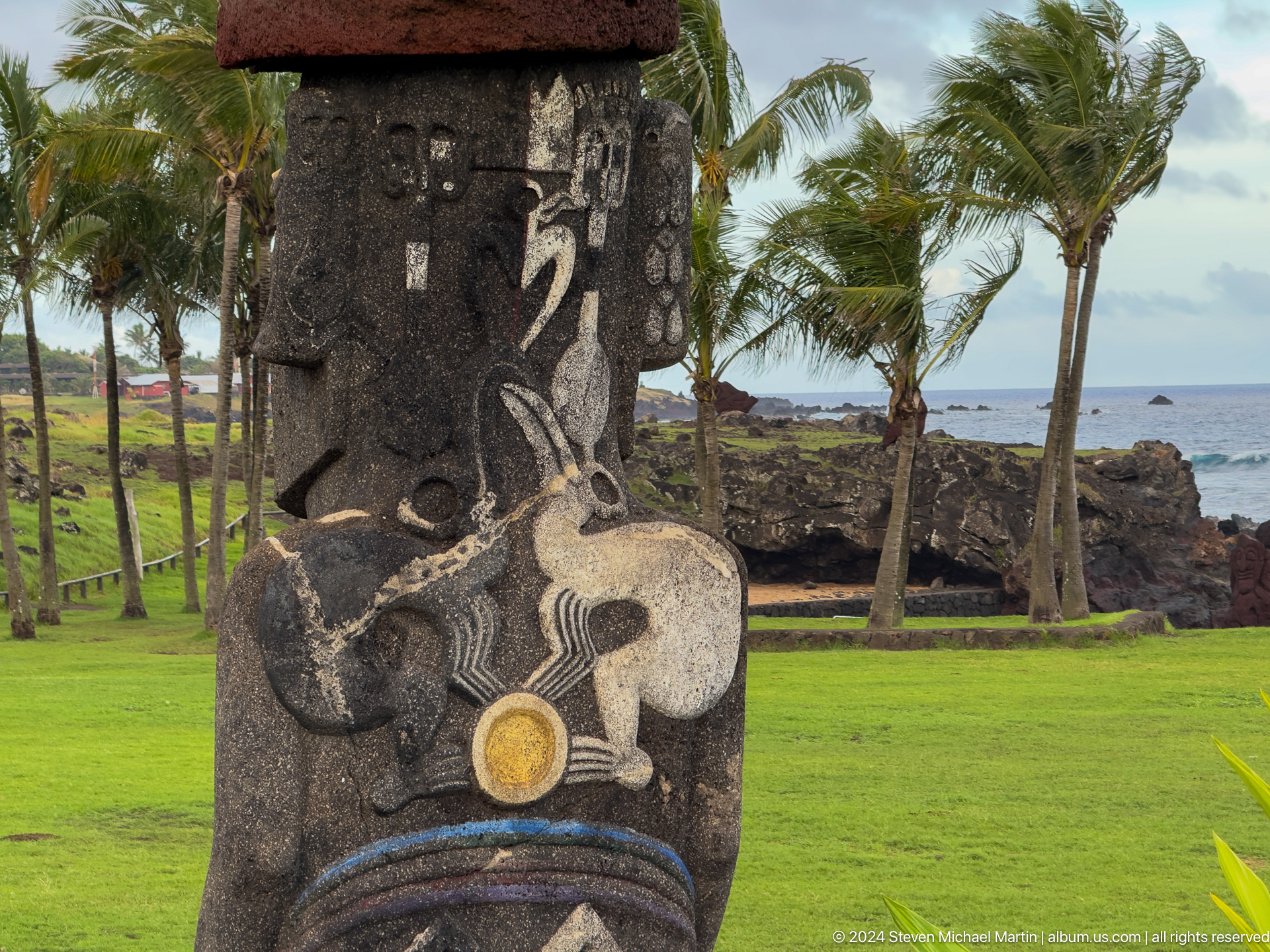
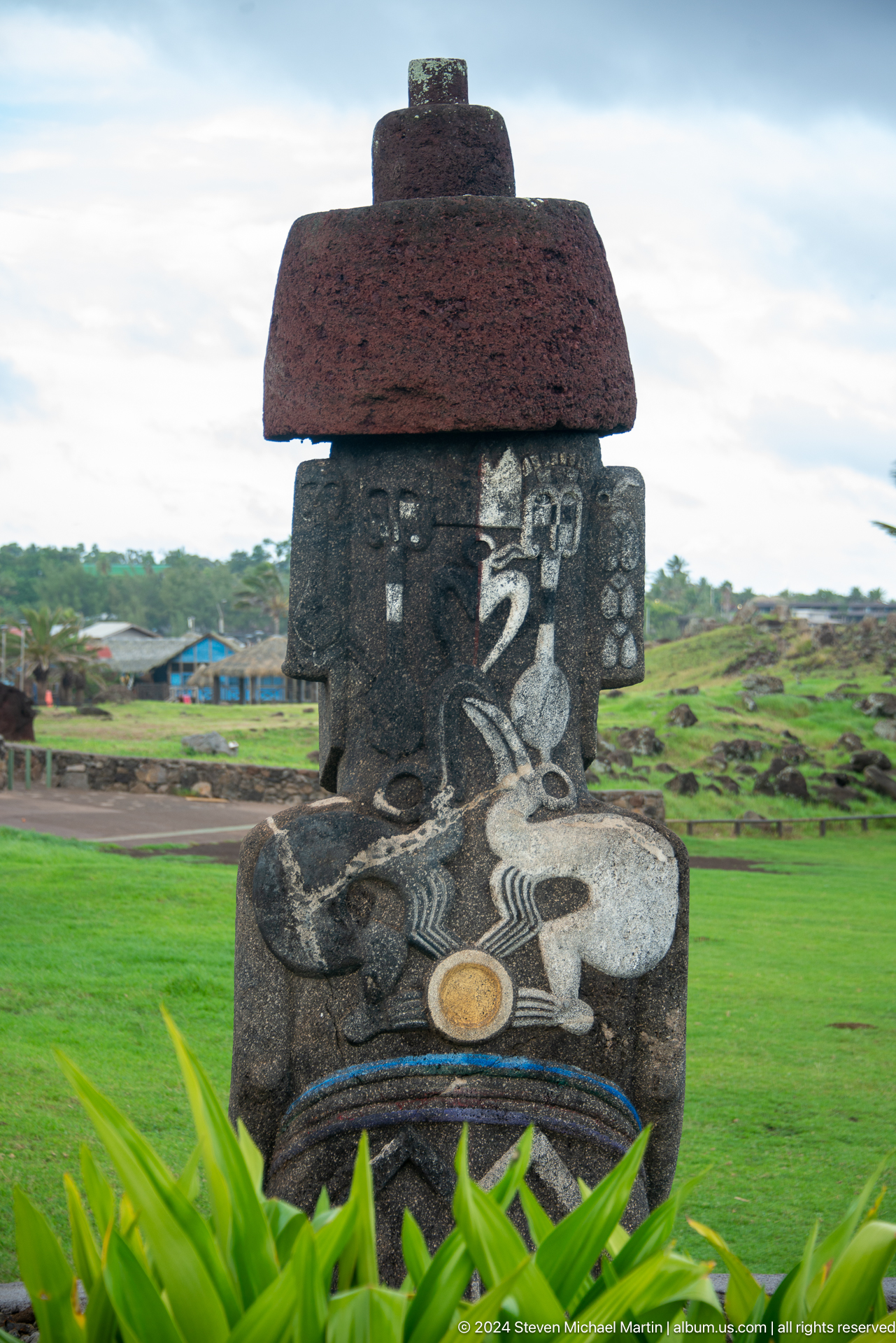
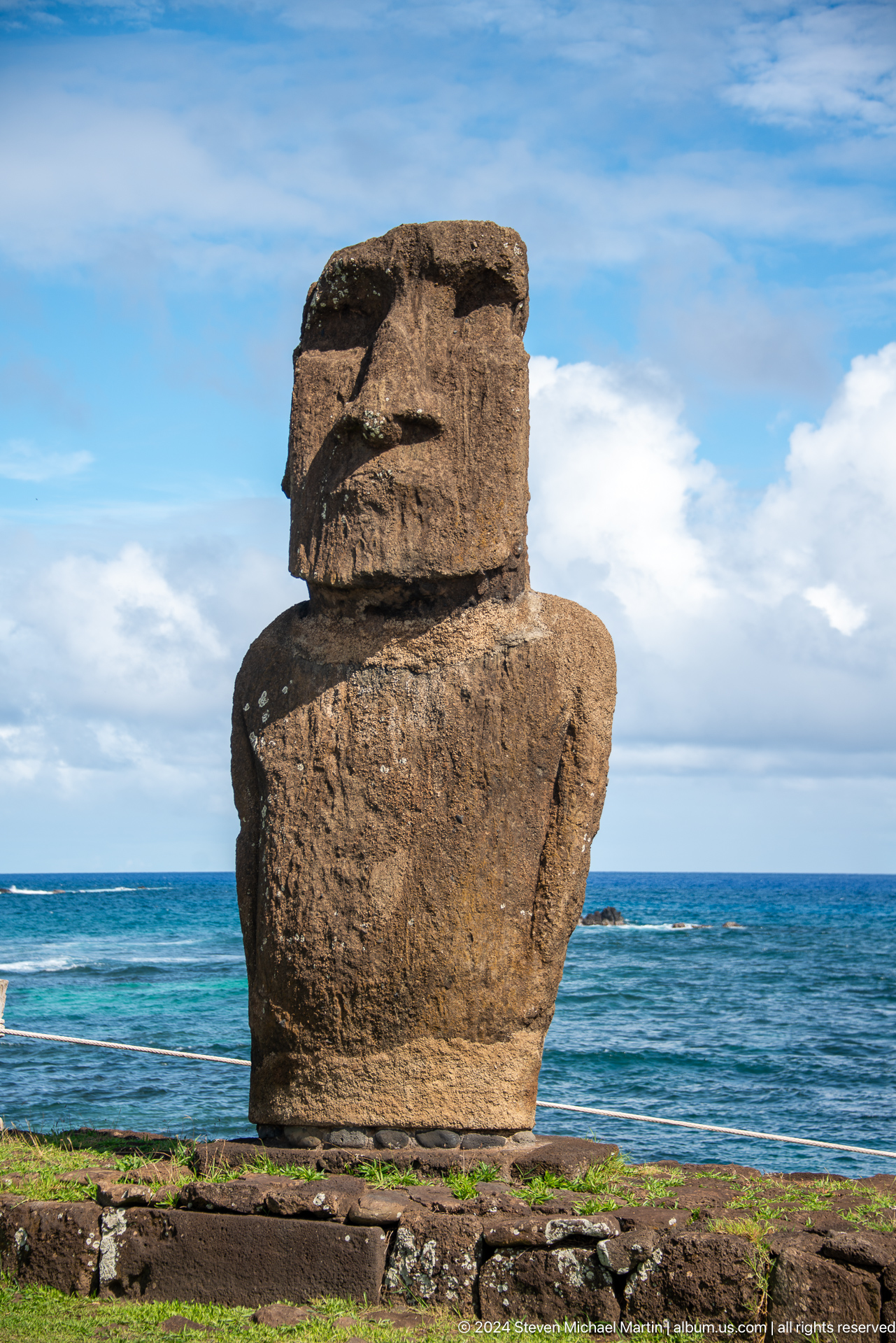
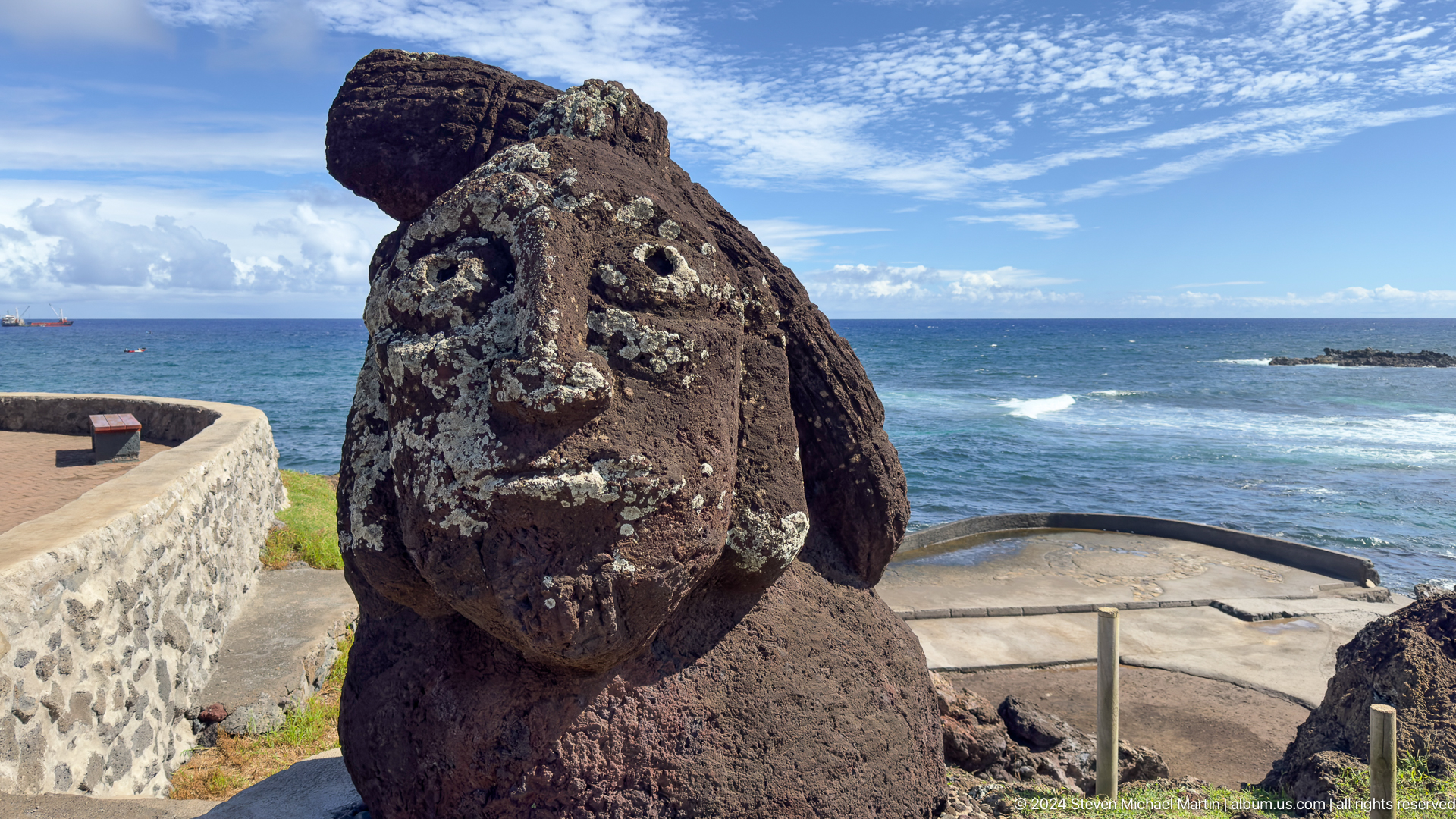
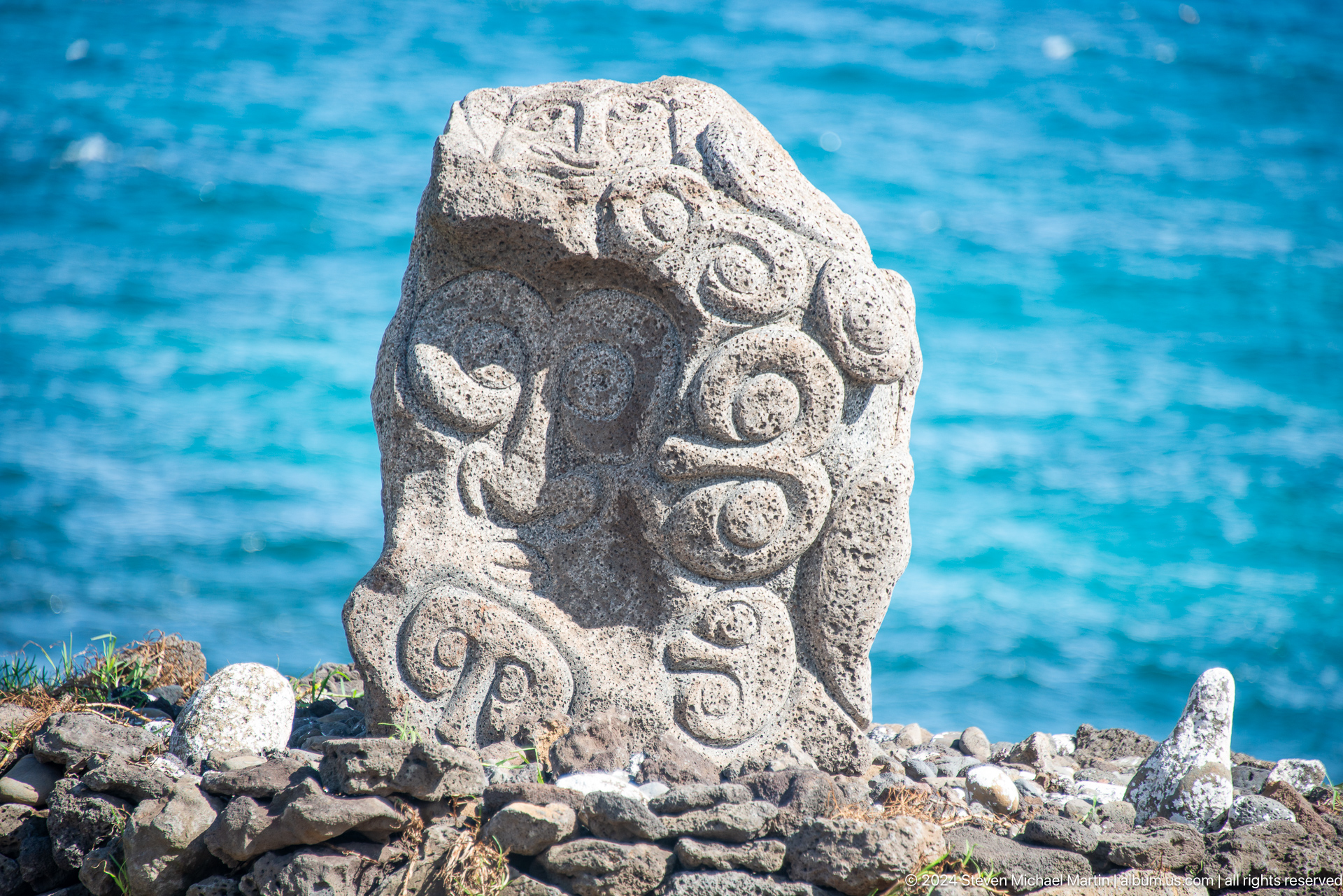
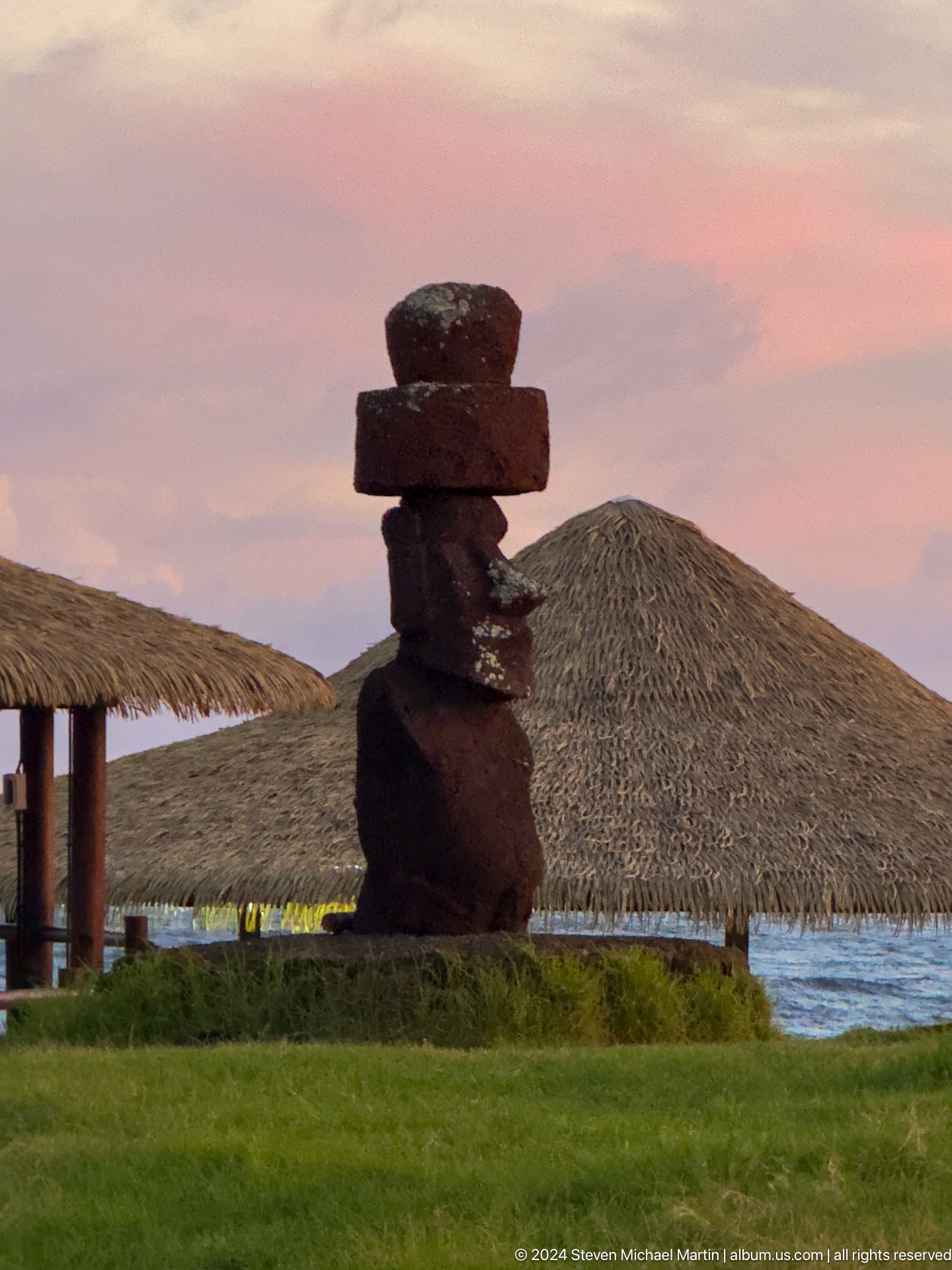
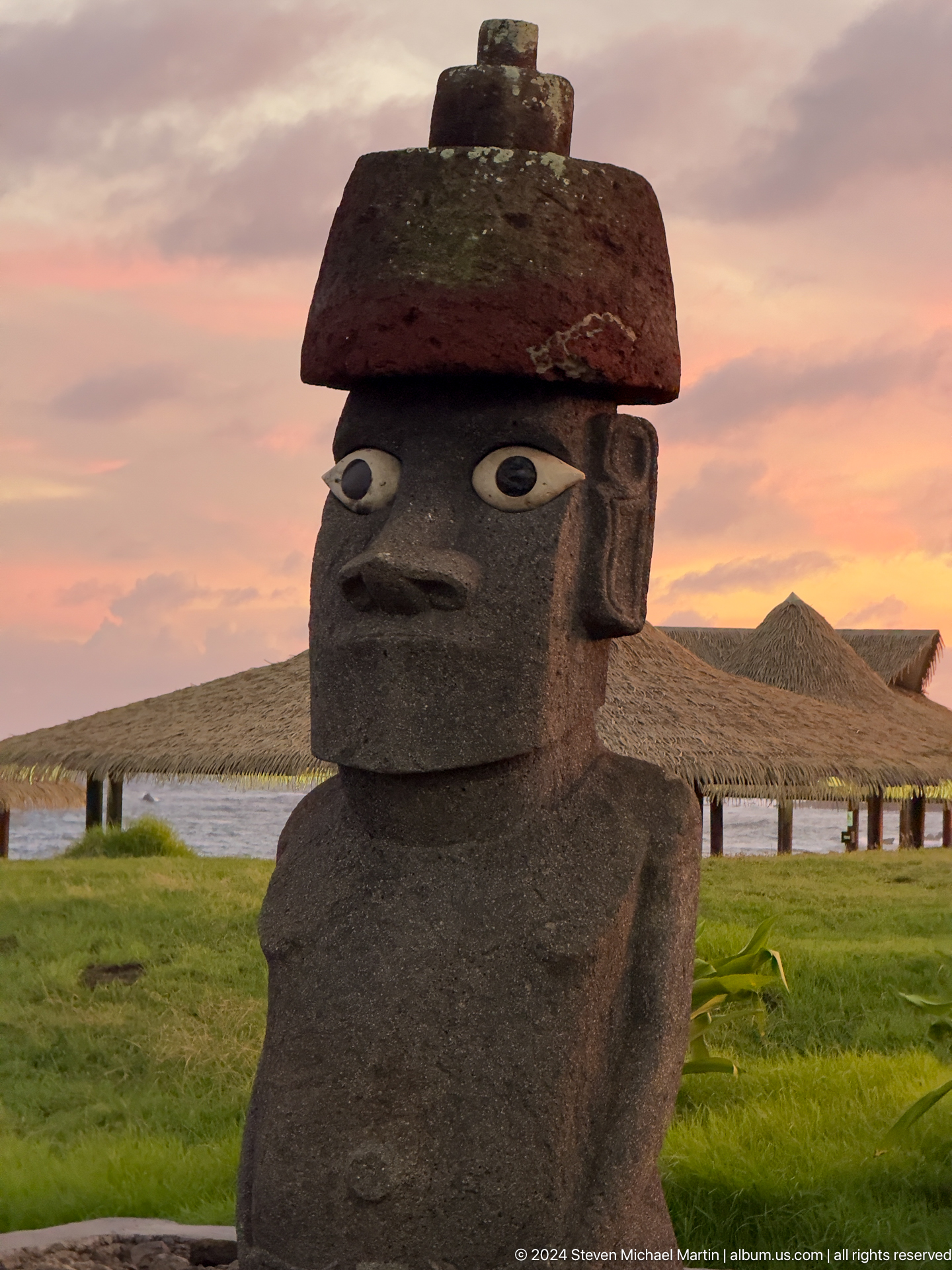
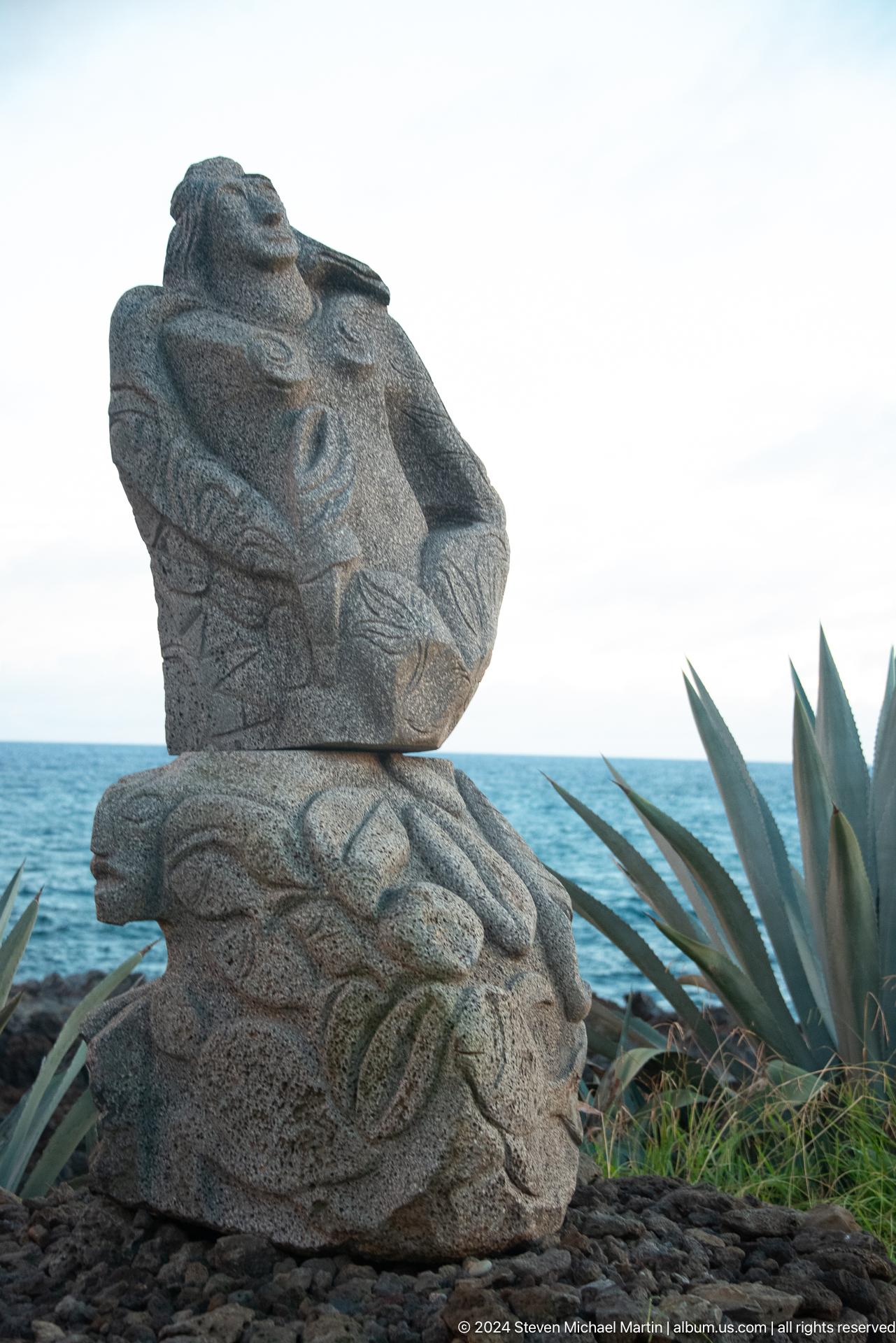
The island is famous for its monumental moai statues, carved by the Rapa Nui people between the 13th and 16th centuries. These massive stone figures were erected on ceremonial platforms known as ahu, many of which still stand along the island’s coastline.
Today the island and its archaeological sites are protected within Rapa Nui National Park, preserving one of the most fascinating cultural landscapes in the Pacific.

















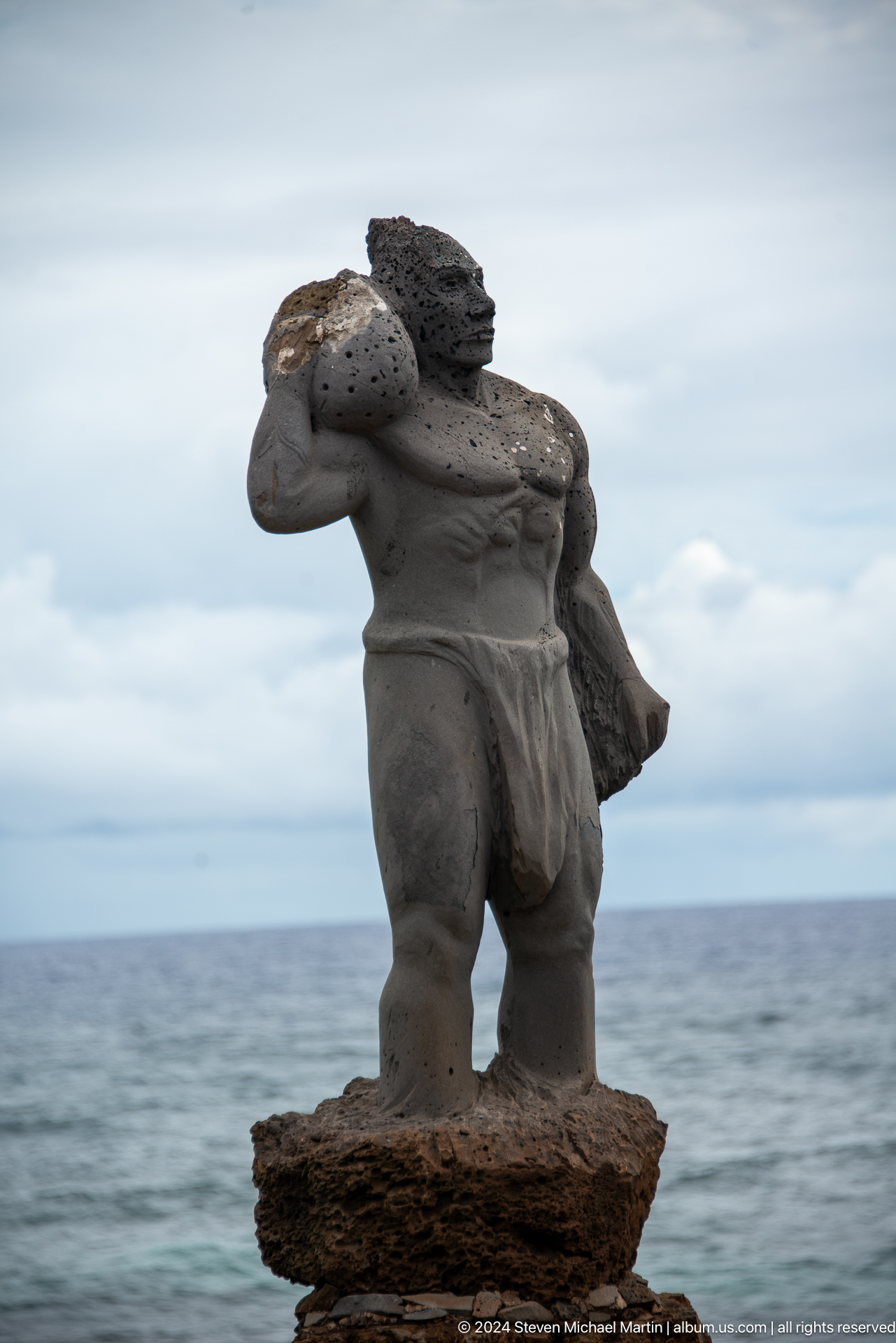
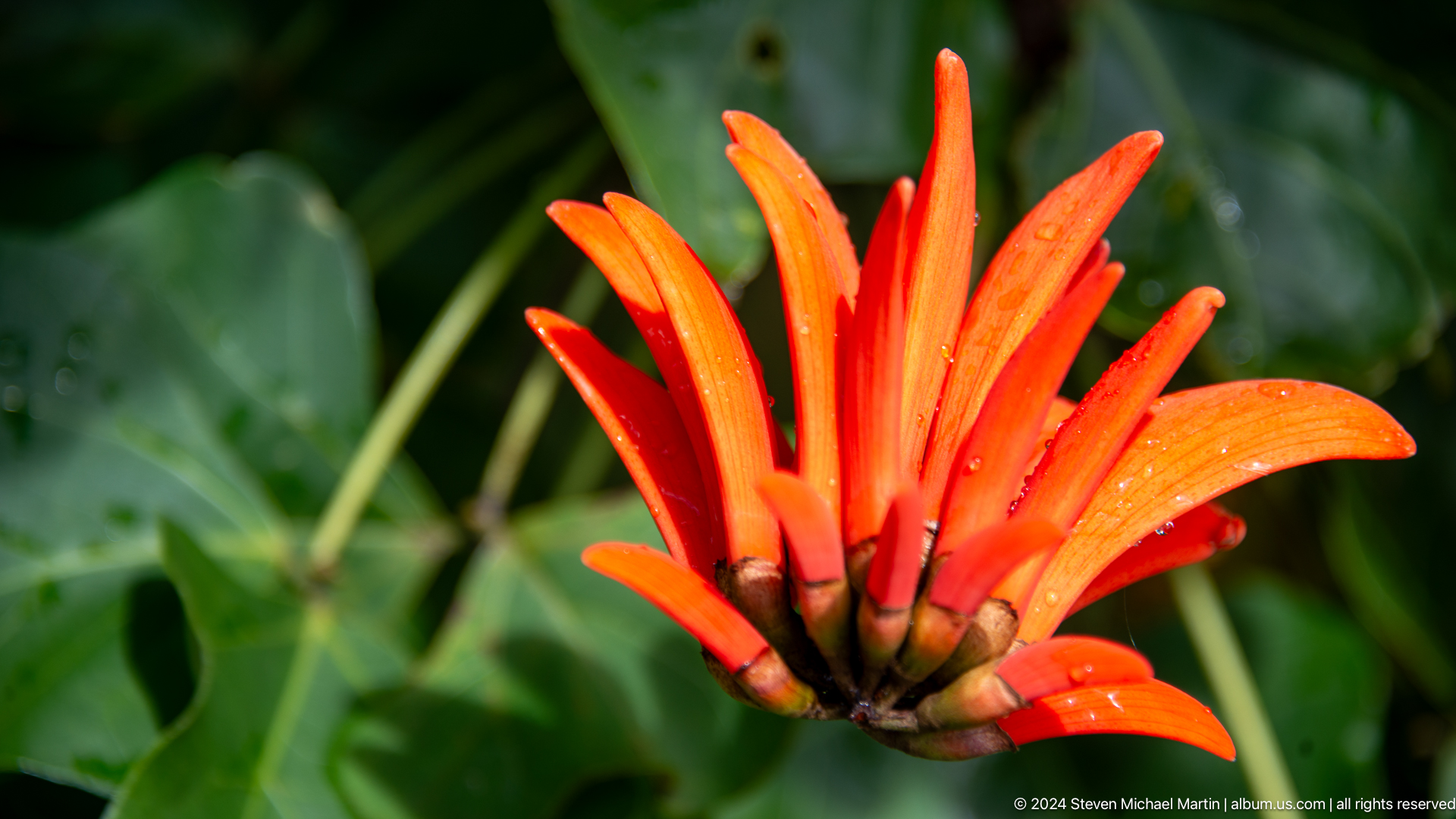
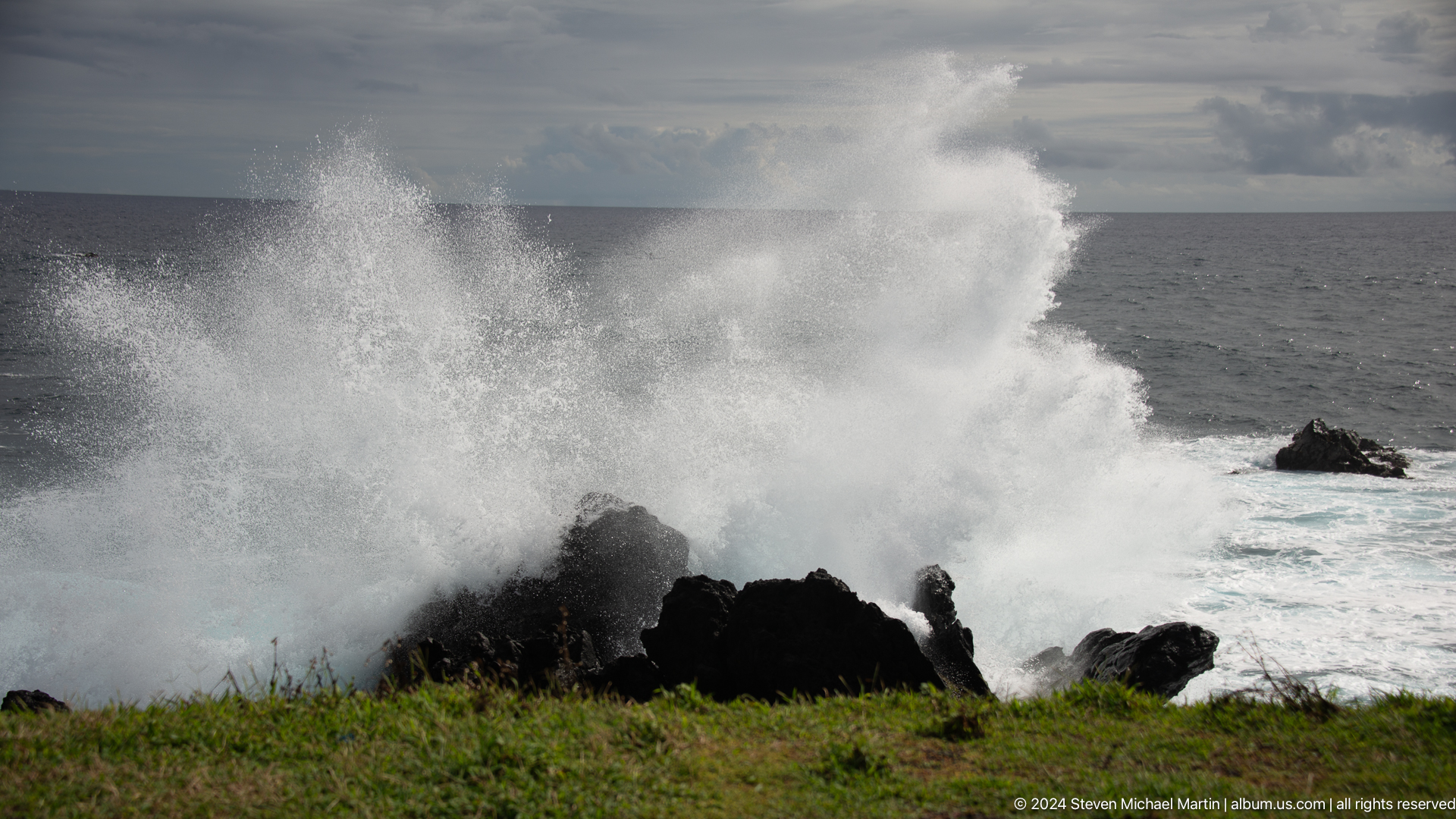
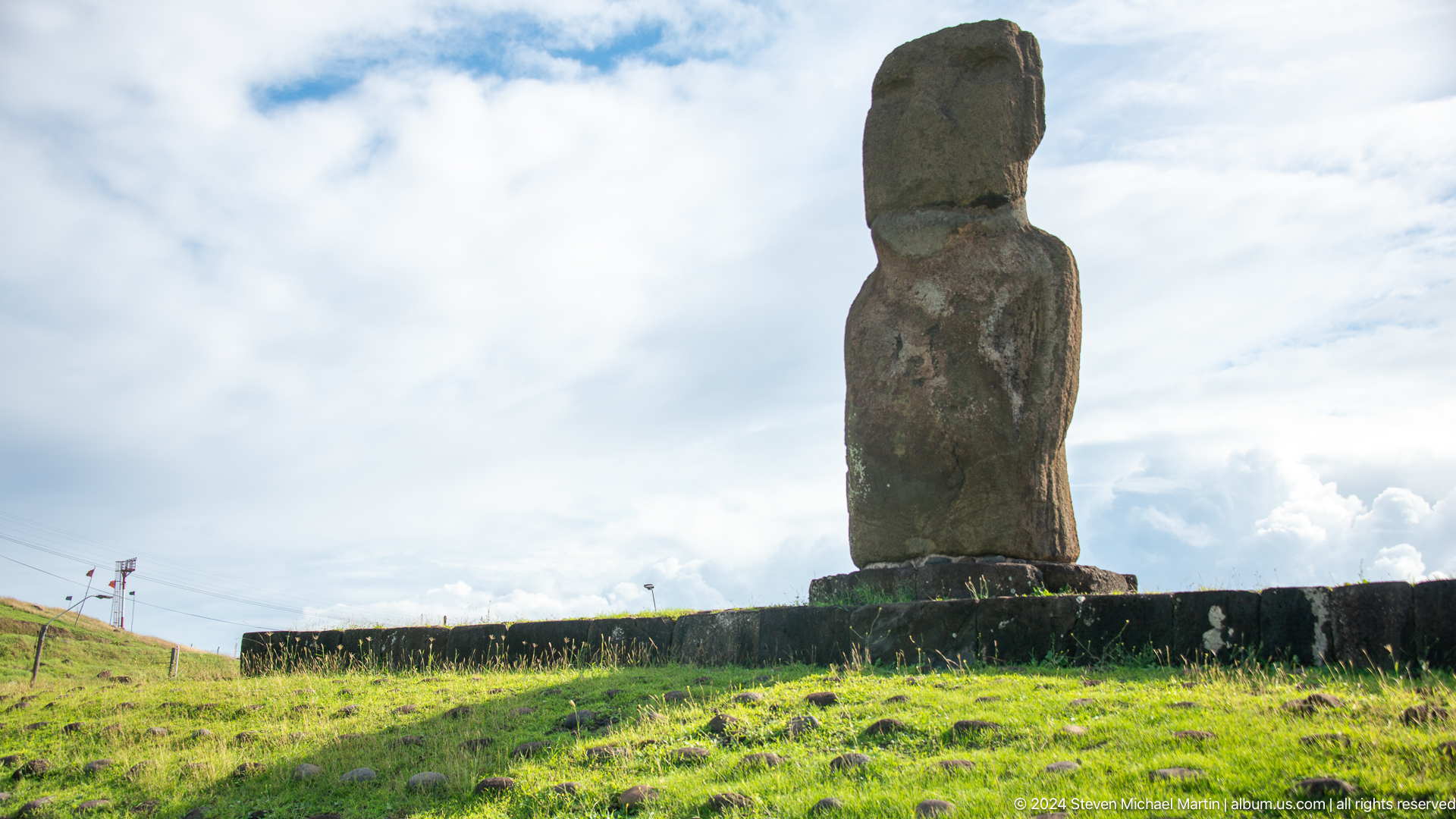









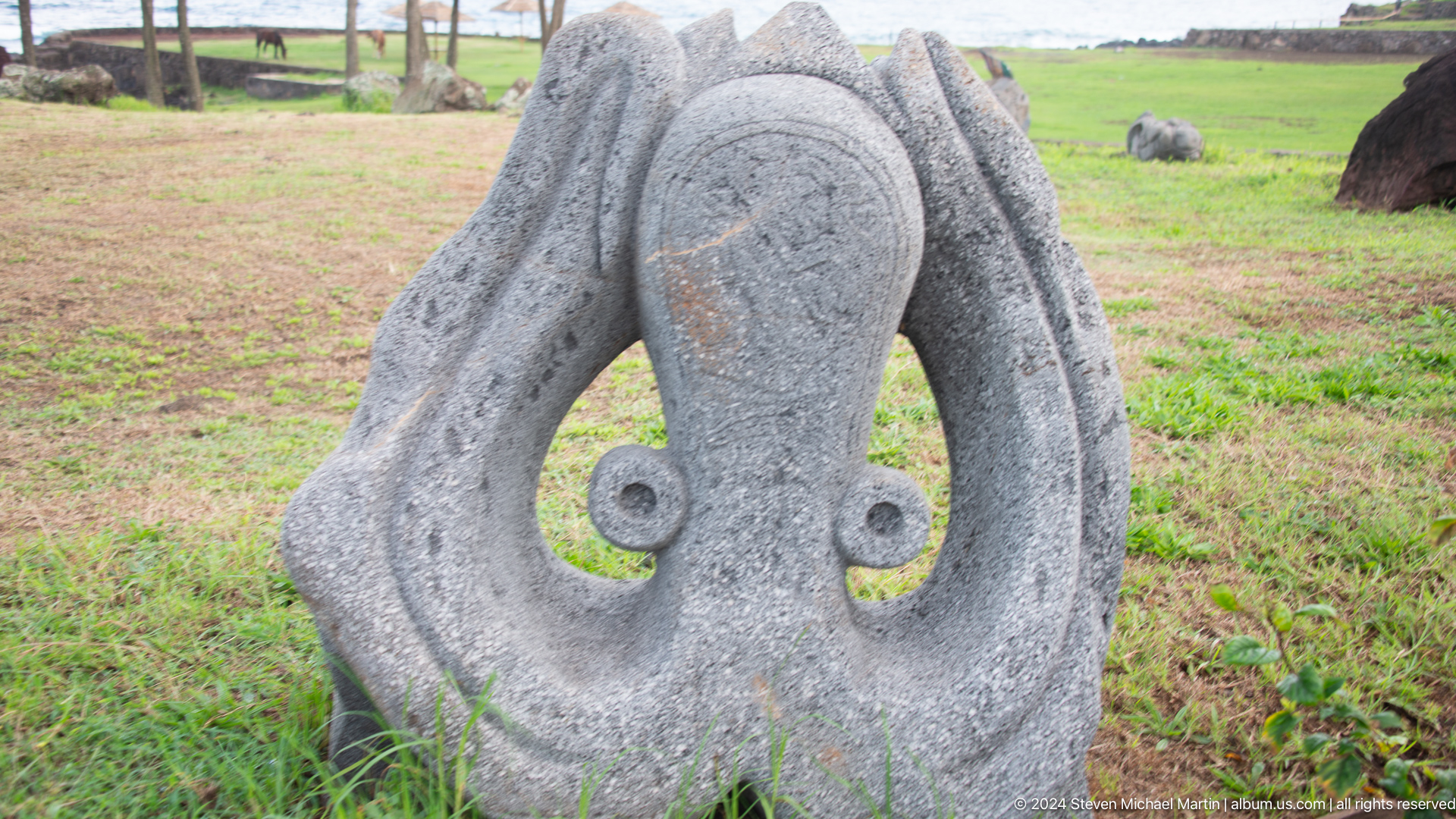
⭐ Highlights
- Moai Statues: Nearly 1,000 monumental stone figures created by the Rapa Nui people.
- Remote Island Setting: One of the most isolated inhabited places in the world.
- Rano Raraku Quarry: The volcanic site where most moai were carved.
- Ahu Platforms: Ceremonial stone platforms where statues were erected.
- Rano Kau Crater: A massive volcanic crater with a freshwater lake.
- UNESCO World Heritage Site: Recognized for its unique cultural landscape.
🗿 Rapa Nui Field Guide
Major features observed during this visit:
Rapa Nui, commonly known as Easter Island, is one of the most remote inhabited islands in the world, located in the southeastern Pacific Ocean. Settled by Polynesian people centuries ago, the island developed a unique and highly sophisticated culture, expressed most famously through its monumental stone statues known as moai.
Between approximately 1000 and 1600 AD, the Rapa Nui people carved and erected hundreds of these statues, often placing them on ceremonial platforms called ahu. The statues are widely believed to represent important ancestors, symbolizing authority, protection, and lineage. Today, the island is preserved as a UNESCO World Heritage Site, where archaeological remains and natural landscapes combine into a singular cultural environment.
🏛️ Signature Landmarks
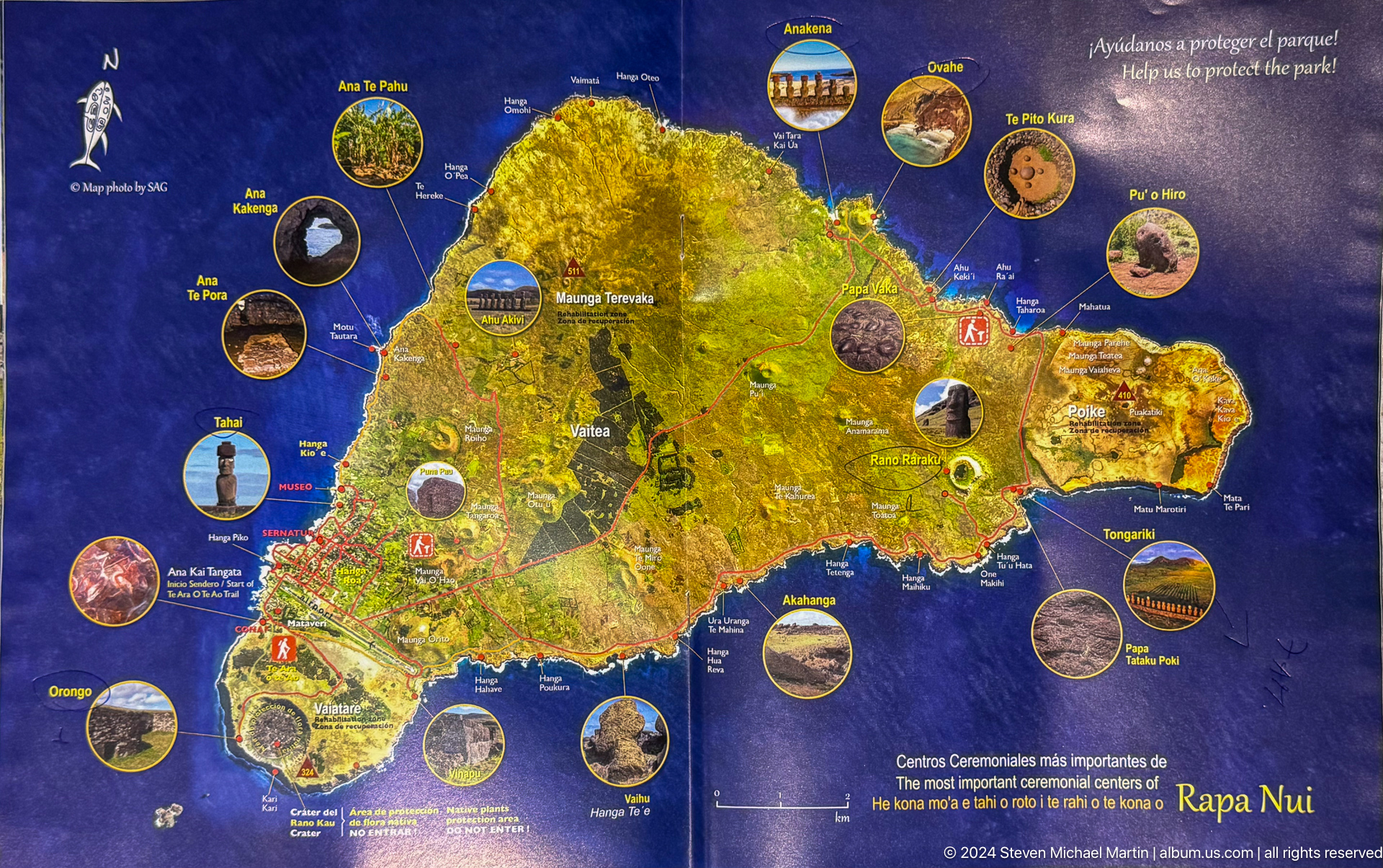
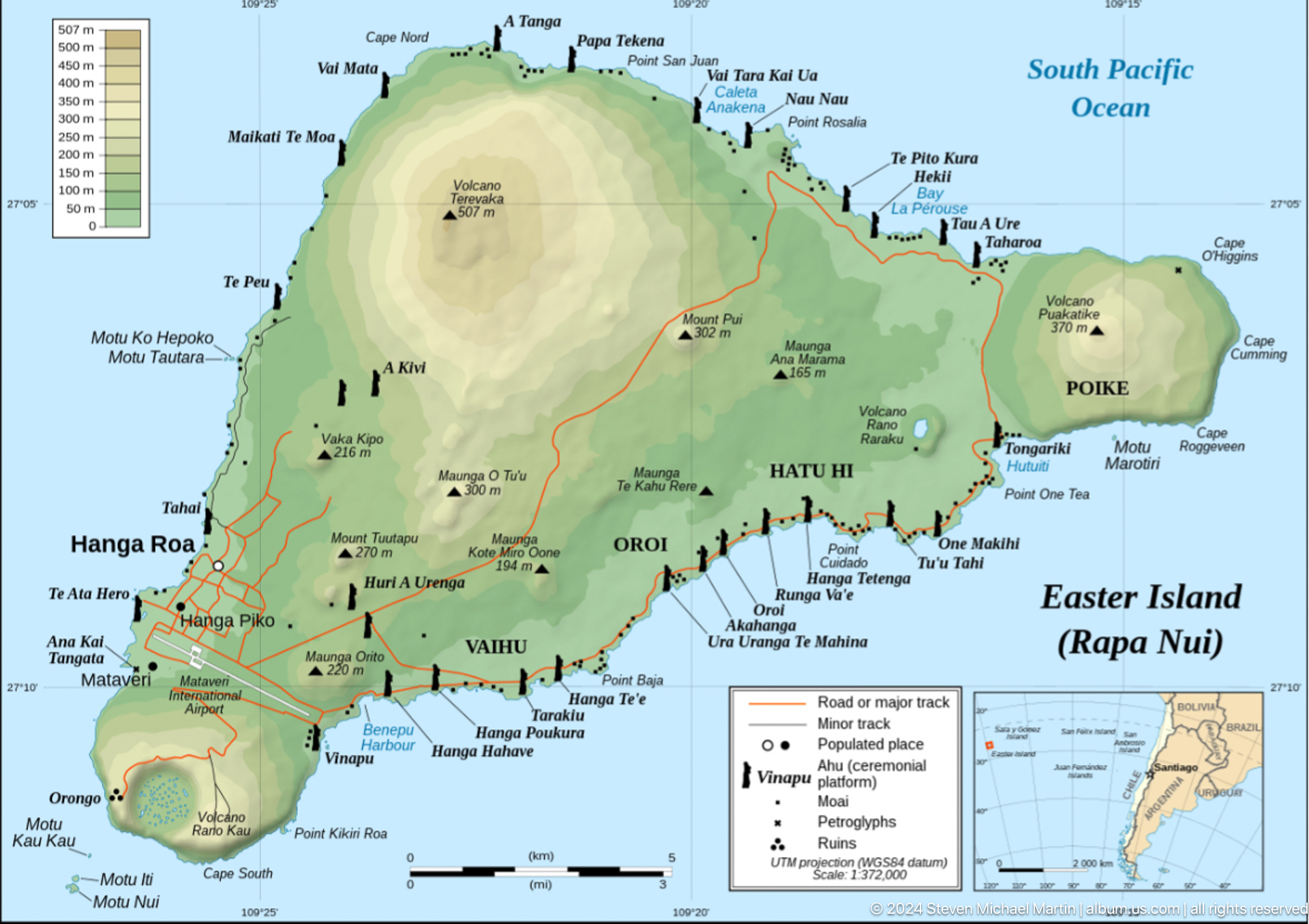
- Rano Raraku – The primary quarry where most moai were carved, with many still in place.
- Ahu Tongariki – The largest ceremonial platform, with multiple restored moai.
- Ahu Akivi – A unique inland site where statues face the ocean.
- Rano Kau – A volcanic crater with a large freshwater lake.
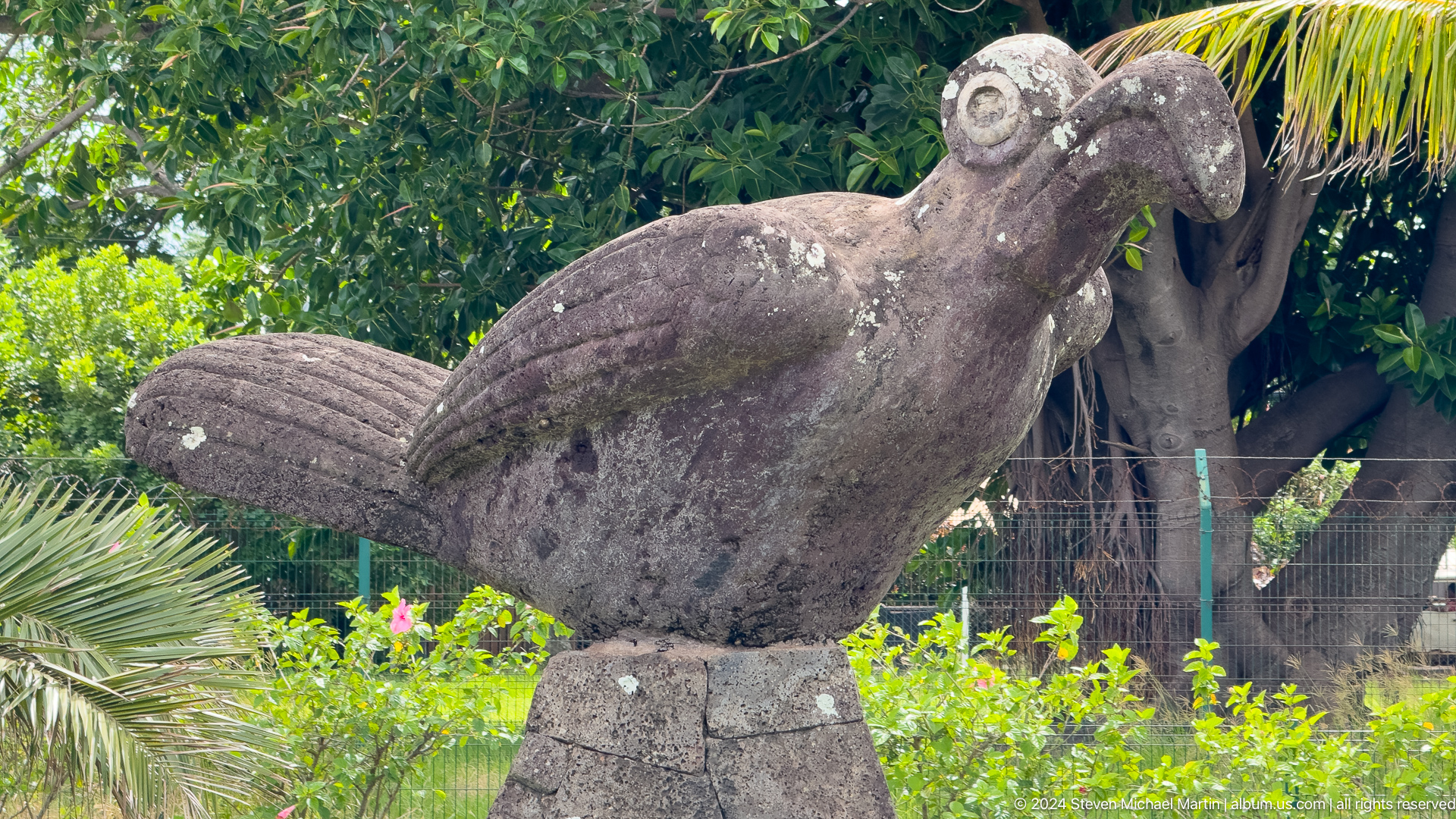
- Orongo Village – A ceremonial site associated with the Birdman cult.
🧠 Historical & Cultural Significance
- Polynesian Settlement – The island was settled by seafaring Polynesian explorers.
- Ancestor Worship – Moai likely represent important ancestors or leaders.
- Monumental Construction – Demonstrates advanced engineering and organization.
- Cultural Transformation – Later social and environmental changes altered the island’s society.
🌄 Landscape & Setting
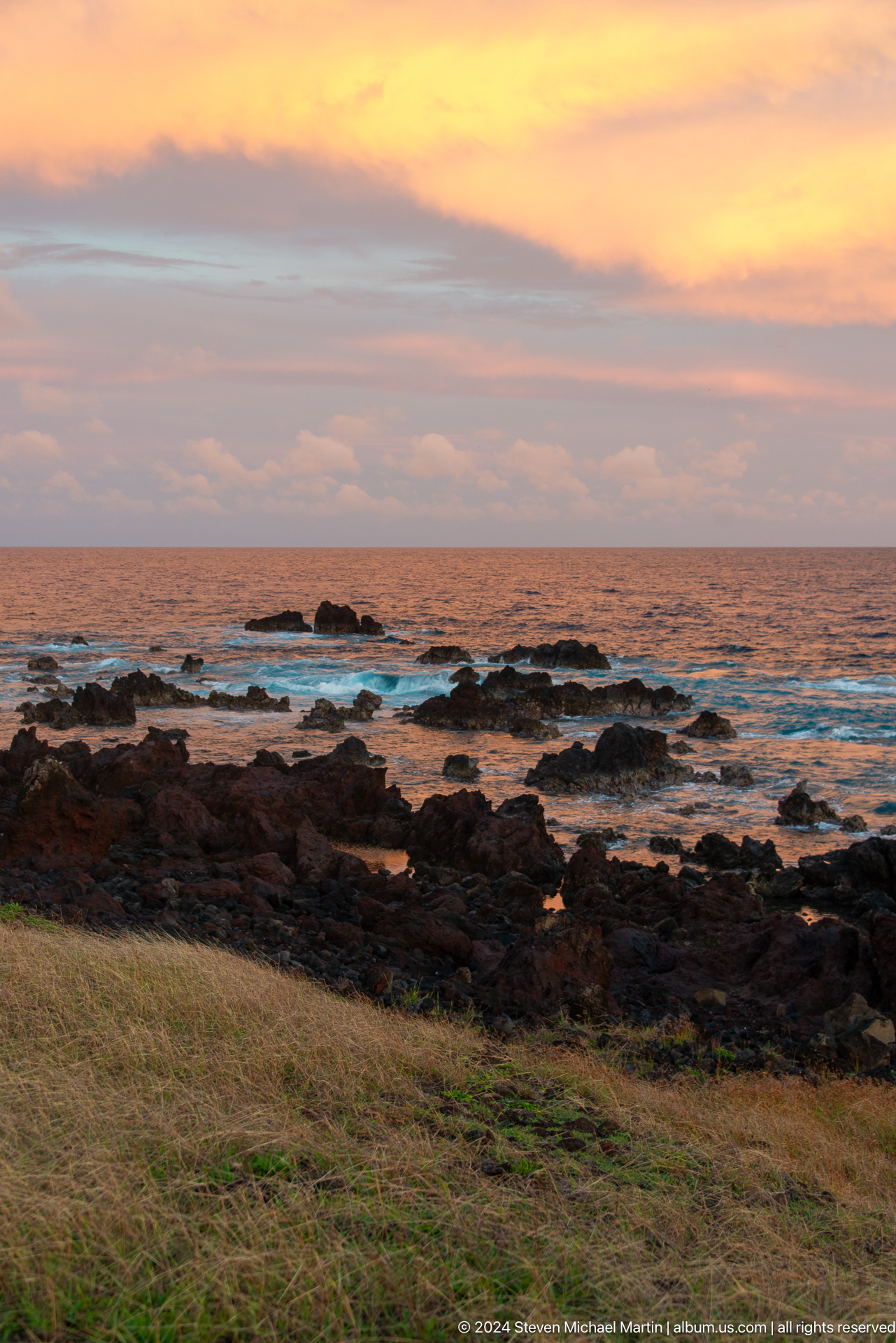
- Volcanic Island – Formed by extinct volcanoes with craters and rugged terrain.
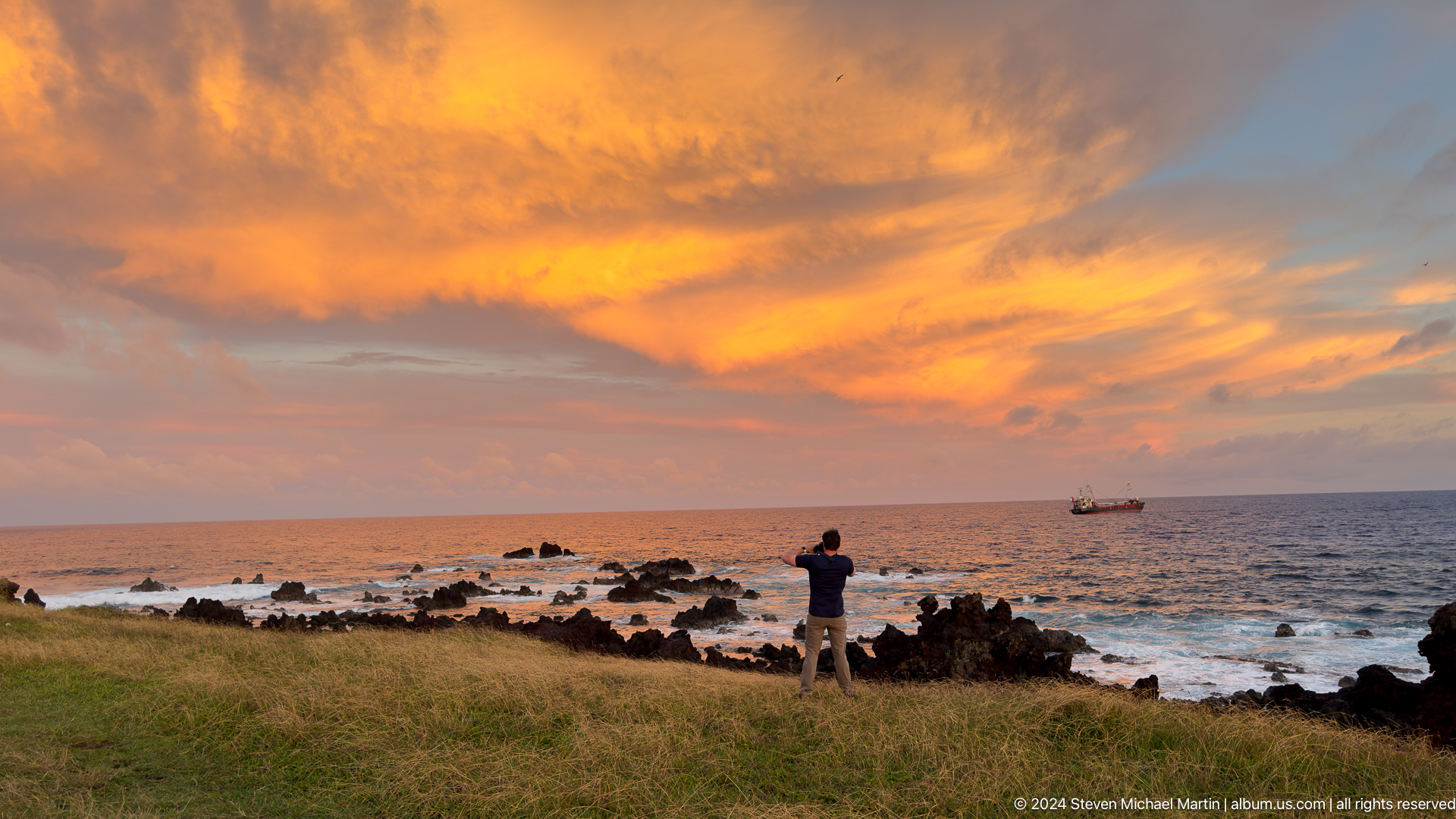
- Pacific Isolation – Located thousands of kilometers from any continent.
- Open Grasslands – Much of the island is treeless, emphasizing the monuments.
- Coastal Platforms – Many moai are positioned along the shoreline facing inland.