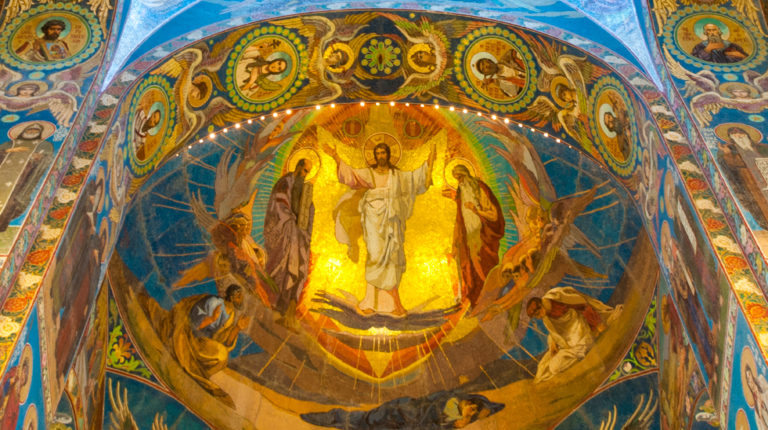
Church of the Savior on Spilt Blood
Church of the Savior on Spilled Blood The Church of the Savior on Spilled Blood was constructed in Saint Petersburg […]
Explore Portfolio
Russia’s historic capitals reflect the development of a vast empire whose political, religious, and cultural traditions evolved across centuries of expansion and reform. The architectural landscape of Russia illustrates the relationship between state power, religious identity, and artistic patronage, particularly during periods when rulers sought to express imperial authority through monumental design. Cities such as Moscow and St. Petersburg preserve structures that symbolize different eras of Russian history, from medieval fortified centers to grand imperial capitals shaped by European artistic influence.
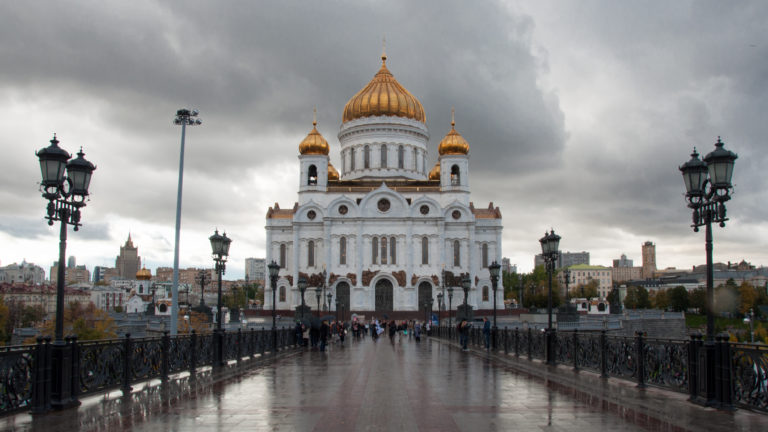
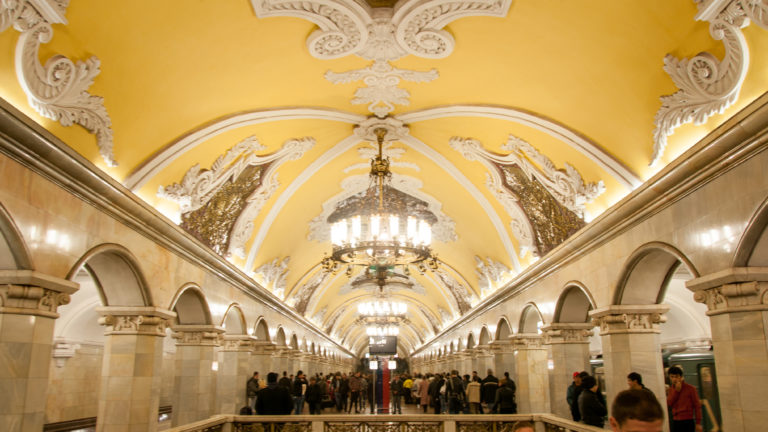
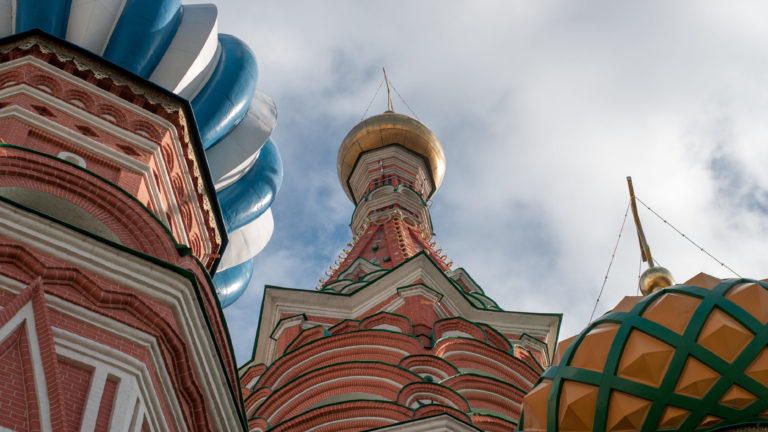
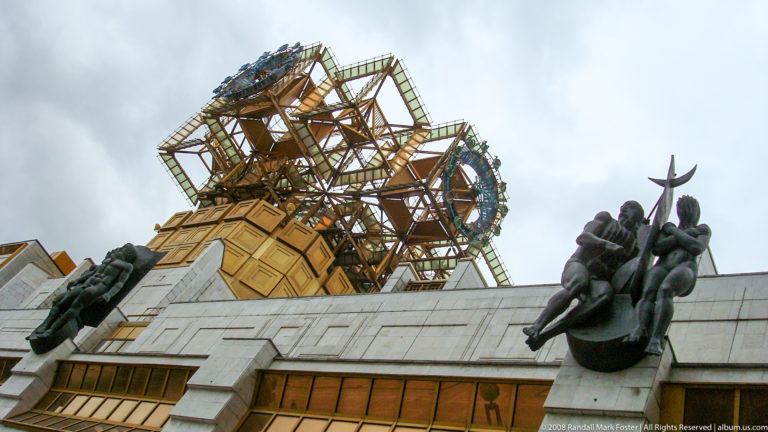
The historic core of Moscow preserves the symbolic center of Russian political and religious authority through sites including Red Square, the fortified complex of the Kremlin, and the richly decorated stations of the Moscow Metro, often described as underground palaces reflecting Soviet-era civic design. Religious architecture such as the churches of Moscow illustrates the continuity of Orthodox artistic traditions that influenced Russian identity for centuries.
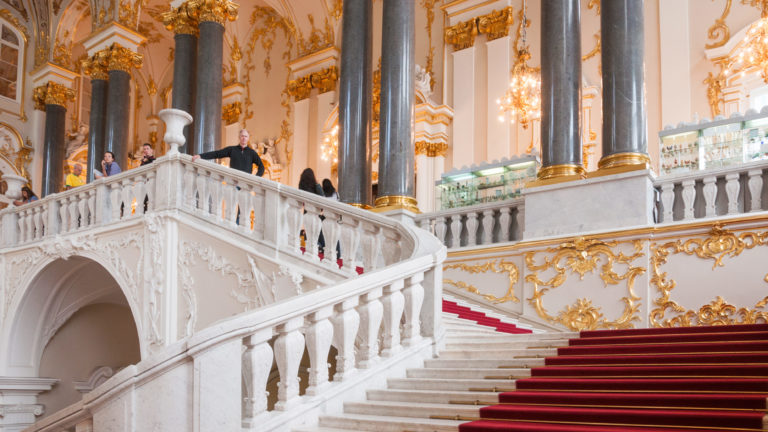
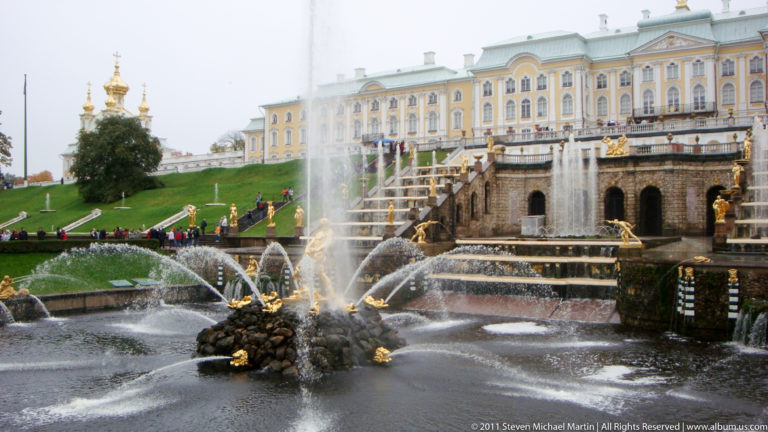
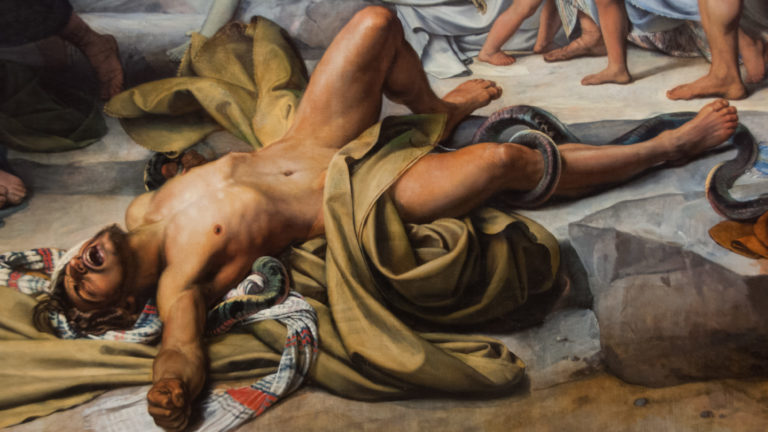
The imperial capital of St. Petersburg demonstrates Russia’s historic engagement with European artistic traditions, visible in the collections of the Hermitage Museum, the landscaped grandeur of Peterhof, and richly ornamented religious structures including the Church of the Savior on Spilled Blood. The Russian Museum preserves artistic works reflecting the evolution of national identity through painting and sculpture. Together, these cities illustrate how architecture and art were used to communicate power, faith, and cultural continuity across one of the world’s largest nations.
The following itineraries include locations in this country:
