Mostar
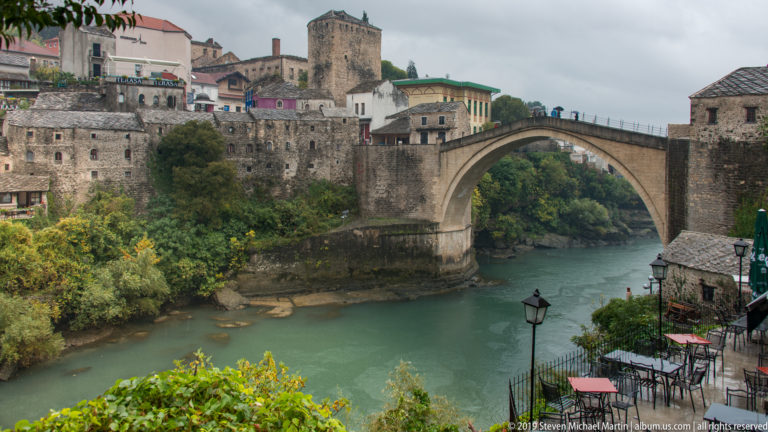
Mostar – Bosnia and Herzegovina Mostar lies along the emerald waters of the Neretva River in a narrow valley surrounded […]
Explore Portfolio
Bosnia and Herzegovina preserves architectural and archaeological evidence of the diverse cultural traditions that developed in the western Balkans over many centuries. The historic city of Mostar reflects the influence of Ottoman urban design, where stone streets, traditional buildings, and the iconic arched bridge illustrate the importance of regional trade routes linking inland communities with the Adriatic coast. The preserved historic center demonstrates the architectural continuity of a town shaped by both local craftsmanship and broader imperial influence.
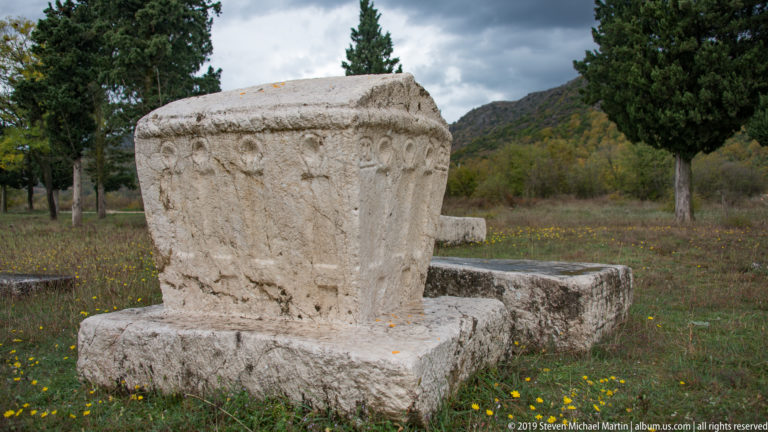
The nearby site of Radimlja Necropolis presents an earlier historical layer through its collection of medieval stećak tombstones, many of which are decorated with carved symbols and motifs associated with regional religious and cultural traditions. These monuments provide insight into the social and artistic practices that developed in the Balkans prior to the expansion of Ottoman political authority.
Together, these sites illustrate the historical continuity of settlement in the region, where medieval communities and later urban centers reflect the interaction of cultural traditions across southeastern Europe. Stone construction techniques, decorative symbolism, and preserved historic landscapes reveal the layered identity that characterizes Bosnia and Herzegovina’s cultural heritage.
Photographing Bosnia and Herzegovina emphasizes the texture and craftsmanship of carved stone surfaces set within dramatic natural surroundings. Architectural forms and sculptural details create visually compelling compositions that highlight both the artistic traditions and historic environments of the region.
The following itineraries include locations in this country:
