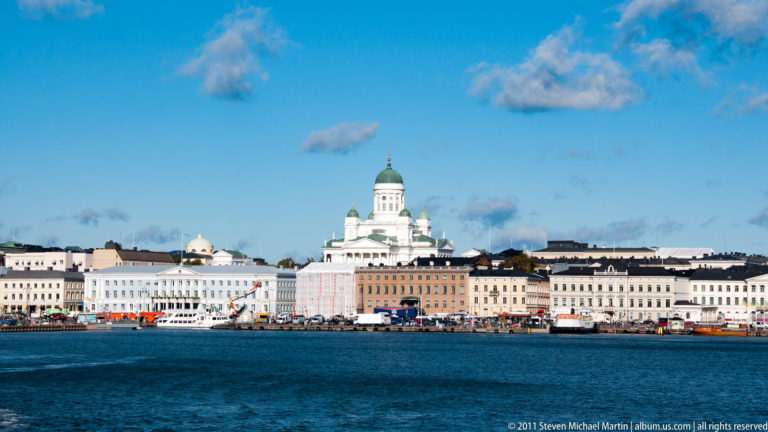
Helsinki
Helsinki Helsinki developed as the capital of Finland during the nineteenth century when the region was part of the Russian […]
Explore Portfolio
Finland’s cultural landscape reflects the interaction between northern geography, maritime trade, and centuries of political influence from neighboring Scandinavian and Russian powers. The coastal capital of Helsinki illustrates the development of a modern Nordic city shaped by neoclassical architecture, harbor activity, and proximity to the Baltic Sea. Public squares, cathedrals, and waterfront districts demonstrate the importance of trade and civic planning in the formation of Finland’s principal urban center.
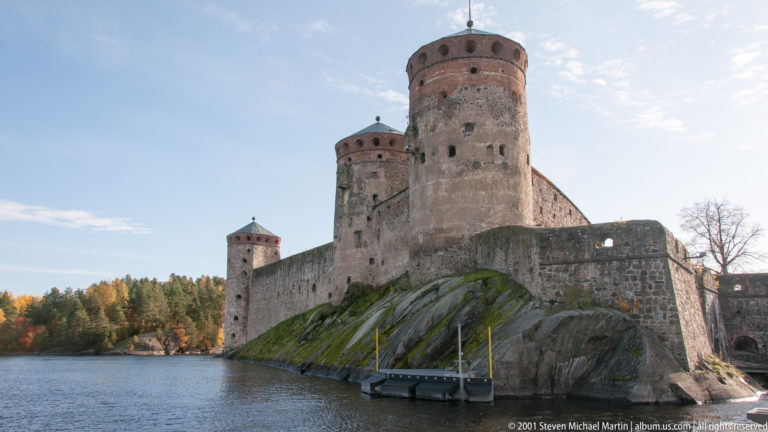
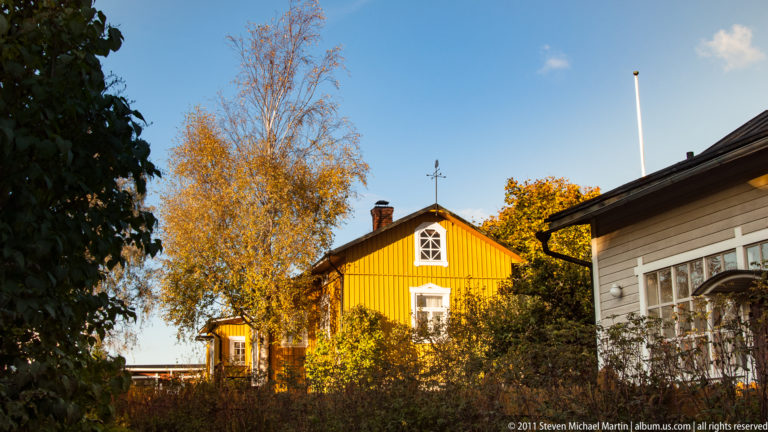
Earlier periods of settlement are preserved in locations such as Rauma, one of the best preserved wooden towns in northern Europe, where traditional building techniques reflect the continuity of urban life over several centuries. Defensive architecture at St. Olaf’s Castle illustrates the strategic importance of fortified sites in a region historically influenced by shifting political boundaries between Sweden and Russia.
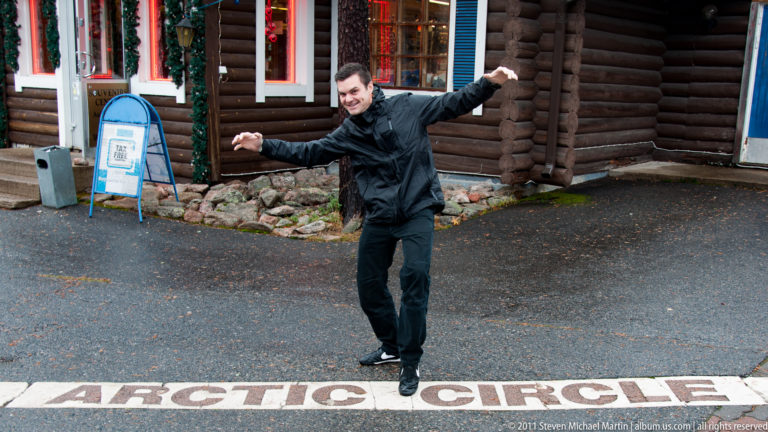
The northern region of Lapland presents a different perspective on Finland’s identity, where Arctic landscapes, forests, and seasonal variation in daylight define the natural environment. The contrast between historic towns, coastal cities, and northern wilderness highlights the geographic diversity that shapes Finland’s cultural and architectural traditions.
Photographing Finland emphasizes the relationship between built environments and natural surroundings, where coastal light, forest landscapes, and traditional construction materials contribute to a distinctly northern visual character. The resulting images reflect both the historical continuity and environmental context that define the Finnish experience.
The following itineraries include locations in this country:
