 96 portfolios
Africa
Exploring Africa Africa presents an extraordinary diversity of landscapes shaped by ancient geology, climatic variation, and deep human history. From […]
Explore Country
The Middle East and Africa preserve some of the world’s earliest centers of civilization, where trade routes, religious traditions, and empires shaped cultural landscapes that continue to influence global history. Archaeological sites, historic cities, and architectural monuments throughout the region illustrate the development of writing, organized religion, urban planning, and artistic expression across thousands of years. These environments reflect both continuity and change as ancient traditions coexist alongside modern societies.
The historic environments documented in Israel, Jordan, Oman, Qatar, and the United Arab Emirates demonstrate the influence of ancient trade networks linking the Mediterranean, Arabian Peninsula, and Asia. Religious landmarks, historic cities, and modern cultural institutions illustrate how these regions continue to shape global cultural identity while preserving architectural traditions rooted in early civilizations.
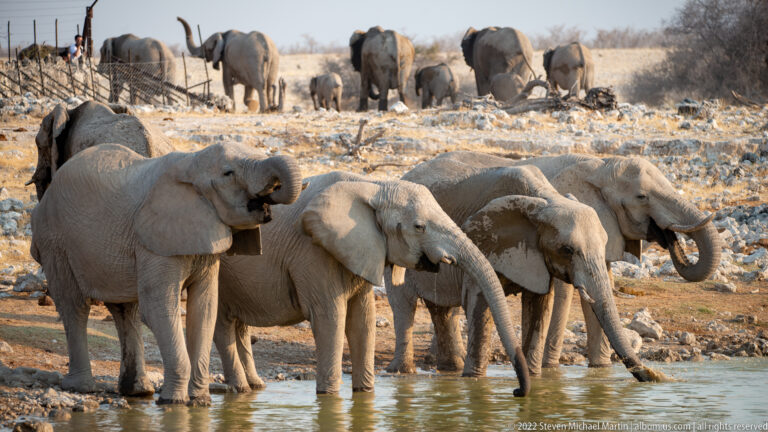
Africa’s diverse environments illustrate the interaction between geography, climate, and human history across an immense and varied continent. The archaeological sites and historic cities of Algeria, Tunisia, Egypt, and Morocco reflect connections between Mediterranean and Saharan cultures, while wildlife ecosystems documented in Botswana, Namibia, South Africa, Tanzania, and Uganda demonstrate the ecological importance of protected environments supporting biodiversity. The river landscapes of Zambia and Zimbabwe further illustrate how geological forces shape natural systems that extend across national boundaries. Together these regions illustrate how human history and natural history intersect across one of the most historically significant areas of the world.
96 portfolios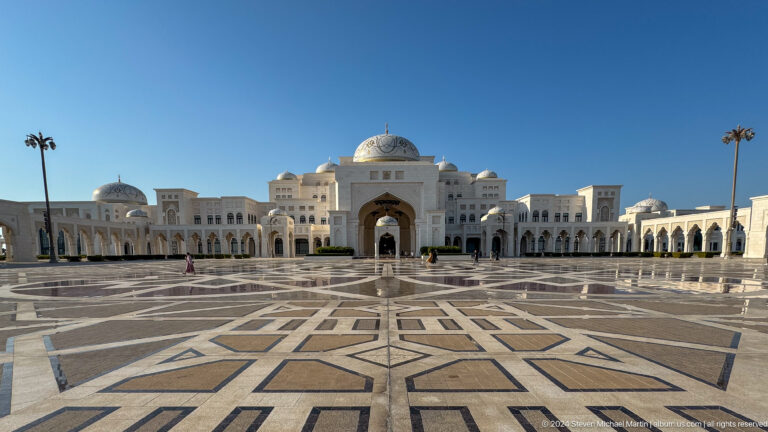 18 portfolios