Gothenburg, Sweden
Gothenburg – Sweden The coastal city of Gothenburg lies along the western shore of Sweden at the mouth of the […]
Explore Portfolio
Sweden’s cultural landscape reflects a long relationship between maritime geography, historic trade networks, and architectural traditions shaped by northern climate conditions. The country’s principal cities developed along waterways that connected inland resources to the Baltic and North Seas, contributing to the emergence of Sweden as an important regional power in northern Europe. Urban environments throughout Sweden demonstrate continuity between medieval settlement patterns and later periods of architectural refinement influenced by broader European styles.
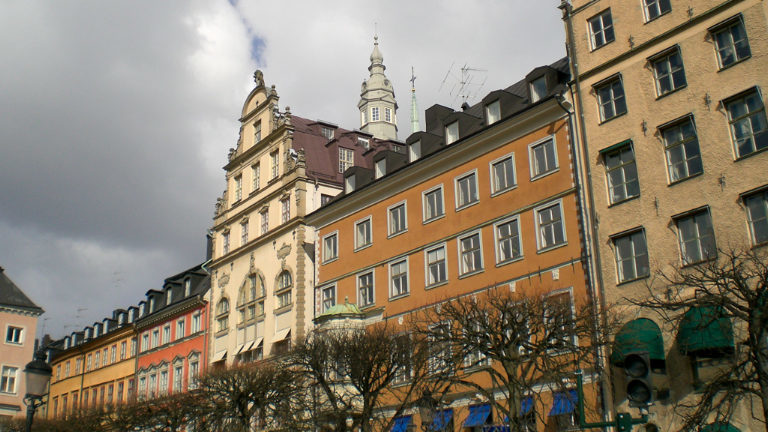
The capital city of Stockholm developed across a series of islands linking Lake Mälaren with the Baltic Sea, creating a distinctive urban setting defined by bridges, waterfront architecture, and preserved historic districts. Stockholm’s medieval core reflects early trade connections within the Hanseatic world, while later Baroque and neoclassical influences contributed to the city’s architectural identity. The city’s island geography continues to shape its visual character and relationship to surrounding waterways.
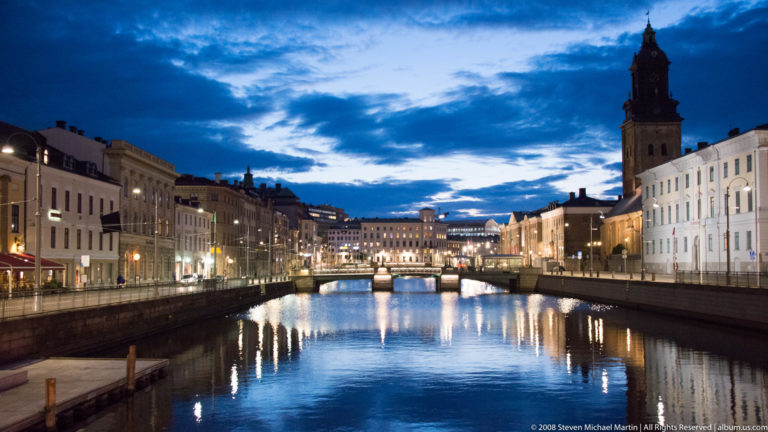
The port city of Gothenburg illustrates Sweden’s historic connection to maritime commerce and international trade. Founded in the seventeenth century with a canal system influenced by Dutch urban planning, Gothenburg developed as an important outlet to the North Sea and a center of mercantile activity. The city’s architectural evolution reflects periods of industrial growth and cultural exchange associated with Sweden’s expanding role in European trade networks.
Photographing Sweden highlights the relationship between historic urban environments and surrounding waterways that define much of the Scandinavian landscape. Together, Stockholm and Gothenburg illustrate how geography, trade, and architectural continuity contributed to the development of Sweden’s distinctive cultural identity within northern Europe.
The following itineraries include locations in this country: