Hagia Sophia
Hagia Sophia is one of the most historically significant buildings in the world and reflects the transformation of religious architecture across multiple empires. Originally constructed as a cathedral in 537 CE during the reign of Byzantine Emperor Justinian I, the structure represented the height of Byzantine engineering and artistic achievement. Its massive dome was an unprecedented architectural accomplishment and influenced religious buildings for centuries.
Following the Ottoman conquest of Constantinople in 1453, Hagia Sophia was converted into a mosque, incorporating minarets, calligraphy panels, and other Islamic architectural features. The structure now reflects both Christian and Islamic artistic traditions, illustrating the cultural transitions that shaped Istanbul’s history.
Hagia Sophia represents a powerful example of how sacred architecture can adapt across different civilizations while maintaining continuity in design and symbolism. Its influence can be seen in later Ottoman mosques, including the Blue Mosque and Suleymaniye Mosque.




Field Guide
📍 Overview
Hagia Sophia is one of the most influential architectural works in world history and reflects the transformation of religious tradition across empires. Originally constructed in 537 CE as a cathedral of the Byzantine Empire, the building represented the pinnacle of early Christian monumental design. Its massive dome was an unprecedented engineering achievement and influenced architecture for centuries.
🏛 Historical Significance
Following the Ottoman conquest of Constantinople in 1453, Hagia Sophia was converted into a mosque, incorporating minarets and Islamic decorative elements. The structure later functioned as a museum and today serves again as a mosque. Its layered history illustrates the continuity and transformation of sacred architecture across cultures.
🧱 Architectural Features
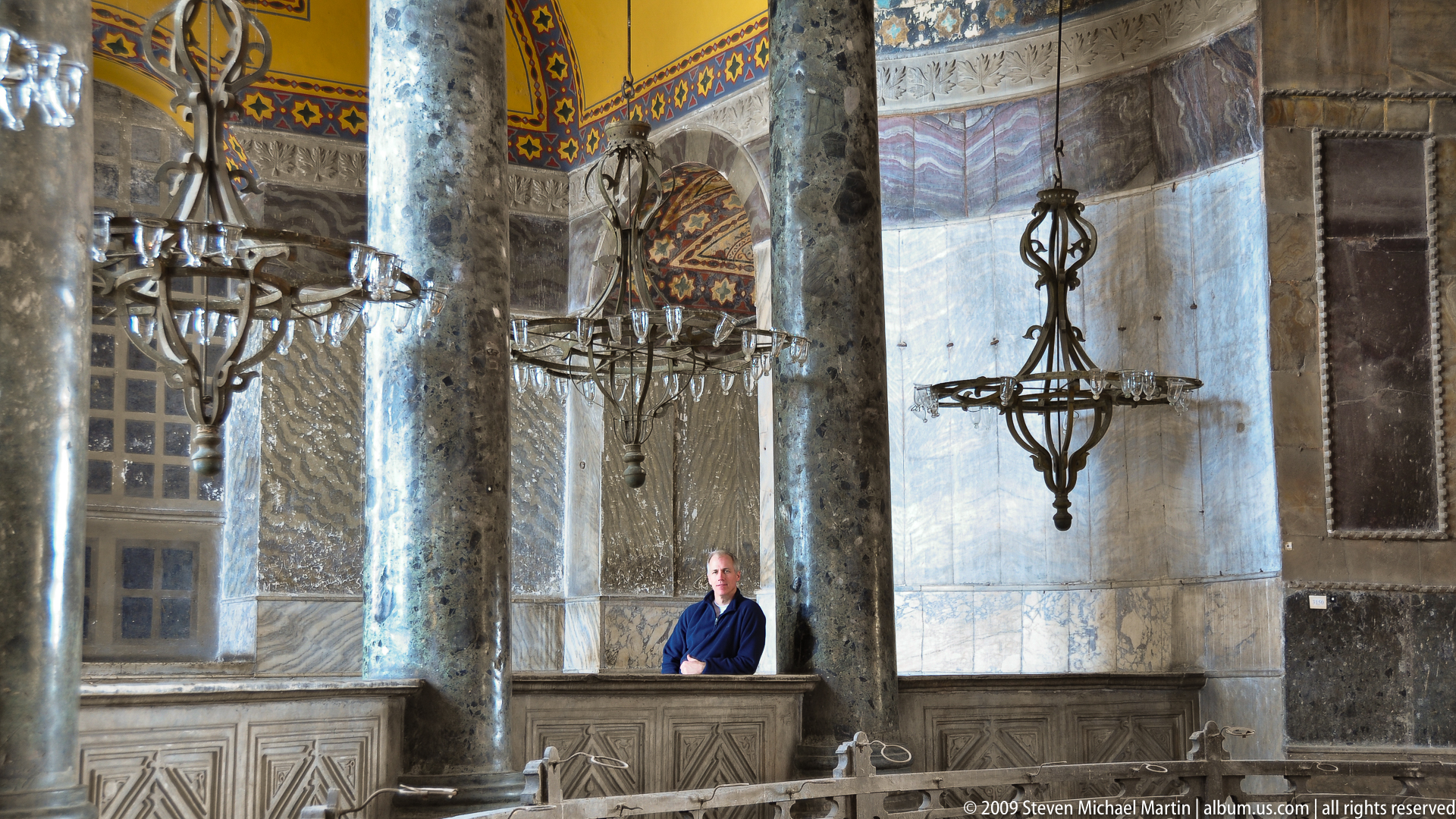
The massive central dome appears to float above the interior space due to innovative structural engineering. Marble columns, mosaics, and calligraphic panels reflect both Byzantine and Ottoman artistic traditions. The building’s scale and spatial clarity influenced later Ottoman mosque design, including the Blue Mosque and Suleymaniye Mosque.
Light entering through windows at the base of the dome creates a luminous interior environment intended to evoke spiritual transcendence.
🌍 Cultural Importance
Hagia Sophia illustrates how architecture can bridge religious traditions across time. The building reflects the artistic and spiritual priorities of both Byzantine Christianity and Ottoman Islam.
🧭 Why It Matters in Temples, Pyramids & Mosques
Hagia Sophia demonstrates continuity in sacred design as civilizations reinterpret architectural forms to reflect evolving belief systems. Its influence extends across both Christian and Islamic architectural traditions.
⭐ Highlights
- Massive central dome engineering innovation
- Combination of Byzantine and Ottoman artistic traditions
- Influence on later mosque architecture
- One of the most important religious buildings in history
- Symbol of cultural continuity across empires
📷 Photography Notes
- Wide-angle compositions capture scale of central dome
- Interior lighting creates strong atmospheric effects
- Architectural symmetry provides balanced compositions
- Detail shots highlight mosaics and calligraphy
- Exterior perspectives emphasize monumental scale