Shanghai
Shanghai reflects one of the most dynamic chapters in China’s modern history, where international trade, colonial influence, and rapid economic development combined to transform a historic port into one of the world’s largest cities. During the late nineteenth and early twentieth centuries, the city became a major center of global commerce, resulting in an architectural landscape shaped by both European design traditions and emerging Chinese modernism. This layered history is still visible today in the preserved waterfront buildings that line the Huangpu River.
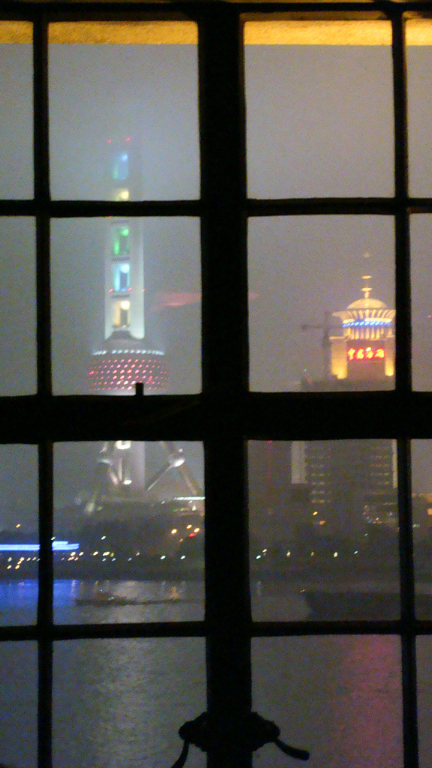
The Bund remains one of Shanghai’s most recognizable historic districts, where neoclassical banks, trading houses, and government buildings illustrate the city’s role as a gateway between China and the global economy. Across the river, the skyline of Pudong presents a striking contrast, with contemporary skyscrapers representing the rapid growth and technological development that have defined Shanghai’s modern identity. Together, these contrasting architectural environments highlight the city’s transformation across successive eras of political and economic change.
Photographing Shanghai emphasizes the visual dialogue between historic and contemporary design. The symmetry and detail of early twentieth-century stone facades provide texture and structure, while the glass and steel towers of the modern skyline create dramatic reflections along the riverfront. Changes in light throughout the day reveal different qualities of the urban environment, allowing compositions that capture both the historic character and forward-looking energy that define Shanghai today.