New Zealand – North and South Islands
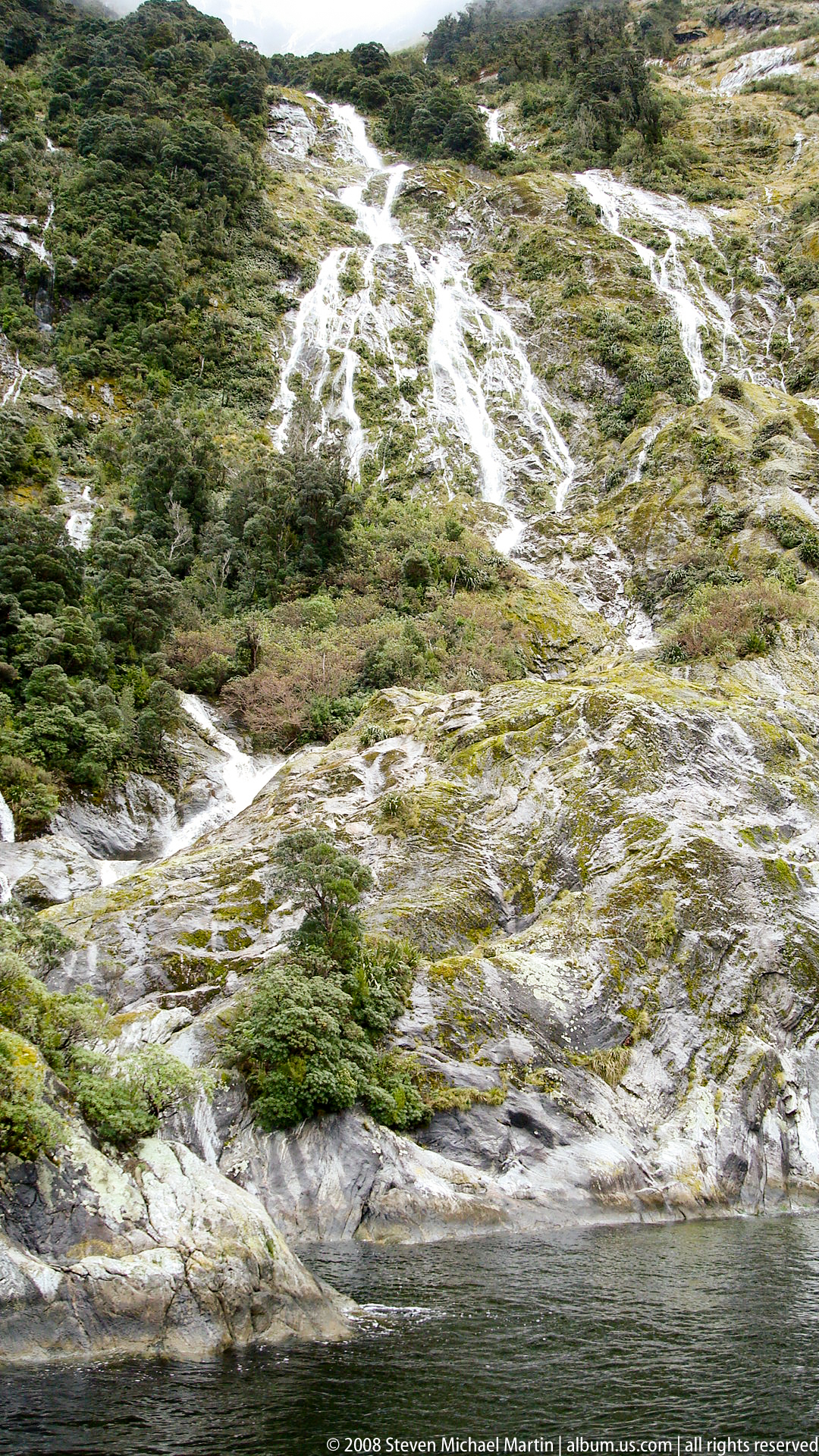
New Zealand occupies a remote position in the southwestern Pacific Ocean where tectonic forces along the boundary between the Pacific and Australian plates have produced a landscape of volcanic plateaus, alpine mountain ranges, fjords, and deeply indented coastlines. The two principal landmasses, the North Island and the South Island, are separated by the Cook Strait yet display markedly different geographic character. Volcanic activity and geothermal landscapes define much of the North Island, while the South Island is shaped by the Southern Alps and extensive glaciation that carved valleys, lakes, and coastal fjords. These contrasting environments reflect long geological evolution following the separation of the Zealandia microcontinent from Gondwana millions of years ago.
The North Island contains fertile agricultural regions, geothermal zones, and sheltered harbors that supported the development of major urban centers and early Māori settlement patterns. In contrast, the South Island presents more rugged alpine terrain, where mountain uplift along the Alpine Fault created peaks exceeding 3,000 meters and extensive glacial landscapes that continue to shape river systems and coastal morphology. High rainfall along western slopes and drier eastern plains illustrate the influence of prevailing oceanic winds interacting with mountainous topography, contributing to diverse ecosystems ranging from temperate rainforest to grassland environments.
New Zealand provides insight into the interaction between isolation, ecology, and cultural development within the Pacific world. Māori communities established complex relationships with coastal and inland environments long before European navigation introduced new settlement patterns and economic networks. Today the continuity between protected landscapes, coastal environments, and historic towns reflects the ongoing importance of conservation and stewardship within one of the world’s most geographically distinctive island nations. The combined landscapes of the North and South Islands contribute to broader understanding of tectonic processes, climate variation, and biodiversity across the Southern Hemisphere.