 3 portfolios
Exploring Central America
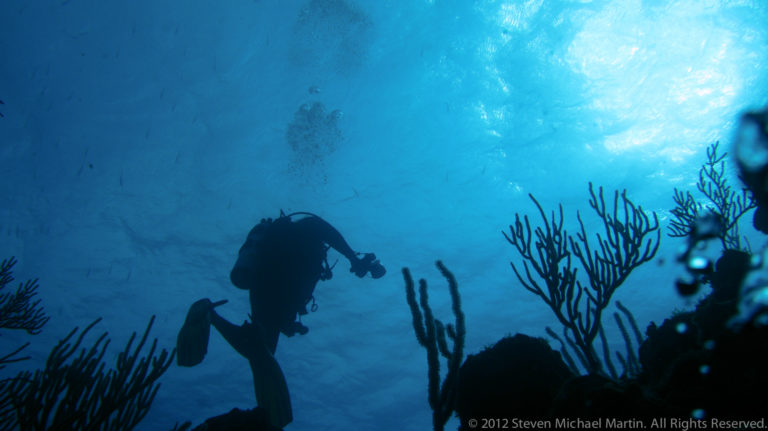
The portfolios in Central America highlight archaeological heritage, tropical ecosystems, and coastal environments shaped by the region’s geographic position between North and South America. The Maya sites of Guatemala illustrate the architectural and cultural achievements of one of the most sophisticated civilizations of the ancient Americas, while nearby Belize presents a Caribbean landscape defined by coral reef ecosystems and island environments along the Mesoamerican Barrier Reef.
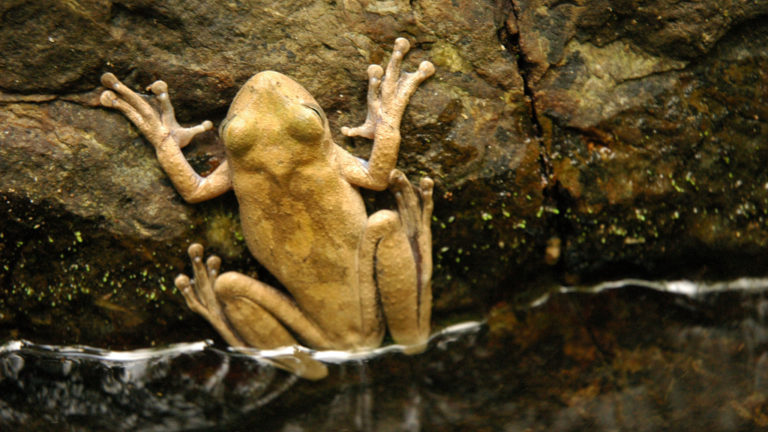
Further south, Costa Rica emphasizes the extraordinary biodiversity of tropical rainforest and coastal habitats, represented through the protected environments of Manuel Antonio National Park. These landscapes illustrate the ecological richness that has made Central America an important region for environmental conservation and wildlife observation.
The strategic importance of the region as a crossroads between oceans is reflected in Panama, where Panama City developed as a key location linking Atlantic and Pacific trade routes. Together, these countries demonstrate the geographic and cultural diversity of Central America, where ancient civilizations, tropical landscapes, and historic maritime connections intersect within a relatively compact region.