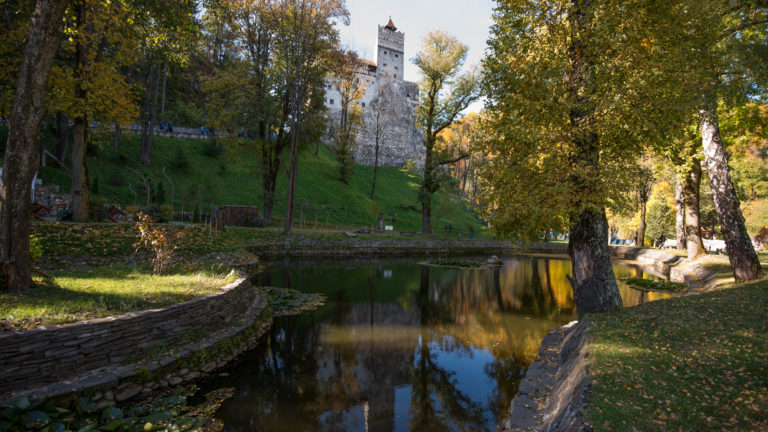
Bran Castle, Romania
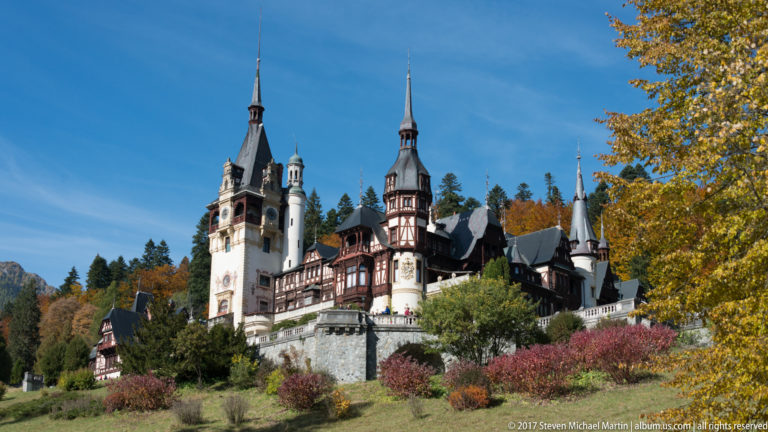
Bran Castle – Bran Pass, Romania Bran Castle rises above the narrow Bran Pass, a historic mountain corridor that connects […]
Explore Portfolio
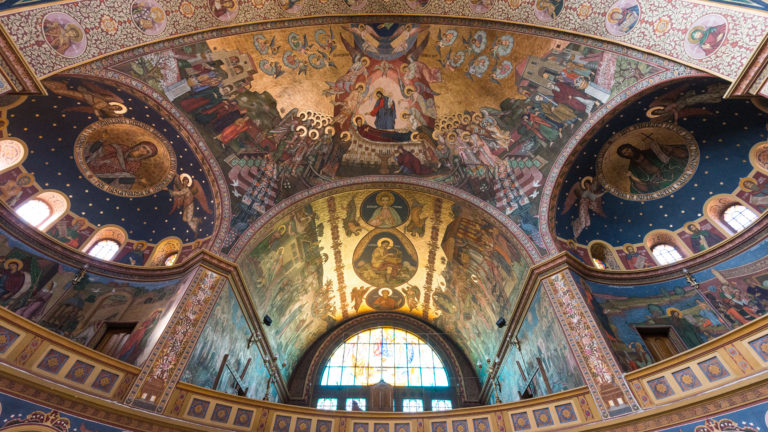
Romania’s cultural landscape reflects the interaction between Carpathian mountain geography, medieval kingdoms, and centuries of influence from both Central European and Balkan traditions. The country’s historic regions developed at the crossroads of trade routes linking western Europe with the Black Sea and the eastern Mediterranean, resulting in fortified towns, monasteries, and castles shaped by both defensive necessity and cultural exchange. Romania preserves a distinctive architectural heritage influenced by Roman origins, medieval Saxon settlements, and later political transitions that shaped the modern nation.
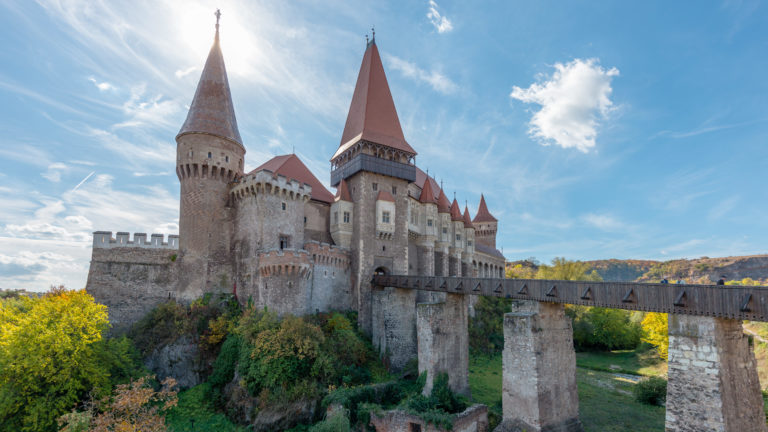
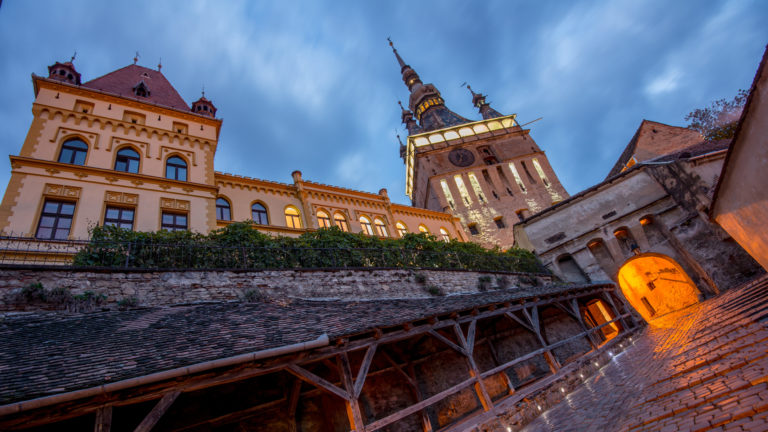
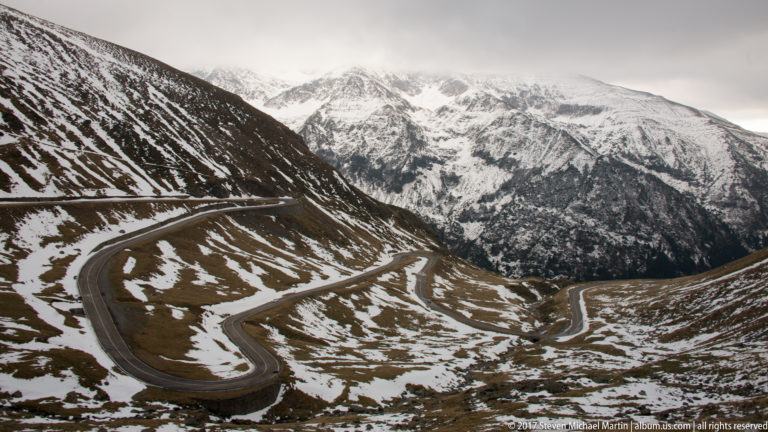
Medieval towns including Sighișoara, Sibiu, and Brașov illustrate the influence of Central European urban planning traditions introduced by German-speaking communities who established fortified settlements across Transylvania. Defensive architecture such as Corvin Castle and the hilltop fortifications associated with Bran Castle demonstrate the strategic importance of mountain passes connecting regions historically contested by neighboring powers. The mountain landscape itself is highlighted through the dramatic route of the Transfăgărășan Road, where engineering and geography combine to reveal the scale of the Carpathian environment.
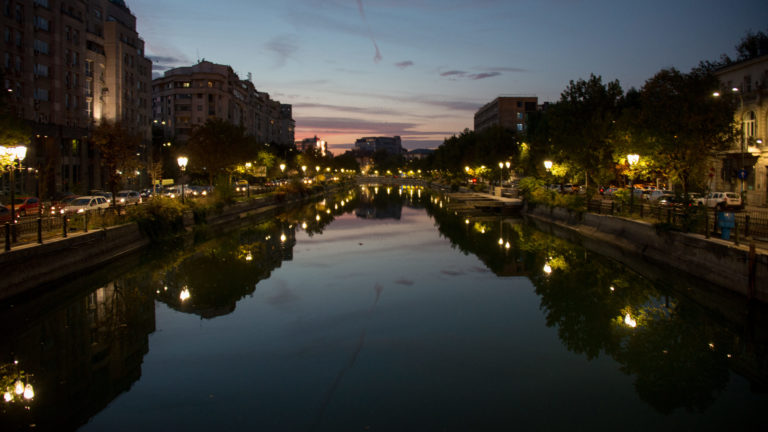
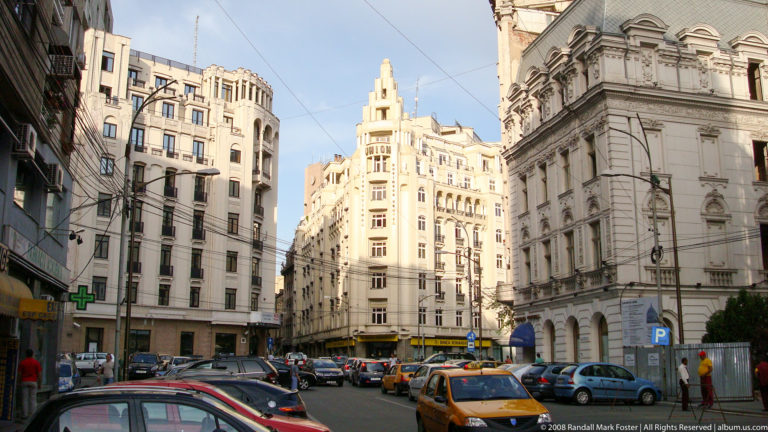
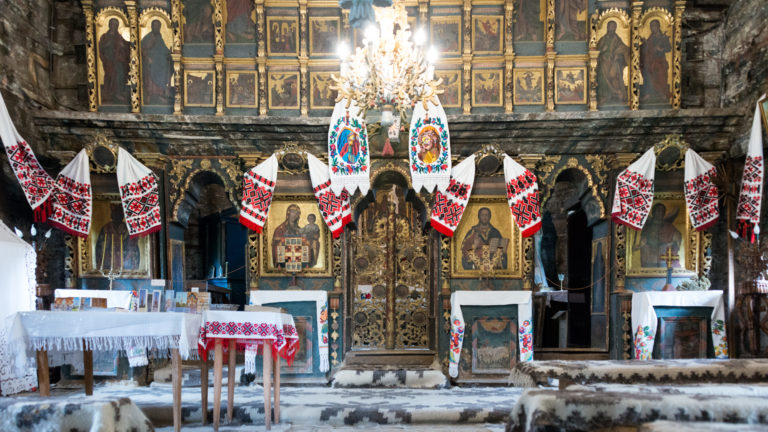
Additional perspectives on Romanian cultural identity are found in the historic monasteries and royal settings surrounding Sinaia, the preserved rural traditions documented in Maramureș, and the evolving civic character of the capital represented in both Bucharest and Bucharest (earlier visit). Together, these sites illustrate how Romania’s cultural identity developed through the interaction of geography, political history, and architectural tradition across multiple historical periods.
The following itineraries include locations in this country: