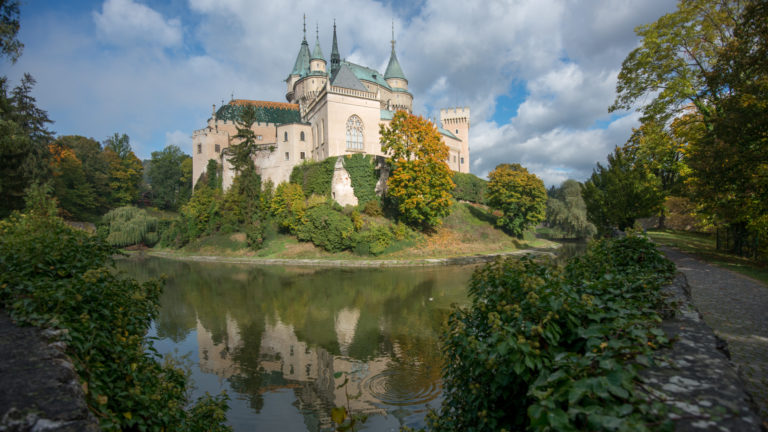
Bojnice Castle, Slovakia
Bojnice Castle – Slovakia Bojnice Castle rises above the town of Bojnice in western Slovakia at the edge of the […]
Explore Portfolio
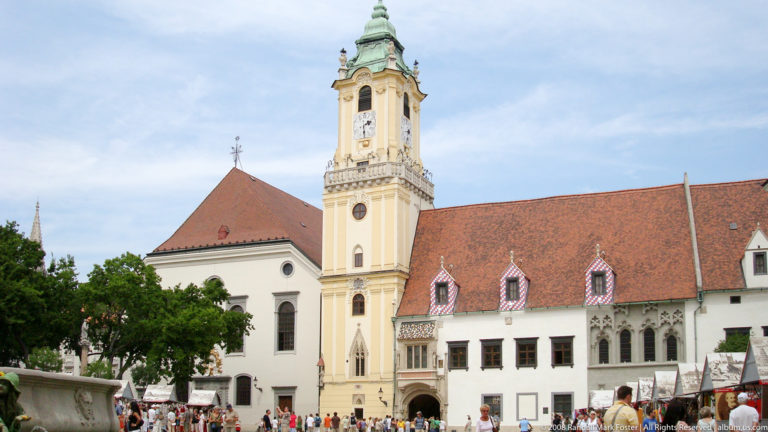
Slovakia’s cultural landscape reflects the influence of Central European political history, where fortified hilltop castles and historic towns developed along important regional trade routes. The capital city of Bratislava, located along the Danube River near the borders of Austria and Hungary, illustrates the strategic importance of river corridors that connected major European centers. Earlier visits documented in Bratislava (early visit) highlight the continuity of architectural traditions shaped by medieval settlement and later imperial administration.
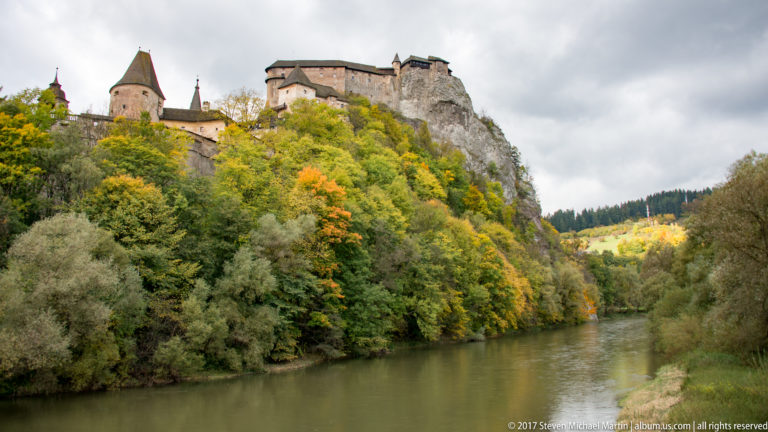
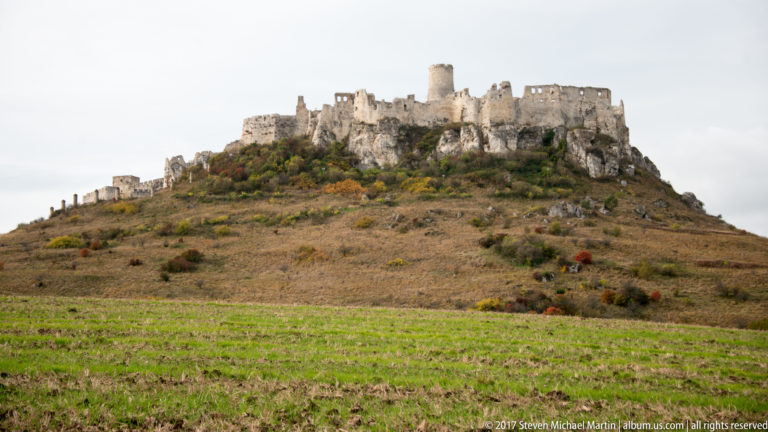
Castles constructed throughout Slovakia demonstrate the defensive importance of elevated terrain within the Carpathian region. Prominent examples include Spiš Castle, one of the largest castle complexes in Central Europe, as well as Orava Castle and Bojnice Castle, whose hilltop locations illustrate architectural adaptation to mountainous geography. These fortified structures reflect periods of political competition and regional governance that shaped the historical development of the region.
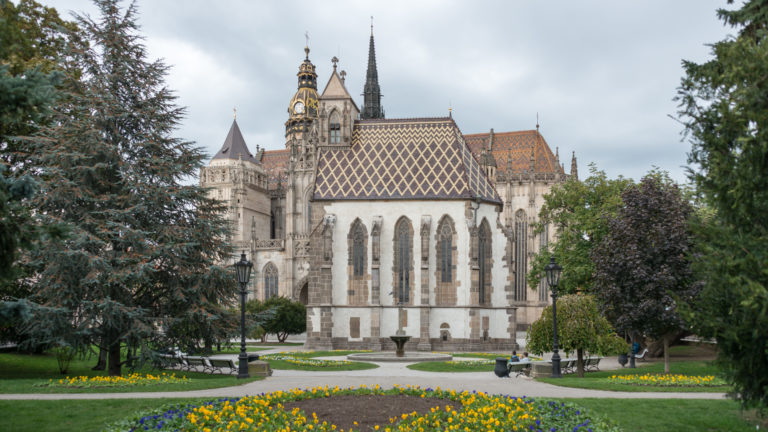
Historic urban centers such as Košice preserve architectural traditions influenced by Gothic and later European styles associated with regional commerce and religious institutions. Slovakia’s position between western and eastern Europe contributed to the blending of cultural influences visible in both urban environments and rural landscapes.
Photographing Slovakia emphasizes the visual relationship between fortified castles, river valleys, and mountainous terrain that contributed to the development of one of Central Europe’s most historically layered landscapes. Together, these sites illustrate the continuity of architectural and cultural traditions shaped by geography and regional political history.
The following itineraries include locations in this country:
