New Zealand – North and South Islands
New Zealand – North and South Islands New Zealand occupies a remote position in the southwestern Pacific Ocean where tectonic […]
Explore Portfolio
New Zealand lies in the southwestern Pacific Ocean along an active tectonic boundary between the Pacific and Australian plates, producing a landscape shaped by volcanism, uplift, and glaciation. Mountain ranges, geothermal plateaus, fjords, and coastal plains illustrate the dynamic geological processes associated with the Pacific Ring of Fire, where earthquakes and volcanic activity have influenced the formation of the islands over millions of years. The country’s relative isolation allowed distinctive ecosystems to develop, while Polynesian Māori settlement established enduring cultural traditions connected to land, sea, and seasonal migration patterns.
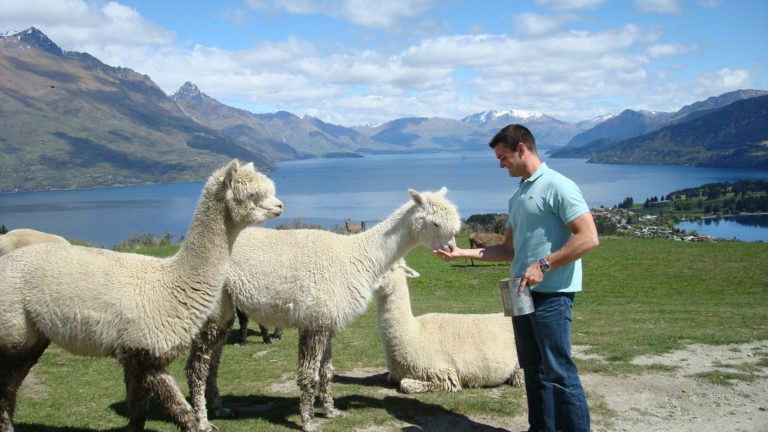
The portfolio New Zealand – North and South Islands illustrates the geographic contrast between the volcanic landscapes of the North Island and the alpine environments of the South Island, where glacial valleys and uplift along the Alpine Fault created some of the most dramatic mountain scenery in the Pacific region. These environments reflect the interaction of tectonic movement, climatic variation, and oceanic influence that continues to shape both ecological systems and patterns of settlement.
New Zealand contributes to broader understanding of environmental continuity across the Pacific world, demonstrating how isolation, tectonic activity, and maritime climate influence biodiversity and cultural development. The combined landscapes of the North and South Islands illustrate the relationship between geological formation, ecological diversity, and human adaptation within one of the most distinctive island environments of the Southern Hemisphere.
The following itineraries include locations in this country:
