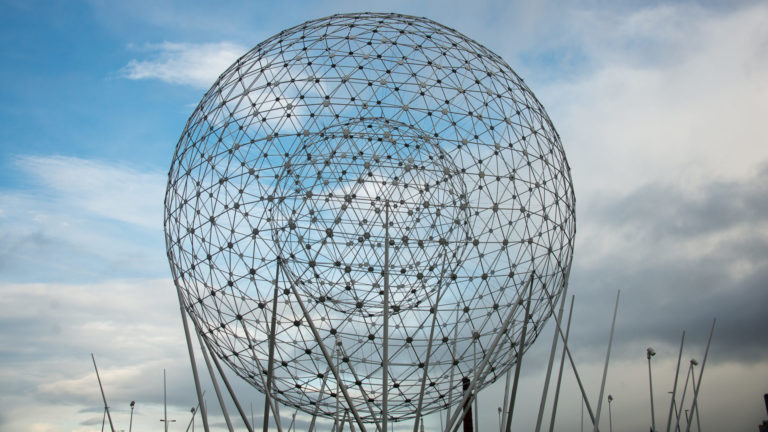
Belfast
Belfast – Northern Ireland Belfast stands at the head of Belfast Lough on the eastern coast of Northern Ireland […]
Explore Portfolio
Northern Ireland’s landscape reflects the interaction between geological processes, maritime history, and industrial development that shaped the northeastern portion of the island of Ireland. Coastal environments along the North Atlantic preserve distinctive natural formations created by volcanic activity millions of years ago, while urban centers illustrate the economic and political history associated with shipbuilding and regional trade. Together, these sites provide insight into the environmental and historical influences that define Northern Ireland’s cultural identity.
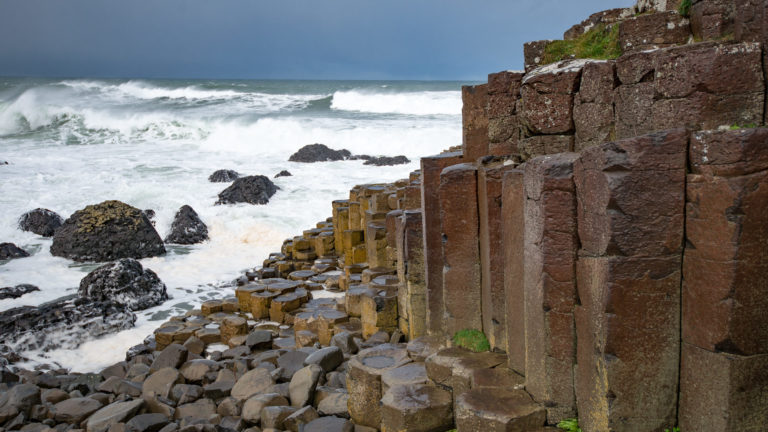
The Giant’s Causeway presents one of the most recognizable geological landscapes in Europe, where hexagonal basalt columns formed through volcanic processes create a striking natural pattern along the coastline. The formation illustrates the long-term influence of geological forces that shaped the island’s physical environment and contributed to the development of folklore associated with Ireland’s natural landmarks.
The city of Belfast reflects a different aspect of Northern Ireland’s history, serving as an important center of shipbuilding and industrial production during the nineteenth and early twentieth centuries. Maritime heritage played a significant role in shaping the city’s development, contributing to its historical importance within the broader context of British and Irish economic history.
Photographing Northern Ireland highlights the visual contrast between rugged coastal geology and historic urban environments, illustrating the diversity of landscapes that define this region of the British Isles.
The following itineraries include locations in this country:
