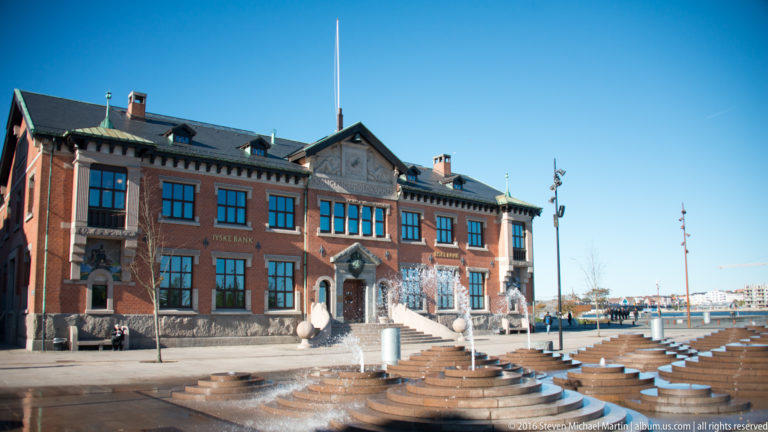
Aalborg, Denmark
Aalborg – Denmark The historic city of Aalborg lies along the Limfjord in northern Denmark. Originally a Viking trading settlement, […]
Explore Portfolio
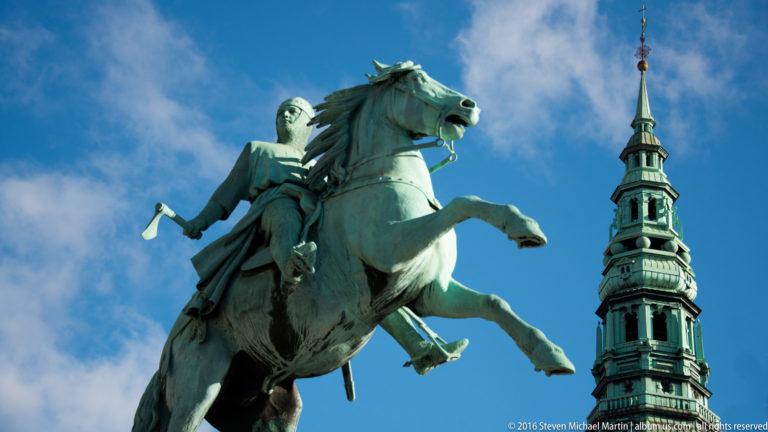
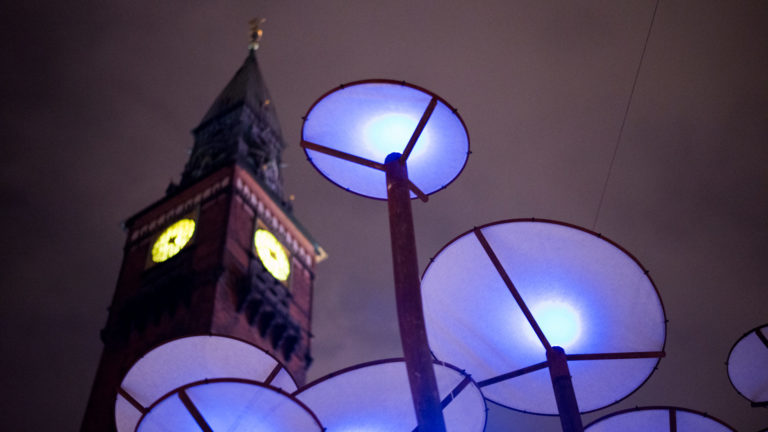
Denmark’s cultural landscape reflects a long historical continuity extending from Viking-era monuments to royal castles and modern urban centers. In Copenhagen, historic districts, royal residences, and waterfront architecture illustrate the development of Denmark’s capital as a political and commercial center within northern Europe. The atmospheric perspectives captured in Copenhagen at night highlight the visual character of a city shaped by maritime geography and centuries of architectural evolution.
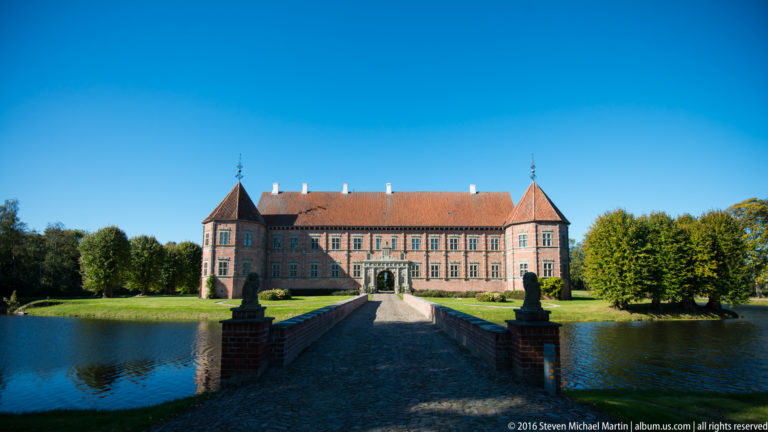
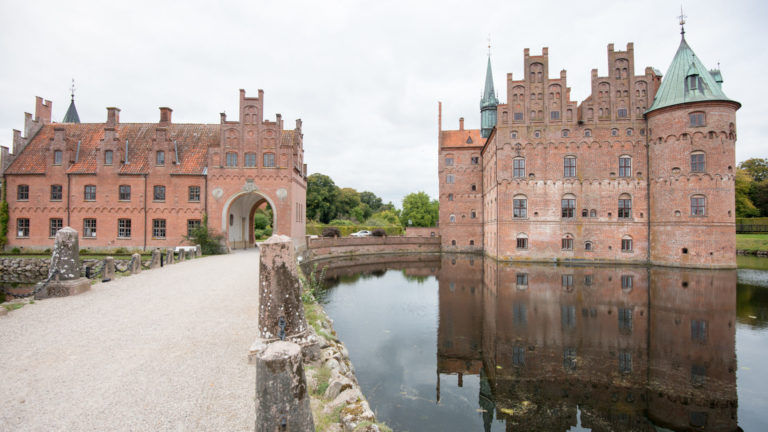
Denmark’s early history is preserved in important archaeological sites such as Jelling and Lindholm Høje, where burial monuments and runestones provide insight into the emergence of the Danish kingdom during the Viking period. Later architectural traditions are represented through historic estates such as Egeskov Slot and the broader collection of Danish Castles, illustrating the role of fortified residences and royal patronage in shaping the country’s cultural identity.
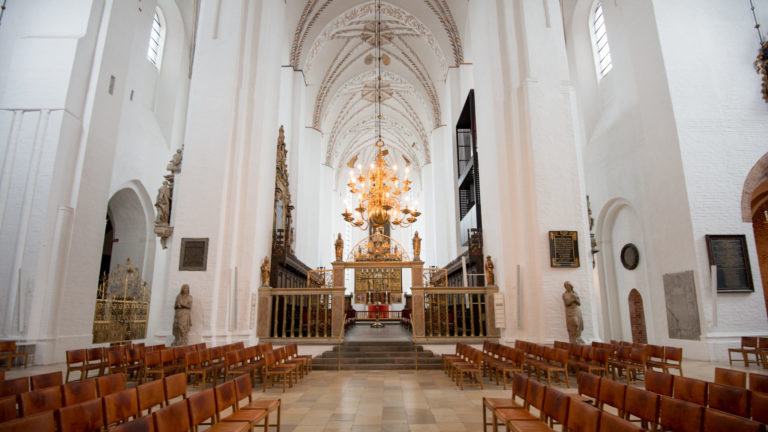
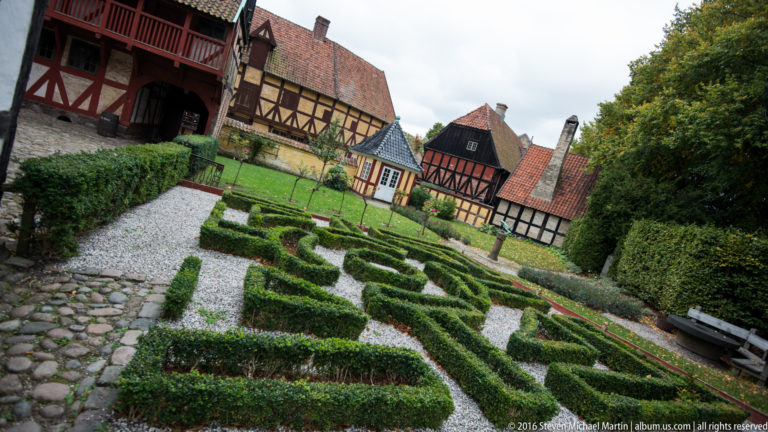
Urban cultural institutions further illustrate Denmark’s historical development. The open-air museum of Den Gamle By preserves traditional building forms that reflect everyday life across earlier centuries, while cities such as Aalborg and Aarhus demonstrate the continued importance of regional centers shaped by trade and maritime connections. Religious architecture such as Aarhus Cathedral illustrates the influence of ecclesiastical institutions within Denmark’s historic urban development.
Photographing Denmark emphasizes the balance between historic architecture, coastal light, and carefully preserved cultural landscapes. Viking monuments, castles, and cathedral interiors provide strong visual structure, while waterfront cities and village environments highlight the continuity of settlement across centuries of Danish history.

The following itineraries include locations in this country:
