Manaus and the Amazon
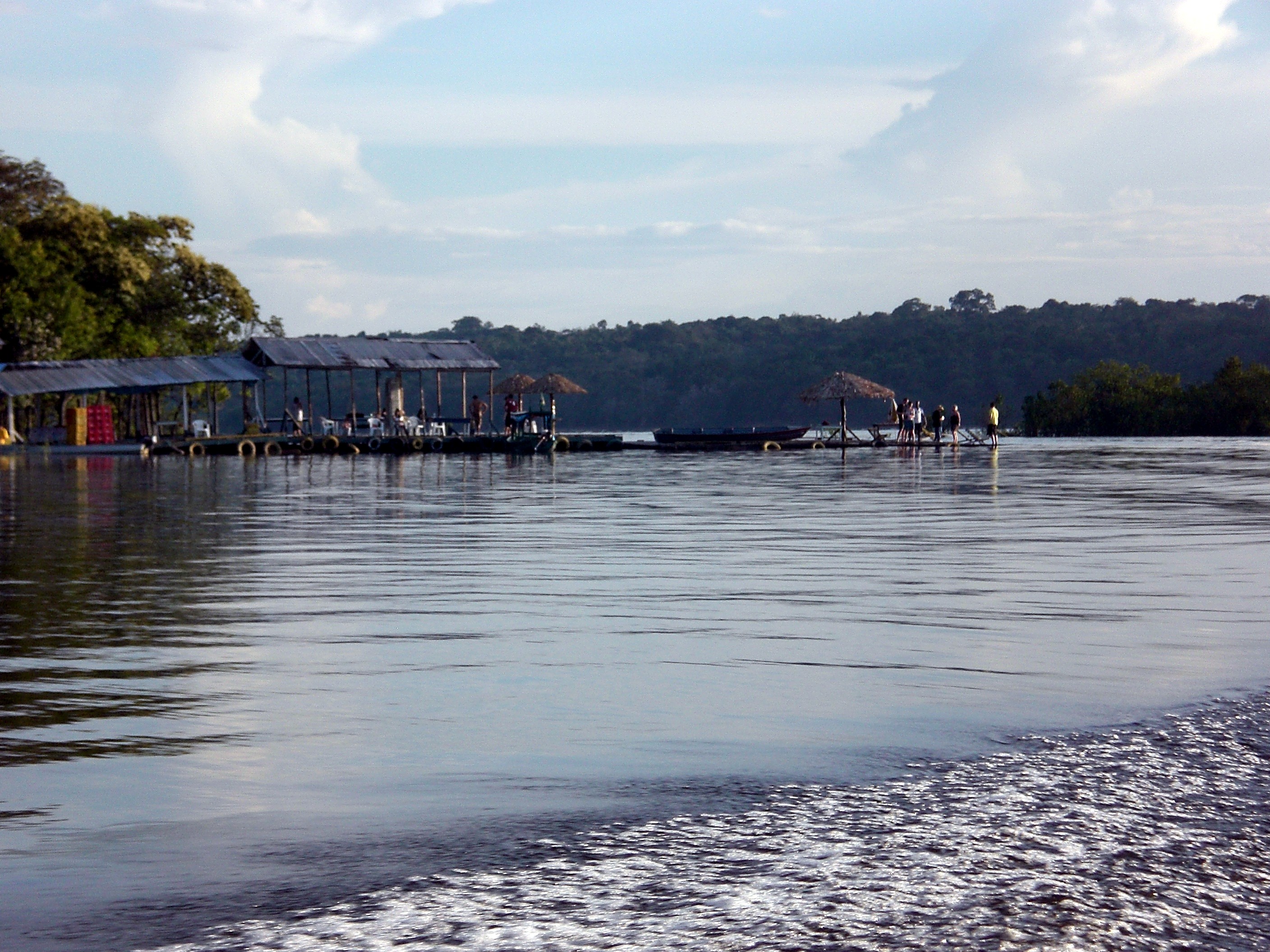
Manaus lies deep within the Amazon Basin near the confluence of the Rio Negro and the Solimões River, where their combined waters form the main course of the Amazon River. The surrounding rainforest represents one of the most extensive and biologically diverse ecosystems on Earth, shaped by equatorial climate patterns and vast river systems that transport water and sediment across northern South America. Indigenous societies developed complex cultural relationships with this environment long before the establishment of European trading posts in the seventeenth century, when the Portuguese constructed a fort that marked the beginning of the modern city.
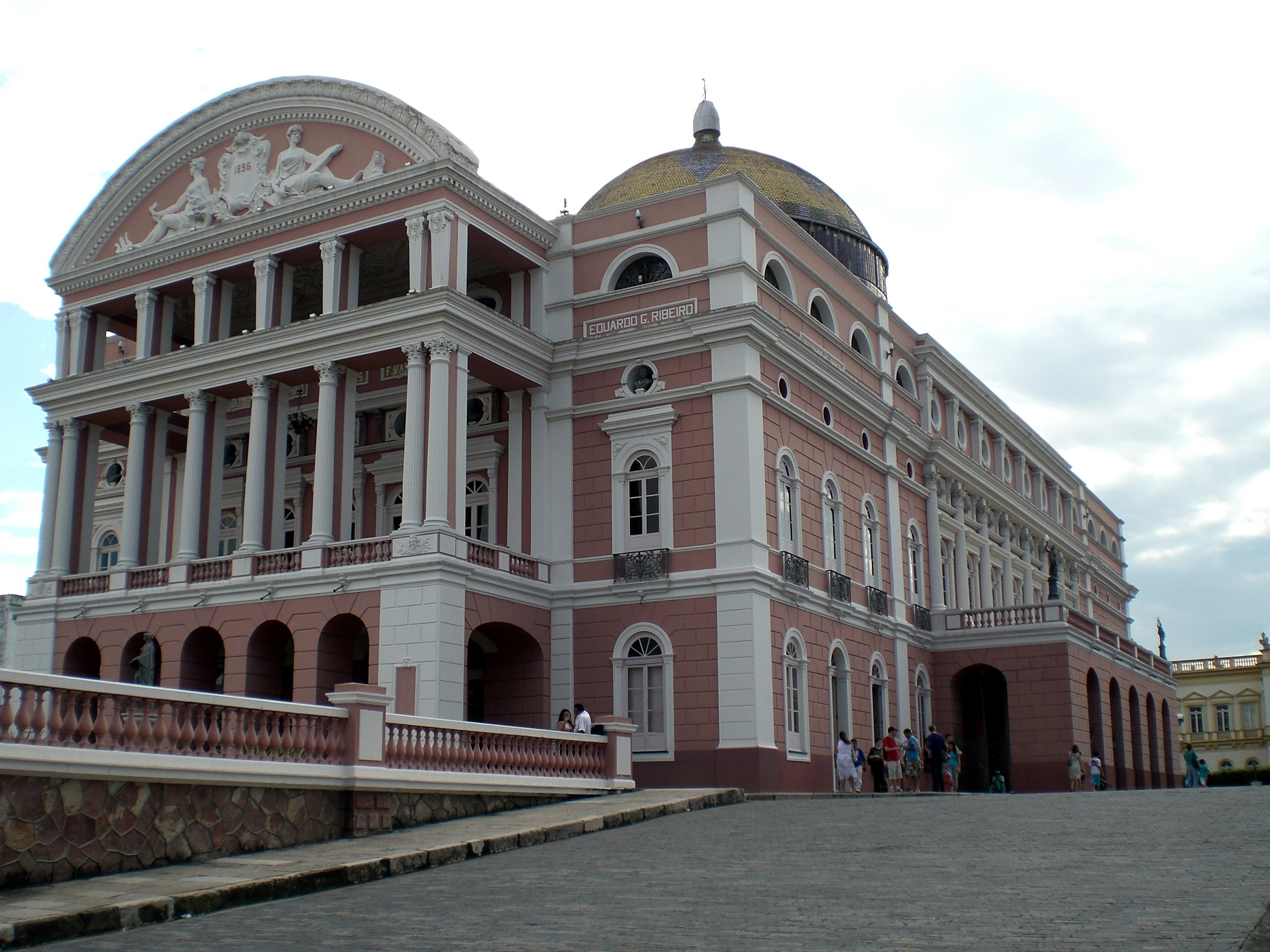
The portfolio explores the meeting point of urban settlement and tropical wilderness, where river channels, dense forest canopy, and seasonal flooding patterns define movement and habitation. Manaus itself reflects the legacy of the nineteenth-century rubber boom, when global demand for latex transformed the city into a prosperous commercial center connected to international markets. The surrounding Amazon rainforest, crossed by extensive tributaries, supports extraordinary biodiversity and represents a major component of global ecological systems.
This region contributes to understanding the environmental significance of the Amazon Basin as a central component of global climate regulation and biodiversity conservation. The relationship between river systems, forest ecosystems, and human settlement illustrates long continuity between indigenous land use, colonial expansion, and contemporary environmental stewardship within the largest tropical rainforest on Earth.