Winnipeg
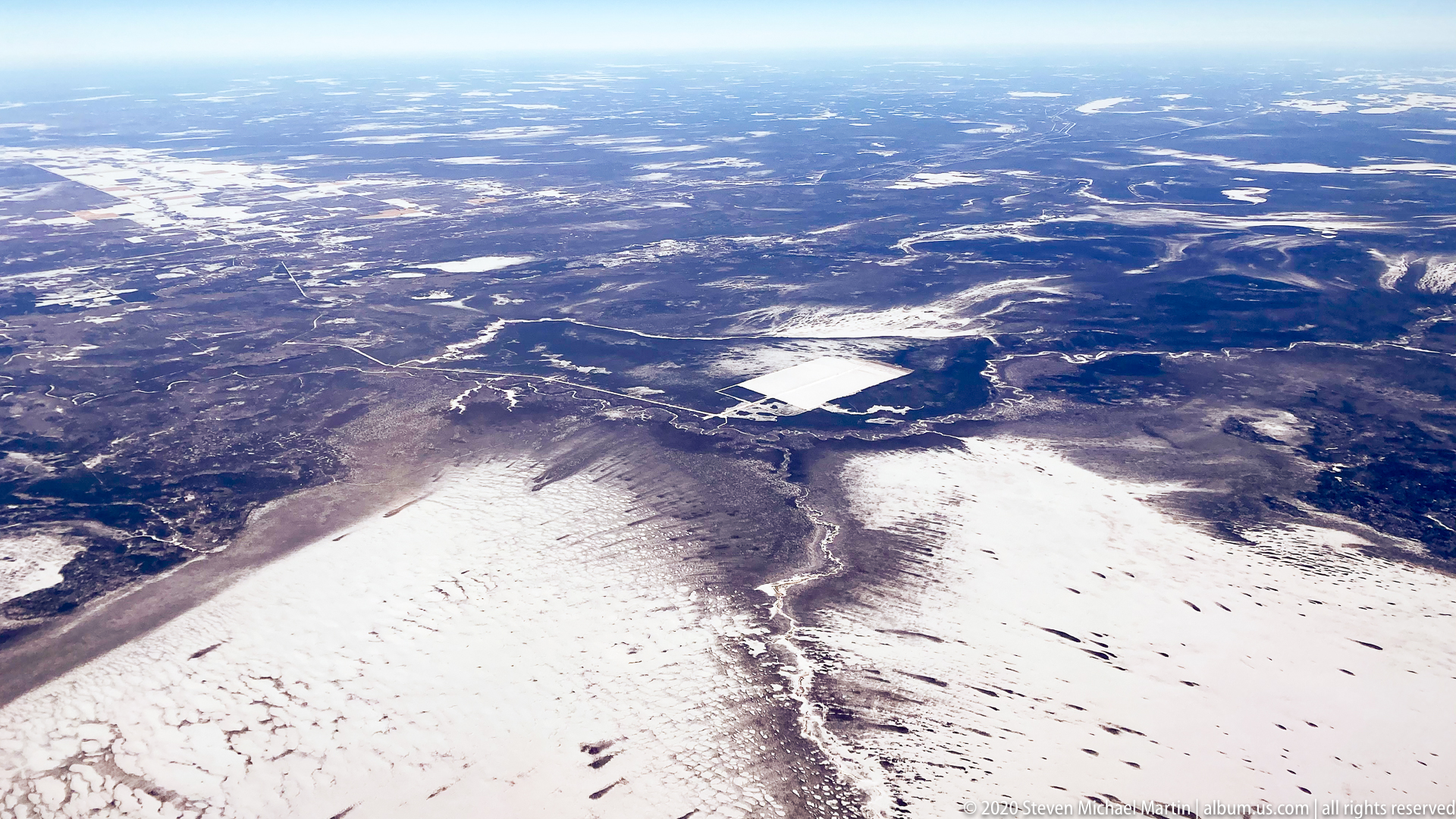
Winnipeg developed as an important transportation and cultural center at the confluence of the Red and Assiniboine Rivers, a location historically used as a gathering place by Indigenous peoples long before European settlement. Its position along key river routes contributed to its growth as a hub for trade, migration, and economic development across western Canada. The city’s geographic setting illustrates how waterways influenced patterns of settlement throughout the North American interior.
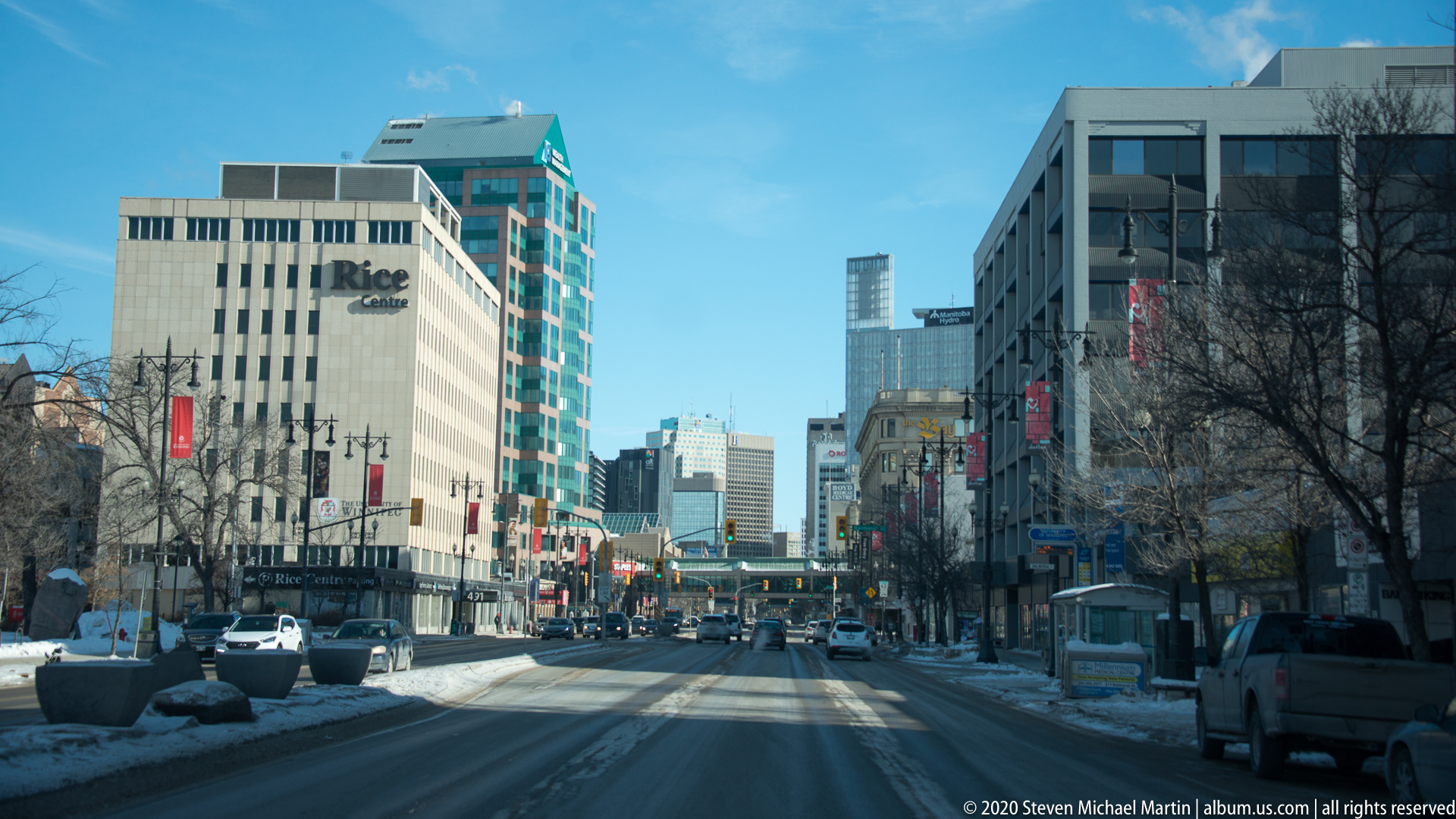
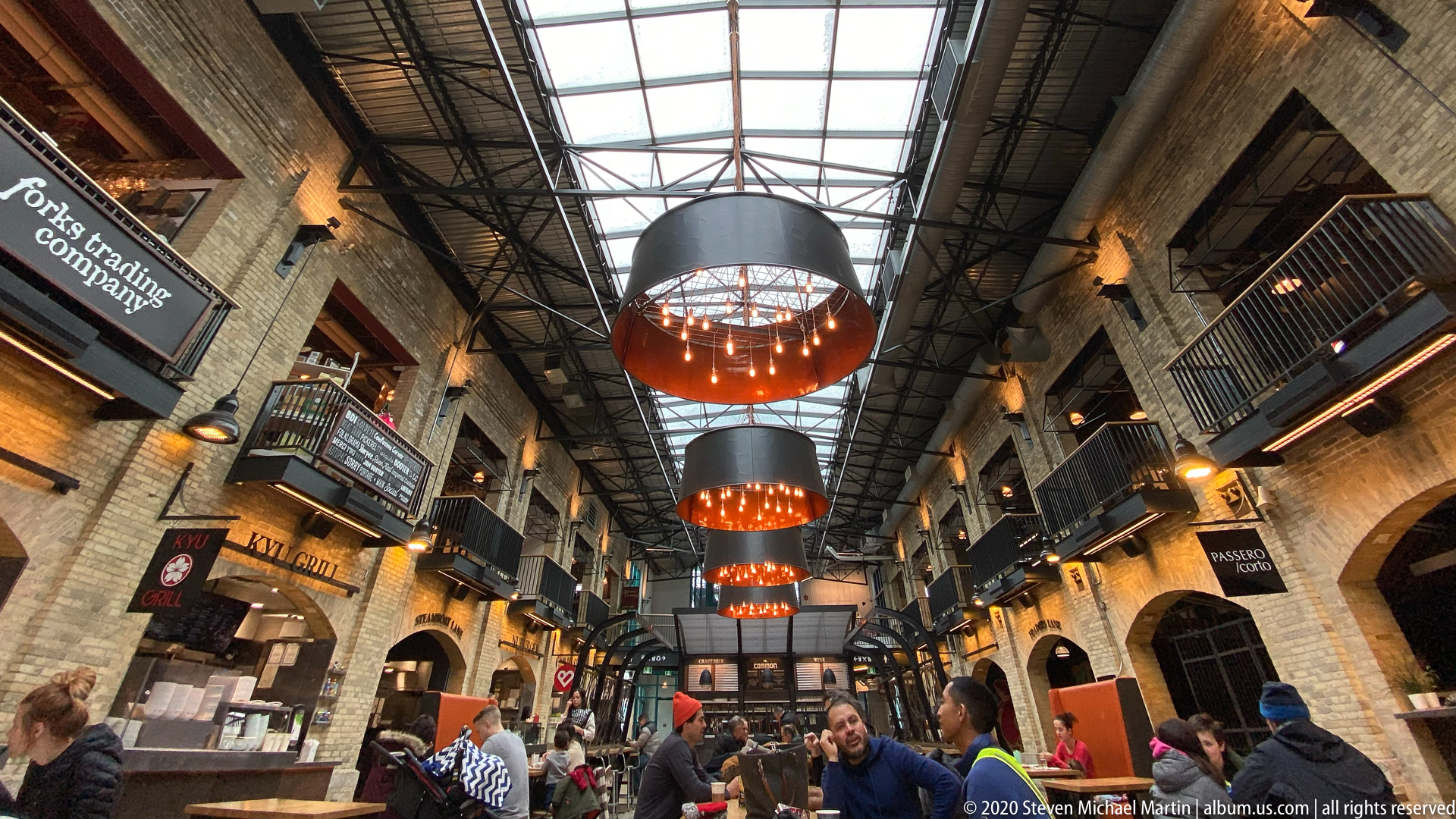
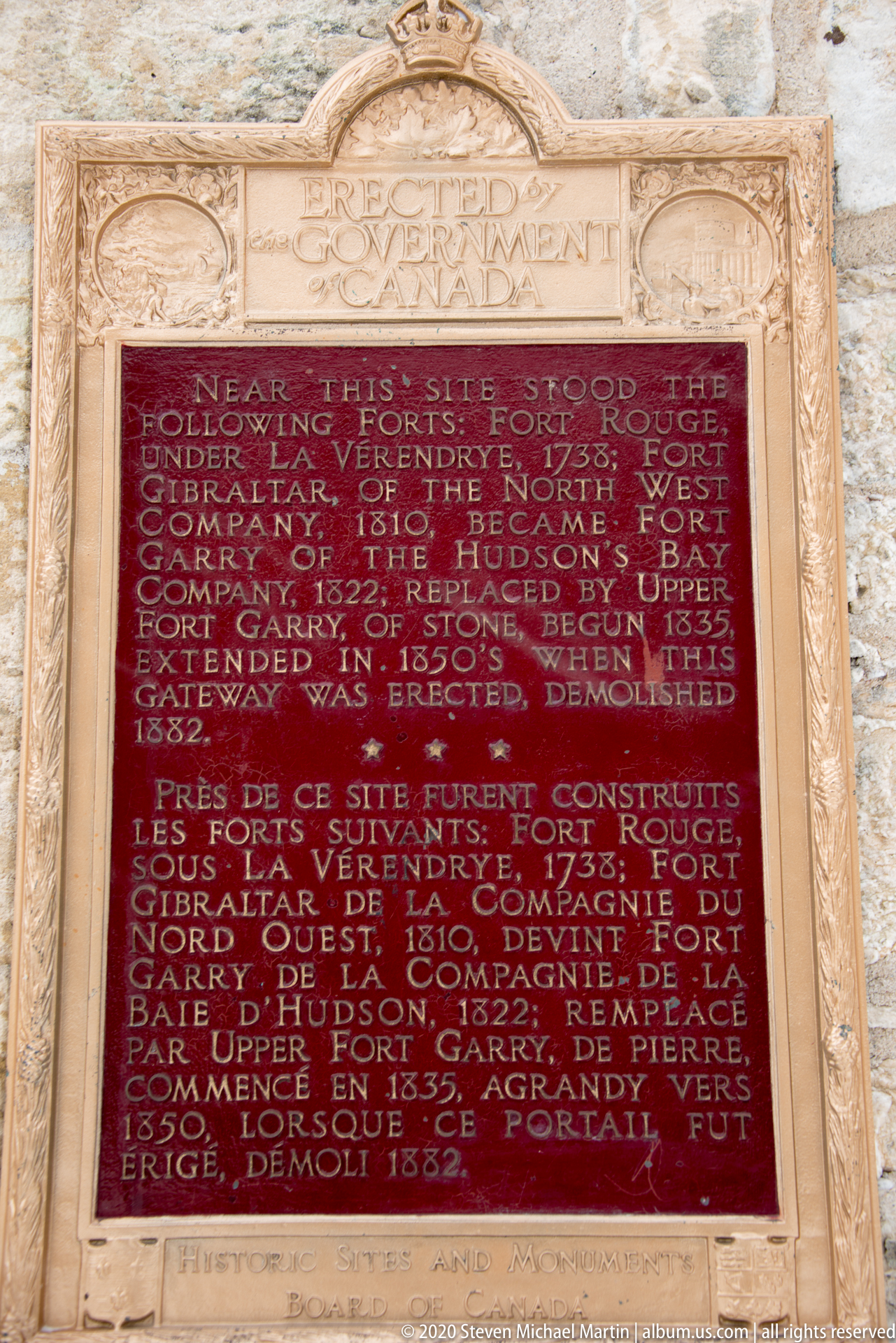
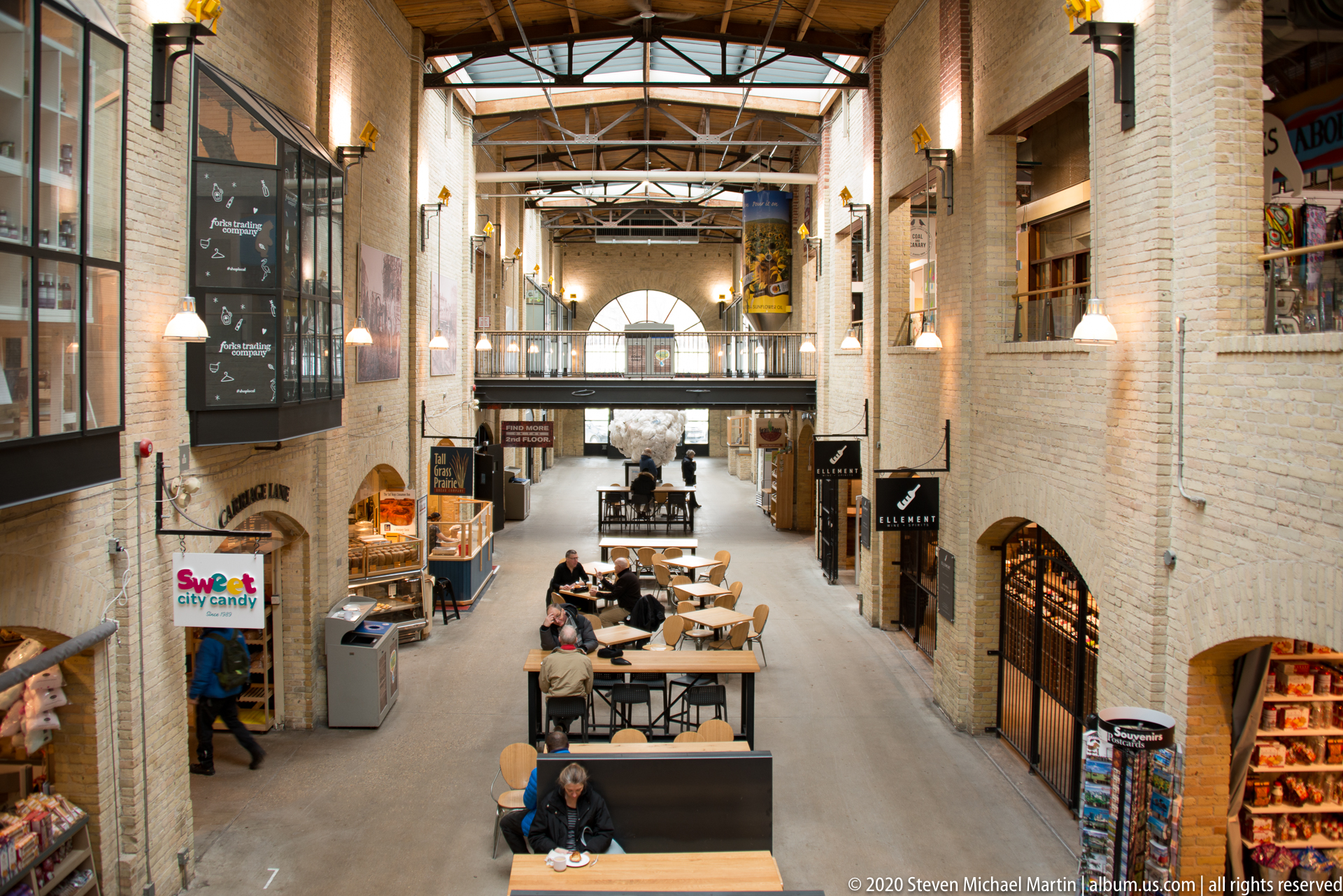
The historic site known as The Forks reflects the longstanding importance of river systems in shaping regional commerce and cultural interaction. Over time, Winnipeg expanded as rail networks connected prairie communities to national and international markets, supporting agricultural development and urban growth. The city’s architecture and public spaces reflect this evolution from trading post to modern metropolitan center.
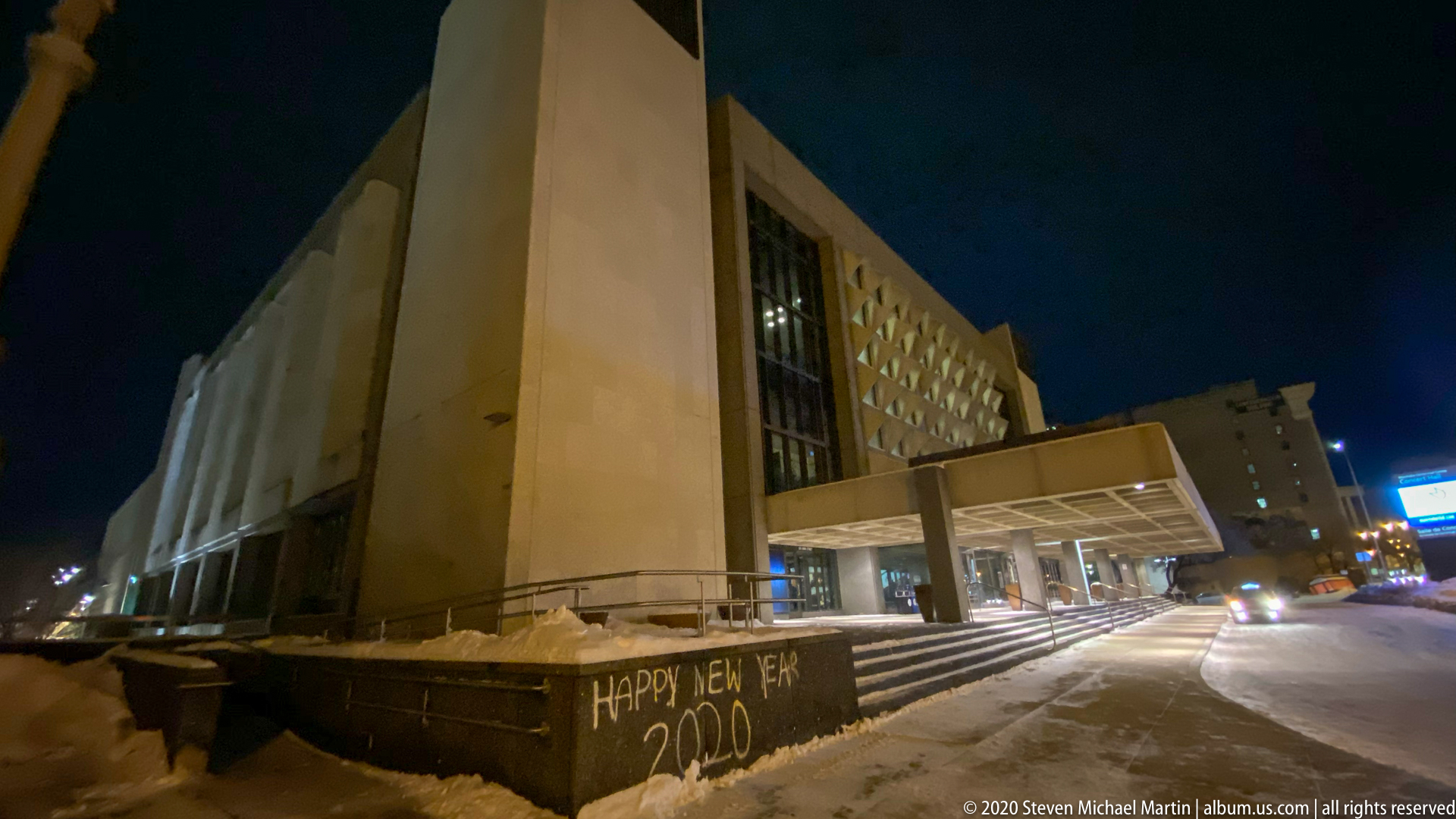
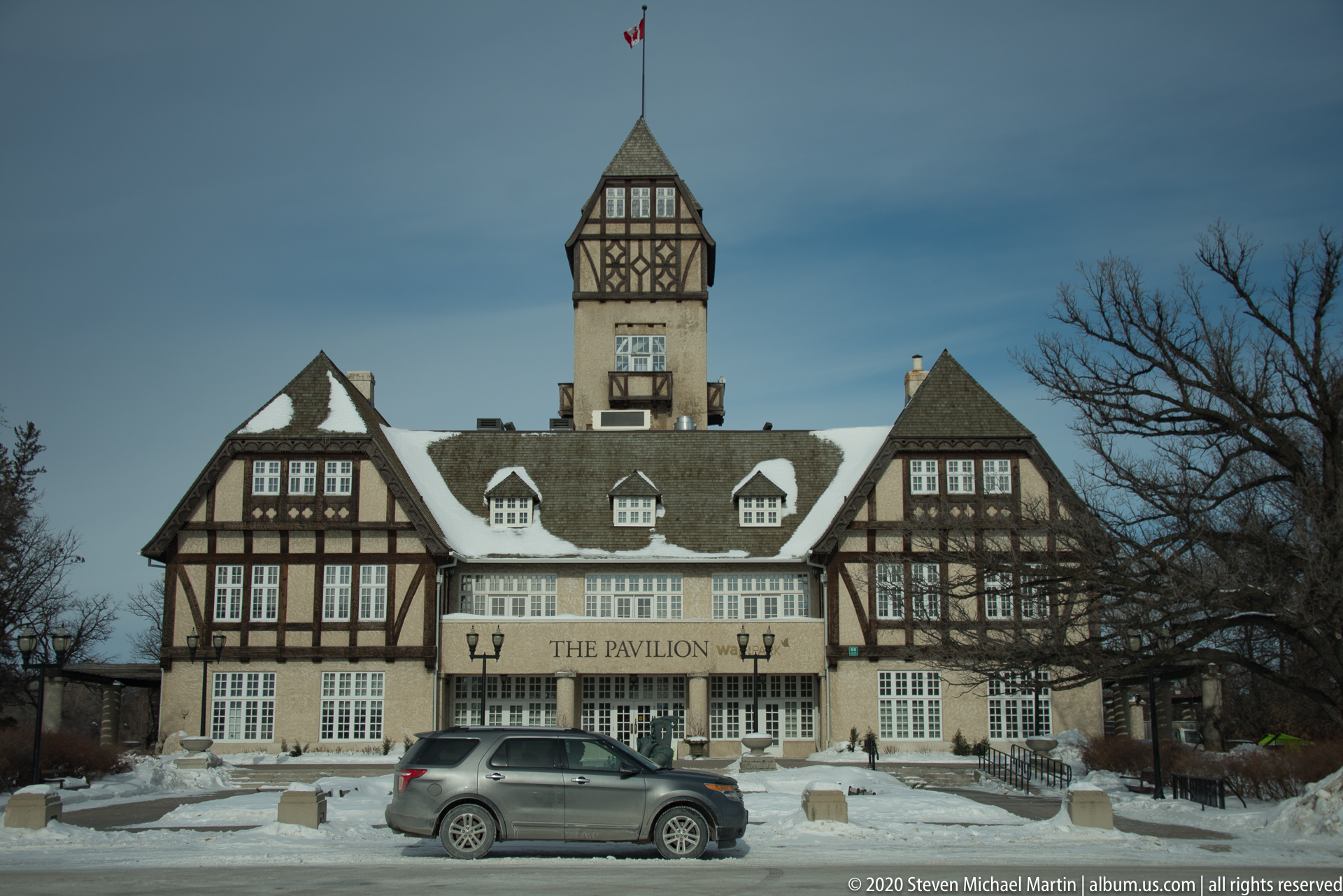
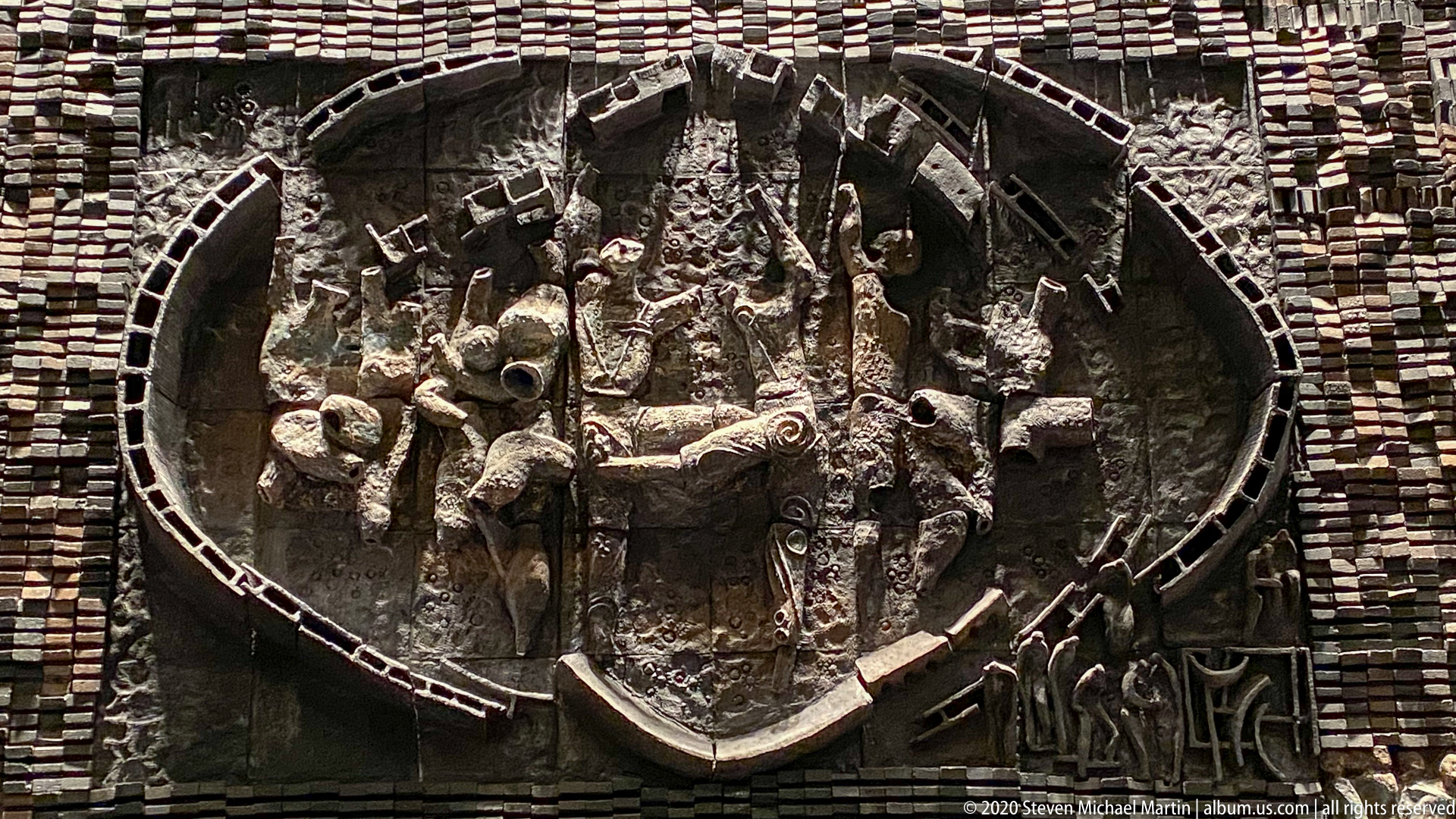
Winnipeg continues to serve as a cultural focal point for Manitoba, with institutions and public spaces that highlight both historical heritage and contemporary artistic expression. The city illustrates how transportation networks and geographic position contribute to the development of communities that bridge local traditions and broader national identity.