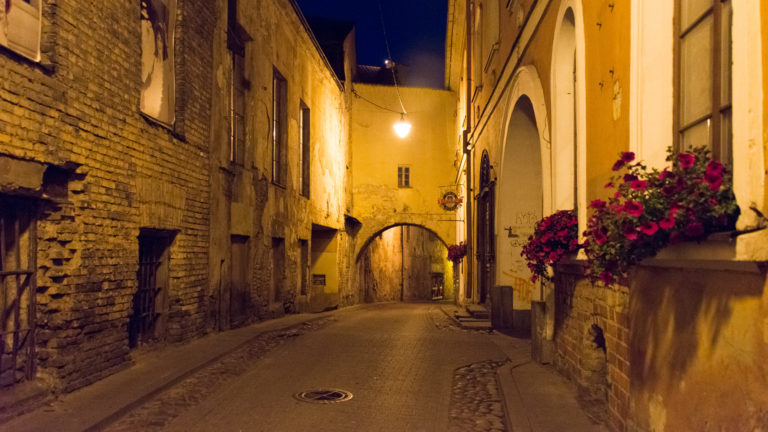
Vilnius, Lithuania
Vilnius – Lithuania Vilnius, the capital of Lithuania, lies at the confluence of the Neris and Vilnia Rivers in the […]
Explore Portfolio
Lithuania reflects a cultural landscape shaped by its historic role as a political and geographic crossroads between central and eastern Europe. The capital city of Vilnius developed as an important center within the Polish-Lithuanian Commonwealth, whose influence extended across much of eastern Europe during the early modern period. The city’s historic core preserves architectural traditions reflecting centuries of political change and cultural exchange influenced by Baltic, Slavic, and Central European traditions.
Vilnius is particularly known for its concentration of Baroque churches and historic civic buildings that contribute to one of the largest preserved historic districts in the Baltic region. Religious institutions played an important role in shaping the architectural character of the city, where ornate facades and carefully preserved streets illustrate the evolution of urban design influenced by shifting political authority and regional identity.
The Vilnius portfolio documents the visual character of a city shaped by religious tradition, artistic expression, and historical continuity. Photographing Vilnius highlights the relationship between architectural preservation and the broader cultural landscape of the Baltic states, illustrating Lithuania’s role within the historical development of northern and eastern Europe.
The following itineraries include locations in this country:
