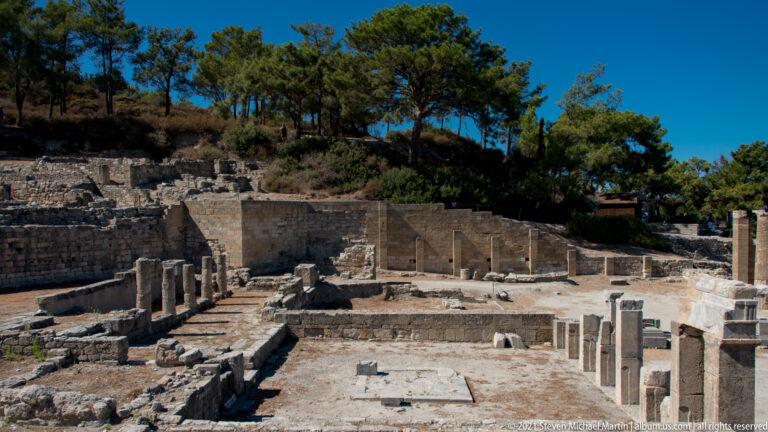
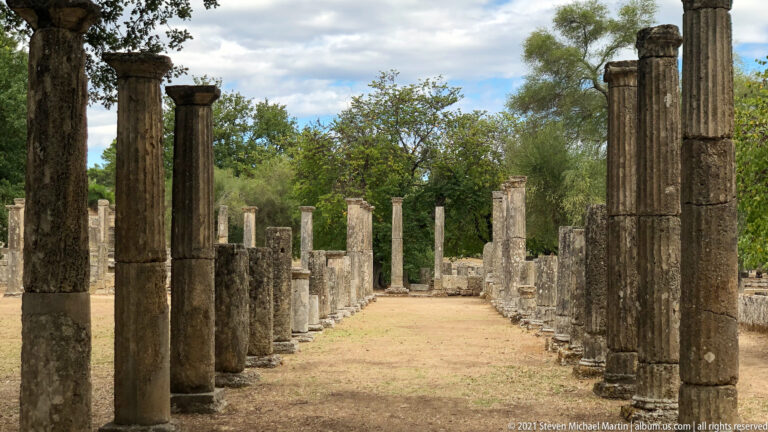
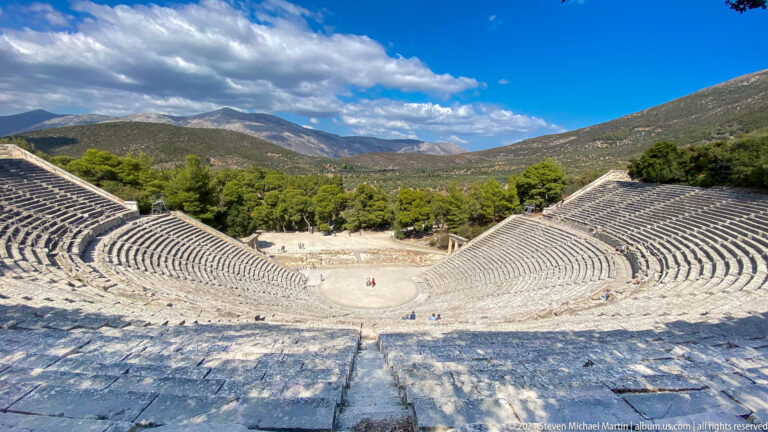
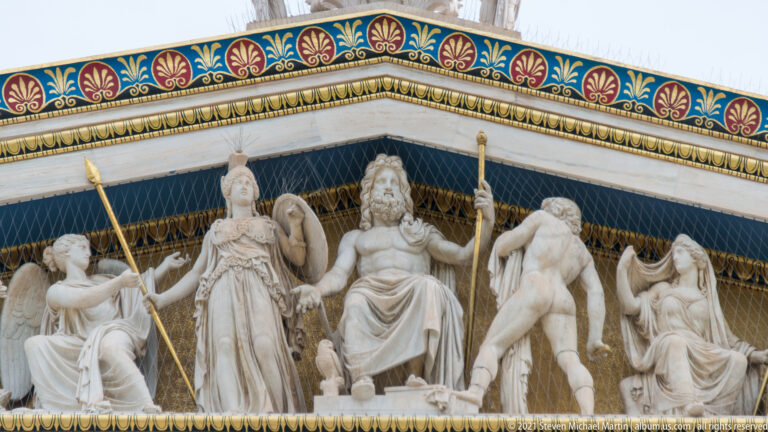
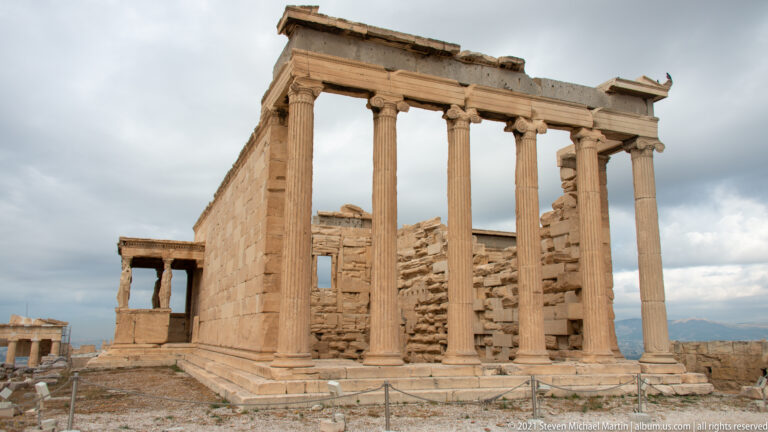
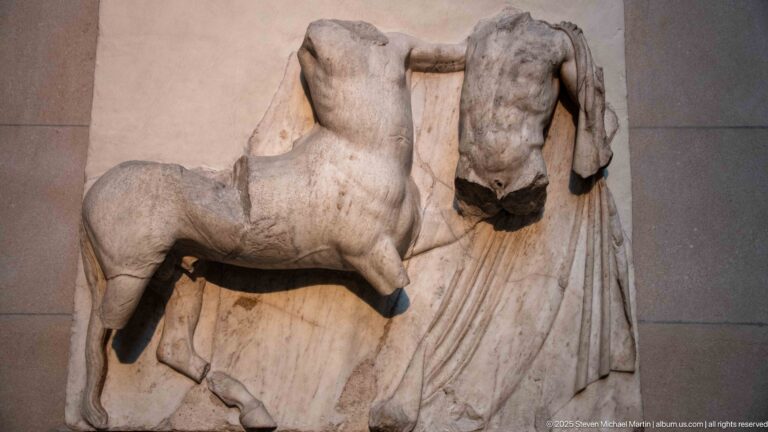
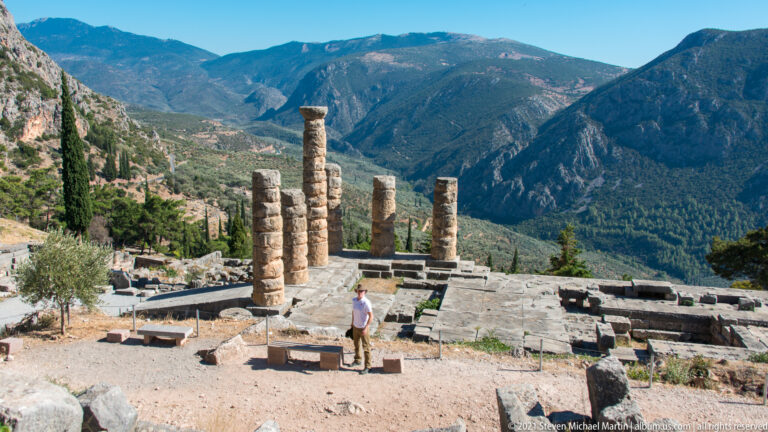
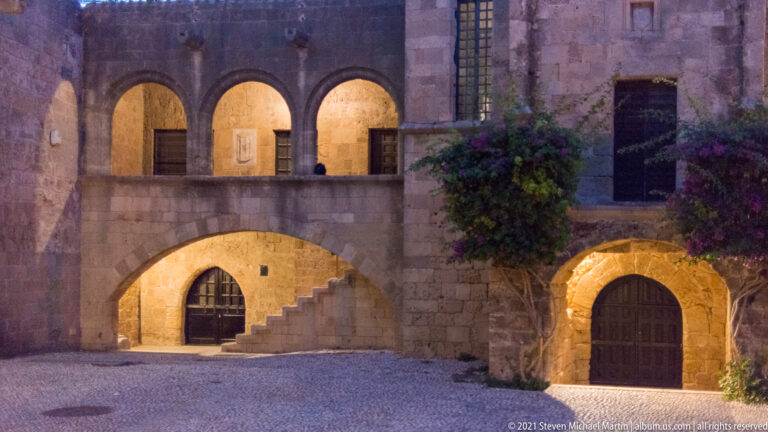
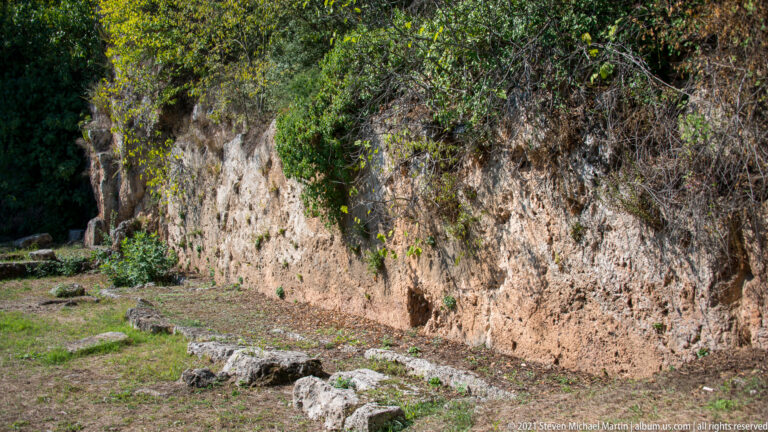
Greece preserves one of the most influential cultural landscapes in the Mediterranean world, reflecting more than three thousand years of intellectual, political, and artistic development. Early visits documented in Greece and Athens and Mykonos introduced the architectural legacy of classical civilization, whose contributions to philosophy, mathematics, governance, and artistic expression continue to shape modern society. Major archaeological sites including the Acropolis, Delphi, Epidaurus, and Olympia illustrate the geographic and religious context in which early Greek culture developed, preserving monumental architecture associated with civic life, athletics, and spiritual tradition.
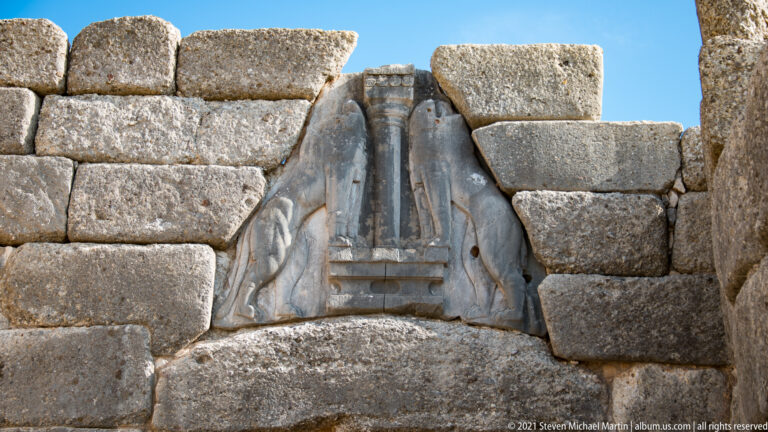
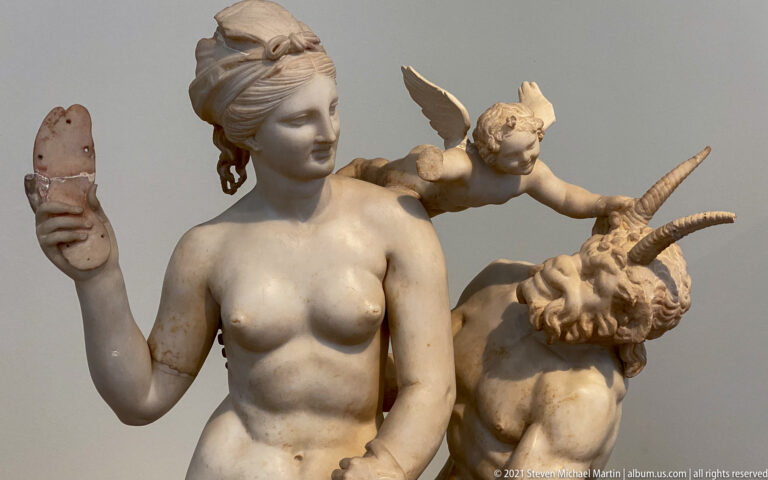
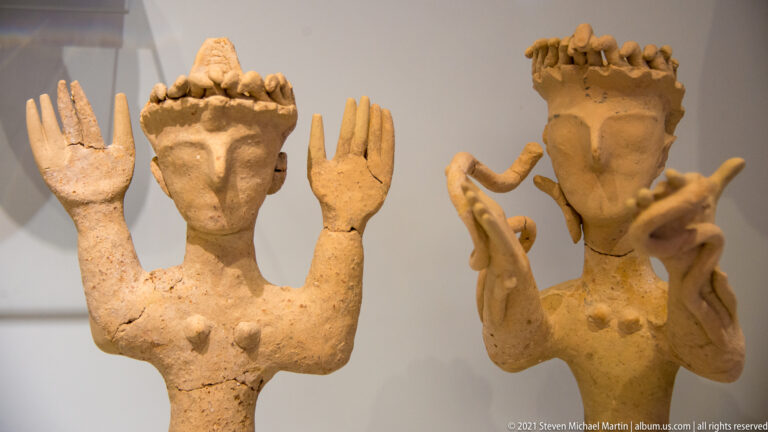
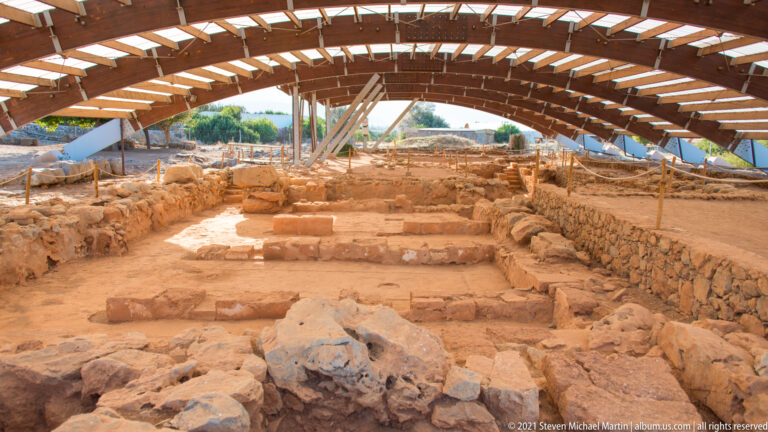
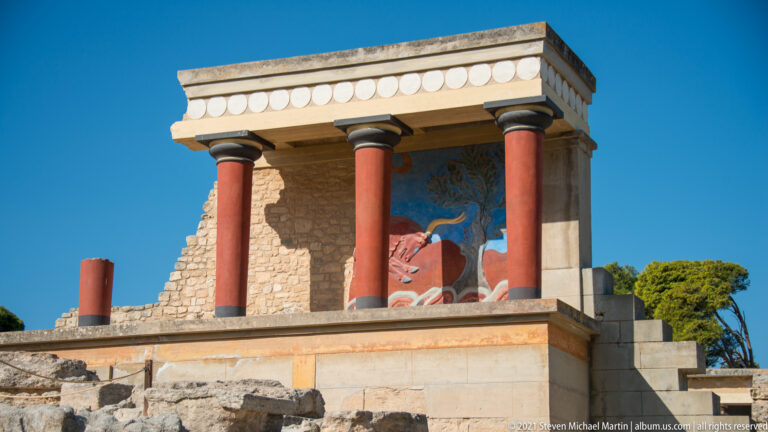
The origins of Greek civilization extend even earlier to Bronze Age societies preserved at sites such as Knossos, Malia, and Mycenae. These archaeological environments provide insight into early Mediterranean trade networks and the emergence of complex political organization. Museums including the Heraklion Archaeological Museum, National Archaeological Museum, and Epigraphical Museum preserve artifacts that document the artistic and technological development of early Greek societies.
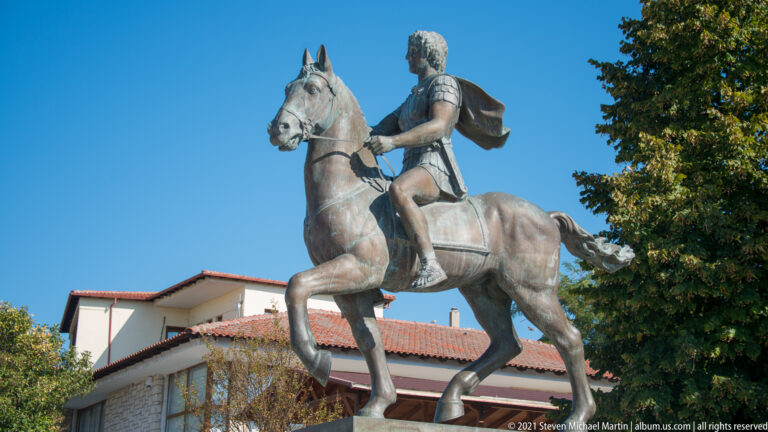
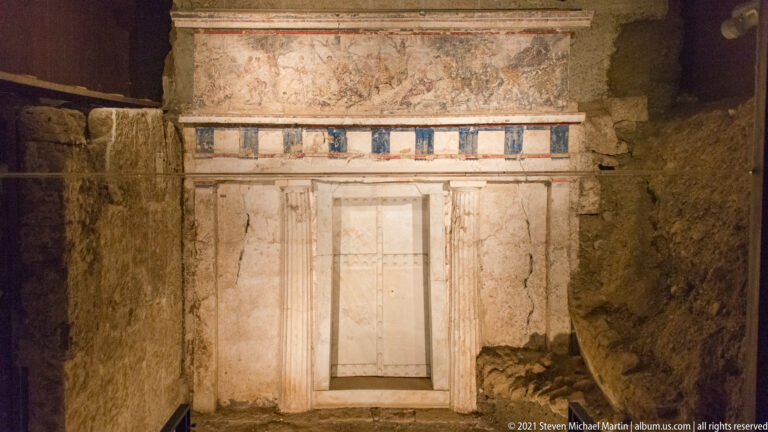
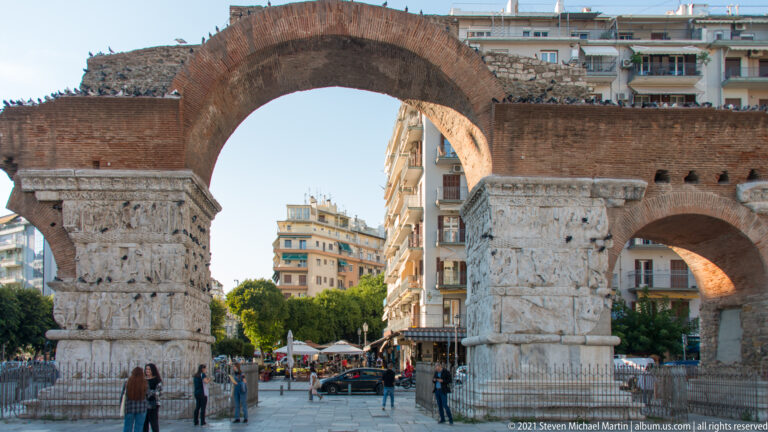
Northern Greece reflects the expansion of Hellenistic culture associated with Macedon. Important sites including Pella, Aigai, Aristotle’s School, and Dion illustrate the political and intellectual environment that shaped the rise of Alexander the Great and the spread of Greek cultural influence across Europe, North Africa, and Asia. The city of Thessaloniki and the early Christian church of Agios Demetrios reflect the transition from classical traditions to the Byzantine period.
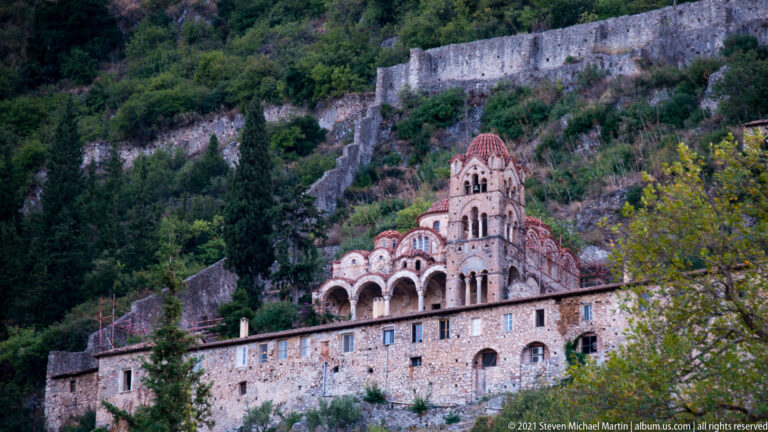
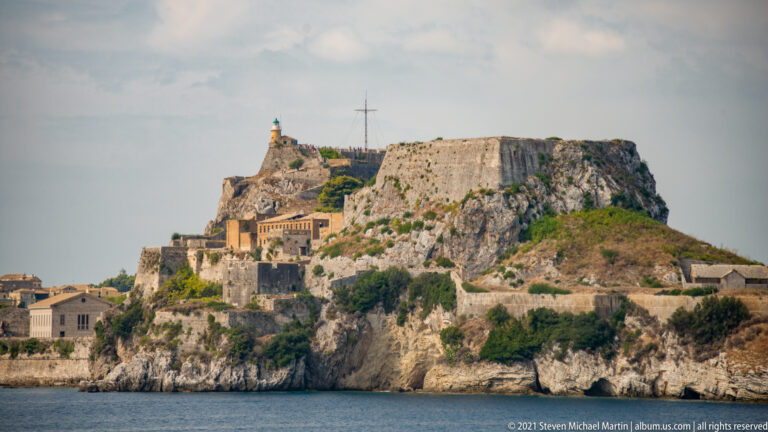
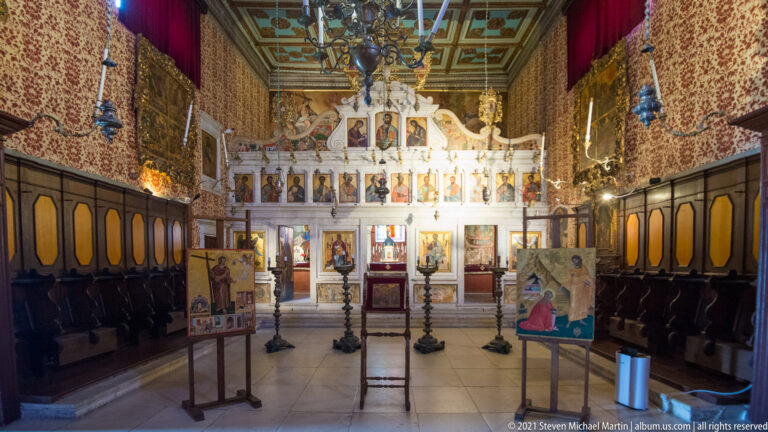
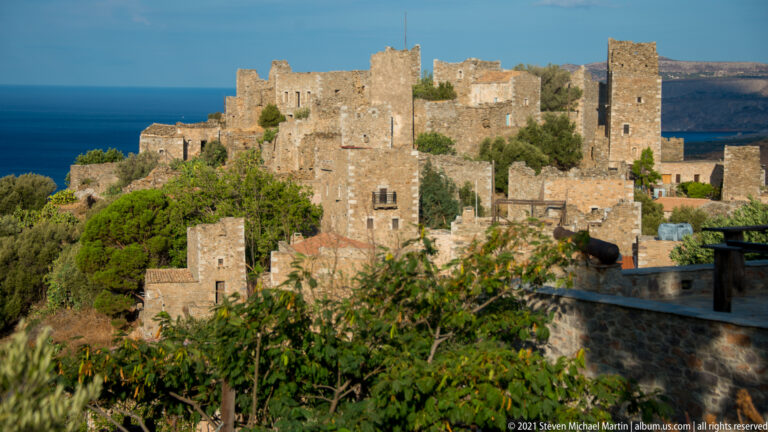
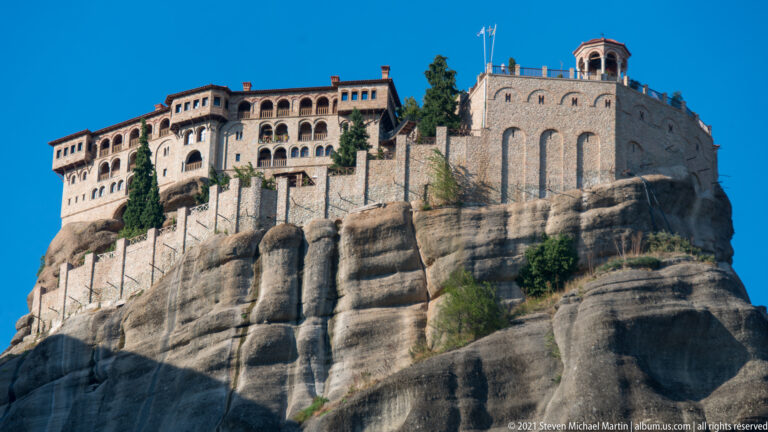
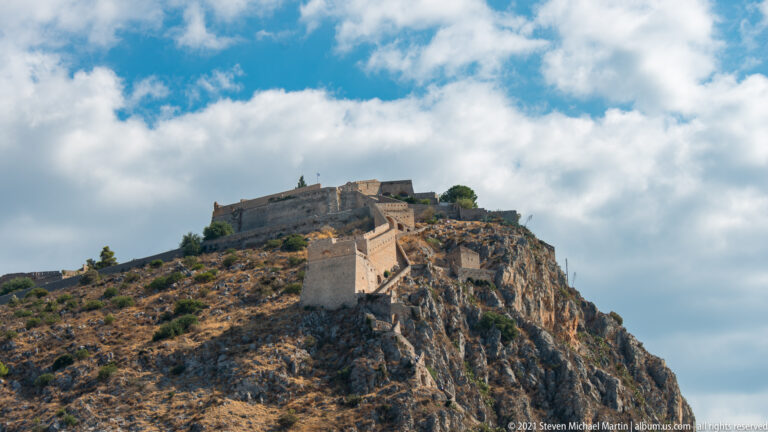
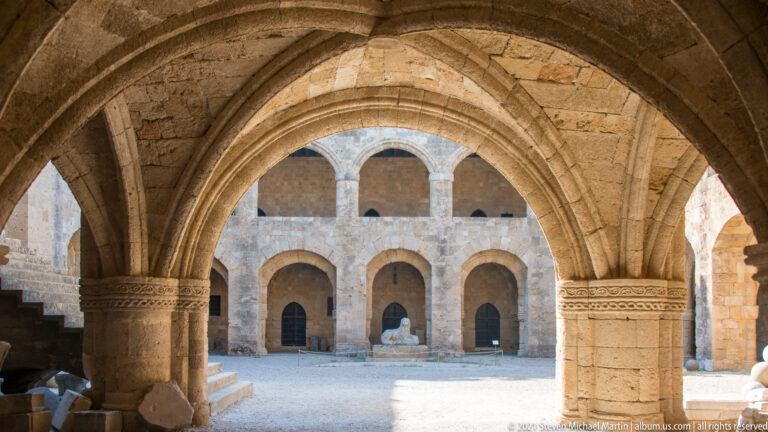
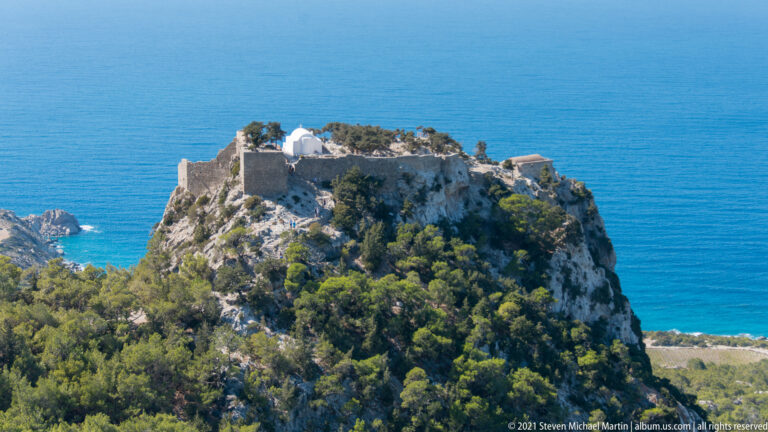
Byzantine and medieval influences remain visible in locations such as Mystras and the monastic complex of Meteora, where religious architecture occupies dramatic elevated rock formations that emphasize both spiritual isolation and defensive strategy. Coastal fortifications such as Palamidi Fortress and the historic region of the Mani Peninsula illustrate the role of geography in shaping political autonomy and regional identity.
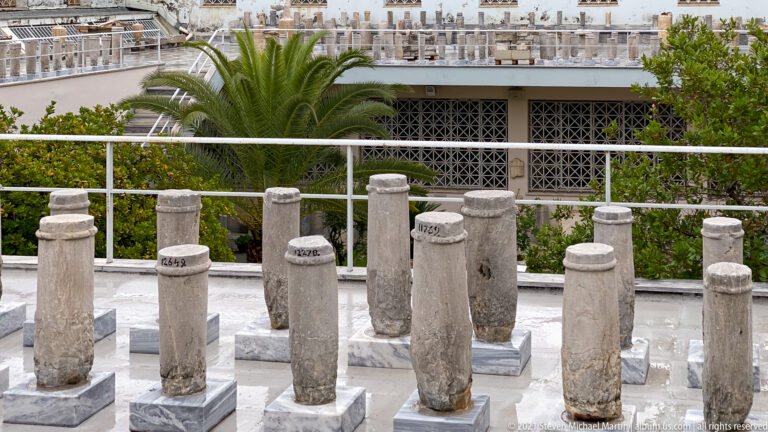
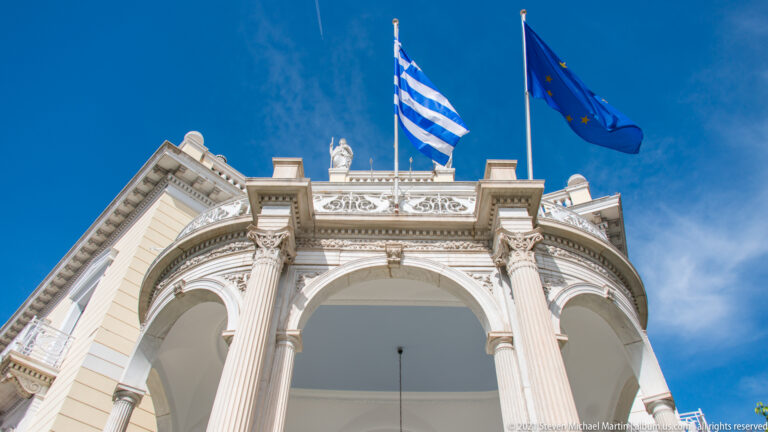
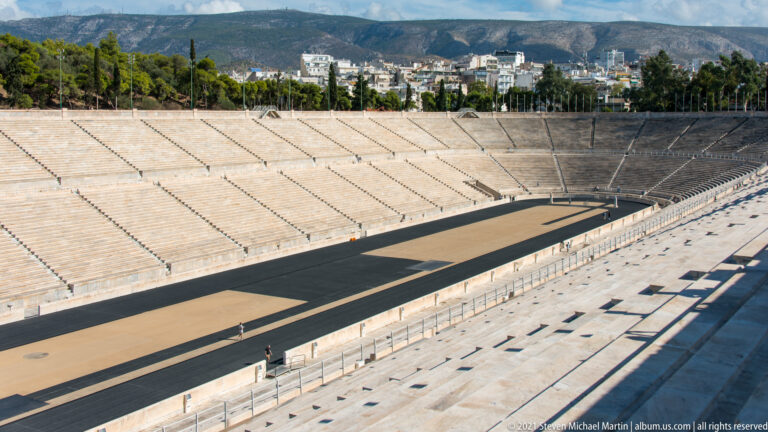
Later historic sites in Athens, including the Panathenaic Stadium and the Byzantine Museum, demonstrate the continued importance of the capital as a center of cultural preservation and national identity. Repeated visits across many years provide an opportunity to observe the continuity of archaeological conservation and the enduring influence of Greek civilization on European history.
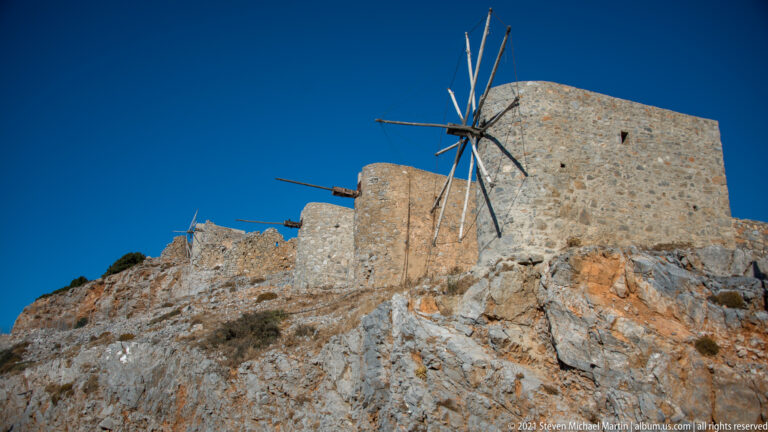
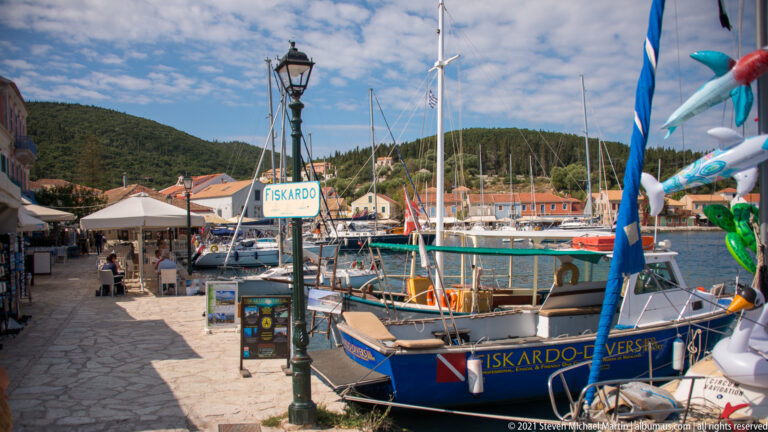
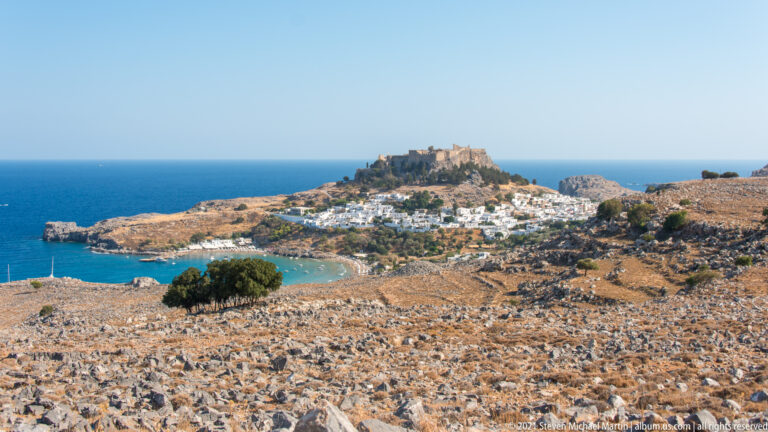
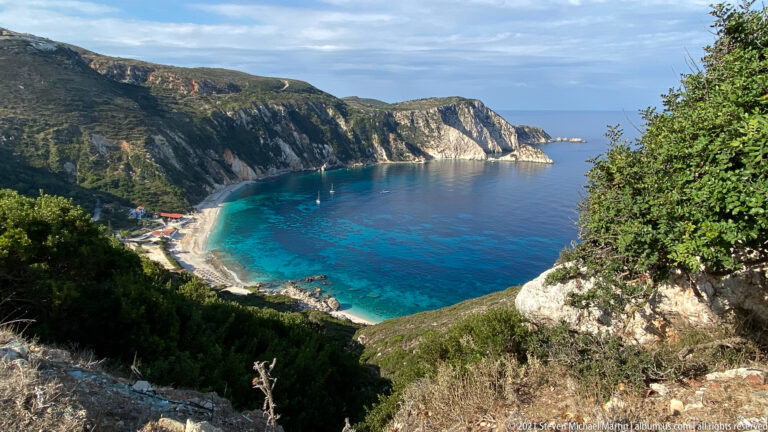
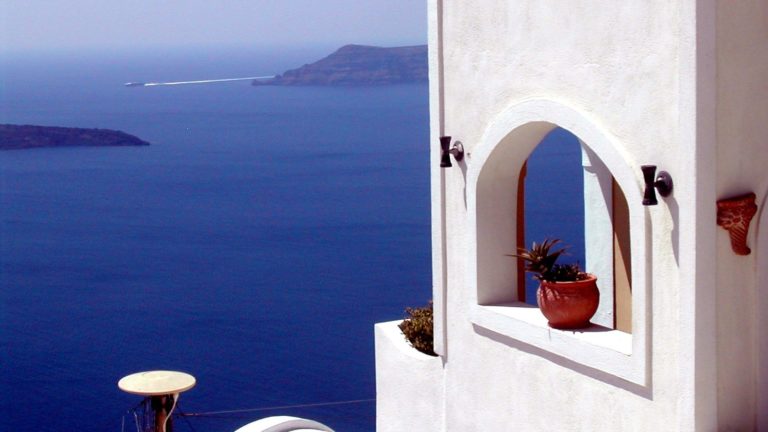
Photographing Greece emphasizes the visual contrast between ancient stone structures, mountainous terrain, and coastal landscapes shaped by the Mediterranean climate. From Bronze Age palaces to Byzantine monasteries and island communities, the breadth of sites represented across these portfolios illustrates the exceptional historical depth that defines Greece as one of the foundational regions of western civilization.
National Archaeological Museum of Athens The National Archaeological Museum of Athens contains one of the most comprehensive collections of ancient […]
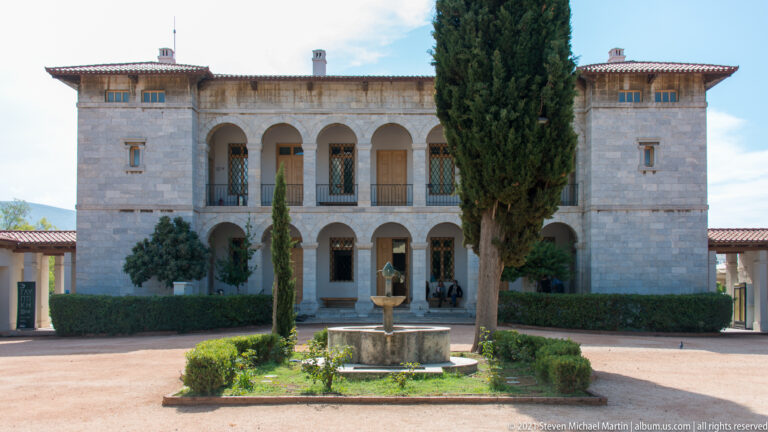
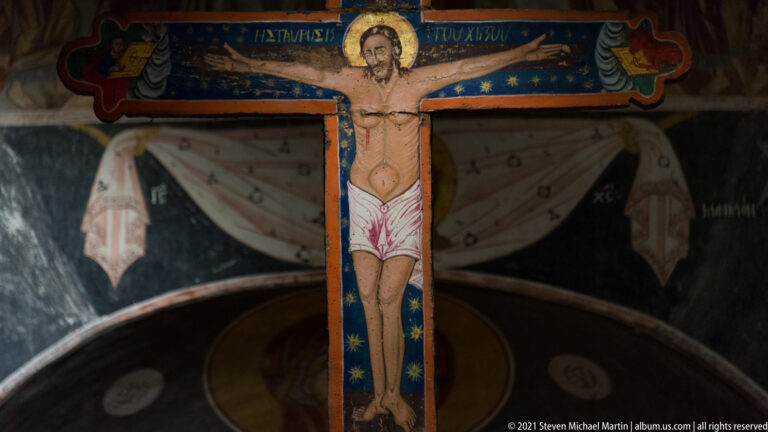
Byzantine and Christian Museum The Byzantine and Christian Museum presents artifacts that illustrate the development of religious art and architecture […]