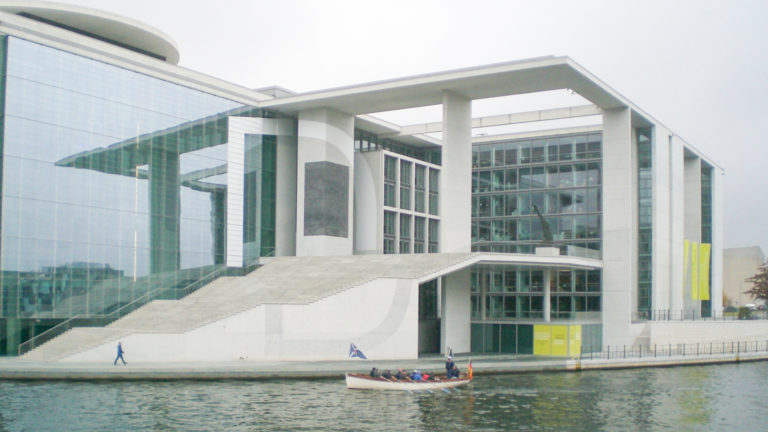
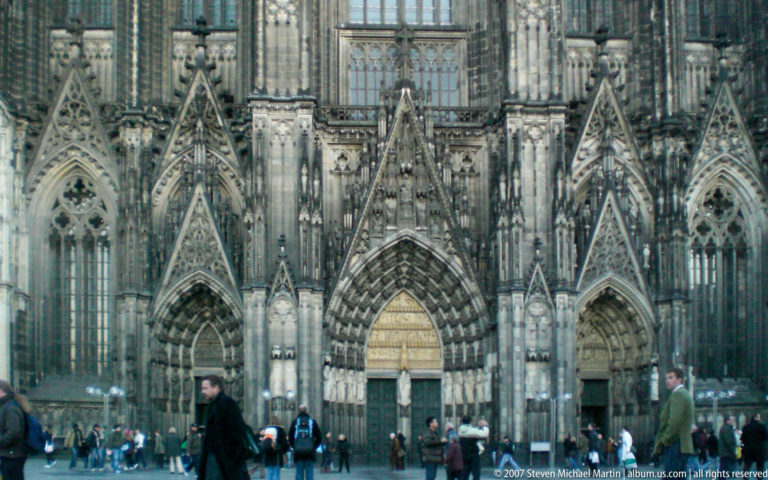
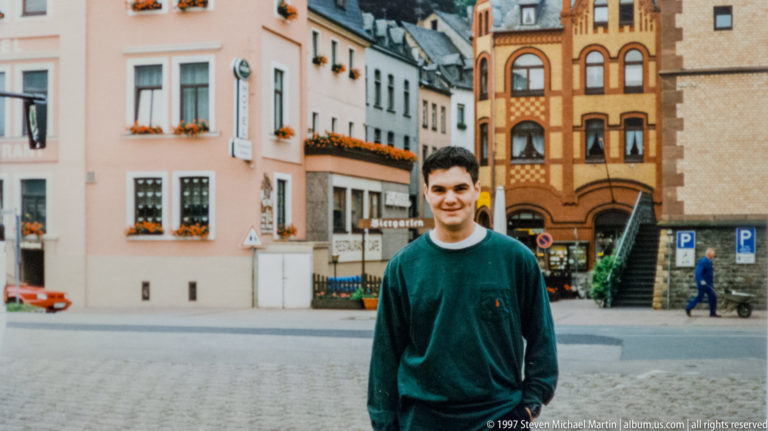
Germany’s cultural landscape reflects more than two thousand years of European history shaped by trade, religion, political transformation, and regional identity. Located at the geographic center of the continent, Germany developed as a crossroads connecting northern trading ports, central European imperial cities, and southern Alpine regions. Cities such as Berlin, Munich, and Cologne illustrate the evolution of political authority, religious architecture, and cultural tradition across successive historical periods. Early visits to locations including St. Goar along the Rhine River reflect the importance of waterways in shaping settlement patterns and facilitating trade between regions.
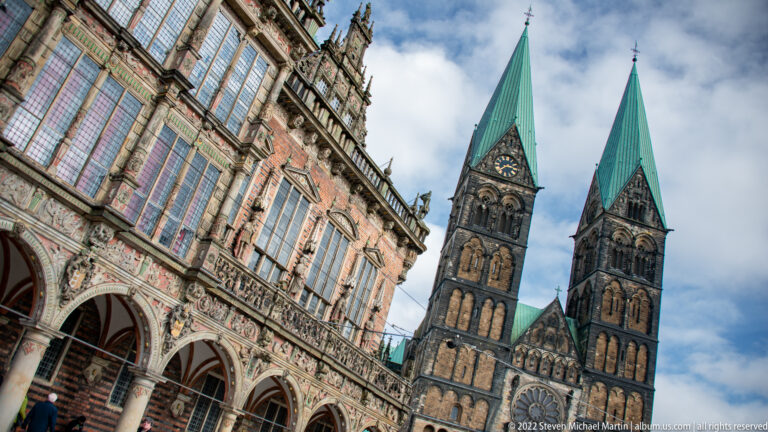
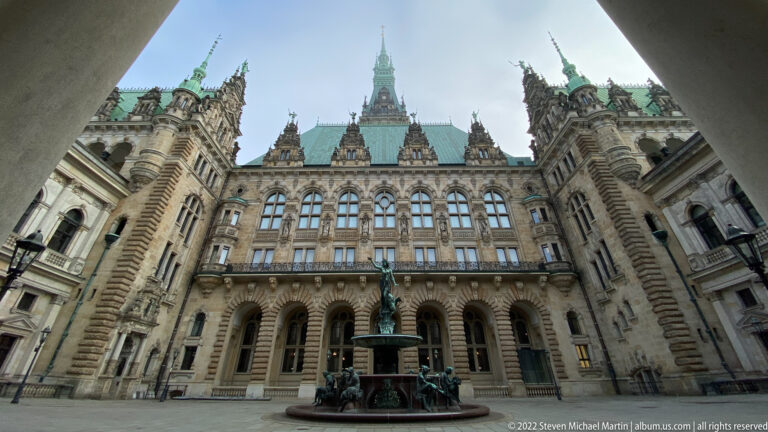
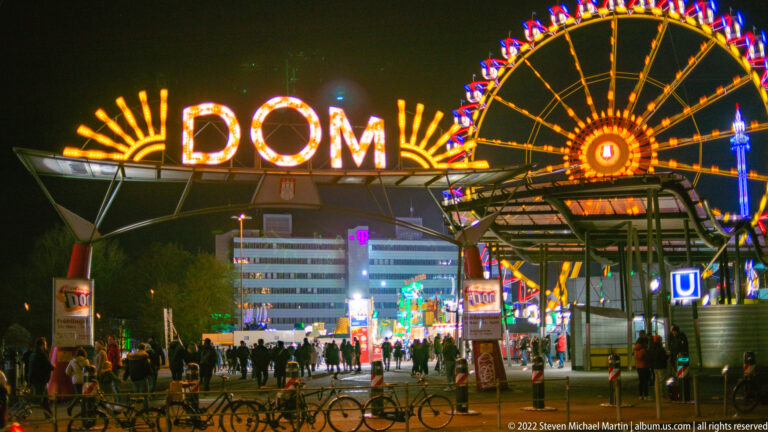
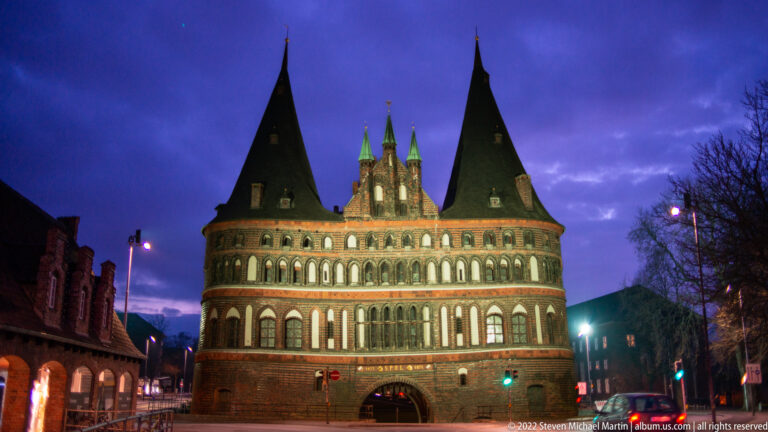
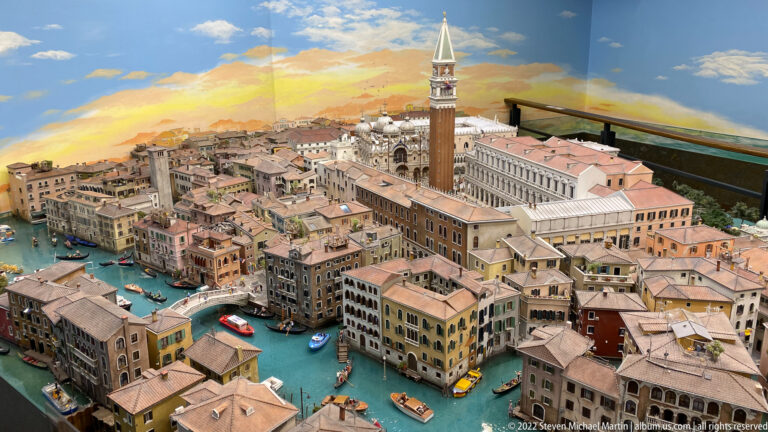
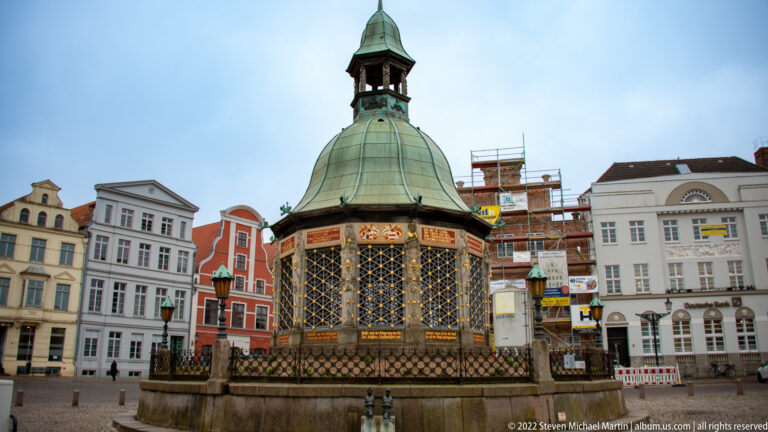
Northern Germany preserves the architectural legacy of the Hanseatic League, a medieval commercial network that connected trading cities across the Baltic and North Seas. Historic urban centers such as Lübeck, Wismar, Bremen, and Hamburg illustrate the economic importance of maritime commerce during the medieval period. Cultural institutions such as Miniatur Wunderland demonstrate the continued influence of engineering and craftsmanship traditions, while events such as Hamburger Dom reflect the social and cultural life of modern German cities.
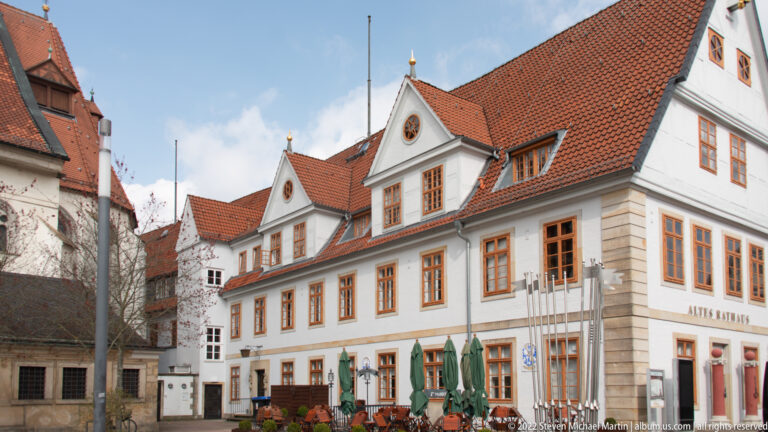
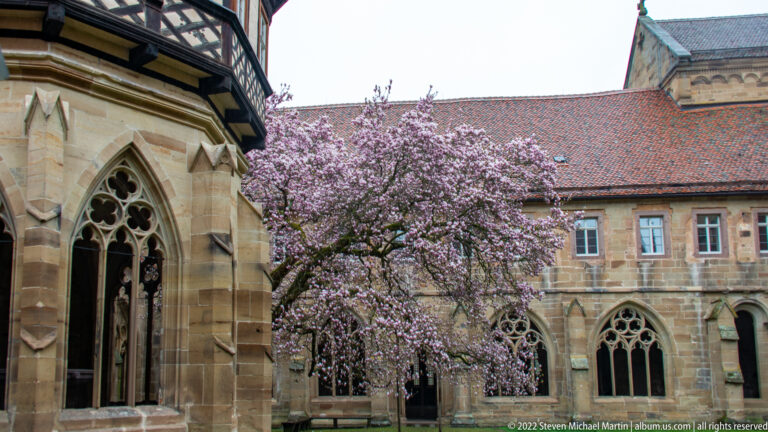
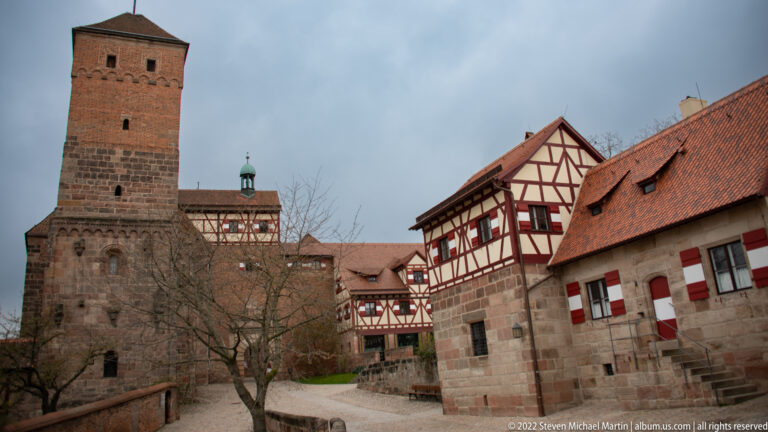
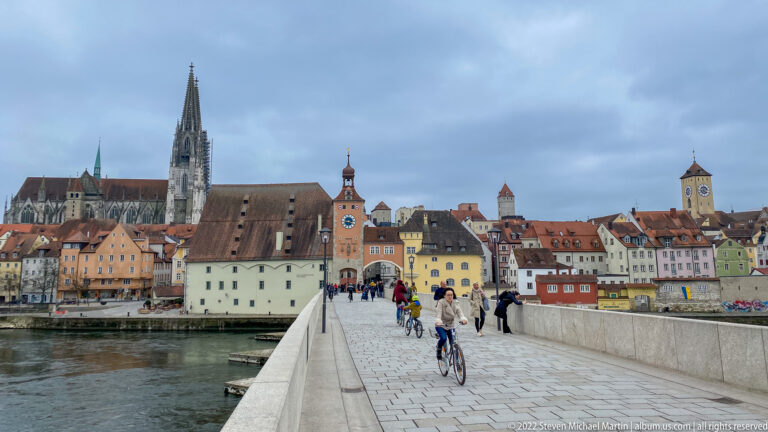
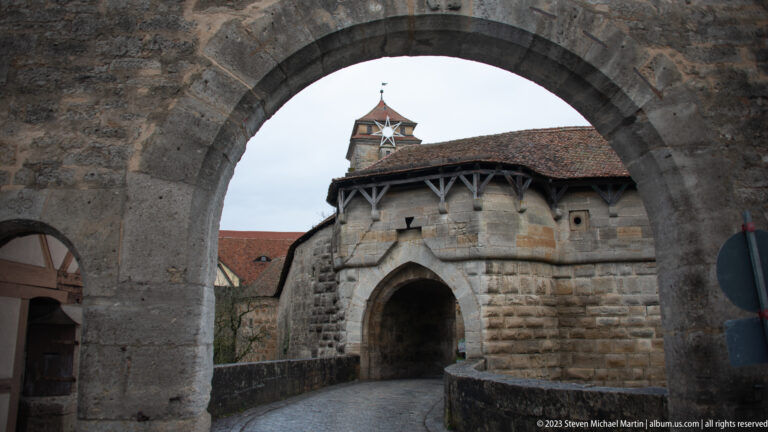
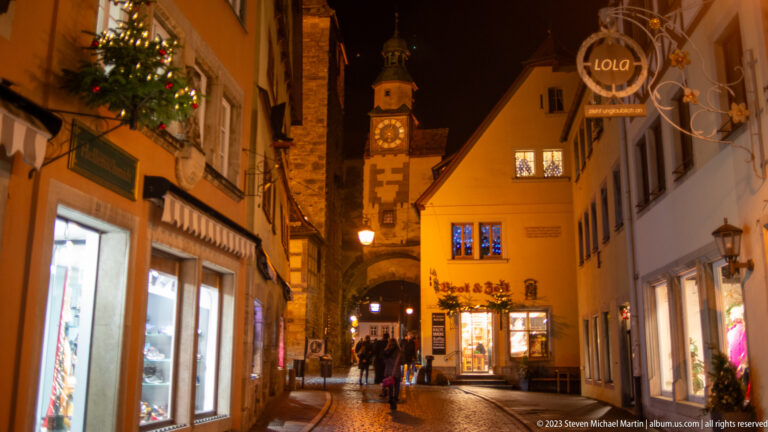
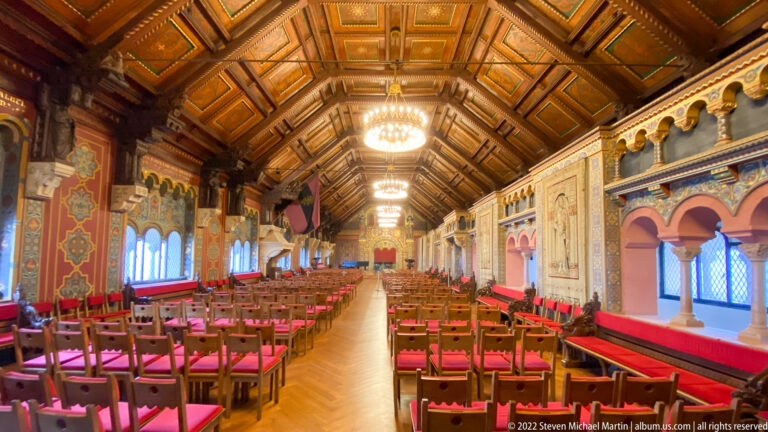
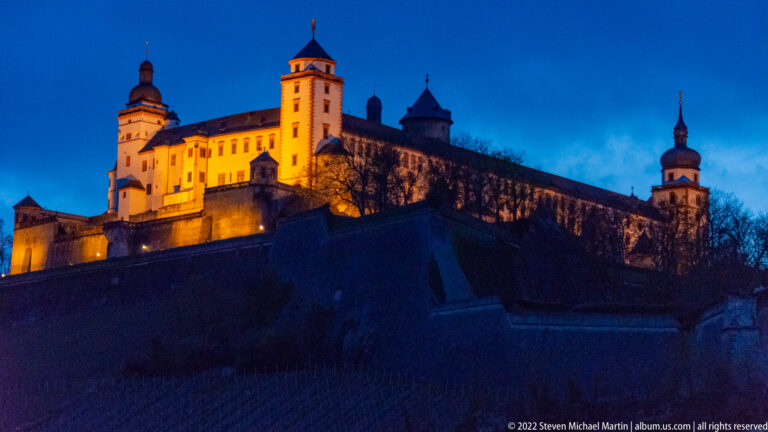
Central Germany contains many of the country’s best-preserved medieval and early modern towns, where timber-framed architecture and fortified urban layouts illustrate the continuity of settlement across centuries. Historic locations such as Regensburg, Nuremberg, Rothenburg ob der Tauber, Würzburg, and Celle demonstrate the visual identity of towns shaped by regional trade routes and political autonomy within the Holy Roman Empire. Religious and monastic traditions are represented by sites such as Maulbronn and the historic hilltop castle of Wartburg, which played an important role in the cultural and religious history of central Europe.
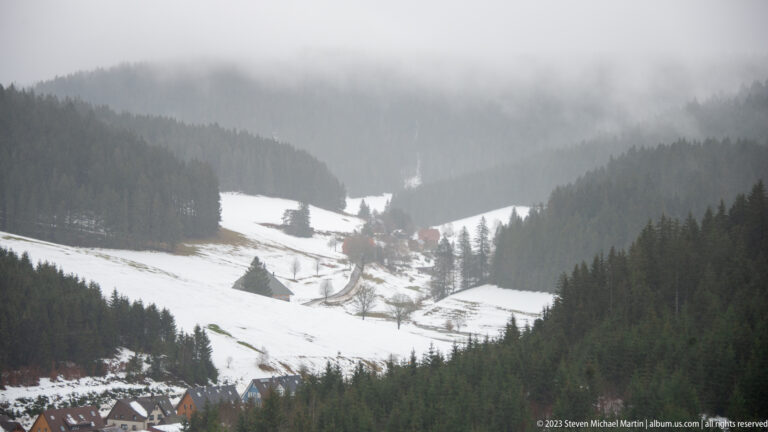
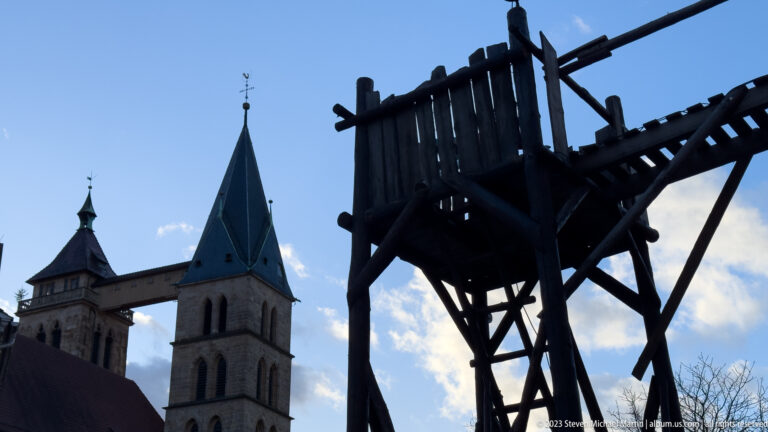
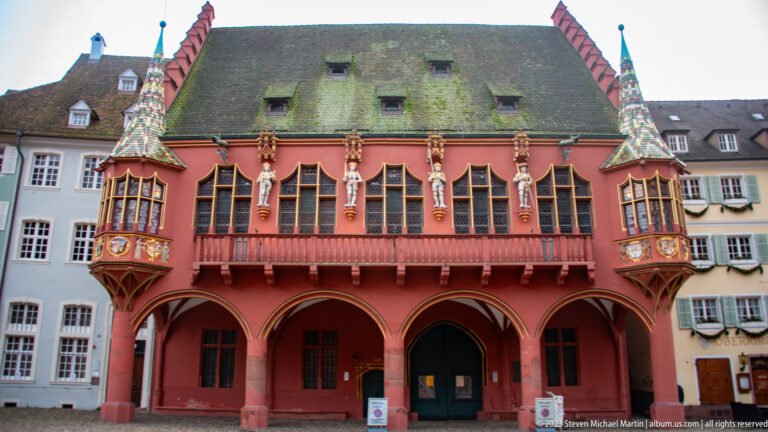
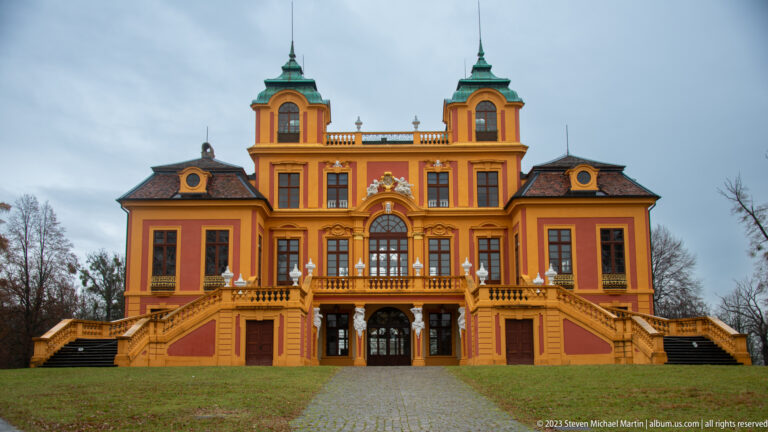
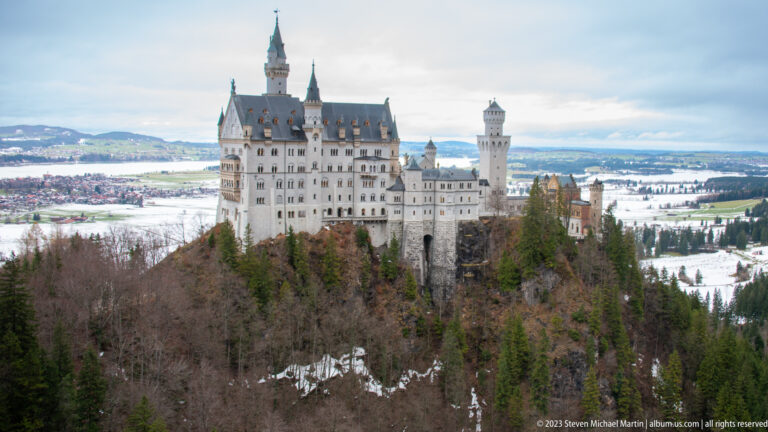
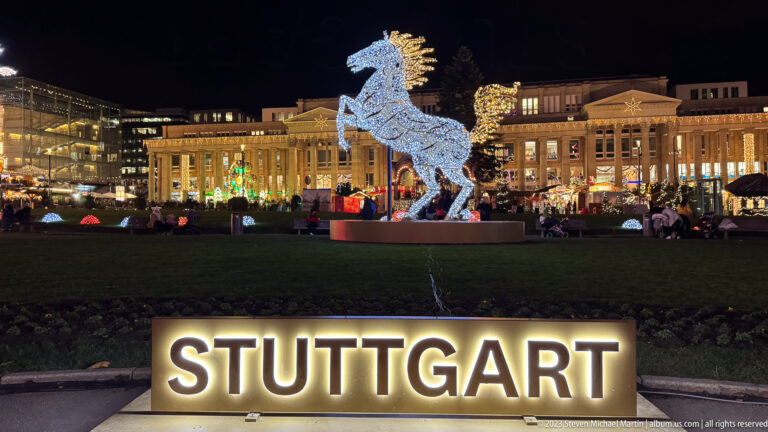
Southern Germany presents landscapes shaped by both geography and royal patronage. The forested environment of the Black Forest contrasts with the urban design of cities such as Stuttgart, Ludwigsburg, and Esslingen, where architectural traditions reflect both medieval origins and later periods of planned urban development. The well-known castles of Neuschwanstein and Hohenschwangau illustrate nineteenth-century Romantic interpretations of medieval architecture that continue to shape popular perceptions of the German landscape.
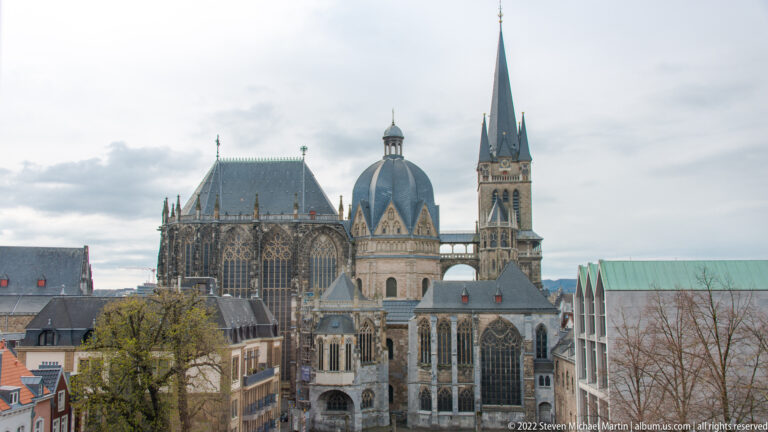
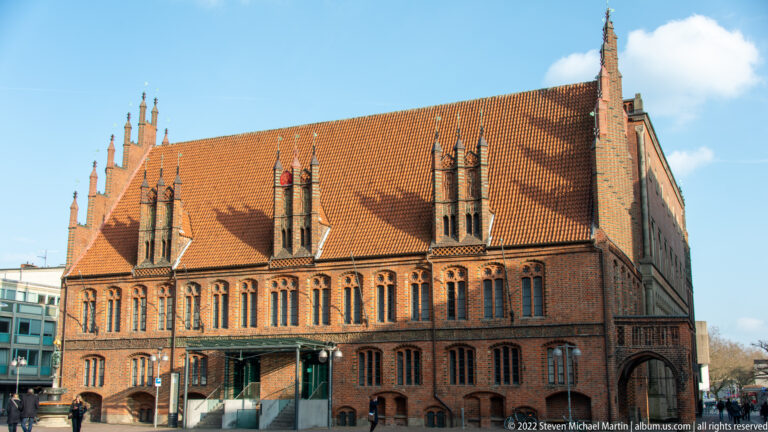
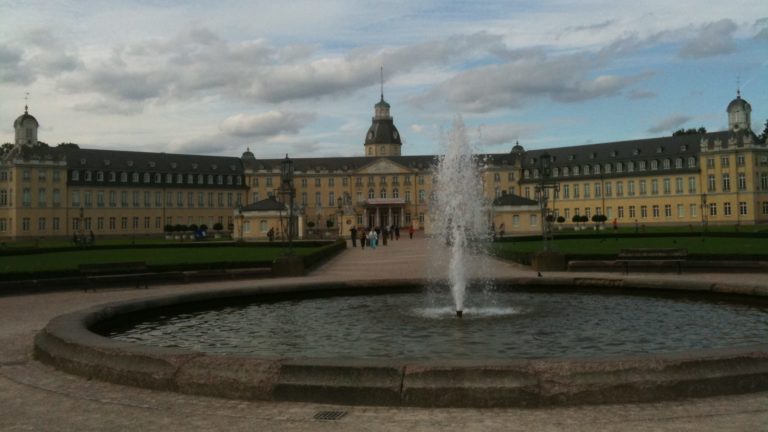
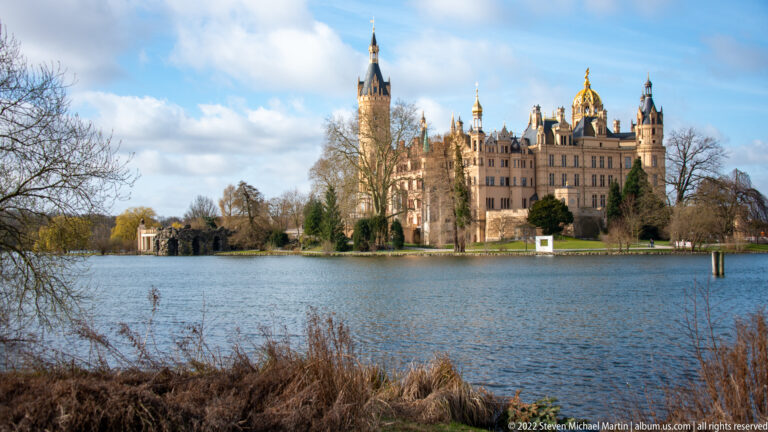
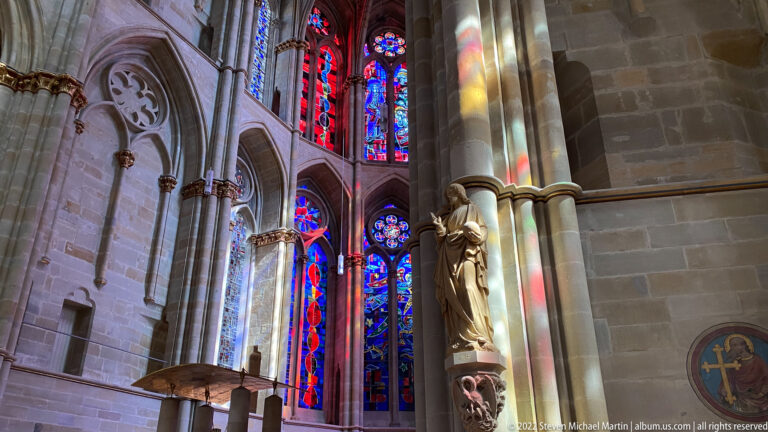
Western Germany preserves important sites connected to early European political development and Roman frontier settlement. Cities such as Trier and Aachen reflect the legacy of the Roman Empire and the later influence of Charlemagne within the Holy Roman Empire. Smaller cities including Schwerin, Hannover, and Karlsruhe illustrate the diversity of regional planning traditions developed across different historical periods.
Repeated visits over many years, including a driving tour connecting multiple regions, provide insight into the variety of architectural styles, landscapes, and historical influences that contribute to Germany’s identity. From medieval trading centers to modern political capitals, the country presents an unusually rich concentration of sites reflecting the evolution of European civilization.
Photographing Germany emphasizes the contrast between Gothic cathedrals, timber-framed towns, river valleys, and forested landscapes that define much of the country’s visual character. The breadth of locations represented across these portfolios illustrates the historical depth and geographic diversity that make Germany one of Europe’s most culturally complex destinations.
Maulbronn Monastery – Baden-Württemberg, Germany The Maulbronn Monastery lies in the rolling countryside of Baden-Württemberg in southwestern Germany. Founded in […]