The Silk Road was not a single road but a vast network of trade routes connecting East Asia with Central Asia, the Middle East, and Europe. For more than 1,500 years, merchants, pilgrims, scholars, and diplomats traveled these routes exchanging goods, ideas, technologies, and religious traditions. The Silk Road shaped the development of civilizations across Eurasia and helped connect distant cultures long before the modern global economy.
Historical Overview
The Silk Road originated during the Han Dynasty around the 2nd century BCE, when trade routes began linking China with Central Asia and the Mediterranean world. Goods such as silk, spices, precious metals, ceramics, and textiles moved across vast distances, while ideas including Buddhism, Christianity, Islam, and technological innovations spread between cultures. The network of routes facilitated one of the earliest forms of global exchange.
Rather than a single road, the Silk Road consisted of interconnected land and sea routes crossing deserts, mountains, and river valleys. Important trading cities developed along these corridors, becoming centers of scholarship, religion, and artistic production. Cities such as Xi’an, Samarkand, and Constantinople became cosmopolitan hubs where merchants and travelers exchanged knowledge as well as goods. }
The influence of the Silk Road extended far beyond commerce. Scientific discoveries, artistic traditions, architectural styles, and religious beliefs moved across continents through cultural contact along these routes. The Silk Road helped shape the development of societies across Eurasia and continues to represent an important symbol of intercultural exchange.
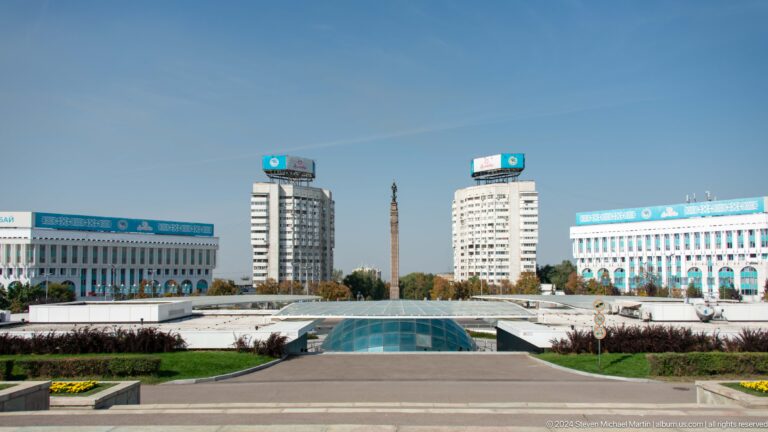
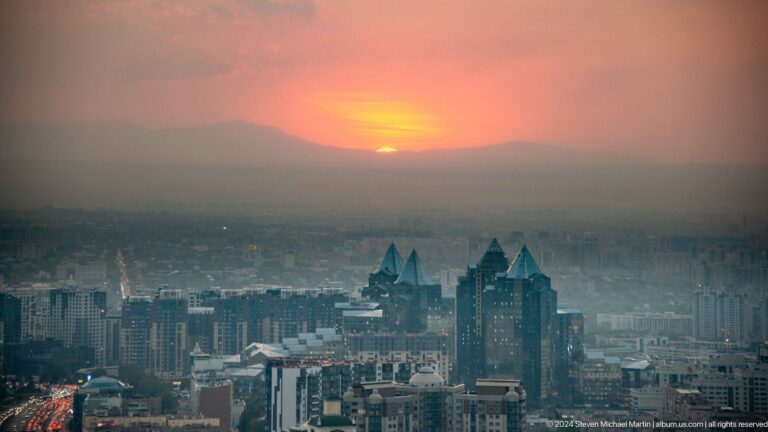
Almaty Almaty developed as an important administrative and commercial center in southeastern Kazakhstan, located near historic routes linking Central Asia […]
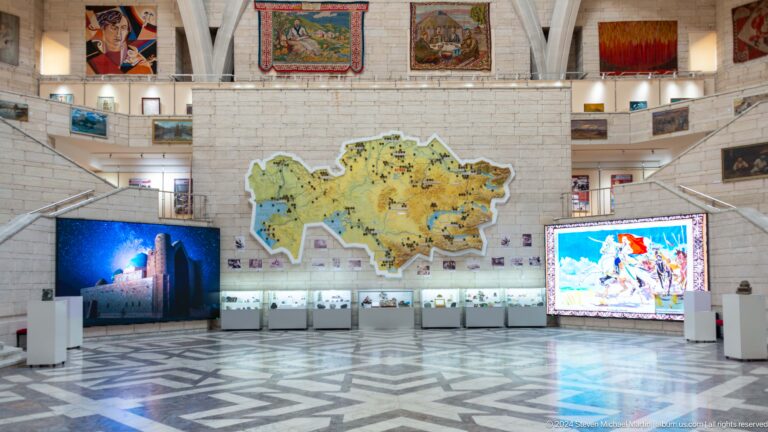
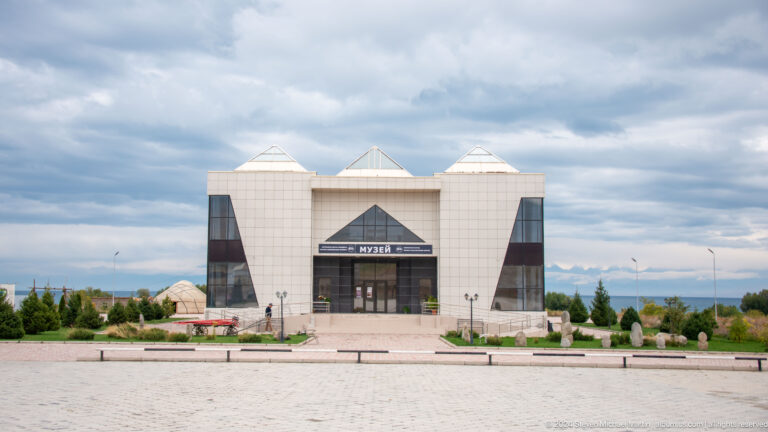
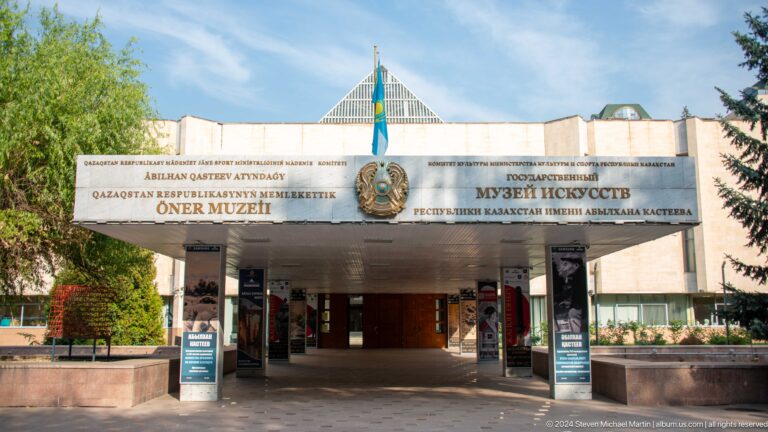
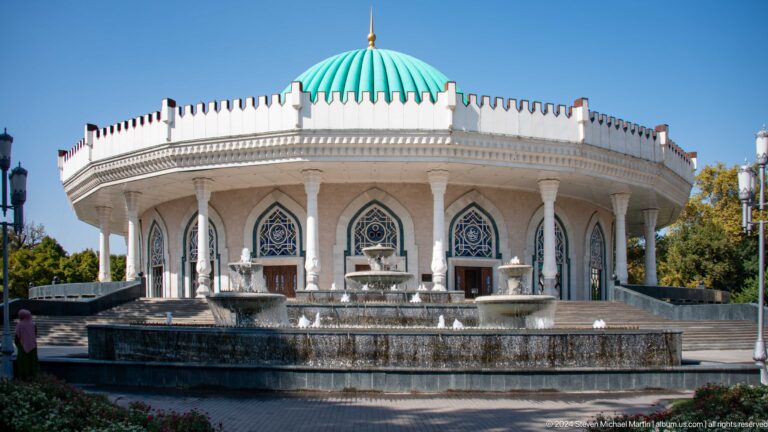
Almaty Central State Museum The Central State Museum of Kazakhstan presents historical artifacts documenting the development of Central Asian civilizations […]
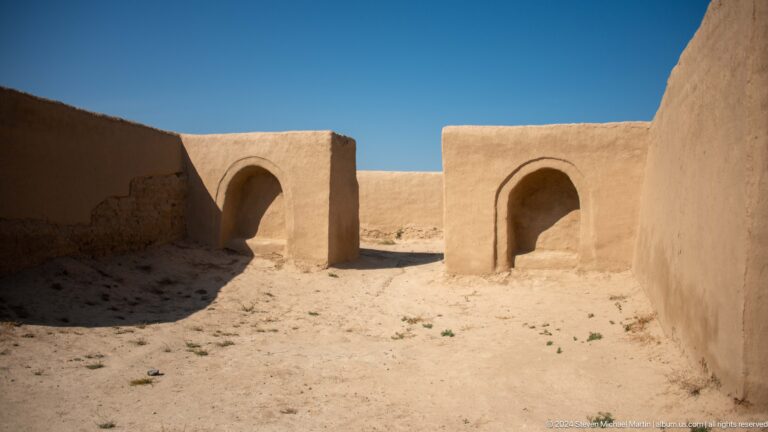
Ancient Panjakent Ruins The ruins of ancient Panjakent in present-day Tajikistan represent one of the most important archaeological sites associated […]
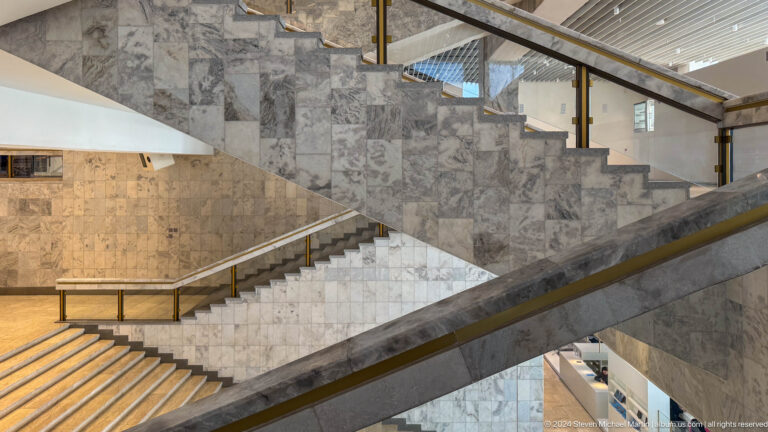
Bishkek State History Museum The Bishkek State History Museum presents historical material illustrating the cultural development of Kyrgyzstan and the […]
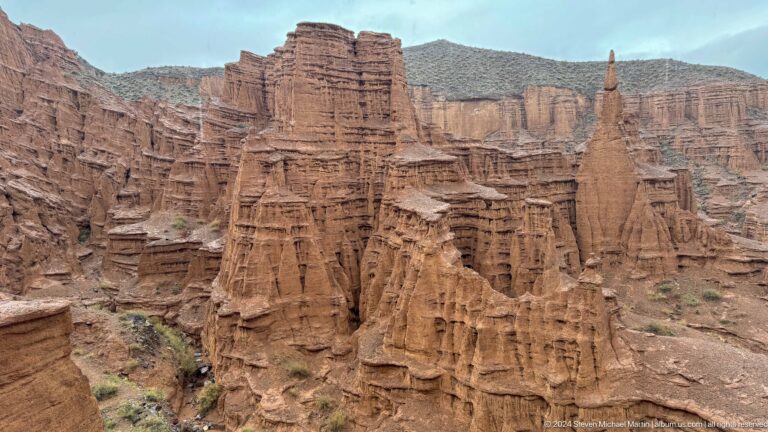
Kok-Moinok Canyon Kok-Moinok Canyon is located in Kyrgyzstan and illustrates the rugged terrain characteristic of Central Asia’s mountainous landscapes. Geographic […]
Panjakent Panjakent developed as an important regional center in present-day Tajikistan and reflects the cultural heritage of the Sogdian civilization, […]
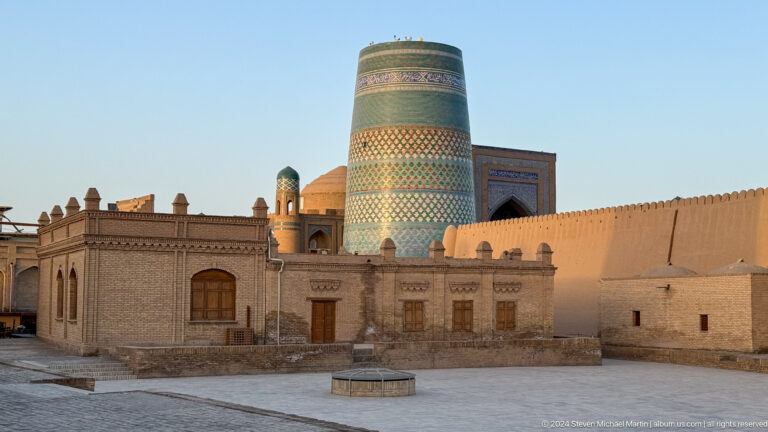
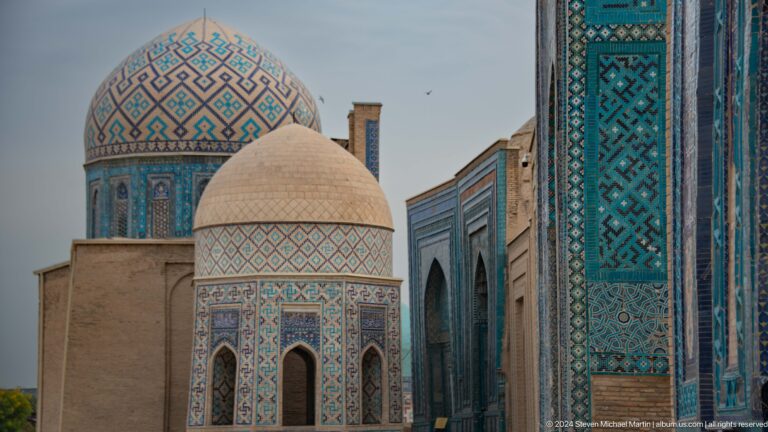
Shah-i-Zinda Shah-i-Zinda is a complex of mausoleums in Samarkand associated with Islamic pilgrimage and the commemoration of religious figures. The […]
Shah-i-Zinda Shah-i-Zinda is a complex of mausoleums in Samarkand associated with Islamic pilgrimage and the commemoration of religious figures. The […]
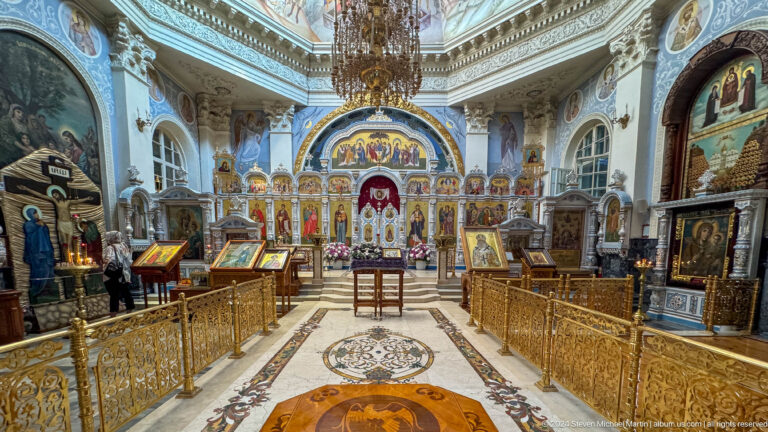
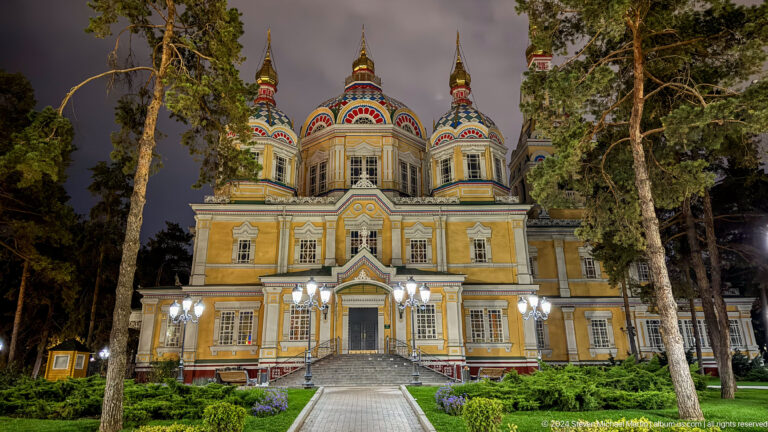
Holy Assumption Cathedral The Holy Assumption Cathedral in Tashkent represents the presence of Russian Orthodox Christianity in Central Asia during […]
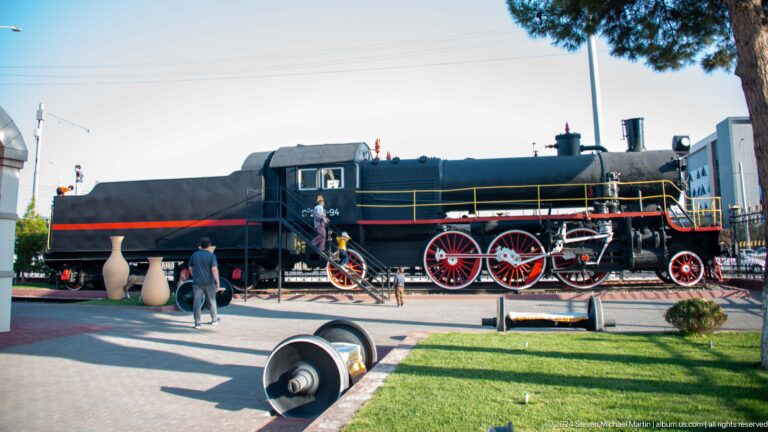
Tashkent Railway Museum The Tashkent Railway Museum reflects the development of transportation networks that connected Central Asia with broader regional […]
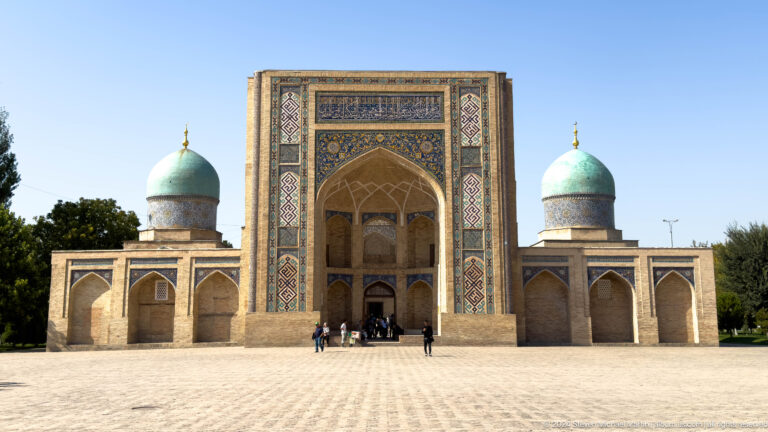
Sheikhantaur Mausoleum Complex The Sheikhantaur Mausoleum Complex in Tashkent is associated with Islamic scholarship and religious leadership that developed in […]
The Silk Road extended from the ancient Chinese capital of Chang’an (modern Xi’an) across Central Asia, Persia, and the Middle East, eventually reaching Mediterranean ports connected to European trade networks. Caravans traveled through desert oases, mountain passes, and fortified cities that provided rest, protection, and opportunities for exchange.
Merchants rarely traveled the entire distance. Instead, goods passed through multiple regions, with local traders carrying products between major commercial centers. This system created a chain of interconnected cultures linked by shared economic and intellectual exchange.
Today, the Silk Road represents both a historical trade network and a broader concept describing the movement of ideas across civilizations. The sites included in this itinerary illustrate the diversity of cultures shaped by these historic connections.
Silk Road Historical Timeline
2nd century BCE – Han Dynasty Expansion
Formal trade routes began during the Han Dynasty as Chinese envoys established connections with Central Asian kingdoms. Silk, jade, spices, and horses became important commodities exchanged across Eurasia. Early caravan routes linked Chang’an (Xi’an) with regions extending westward toward Persia and the Mediterranean.
1st–7th centuries CE – Cultural Exchange and Religious Transmission
Buddhism spread from India into Central Asia and China through merchant networks and traveling monks. Artistic styles, architectural forms, and religious texts moved along caravan routes, influencing societies across Eurasia. Trade cities became centers of learning, translation, and scholarship.
7th–10th centuries – Tang Dynasty Golden Age
The Silk Road flourished under the Tang Dynasty as political stability encouraged long-distance trade. Chang’an became one of the most cosmopolitan cities in the world, hosting merchants from Persia, Arabia, and Central Asia. Goods such as silk, ceramics, paper, and metalwork circulated widely.
13th–14th centuries – Mongol Empire Connectivity
The Mongol Empire unified vast territories across Eurasia, creating relative security for merchants traveling long distances. Diplomatic and commercial exchanges increased significantly, allowing greater movement of technology and ideas. Marco Polo’s travels illustrate the interconnected nature of Eurasian trade during this period.
15th century onward – Maritime Trade Routes
Sea routes gradually replaced many overland caravan routes as maritime navigation expanded. European exploration connected Asia with global trade networks, reducing reliance on traditional Silk Road pathways. Nevertheless, cultural exchange continued to shape regional development.
Modern Perspective
Today, the Silk Road represents a historical symbol of intercultural exchange linking East Asia, Central Asia, the Middle East, and Europe. The sites included in this itinerary illustrate the diversity of cultural traditions shaped by these historic connections.
Core Silk Road Hubs vs Cultural Extensions
The Silk Road consisted of interconnected routes linking East Asia with Central Asia, the Middle East, and Europe. Some cities served as primary commercial centers along caravan routes, while others developed through cultural influence made possible by long-distance trade.
Primary Silk Road Trade Centers
Xi’an (Chang’an) – Eastern starting point of major caravan routes
Dunhuang – Important desert oasis and religious center
Turpan – Agricultural and commercial oasis in western China
Kashgar – Major crossroads connecting multiple Silk Road branches
Samarkand – Major cultural and commercial center in Central Asia
Bukhara – Important trading hub and Islamic scholarly center
Merv – Persian trading center linking east and west routes
Constantinople – Western terminus connecting trade to Europe
Secondary Cultural Exchange Centers
Beijing – Later imperial capital influenced by Silk Road exchange
Nara– Early Japanese Buddhist center influenced by Chinese culture
Kyoto – Imperial capital shaped by continental artistic traditions
Tokyo – Later political center reflecting centuries of cultural transmission
Angkor – Southeast Asian empire influenced by Indian religious ideas transmitted through trade networks
Singapore – Maritime trading hub linking Indian Ocean and South China Sea routes
Ho Chi Minh City – Port city connected to regional trade networks
Interpretive Perspective
While some sites were physically located along caravan routes, many others were shaped by ideas transmitted through long-distance trade. Religious traditions such as Buddhism spread from India to China and Japan through Silk Road connections, influencing architecture, art, and philosophy far beyond the original trade corridors.