Exploring Chile
Chile extends along the western margin of South America in a narrow corridor between the Andes Mountains and the Pacific Ocean, forming one of the most geographically distinctive countries in the world. Stretching more than 4,000 kilometers from the subtropical north to the fjords and glacial landscapes of Patagonia, Chile encompasses dramatic environmental contrasts shaped by tectonic uplift, volcanism, and glaciation. The southern Andes preserve extensive ice fields and mountain systems that continue to influence regional climate and hydrology, while the country’s Pacific orientation historically connected it to global maritime trade networks and cultural exchange.
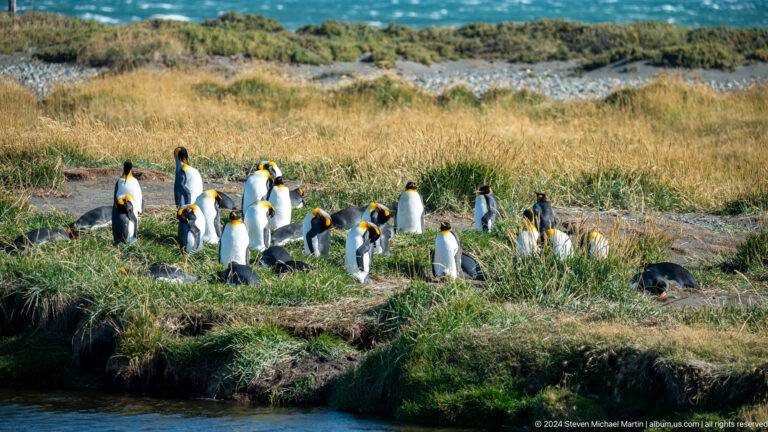
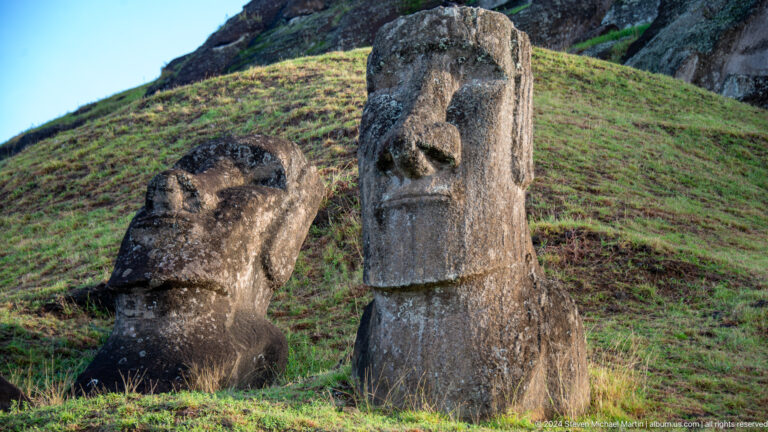
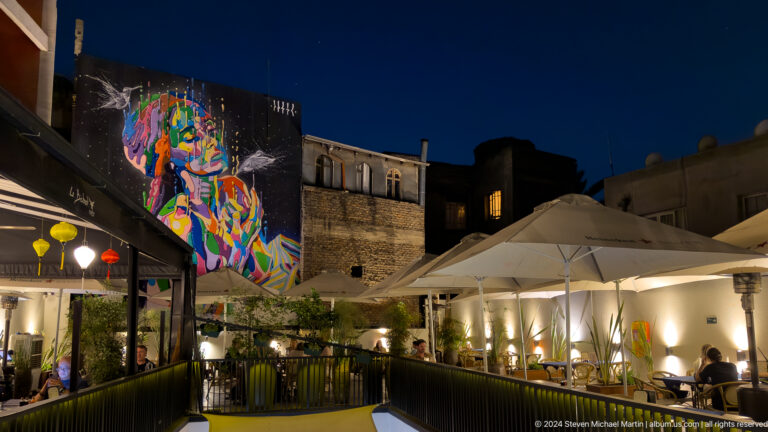
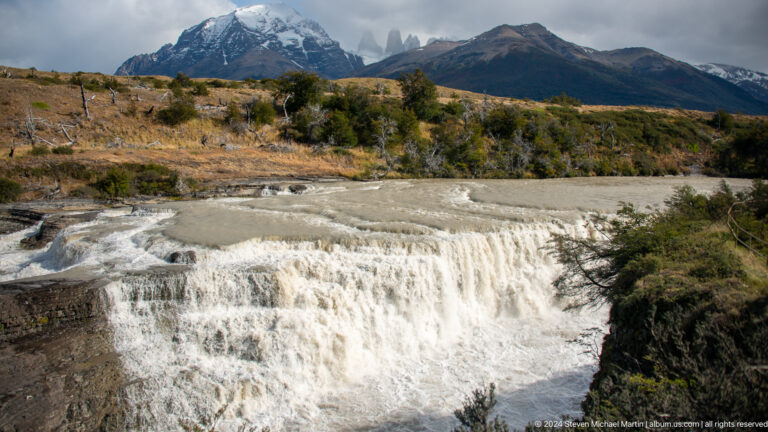
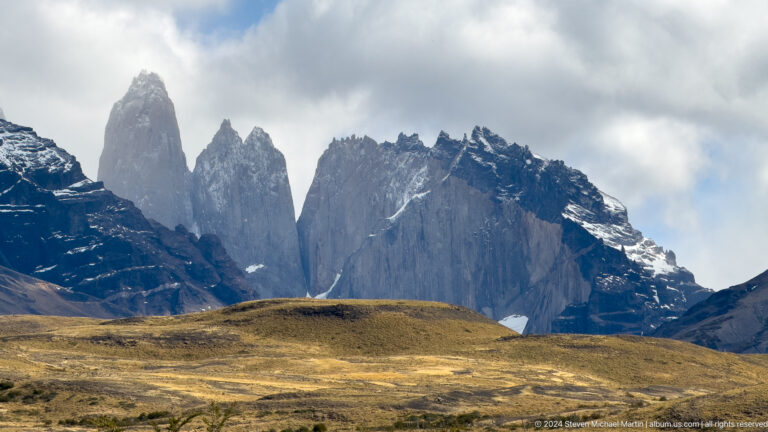
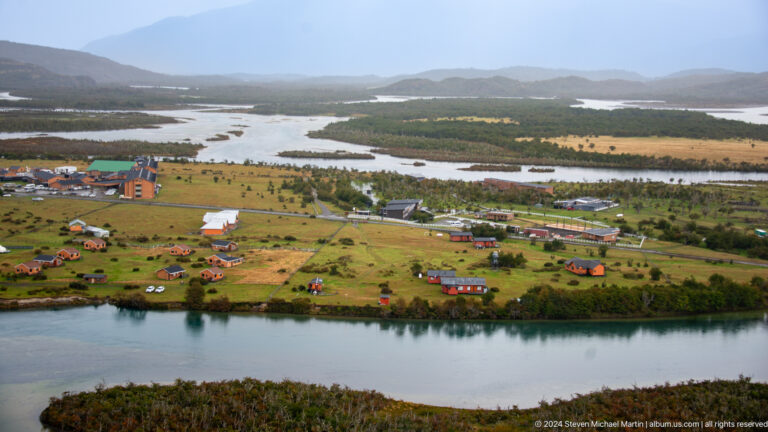
The portfolios presented here highlight three defining geographic and cultural environments. The Patagonian landscapes of Torres del Paine – Río Serrano , Crossing Chile’s Patagonia , Laguna Azul , Los Torres , and Grey Lagos illustrate mountain massifs, glacial lakes, and windswept steppe environments shaped by the Southern Patagonian Ice Field. Coastal and maritime routes near the Strait of Magellan are represented through Colonia Pingüinos Rey , Punta Arenas , and Fuerte Bulnes , reflecting early navigation routes linking the Atlantic and Pacific oceans. Far into the Pacific Ocean, Rapa Nui (Easter Island) and related archaeological landscapes including Ahu Tongariki , Ana Te Pahu and Ahu Akivi , Anakena , Rano Kau , Ahu Tahai , and Rano Raraku preserve monumental stone sculpture and ceremonial sites developed by the Polynesian Rapa Nui civilization. Urban and colonial influences are represented in central Chile through Museo Precolumbino , Los Dominicos , Santiago , and the Metropolitan Cathedral of Santiago , illustrating architectural traditions shaped by Spanish colonial administration and later national development.
Together these locations demonstrate Chile’s contribution to understanding the environmental and cultural diversity of the Southern Cone. From subpolar glacial systems and maritime exploration routes to Polynesian ceremonial landscapes and colonial urban centers, Chile illustrates the interaction of geology, climate, and human settlement across one of the longest north–south territories on Earth. The continuity between mountain environments, coastal navigation, and remote Pacific islands provides insight into the broader historical and ecological framework that defines western South America.
Date Visited: April 2, 2024
Penguin Colony – Tierra del Fuego Several small islands in the Beagle Channel host important penguin colonies, where these distinctive […]
Explore Portfolio Date Visited: March 27, 2024
Crossing Patagonia – Chile and Argentina The journey across Patagonia reveals one of the most remote and expansive landscapes in […]
Explore Portfolio Date Visited: April 3, 2024
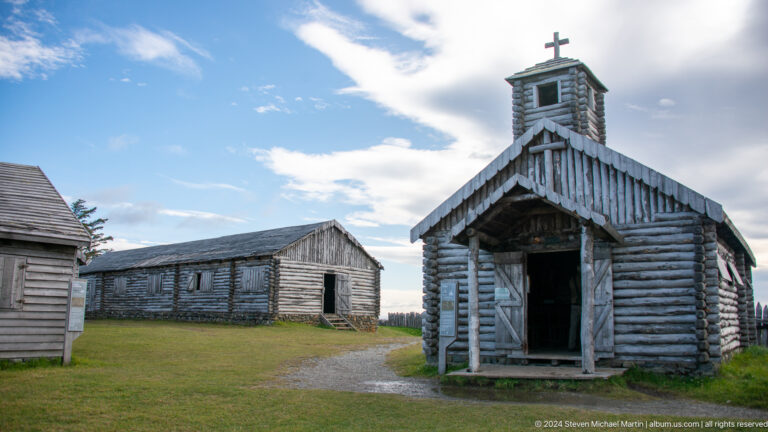
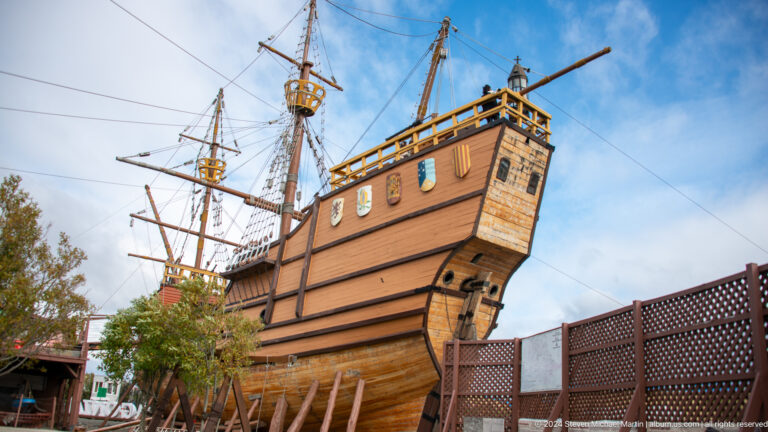
Fuerte Bulnes – Strait of Magellan, Chile Fuerte Bulnes sits on a windswept promontory overlooking the Strait of Magellan, about […]
Explore Portfolio Date Visited: April 8, 2024
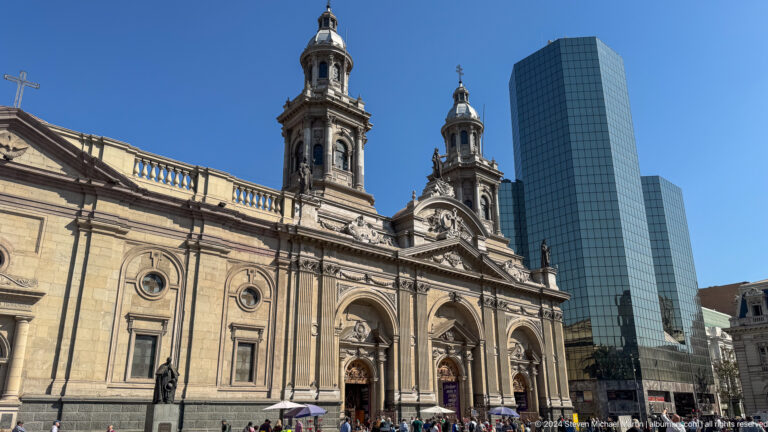
Metropolitan Cathedral – Santiago, Chile The Metropolitan Cathedral of Santiago stands on the historic Plaza de Armas, the traditional heart […]
Explore Portfolio Date Visited: April 7, 2024
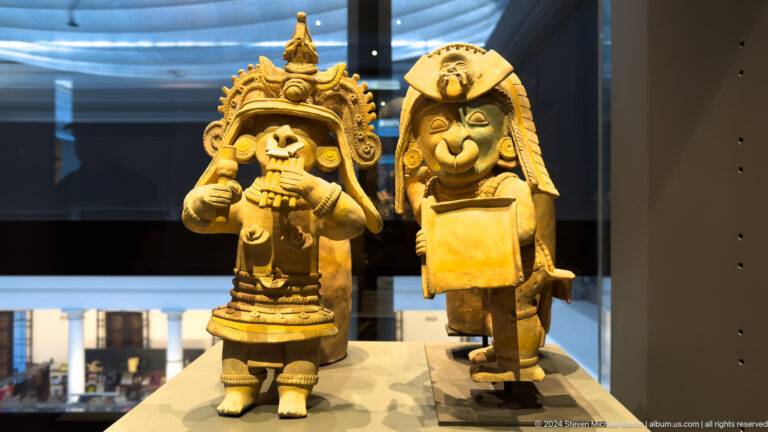
Museo Chileno de Arte Precolombino – Santiago, Chile The Museo Chileno de Arte Precolombino is one of the most important […]
Explore Portfolio Date Visited: April 2, 2024
Punta Arenas – Chile The city of Punta Arenas stands along the northern shore of the Strait of Magellan in […]
Explore Portfolio Date Visited: April 5, 2024
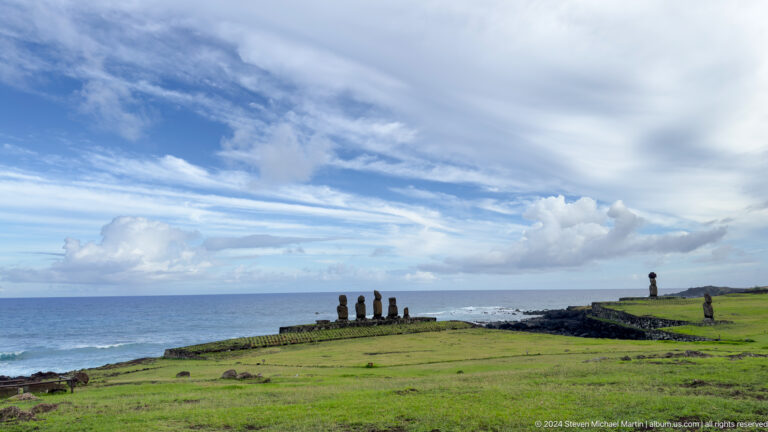
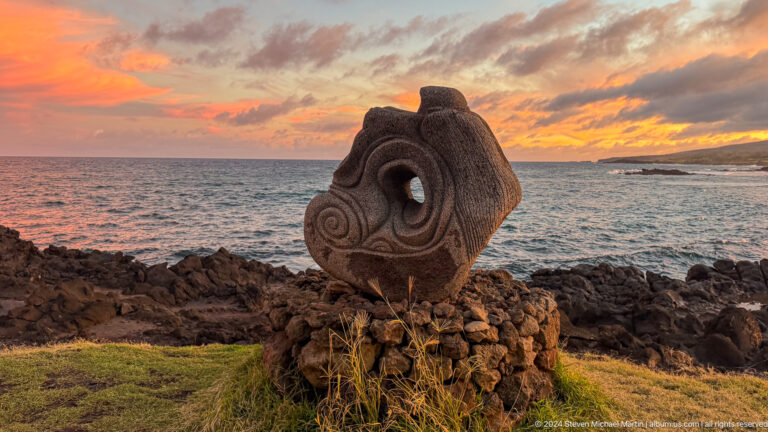
Ahu Tahai – Easter Island The ceremonial complex of Tahai Ceremonial Complex lies near the modern town of Hanga Roa. […]
Explore Portfolio Date Visited: April 4, 2024
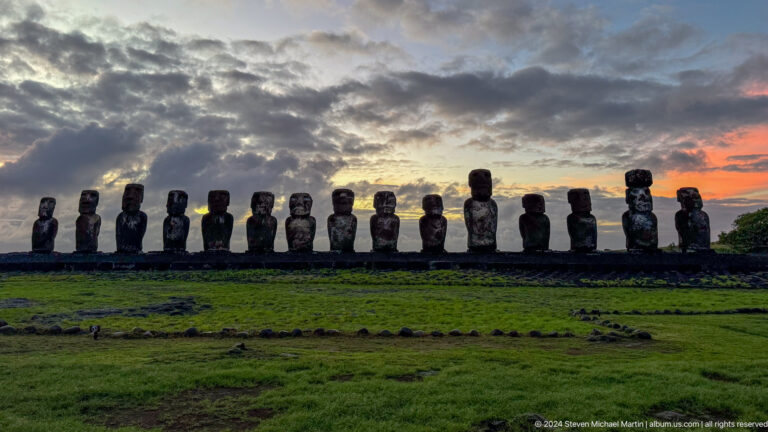
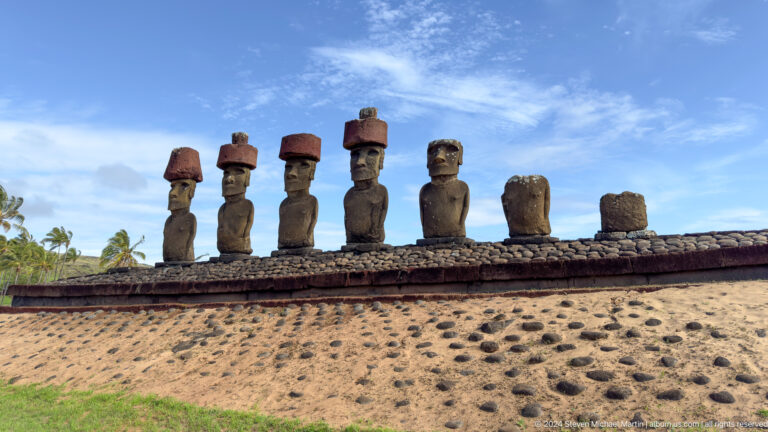
Ahu Tongariki – Easter Island The monumental platform of Ahu Tongariki is the largest ceremonial site on Easter Island. Along […]
Explore Portfolio Date Visited: April 5, 2024
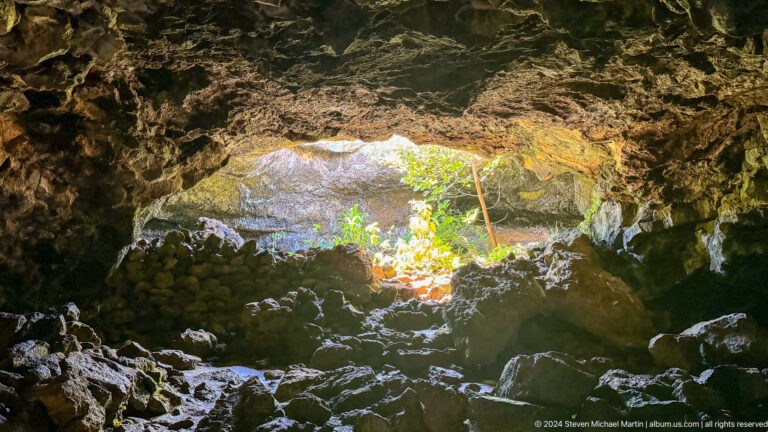
Ana Te Pahu – Easter Island Ana Te Pahu is the largest lava tube cave on Rapa Nui. Formed by […]
Explore Portfolio Date Visited: April 5, 2024
Anakena Beach – Easter Island The white sands of Anakena Beach form one of the most picturesque landscapes on Rapa […]
Explore Portfolio Date Visited: April 3, 2024
Rapa Nui (Easter Island) – Chile The remote island of Rapa Nui, commonly known as Easter Island, lies in the […]
Explore Portfolio Date Visited: April 5, 2024
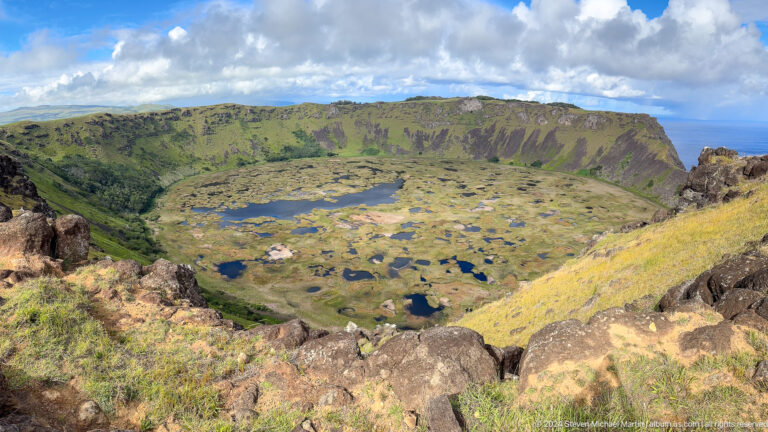
Rano Kau Crater – Easter Island The volcanic crater of Rano Kau rises along the southwestern edge of the island […]
Explore Portfolio Date Visited: April 5, 2024
Rano Raraku – Easter Island The volcanic crater of Rano Raraku served as the primary quarry where the famous moai […]
Explore Portfolio Date Visited: April 8, 2024
Santiago – Chile The city of Santiago lies in a broad valley surrounded by the snow-capped peaks of the Andes […]
Explore Portfolio Date Visited: April 7, 2024
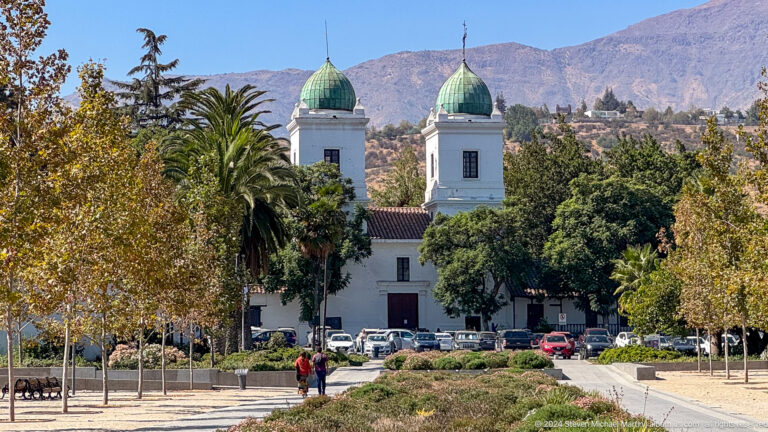
Los Dominicos – Santiago, Chile The historic complex of Pueblito Los Dominicos lies in the eastern part of Santiago at […]
Explore Portfolio Date Visited: March 29, 2024
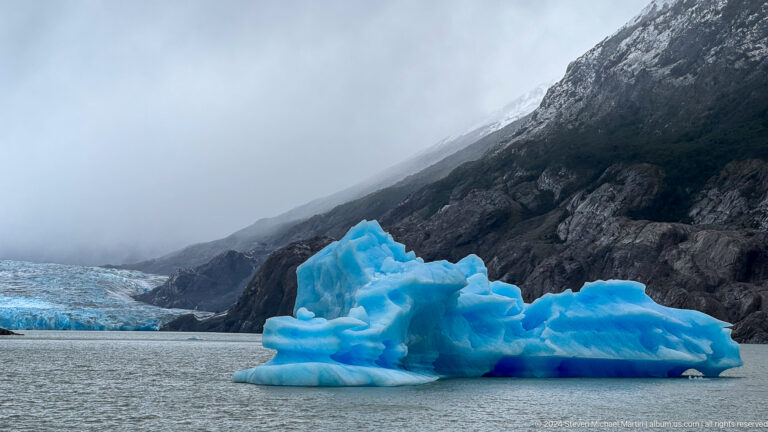
Grey Lake – Torres del Paine, Chile Lake Grey lies within Torres del Paine National Park and is fed by […]
Explore Portfolio Date Visited: March 28, 2024
Laguna Azul – Torres del Paine, Chile Laguna Azul lies along the eastern side of Torres del Paine National Park […]
Explore Portfolio Date Visited: March 28, 2024
Los Torres – Torres del Paine, Chile The iconic peaks known as Torres del Paine rise sharply above the landscape […]
Explore Portfolio Date Visited: March 27, 2024
Rio Serrano – Patagonia, Chile The Río Serrano flows through the southern region of Patagonia near the boundaries of Torres […]
Explore Portfolio
All regions All countries All states / places All itineraries All designations
Showing 0 portfolios.
Itineraries Featuring Chile
The following itineraries include locations in this country: