Istanbul
Istanbul has served as one of the most important crossroads between Europe and Asia for more than two thousand years. Known historically as Byzantium and later Constantinople, the city became the capital of both the Byzantine and Ottoman Empires. Its strategic location along the Bosphorus connected trade routes linking the Mediterranean, Black Sea, and Silk Road networks, allowing the city to develop as a center of commerce, religion, and cultural exchange.
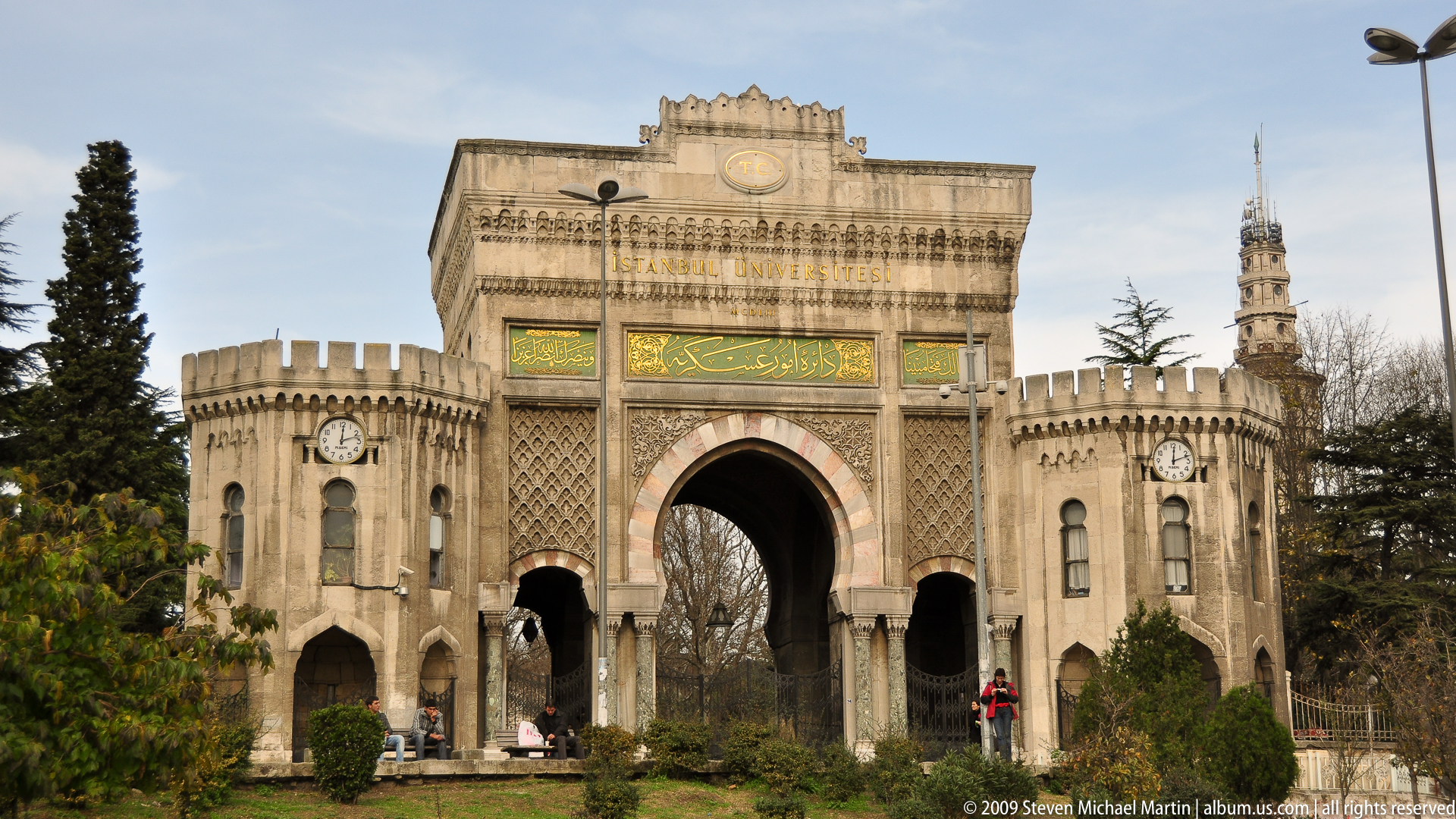
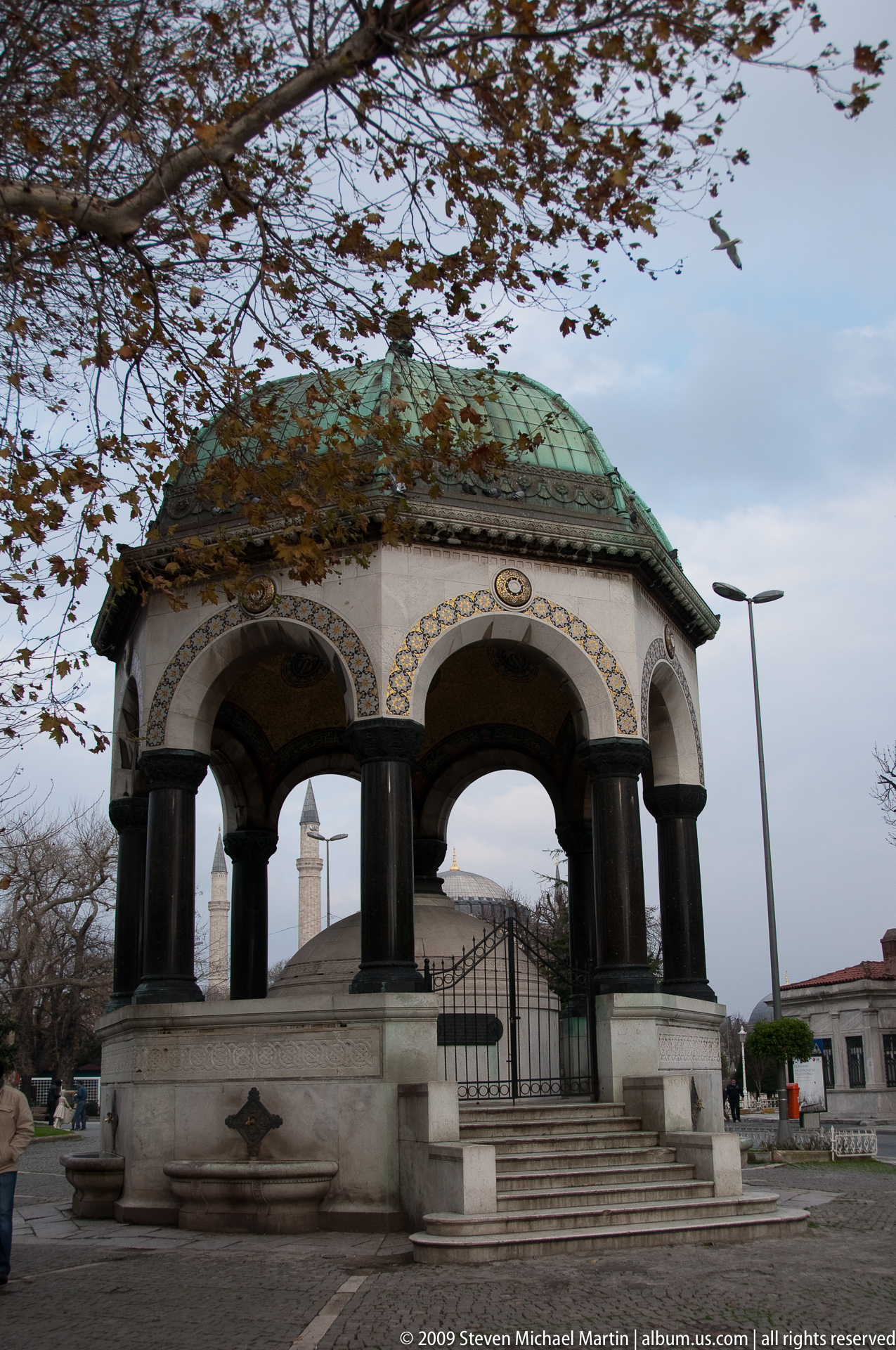
Throughout its history, Istanbul has been shaped by successive civilizations that left architectural and artistic legacies reflecting diverse religious traditions. Byzantine churches, Ottoman mosques, imperial palaces, and public infrastructure illustrate the transformation of the city across eras. Major monuments such as Hagia Sophia, the Blue Mosque, and Suleymaniye Mosque demonstrate the evolution of sacred architecture influenced by both Christian and Islamic traditions.
Istanbul represents the continuity of urban life across empires and belief systems. Its historic landscape illustrates how religious architecture and civic infrastructure contribute to the identity of cities that serve as cultural and geographic bridges between regions.