Panama City – Panama
The city of Panama City stands along the Pacific entrance of the Panama Canal, one of the most significant engineering achievements of the modern era. Founded in the 16th century by Spanish colonists, the city became an important hub for trade between the Americas and Europe.
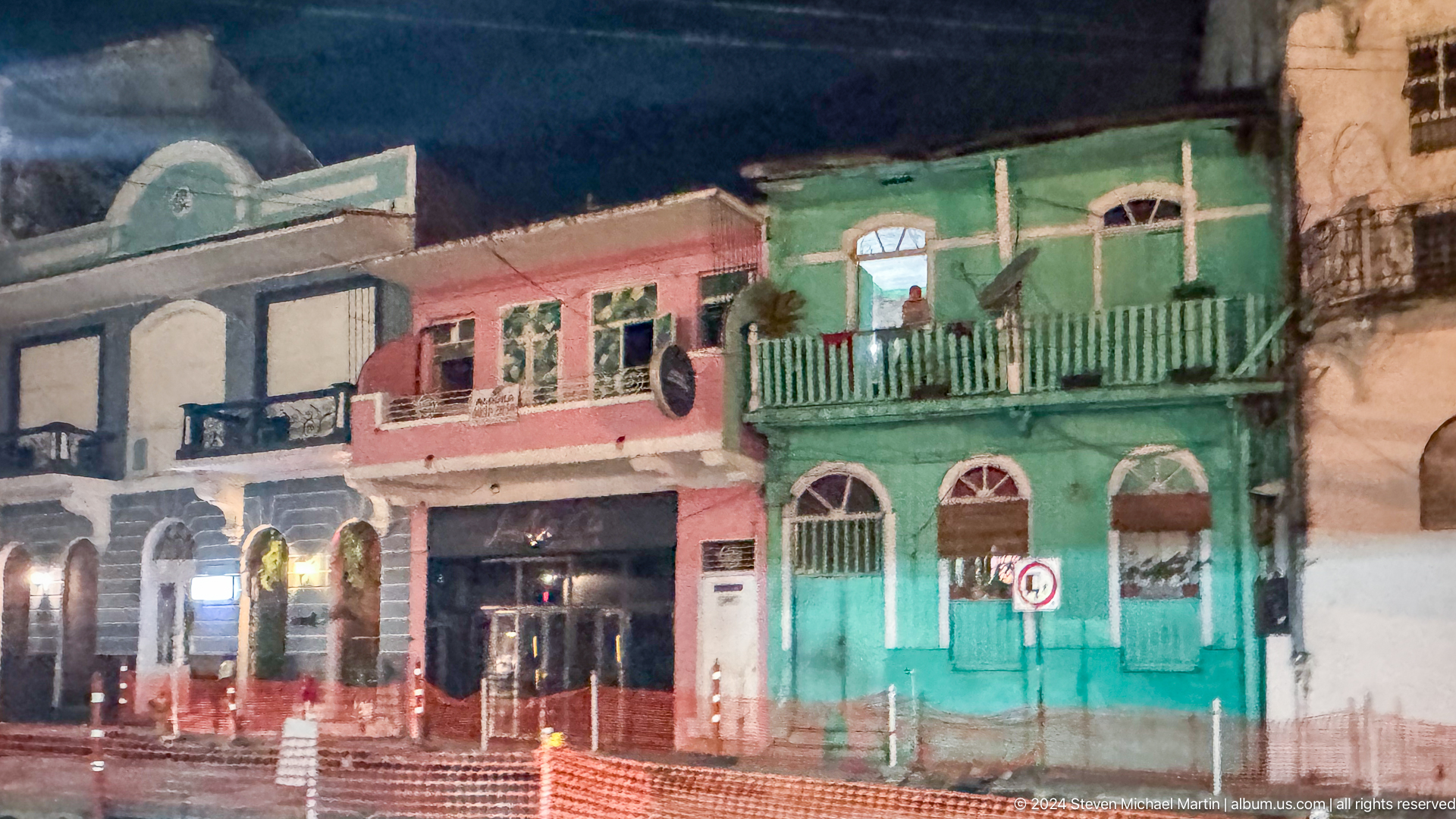
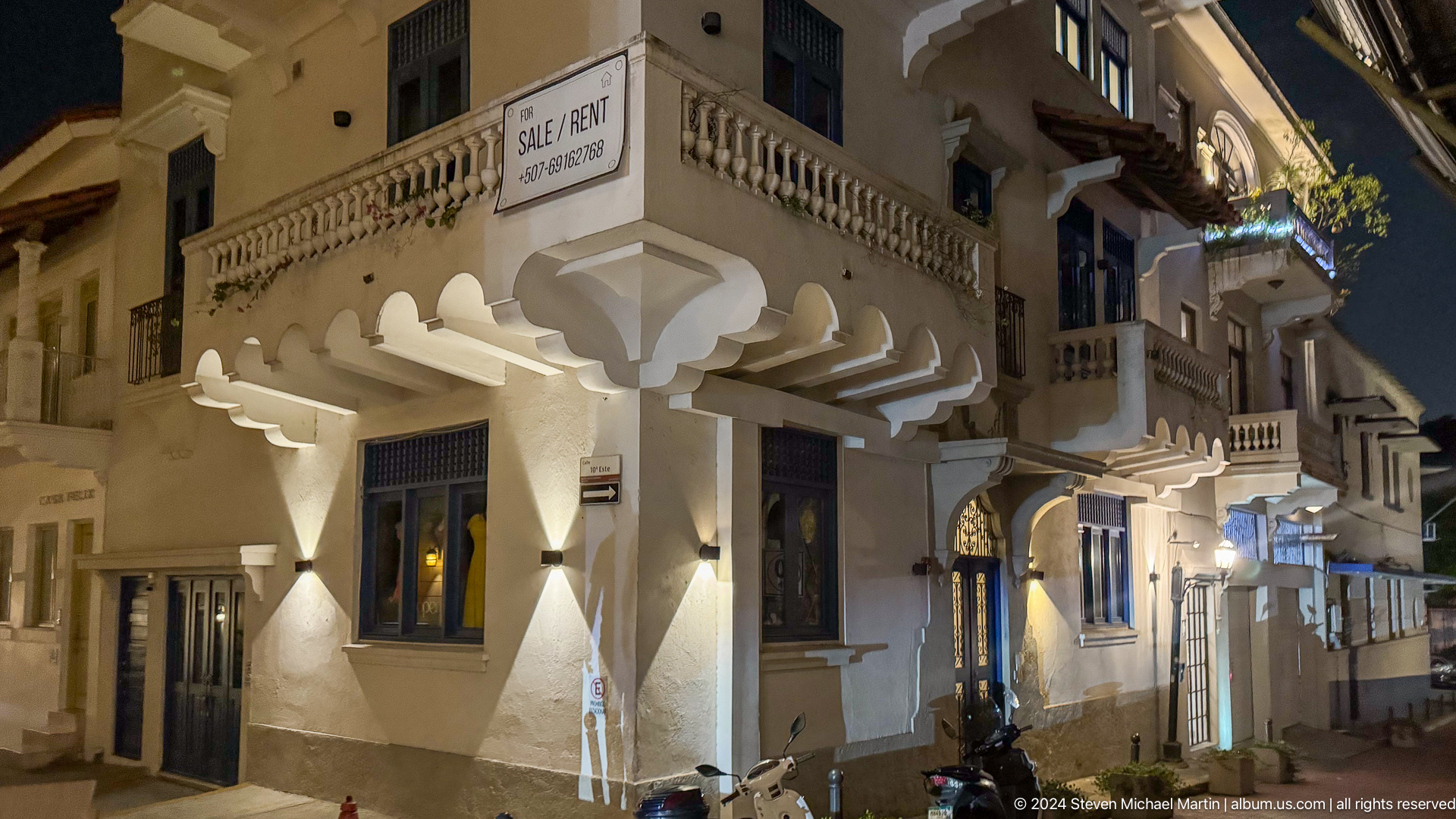
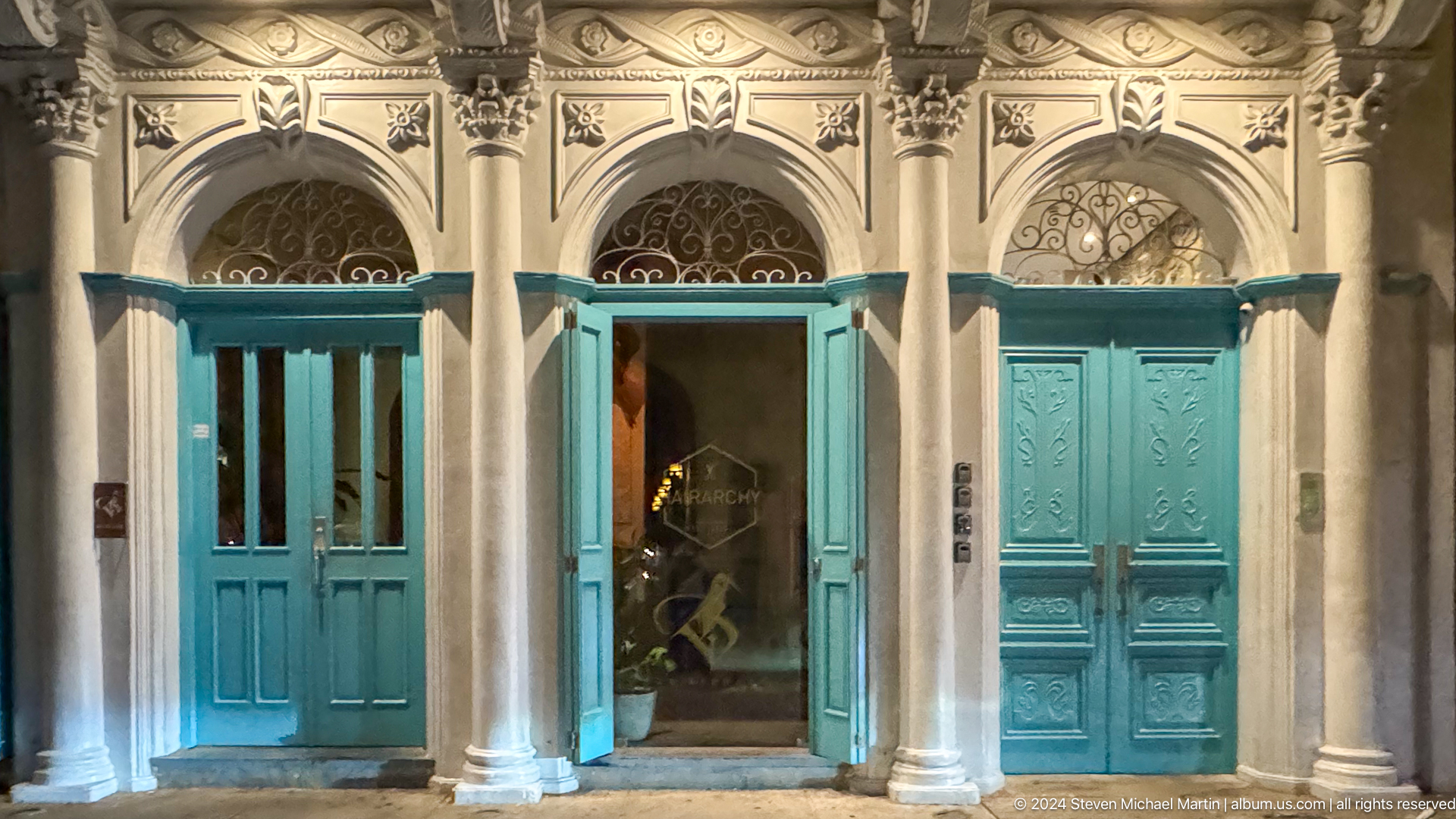
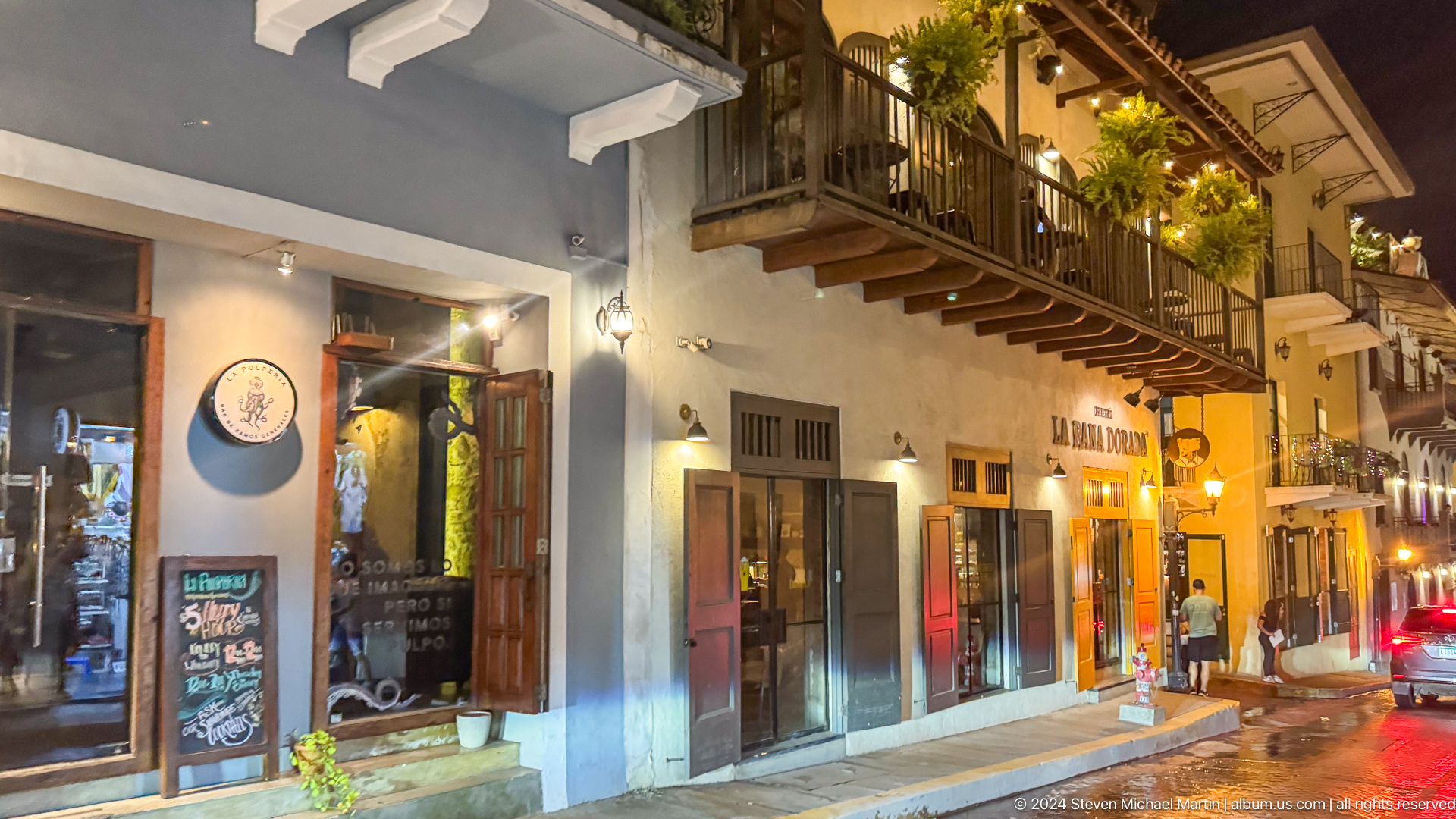
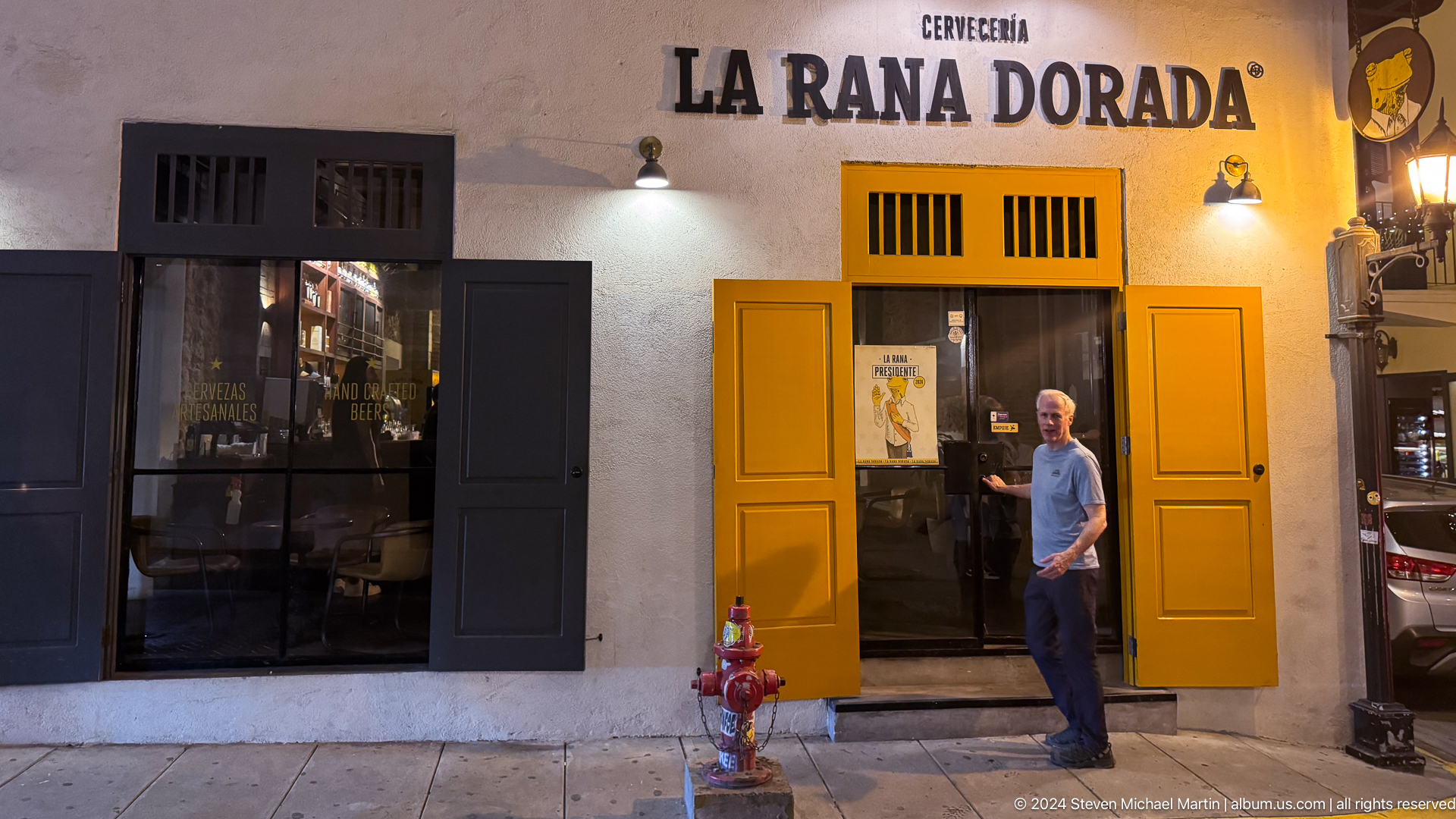
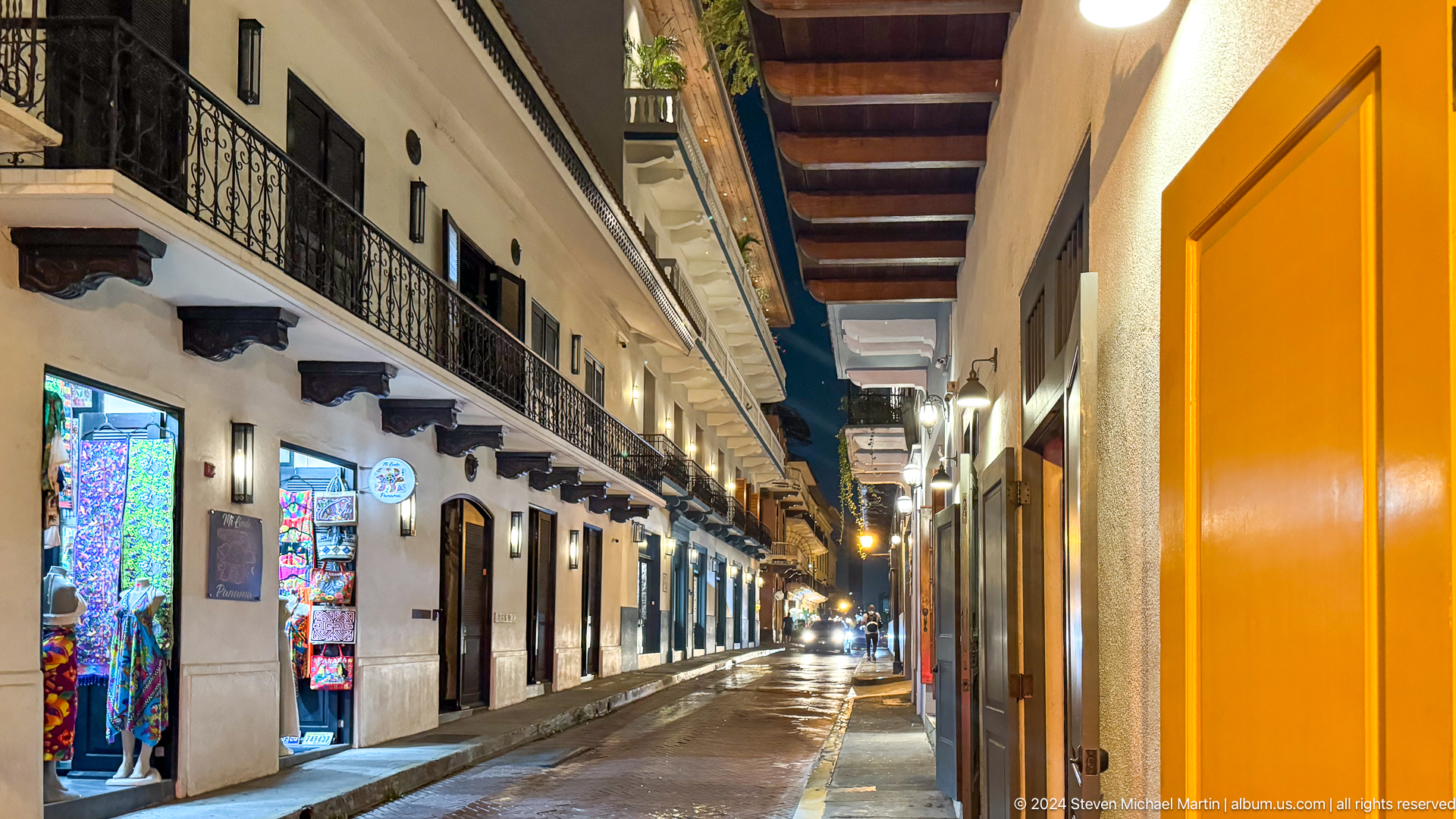
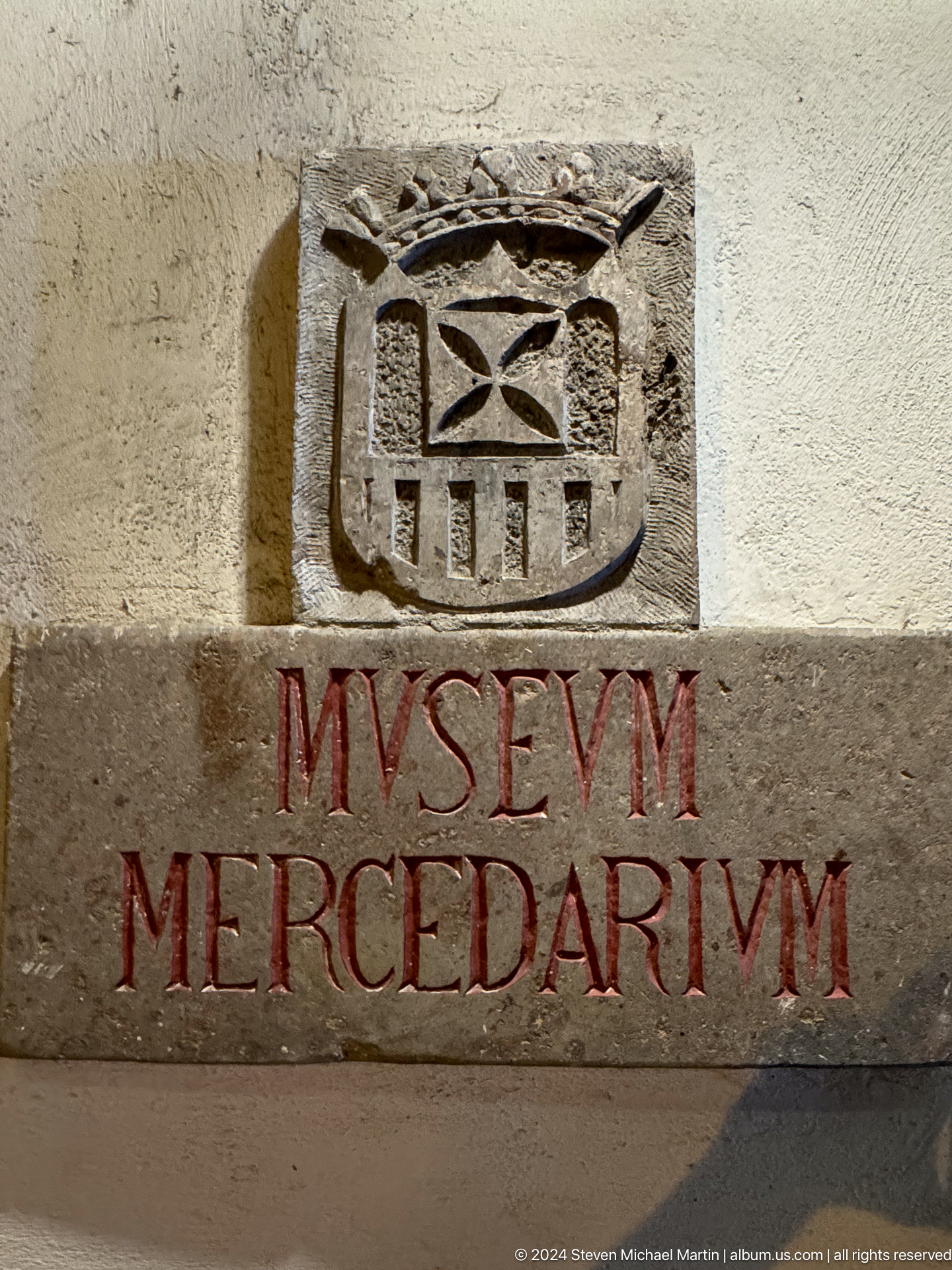
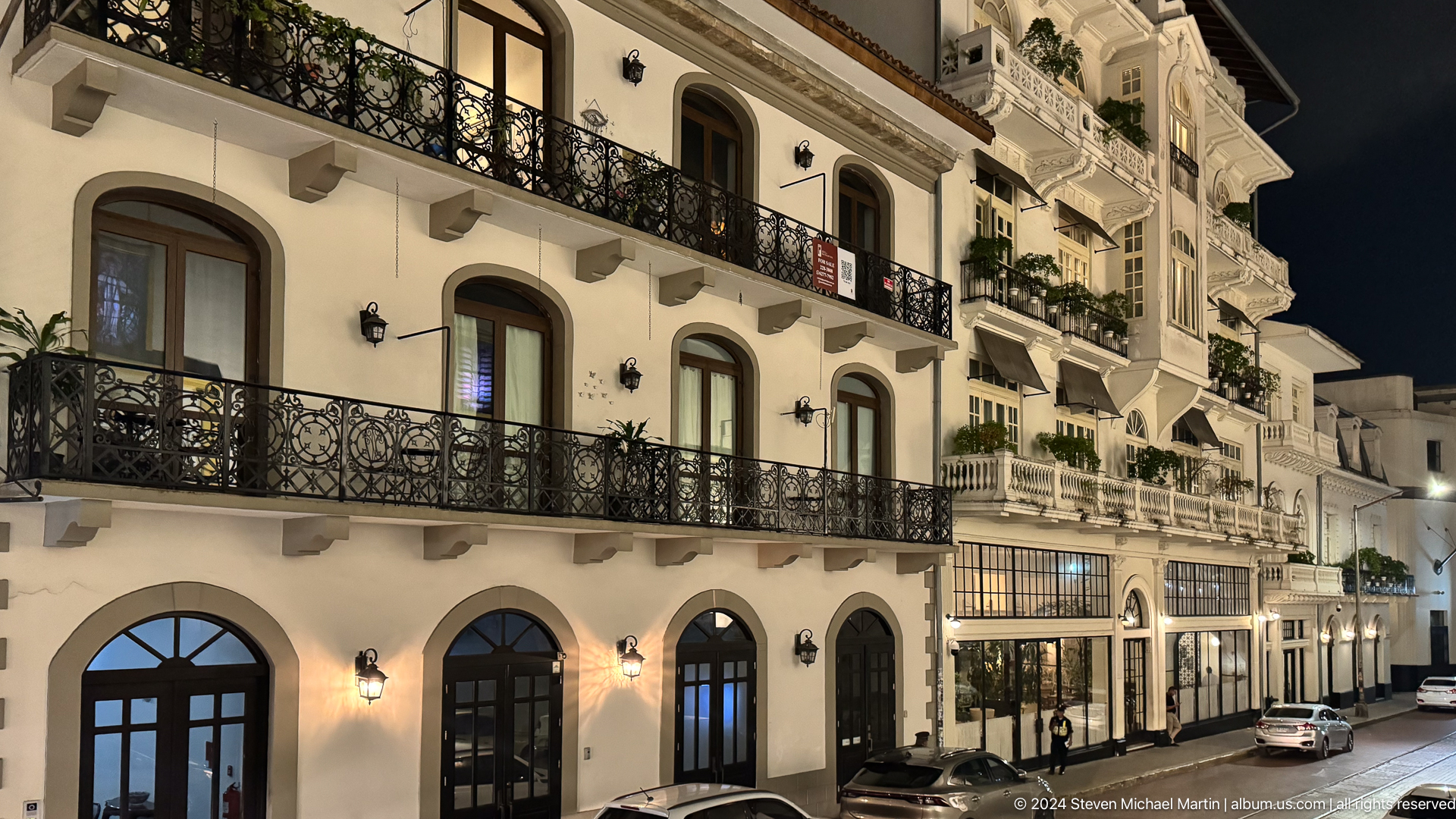
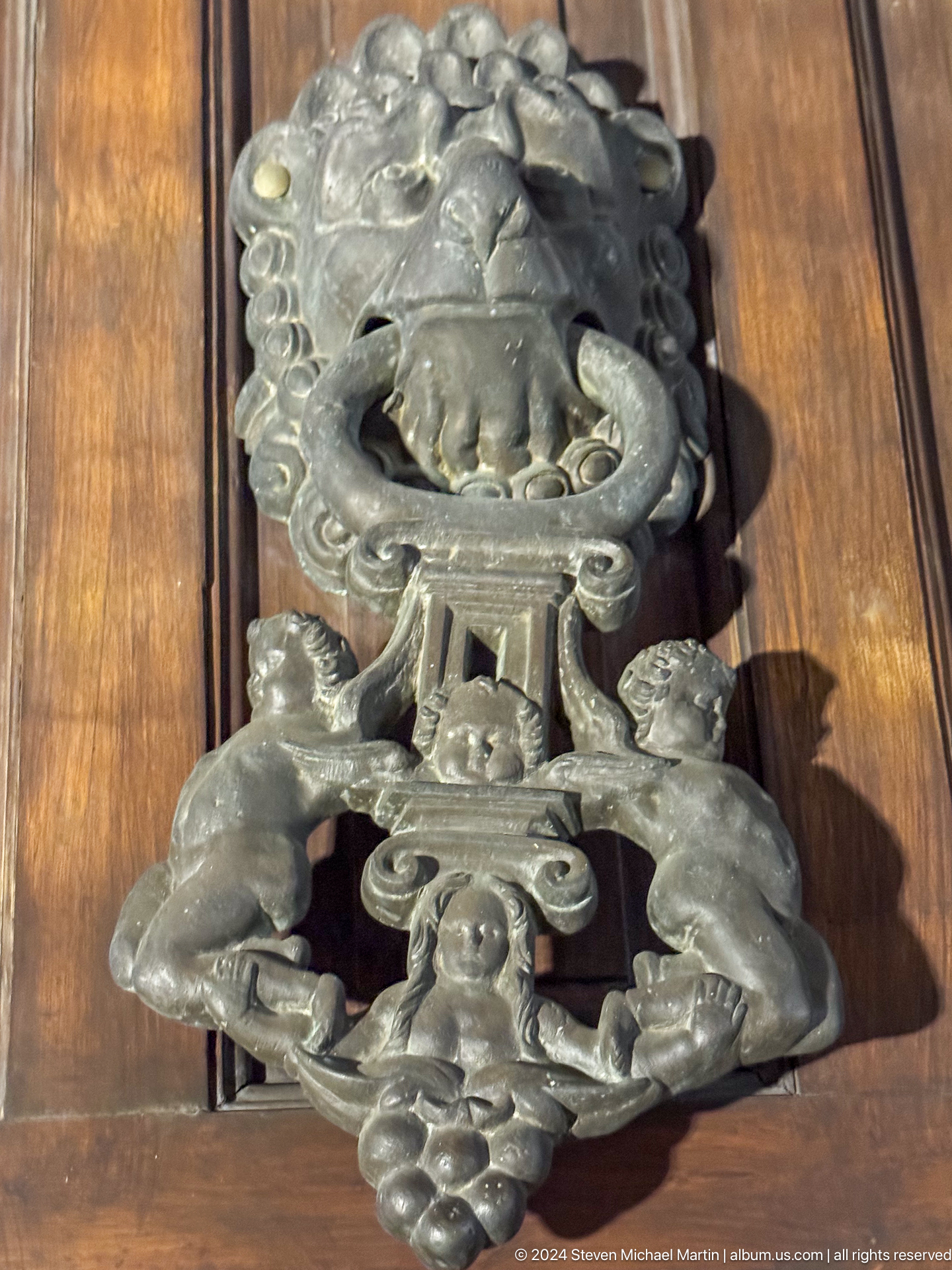
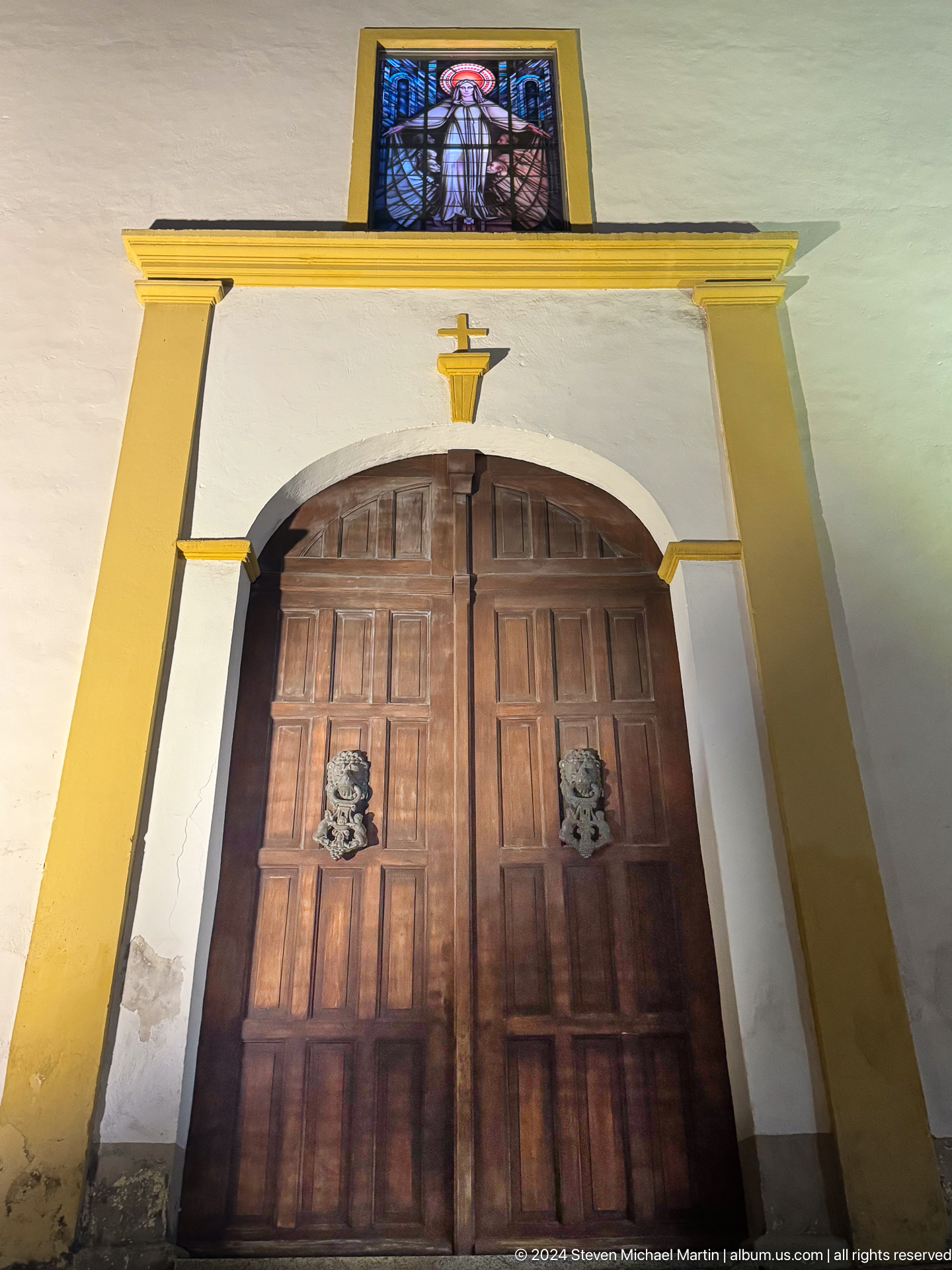
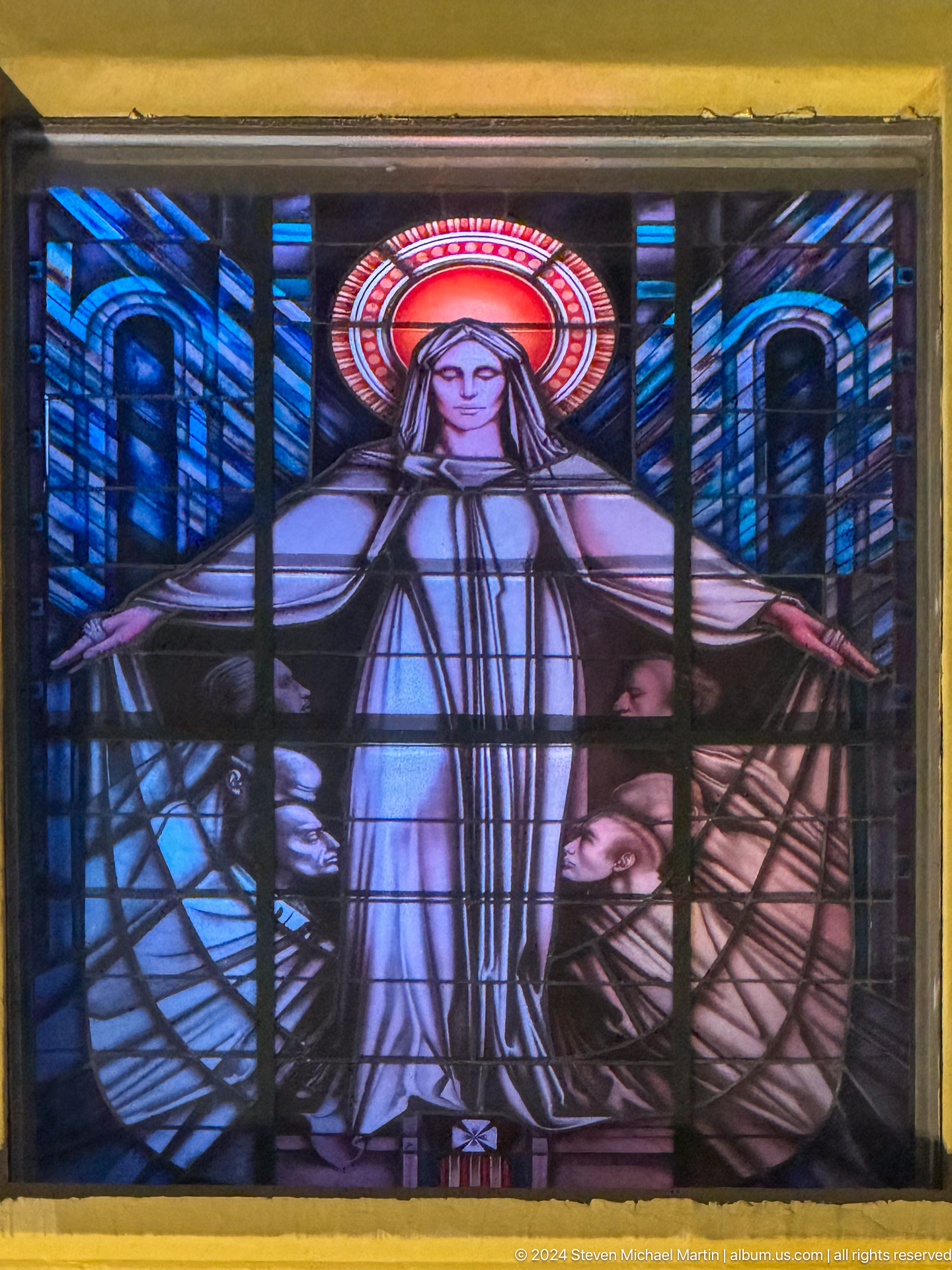
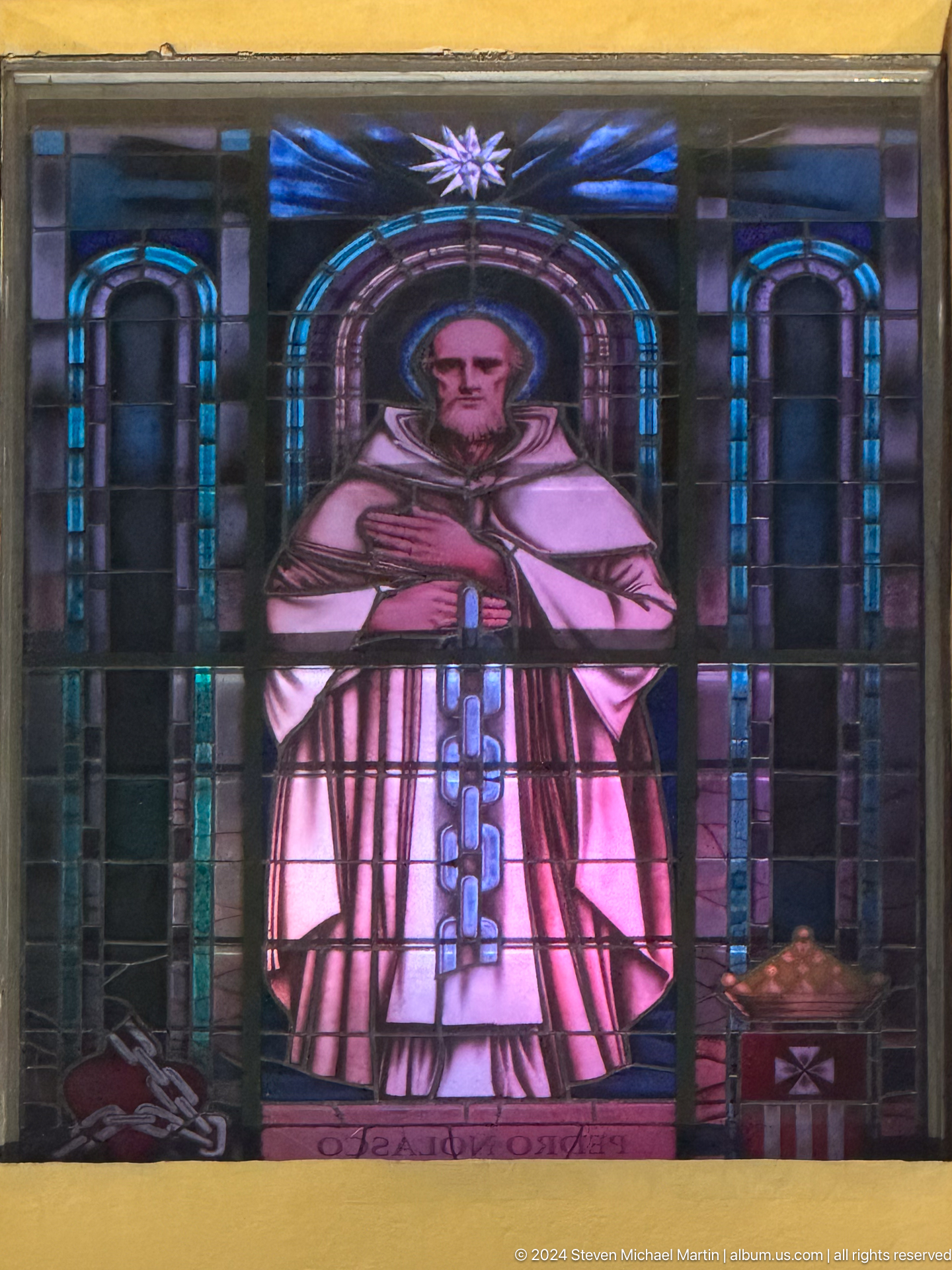
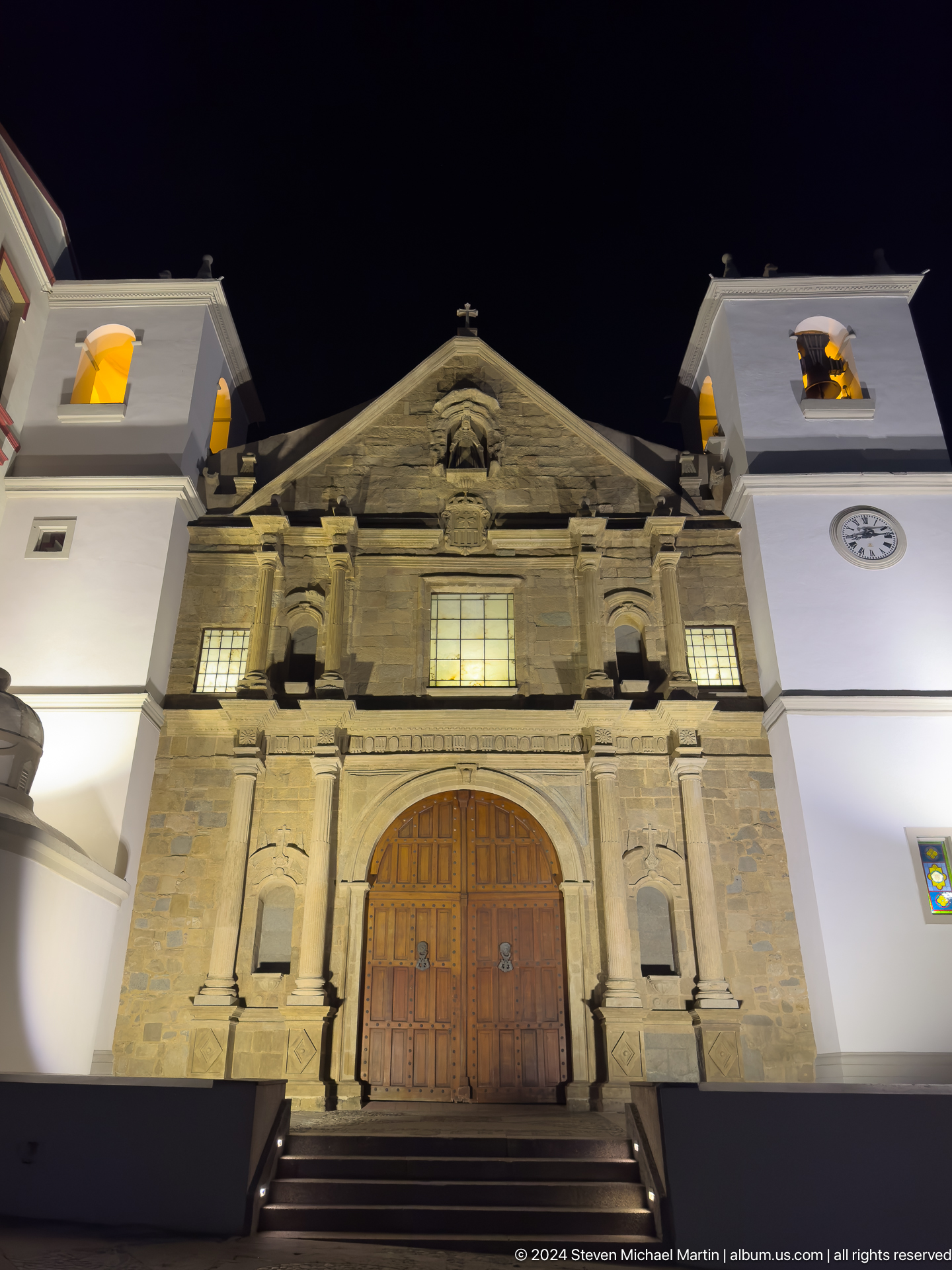
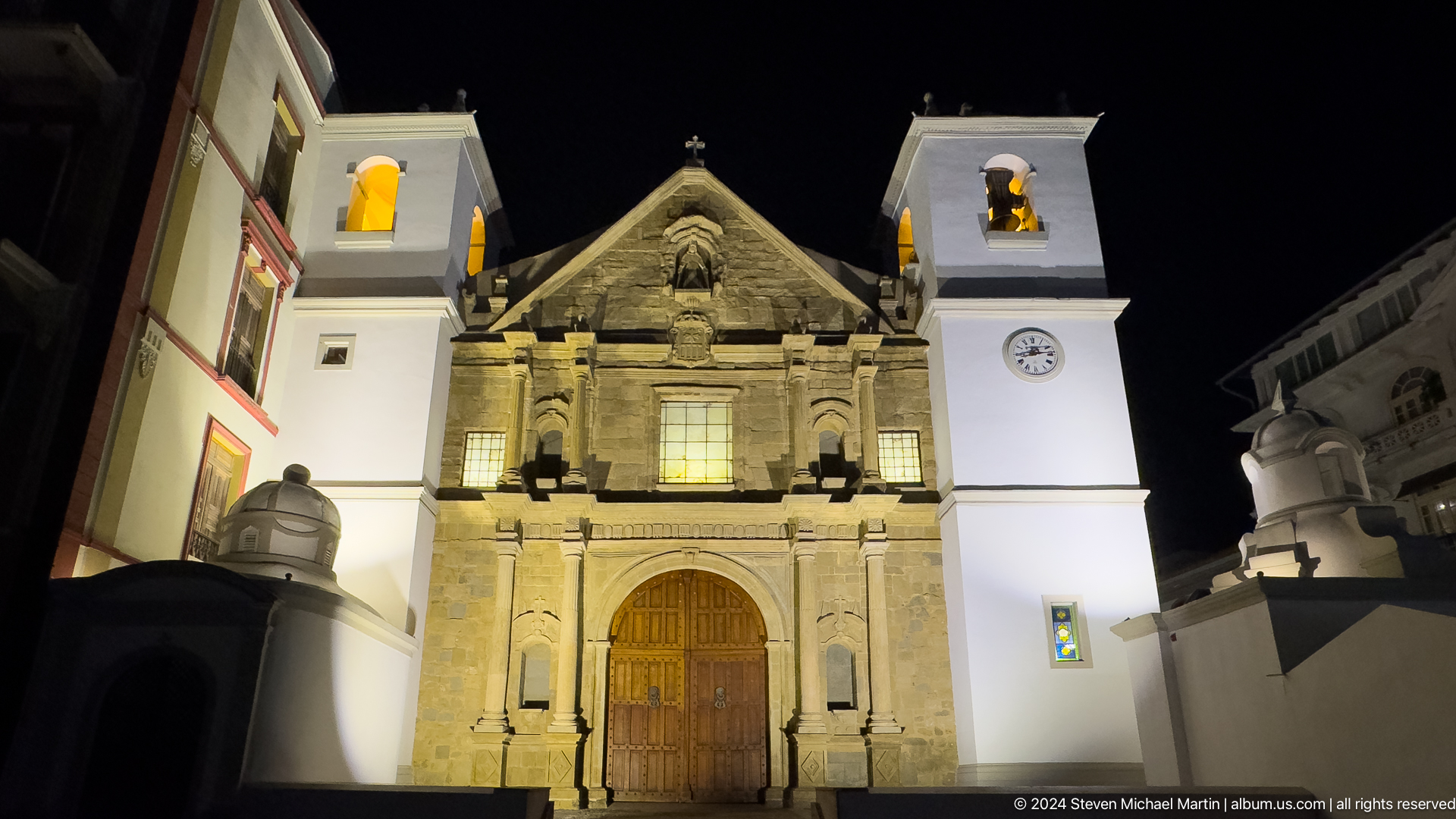
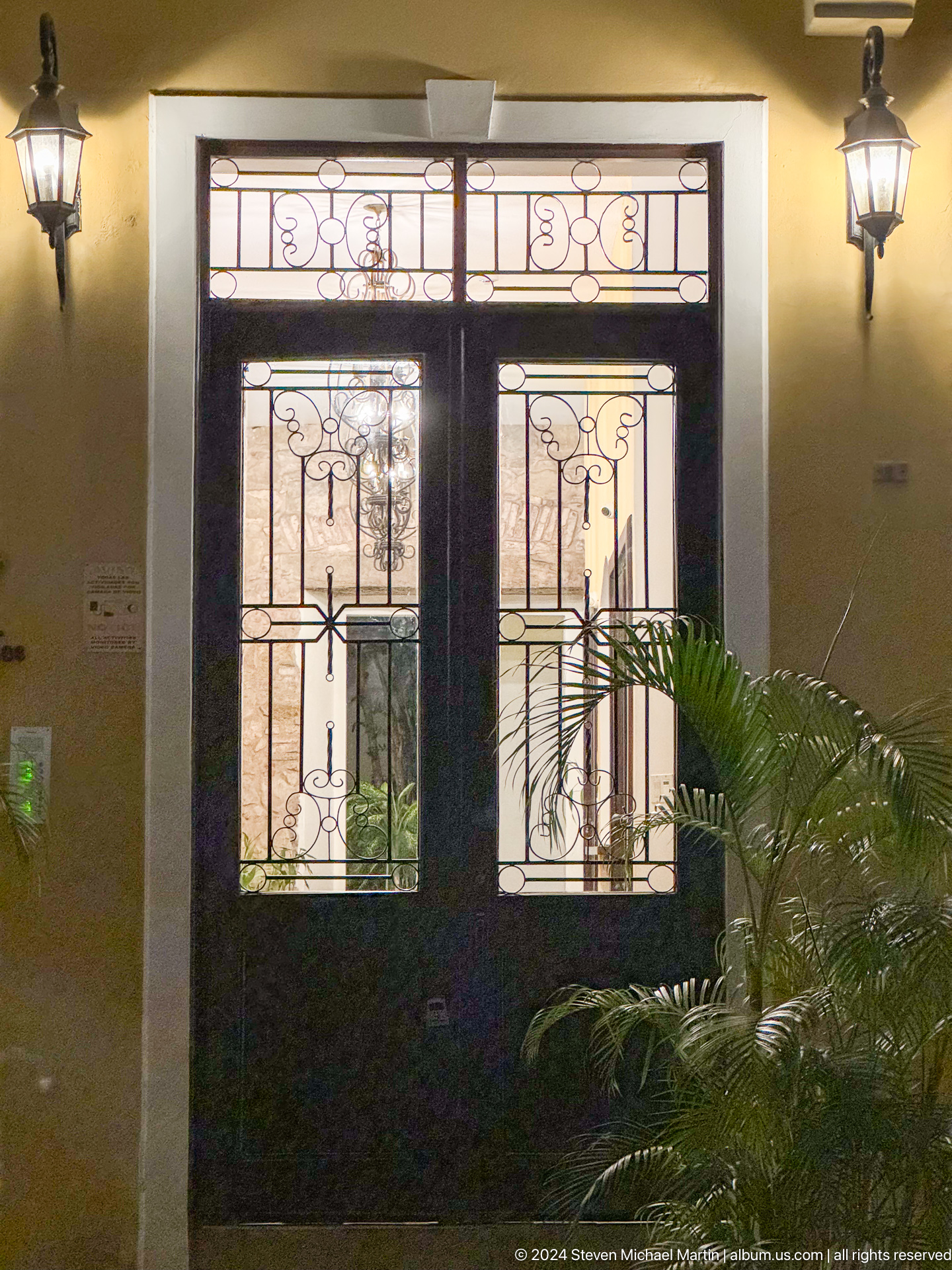
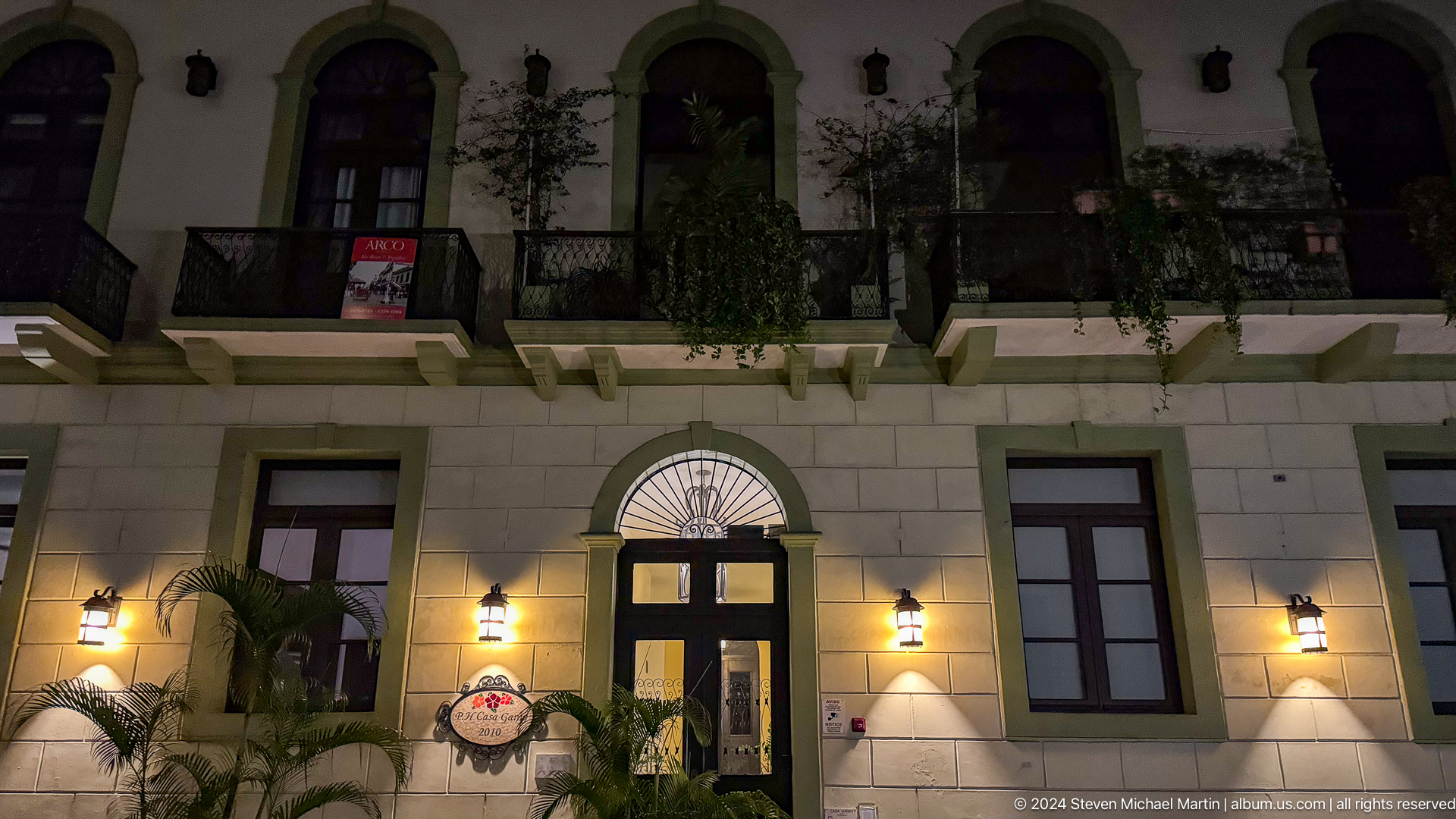
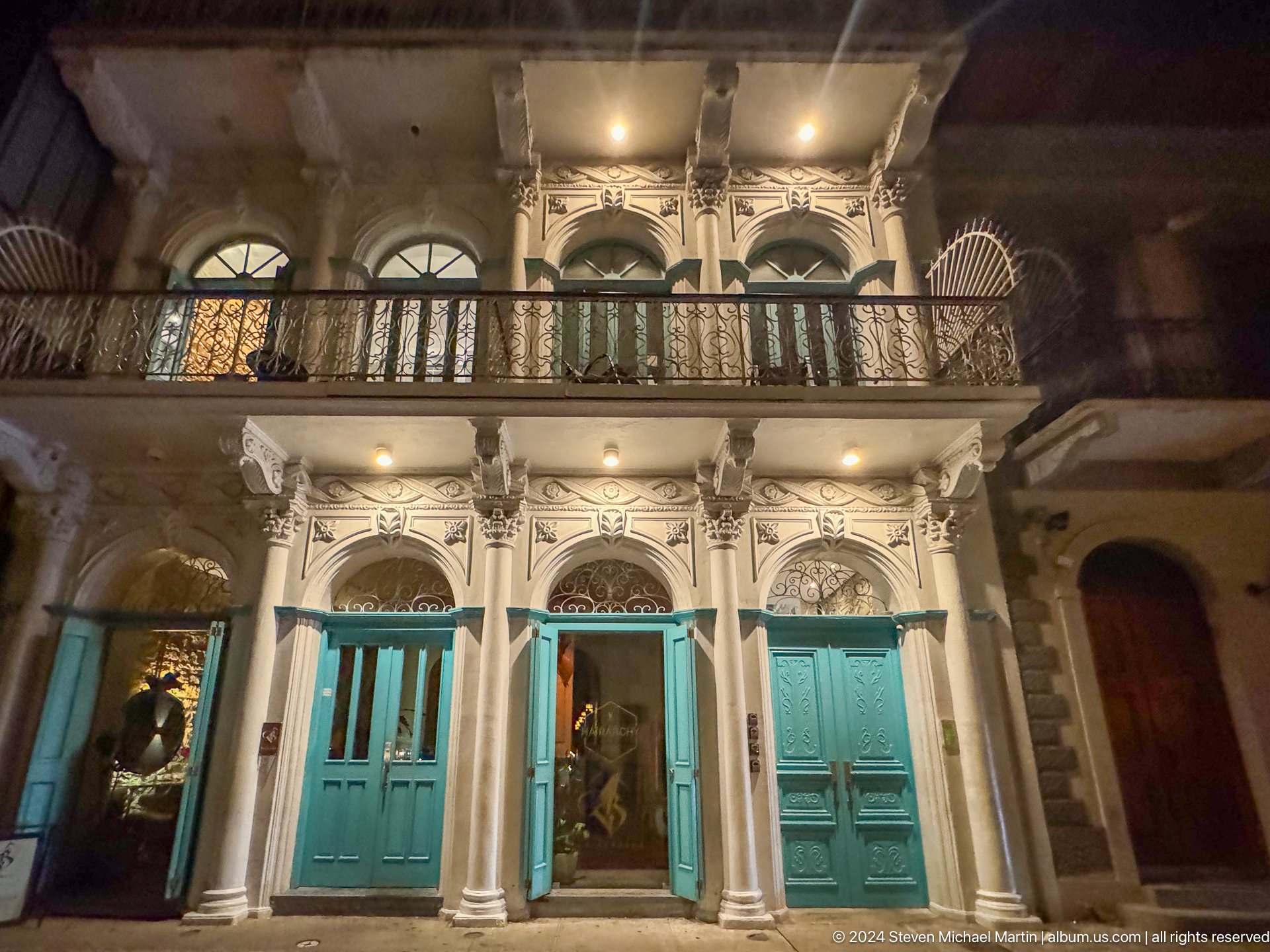
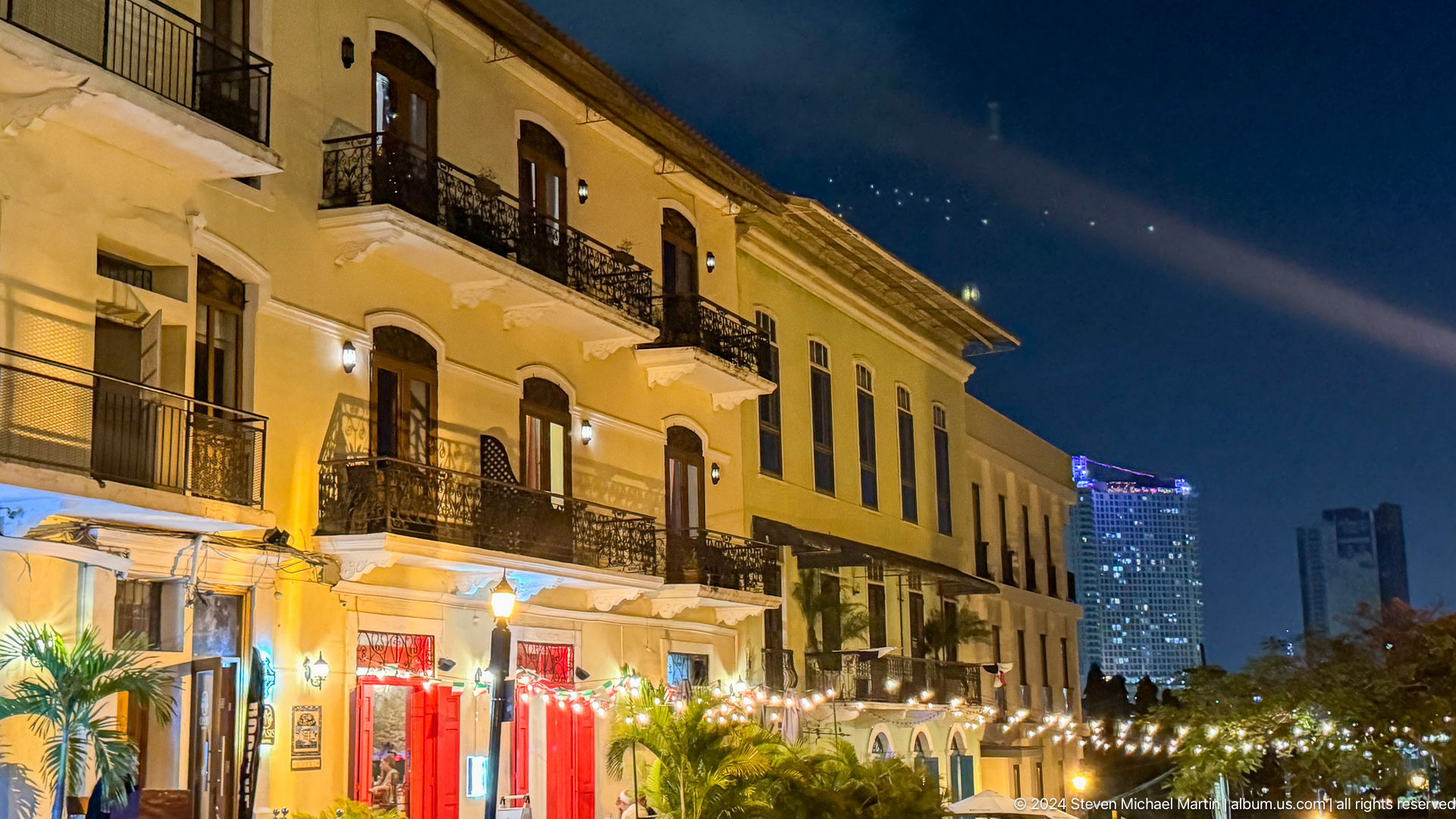
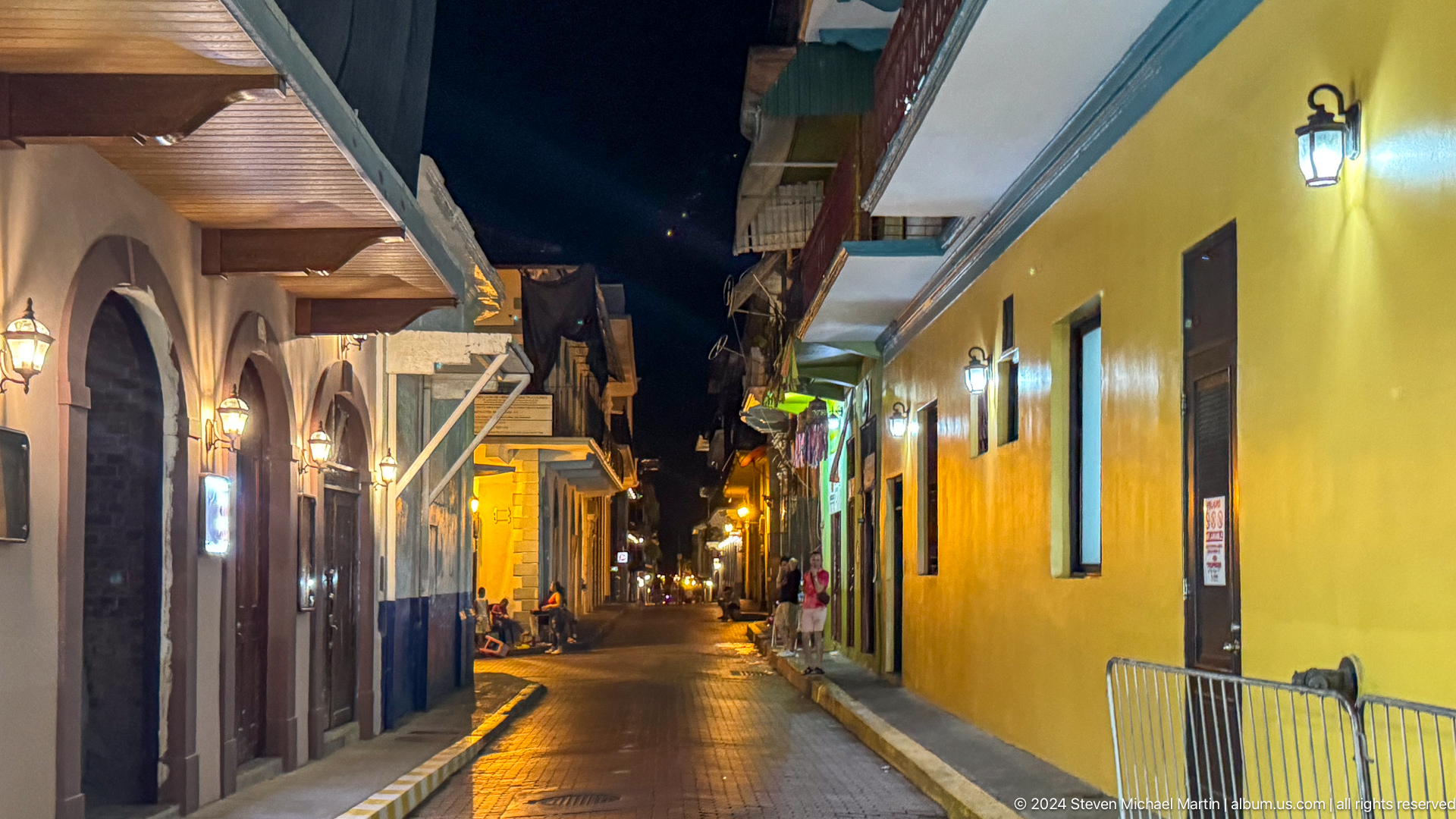
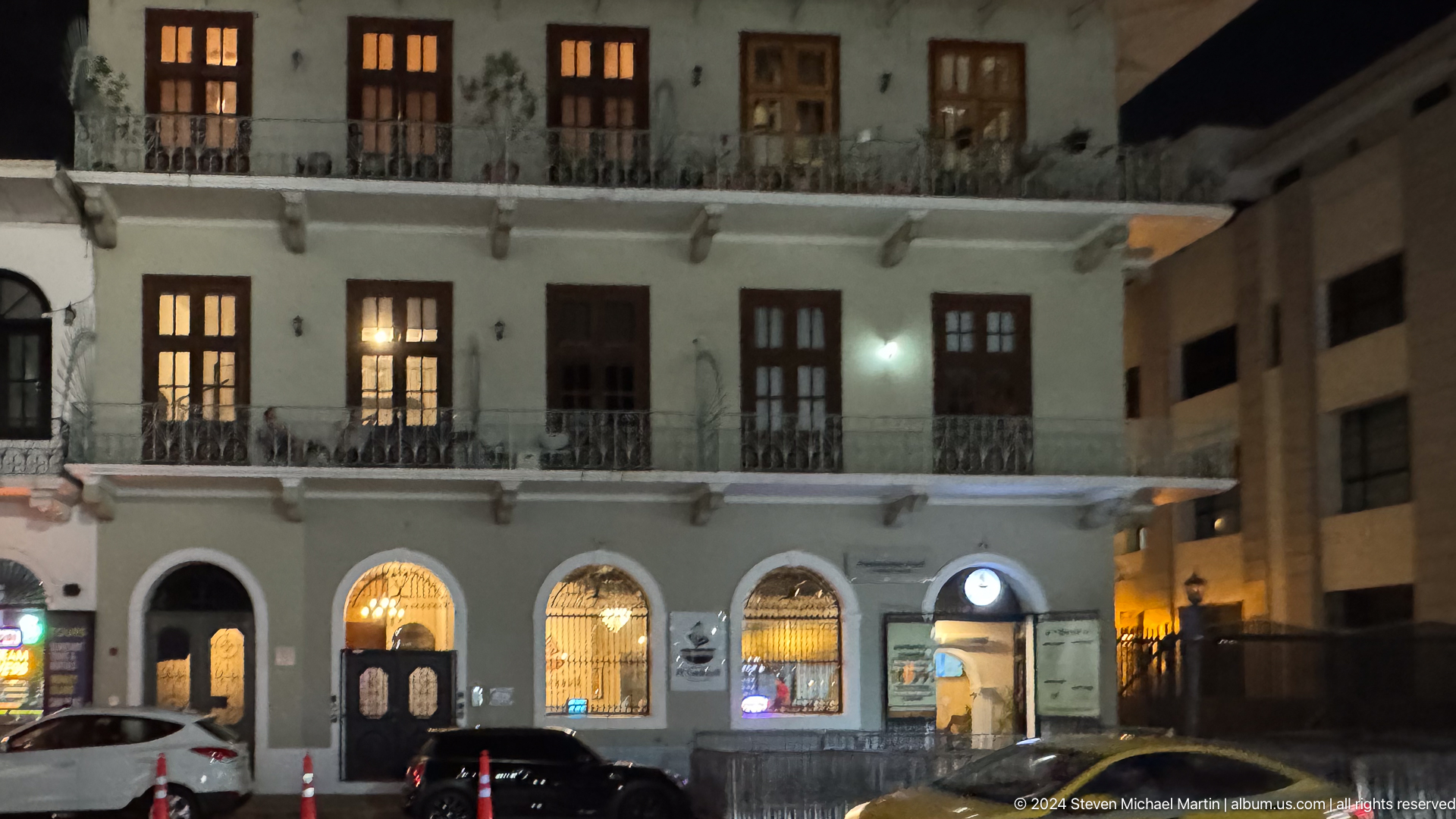
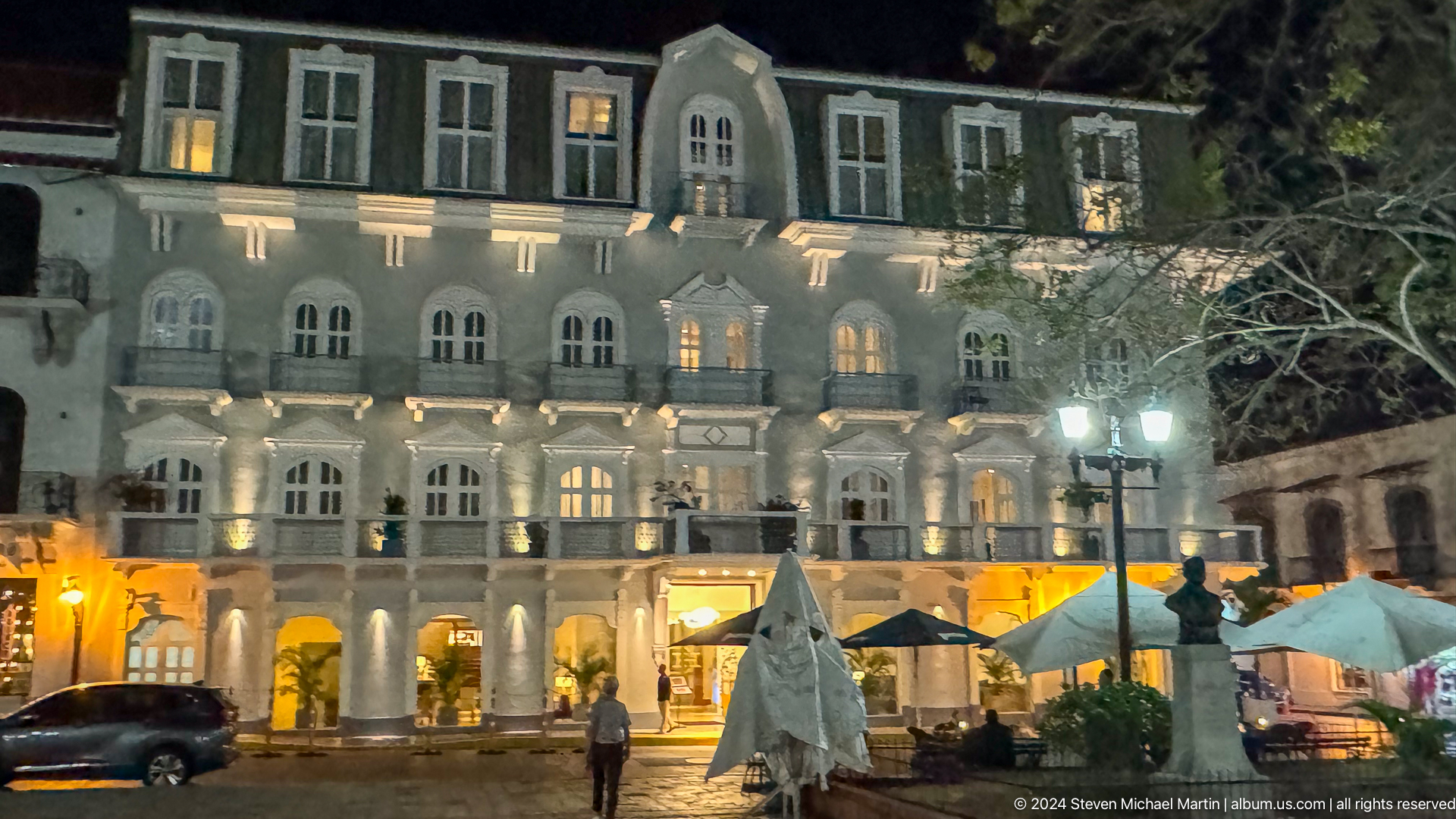
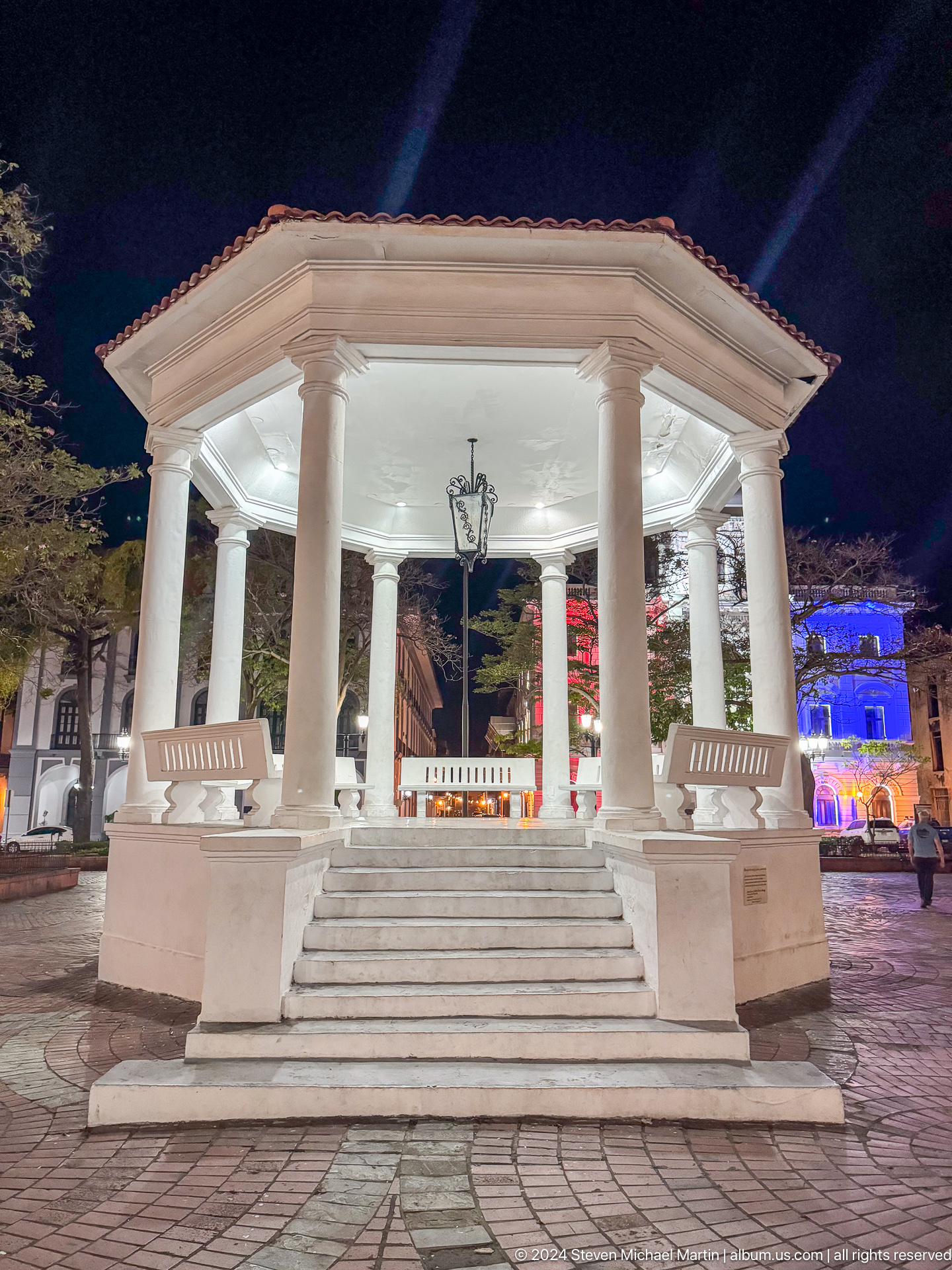
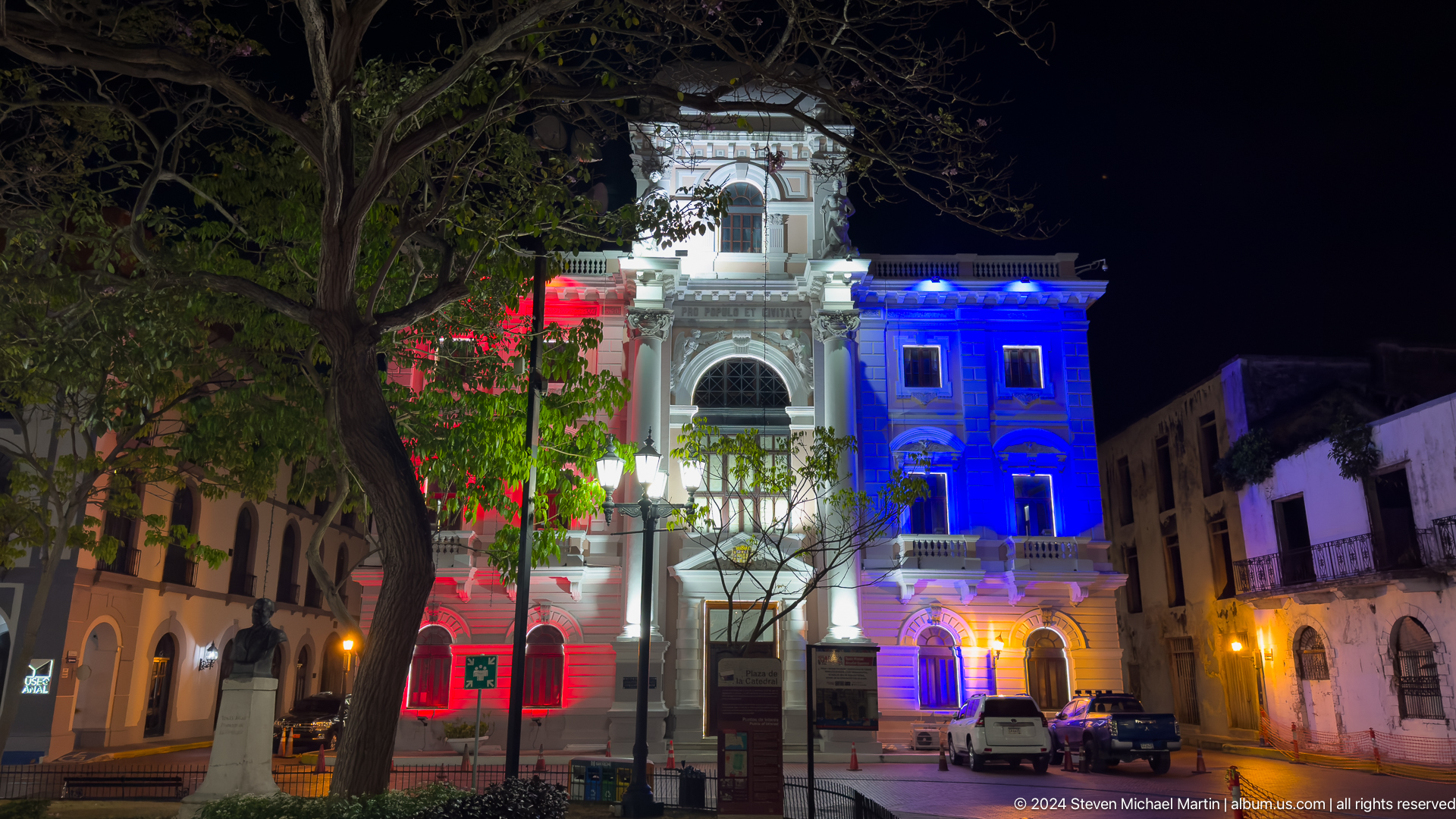
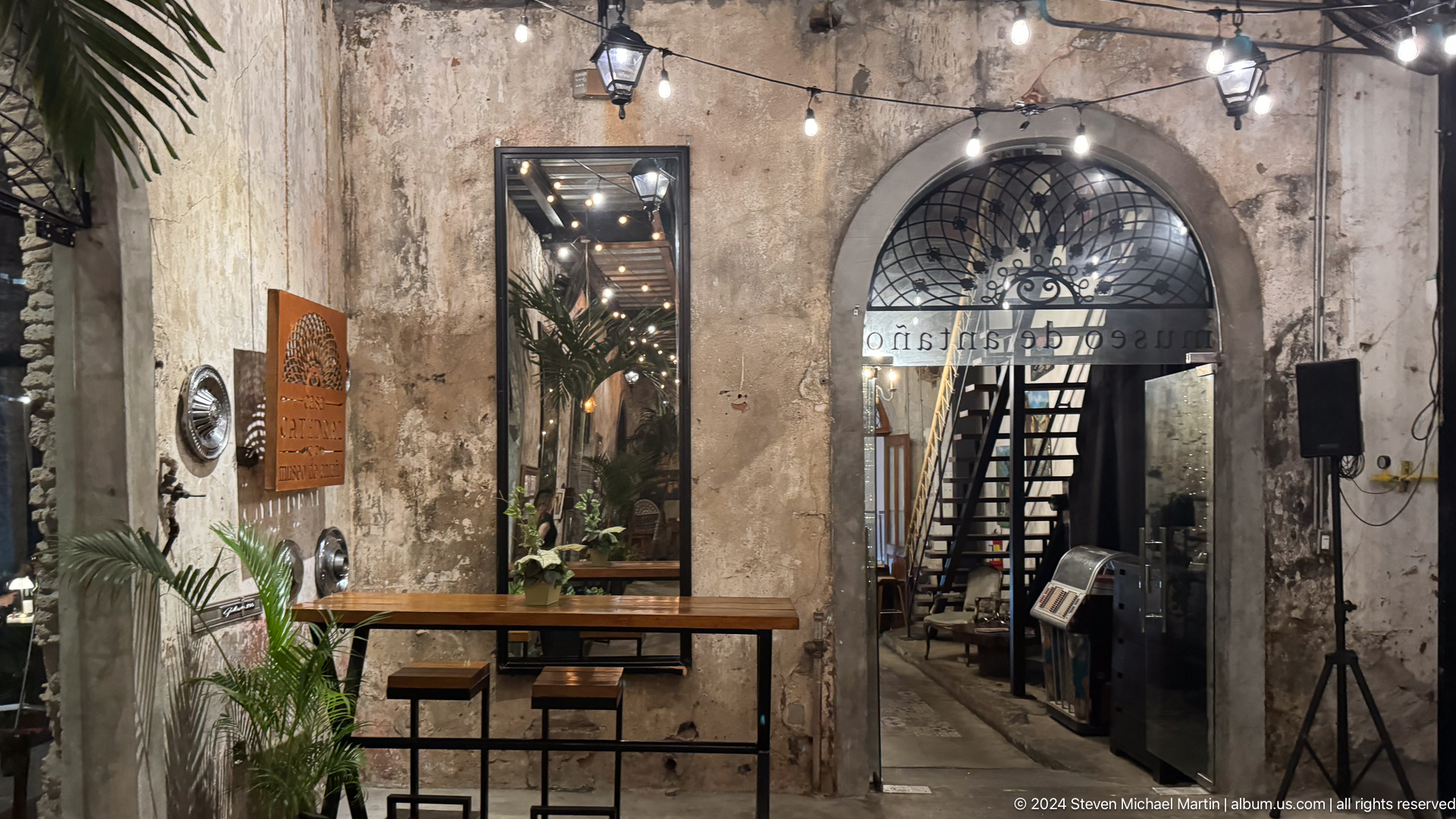
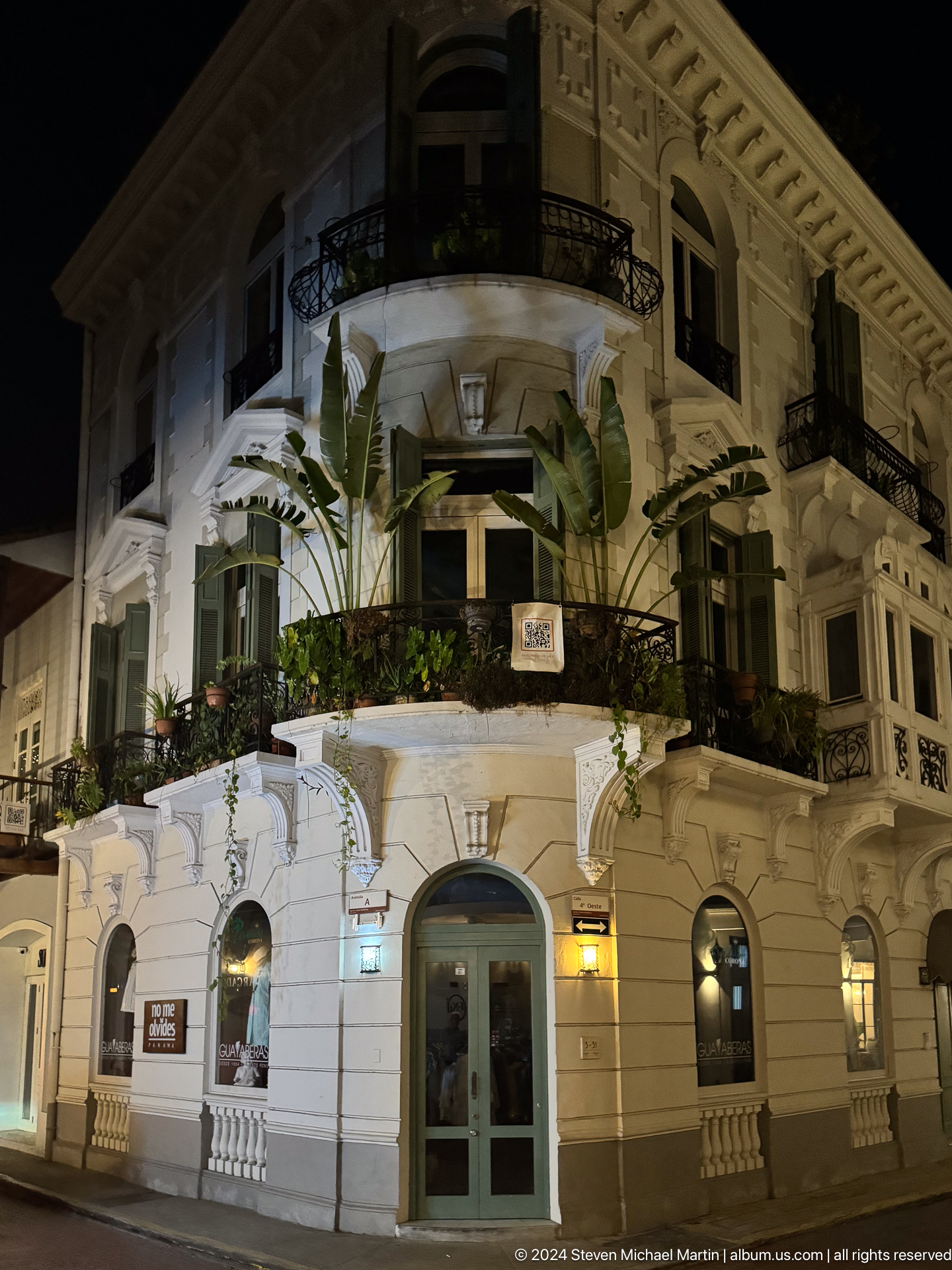
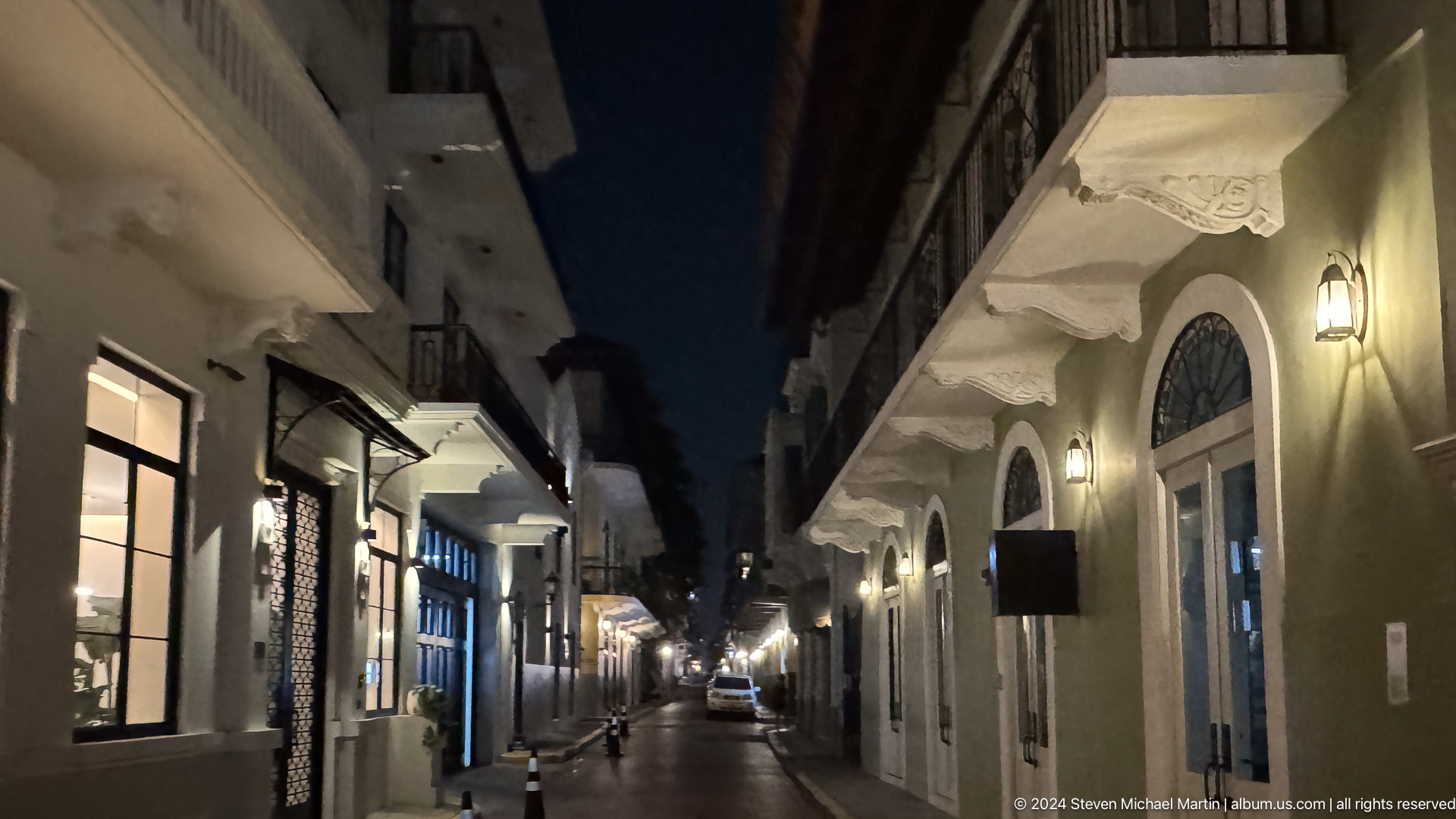
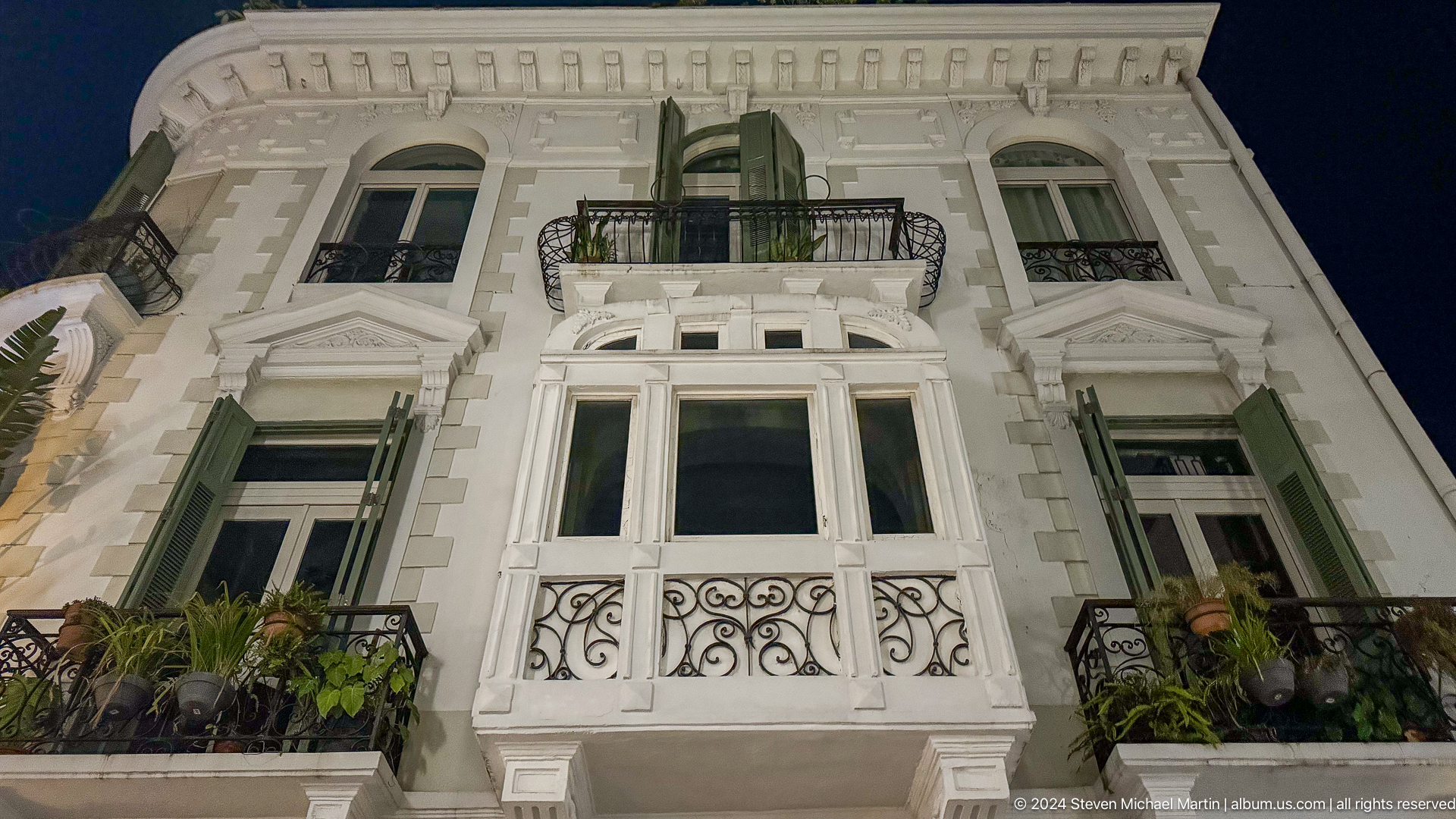
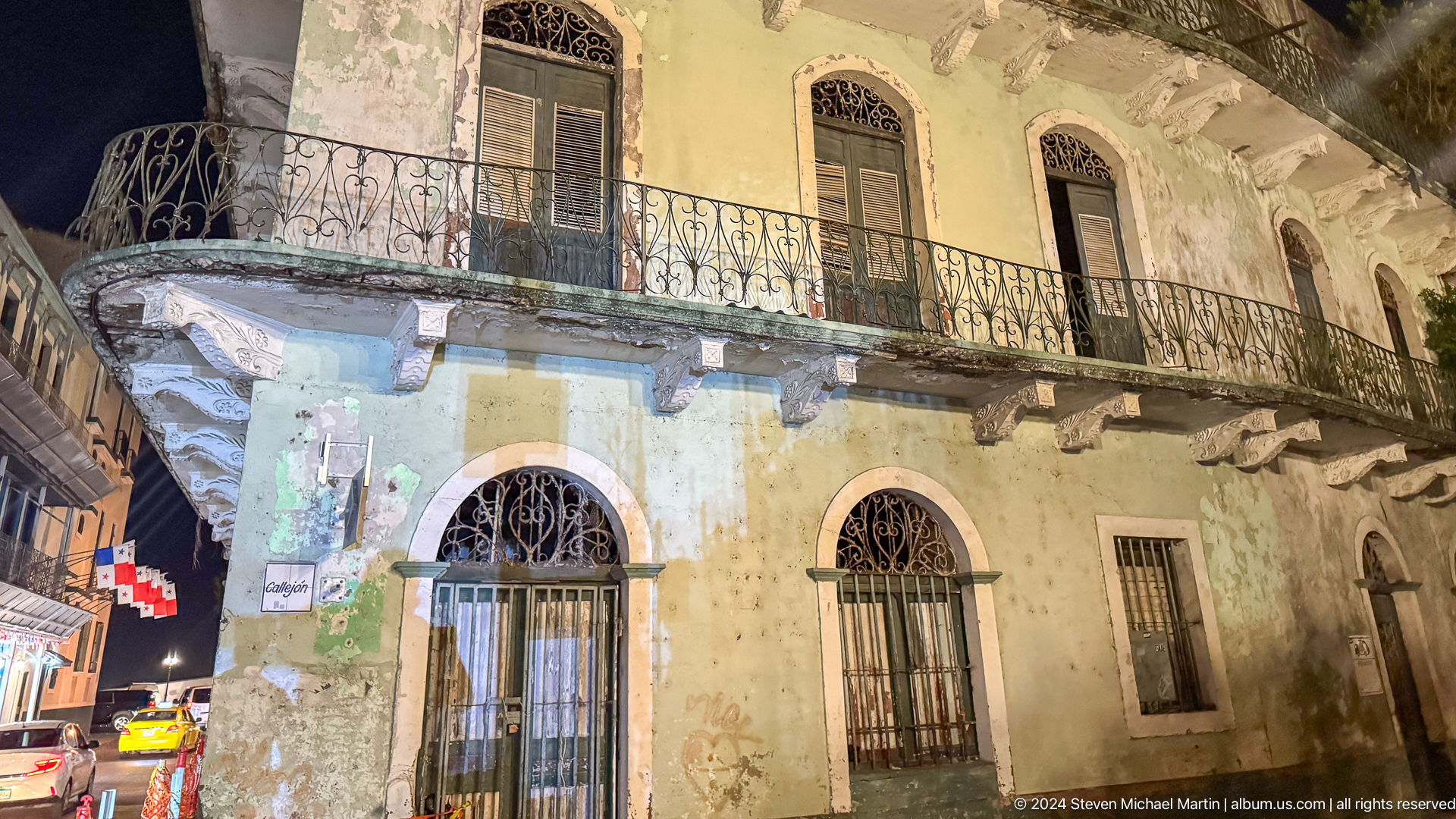
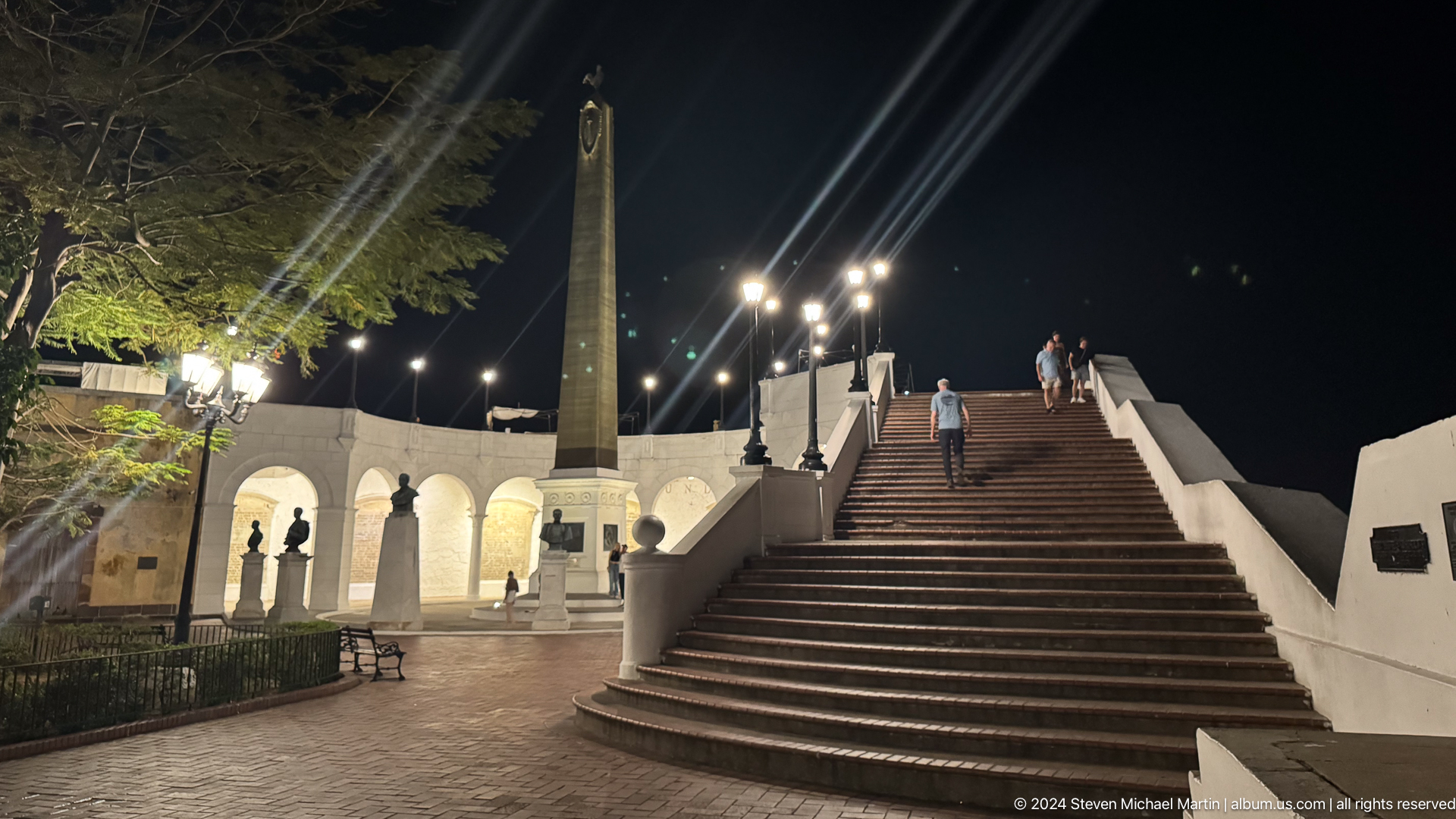
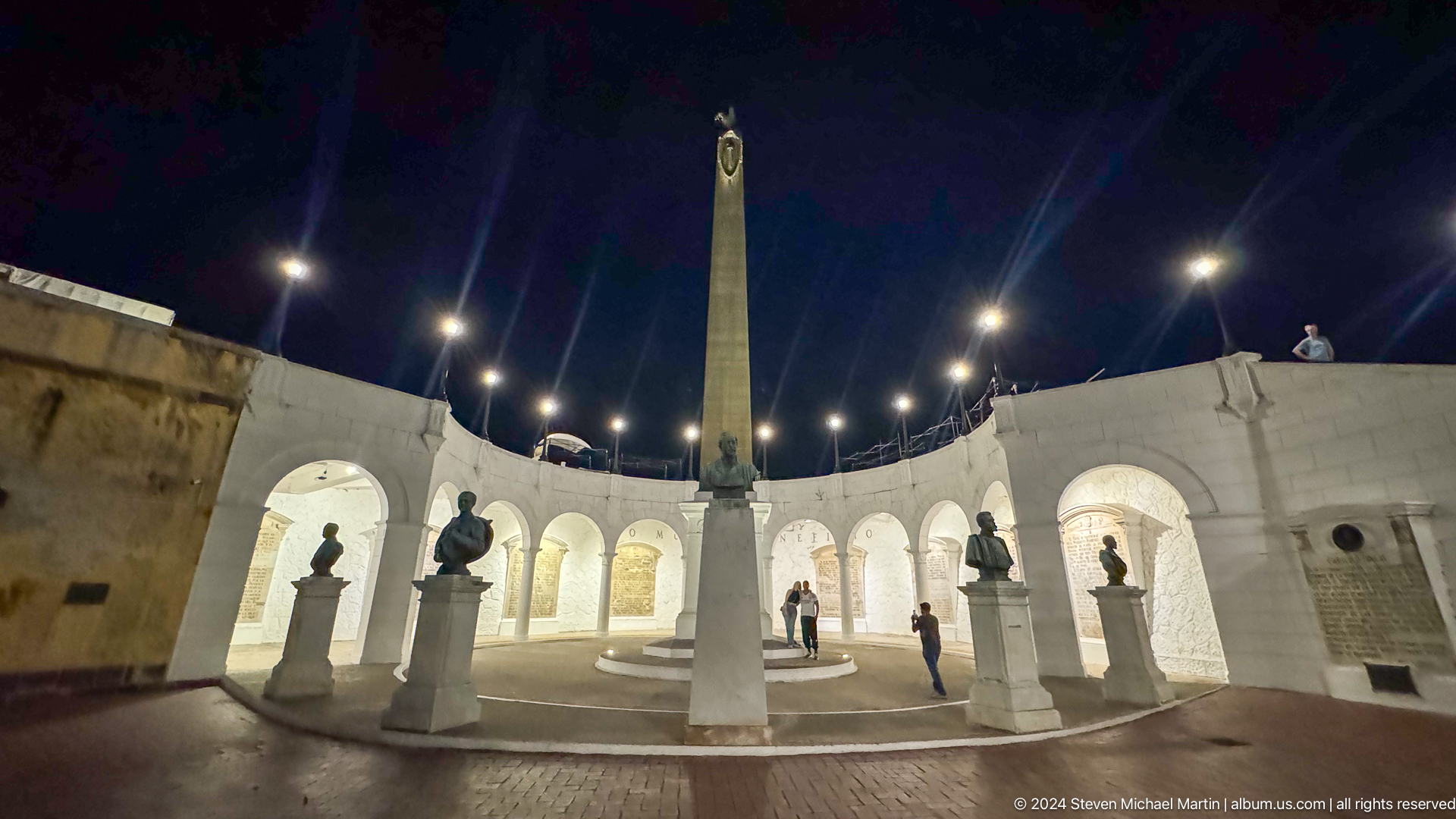
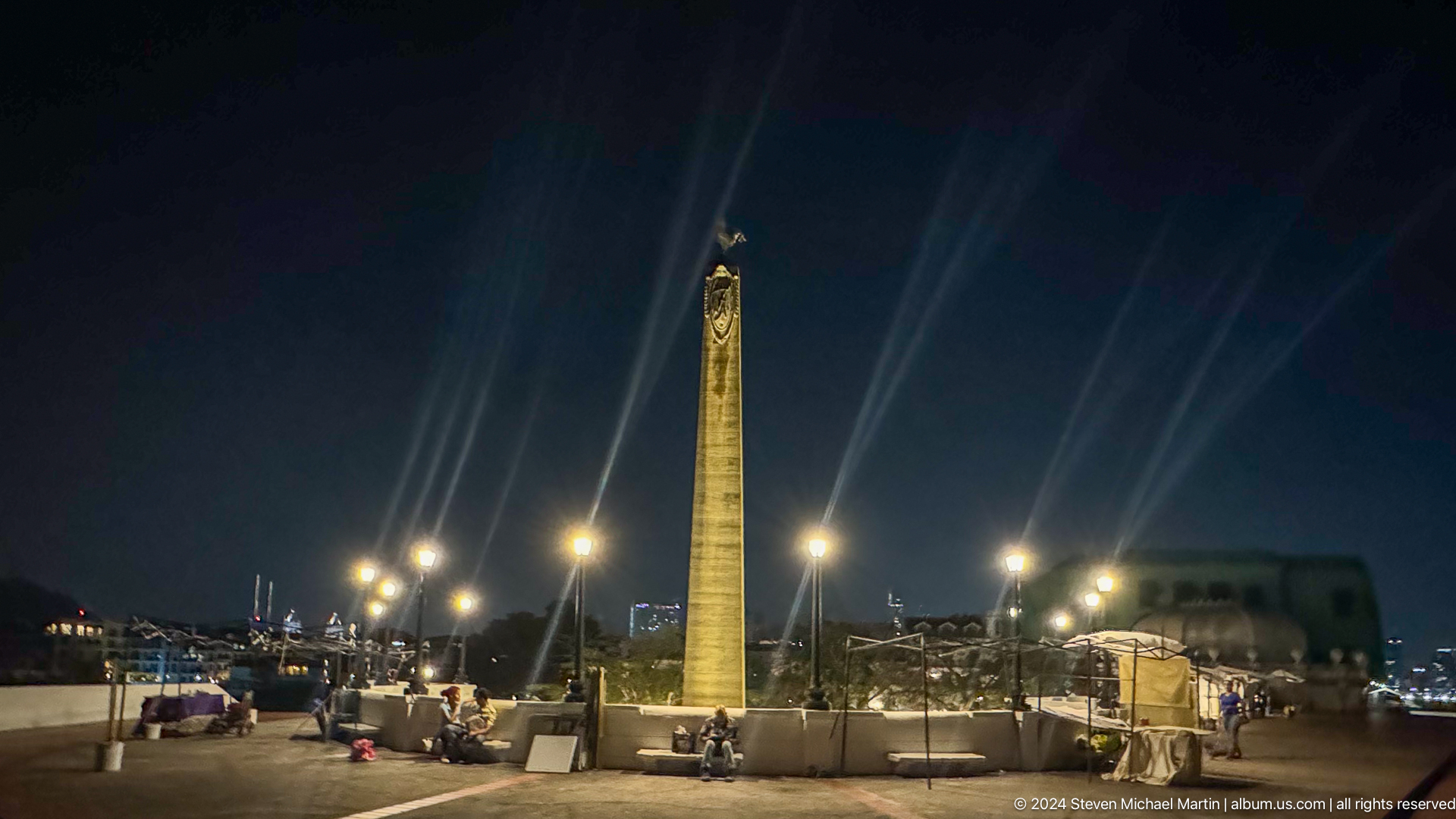
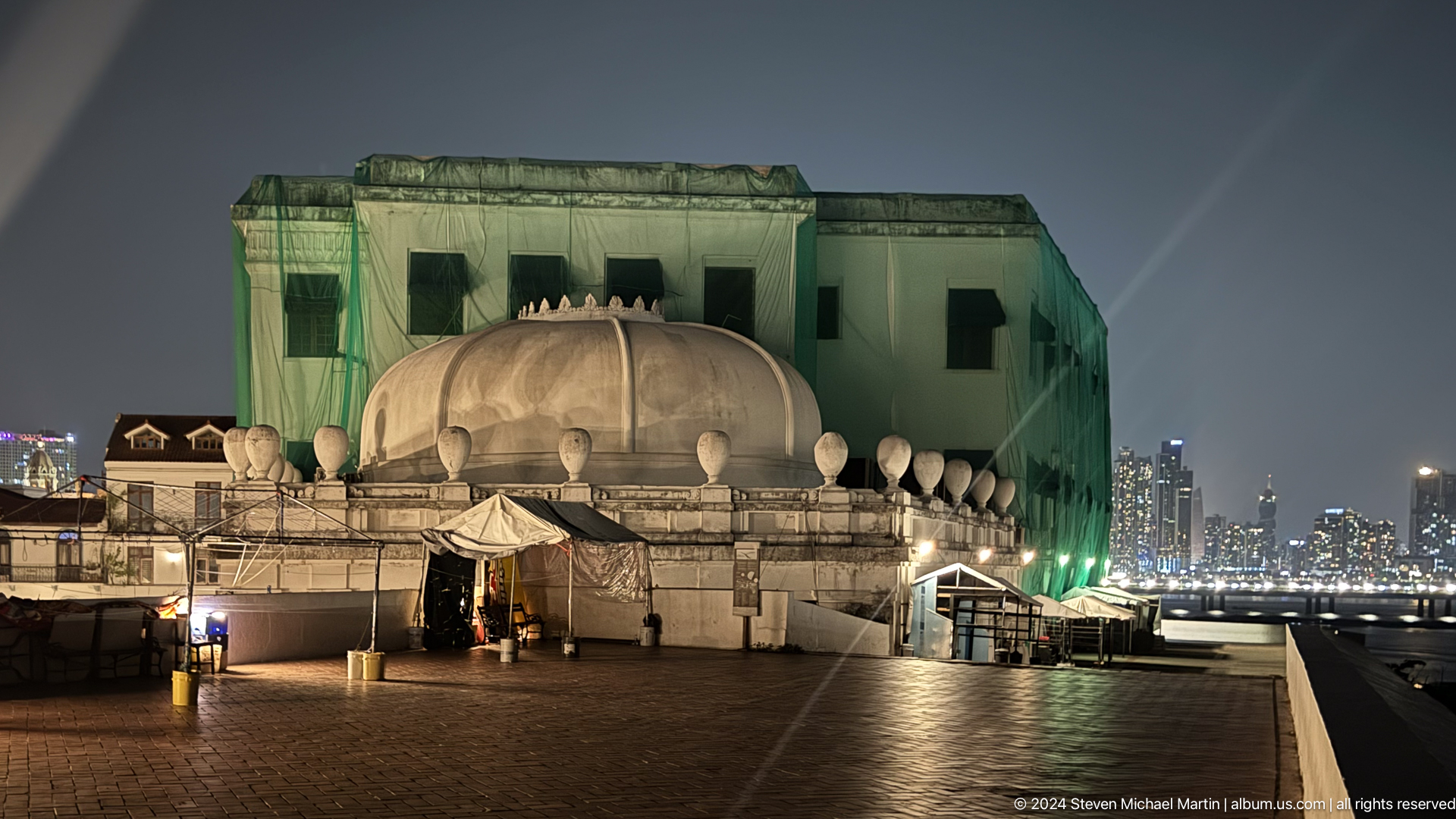
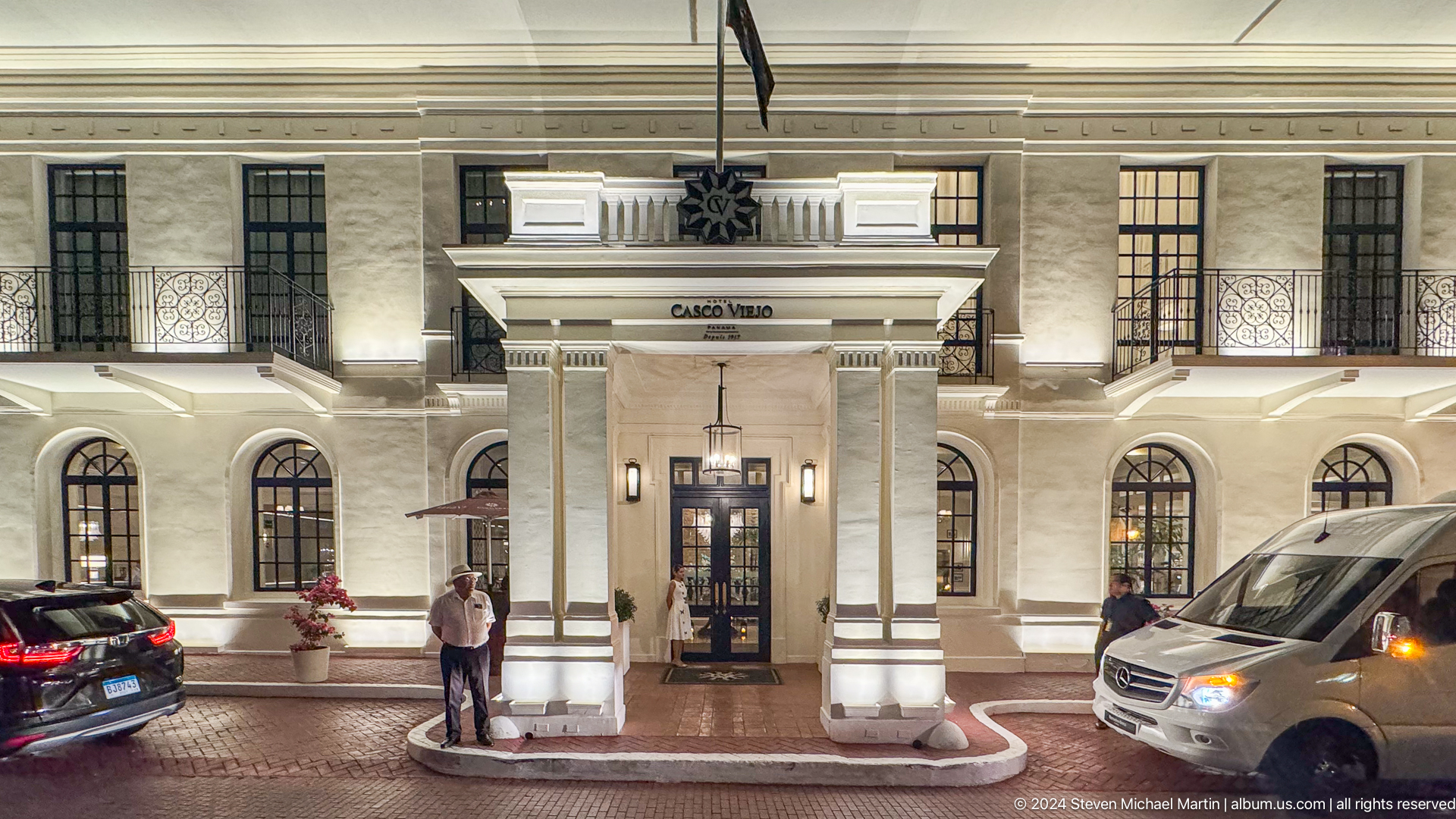
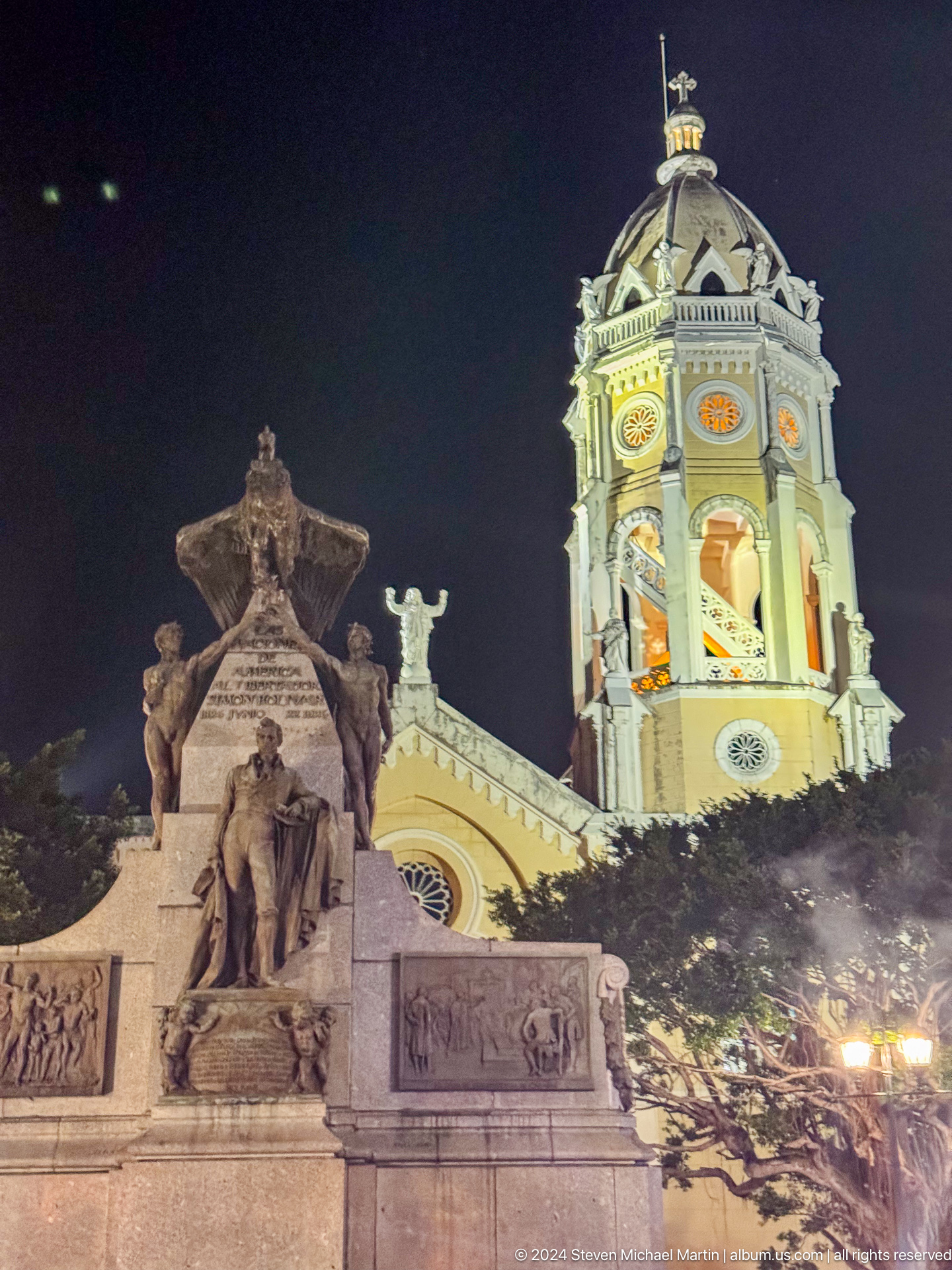
Historic districts such as Casco Viejo preserve colonial architecture and narrow streets that reflect the city’s early history. In contrast, the modern skyline along the bay showcases Panama City’s role as a major financial and commercial center in Central America.
Today Panama City connects the cultures and economies of North and South America while serving as the gateway to the Panama Canal.































⭐ Highlights
- Panama Canal: One of the most important engineering achievements in the world, connecting the Atlantic and Pacific Oceans.
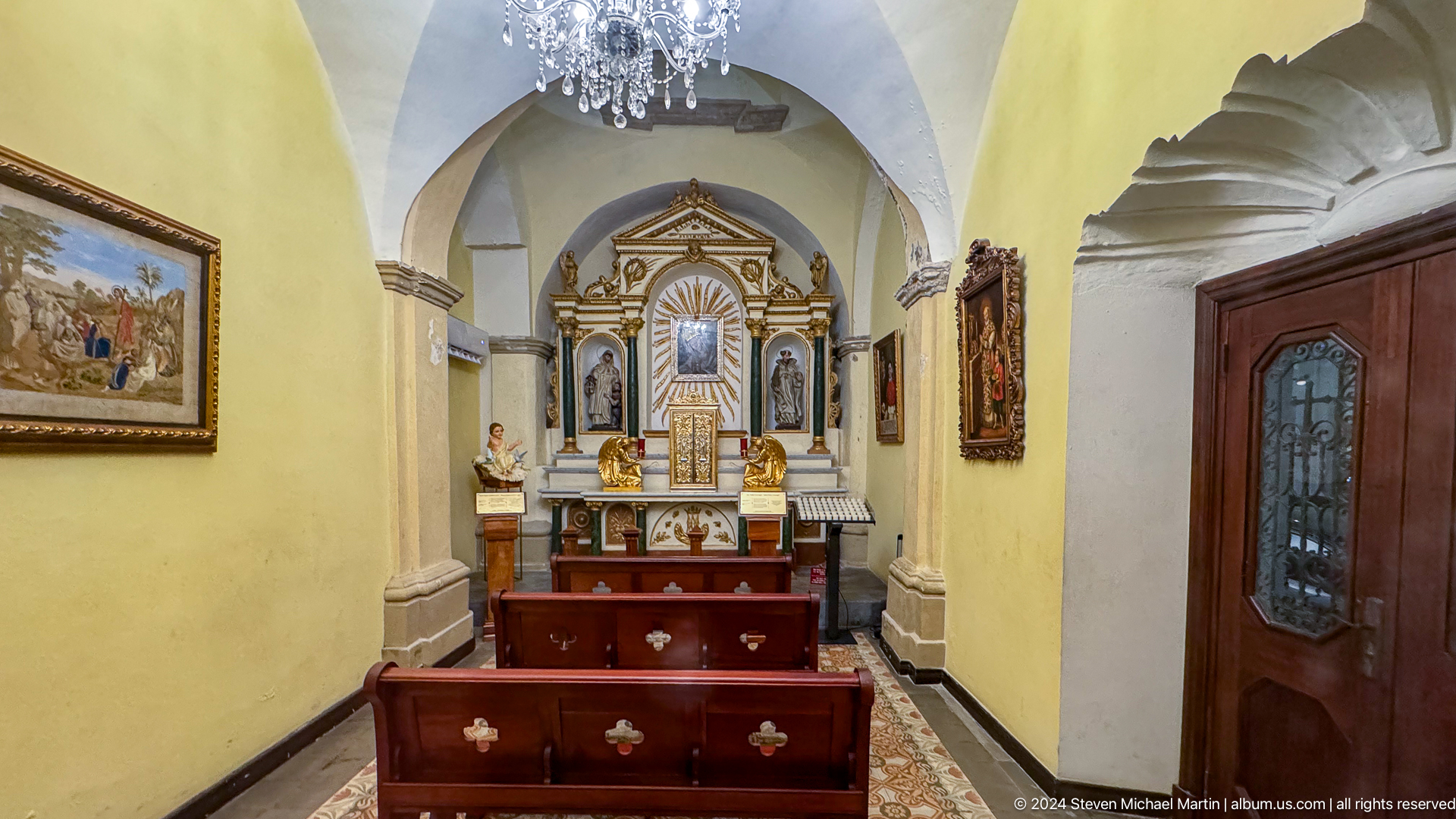
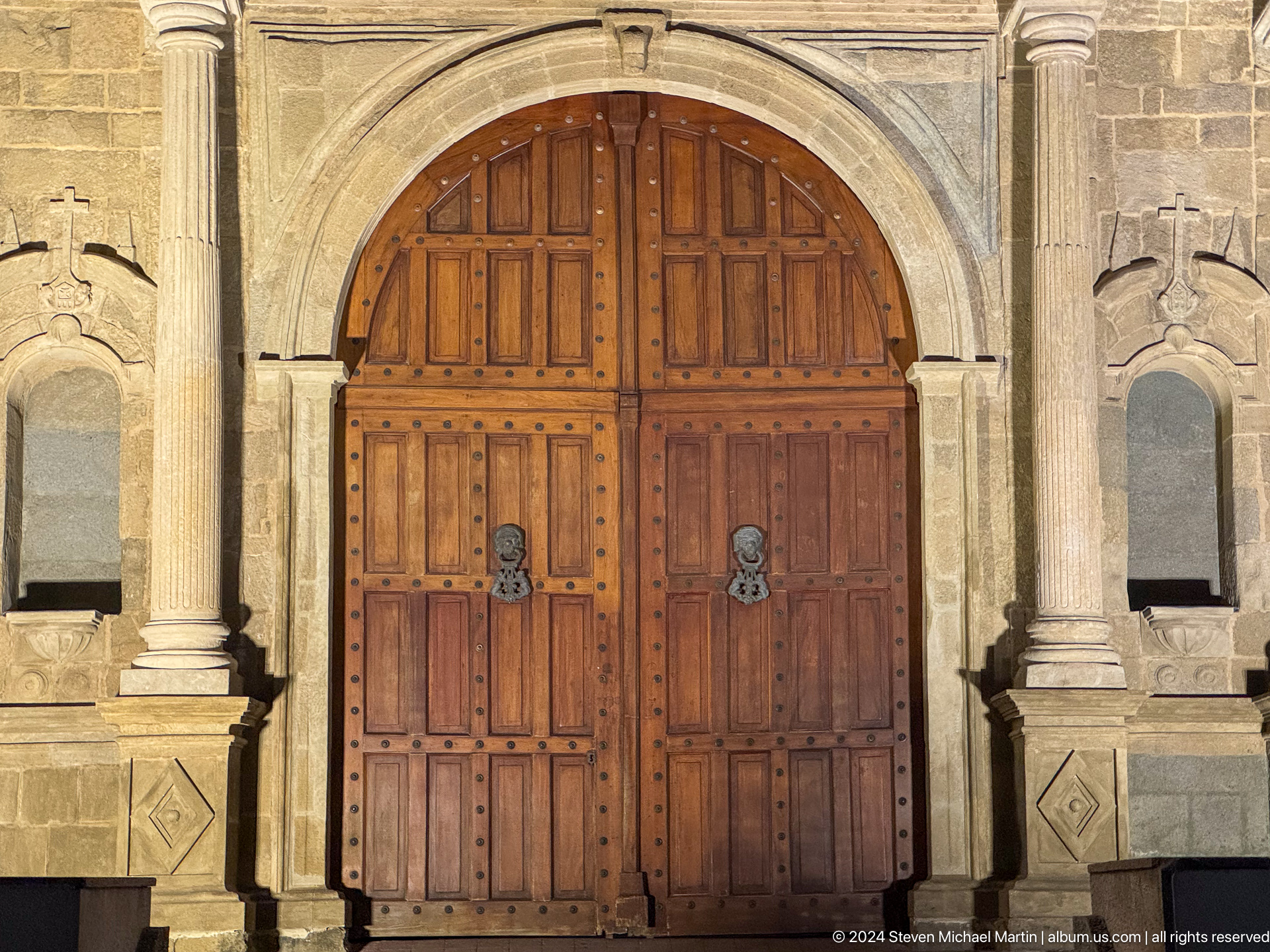
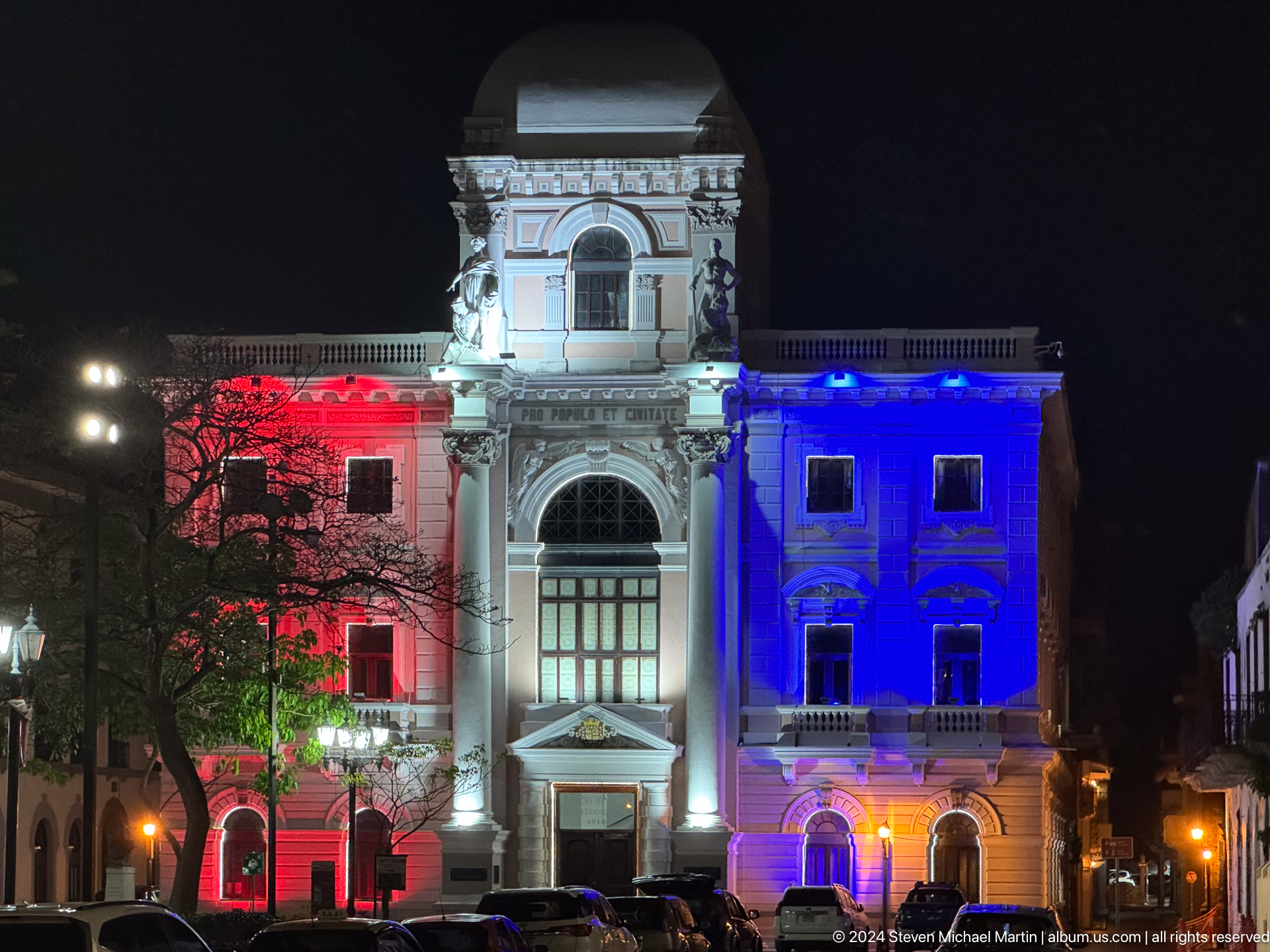
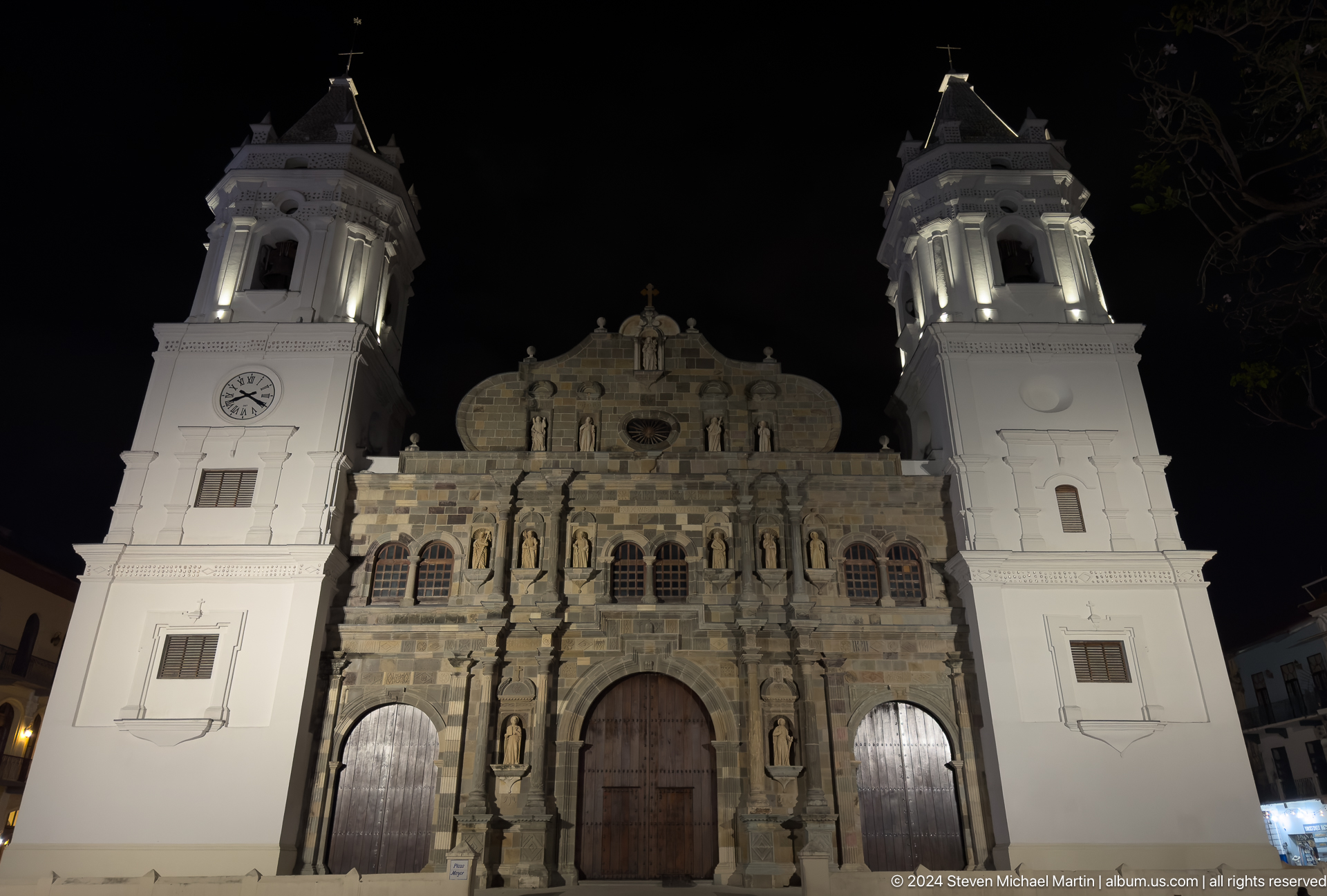
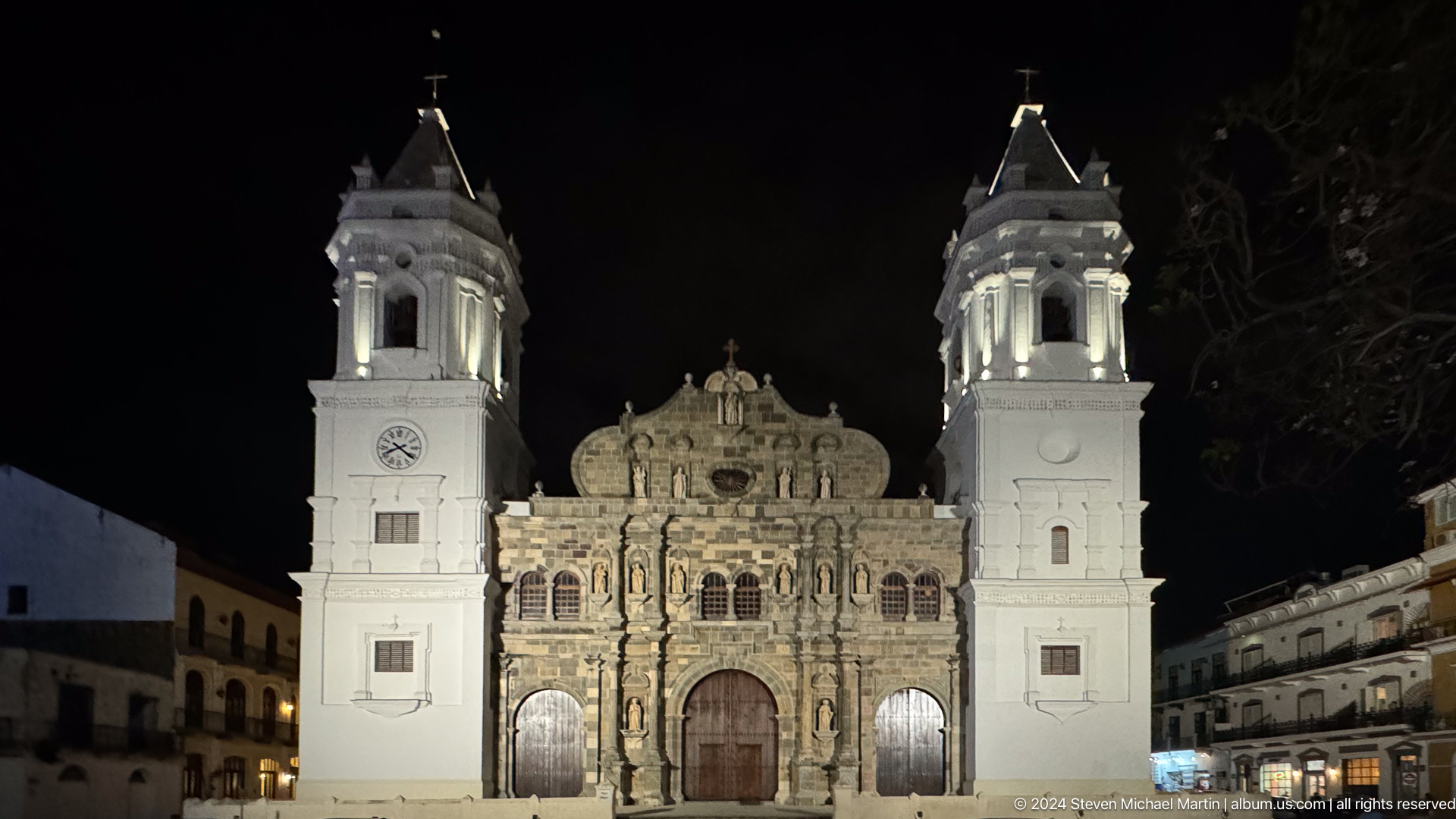
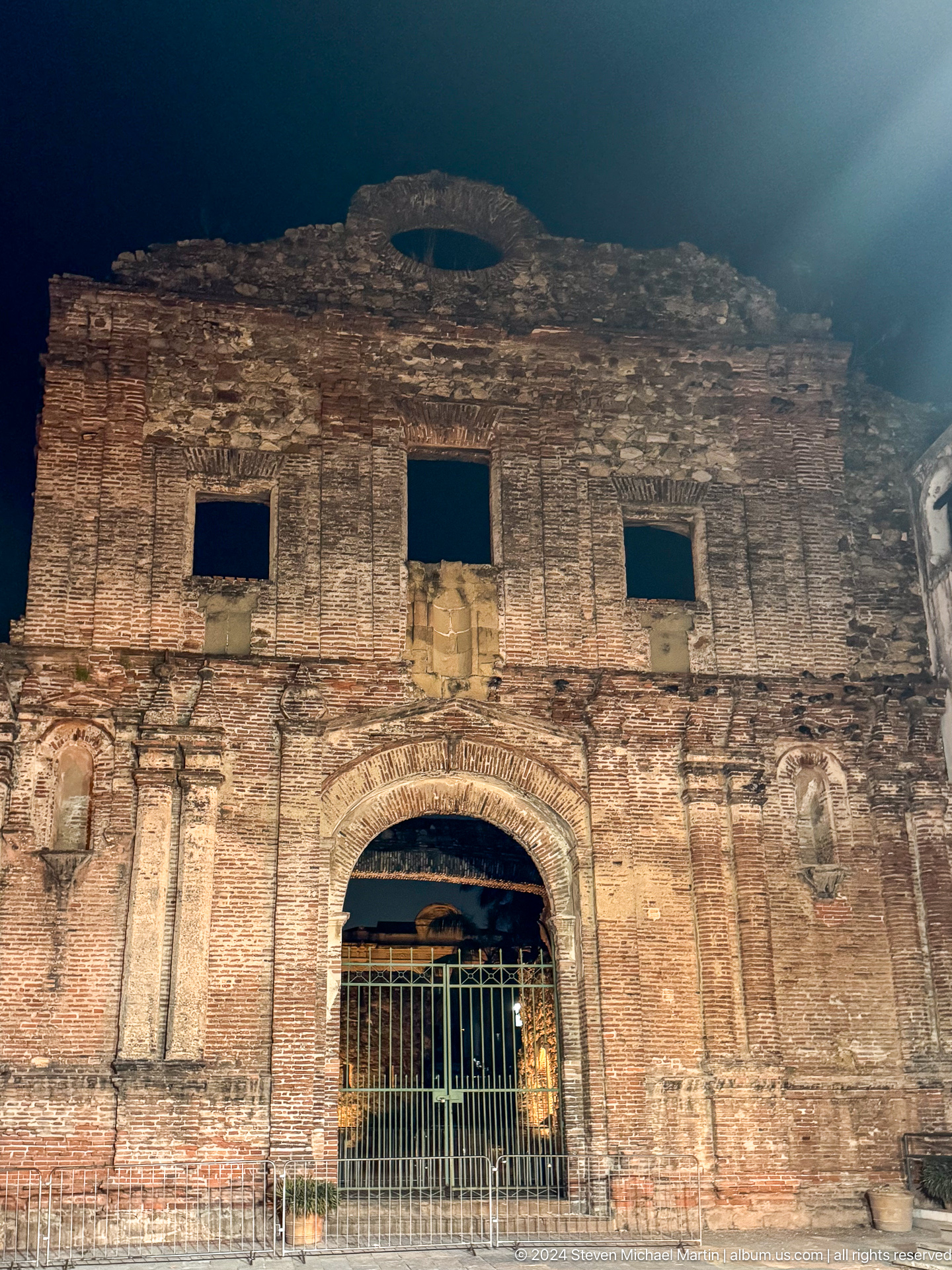
- Casco Viejo: A historic colonial district with plazas, churches, and restored buildings.
- Panamá Viejo: Ruins of the original 16th-century city destroyed by pirates.
- Modern Skyline: A striking contrast of high-rise buildings along the Pacific coast.
- Global Trade Hub: A city shaped by centuries of international commerce.
- Three Cities in One: Ancient ruins, colonial core, and modern metropolis coexist in one place.
🌆 Panama City Field Guide
Major features observed during this visit:
Panama City is one of the most historically and strategically important cities in the Americas, located on the Pacific coast of Central America. Founded in 1519, it served as a key transit point for Spanish expeditions and trade routes connecting the Americas and Europe. Over centuries, the city evolved through destruction, relocation, and expansion into a major global crossroads.
Today, Panama City is defined by its unique layering of history. The ruins of Panamá Viejo mark the original settlement, Casco Viejo reflects the rebuilt colonial city, and the modern skyline represents Panama’s role as a global financial and commercial center.
🏛️ Signature Landmarks
- Panama Canal – A man-made waterway linking two oceans and shaping global trade.
- Casco Viejo – A preserved colonial district with plazas, churches, and historic buildings.
- Panamá Viejo – Archaeological remains of the original Spanish city.
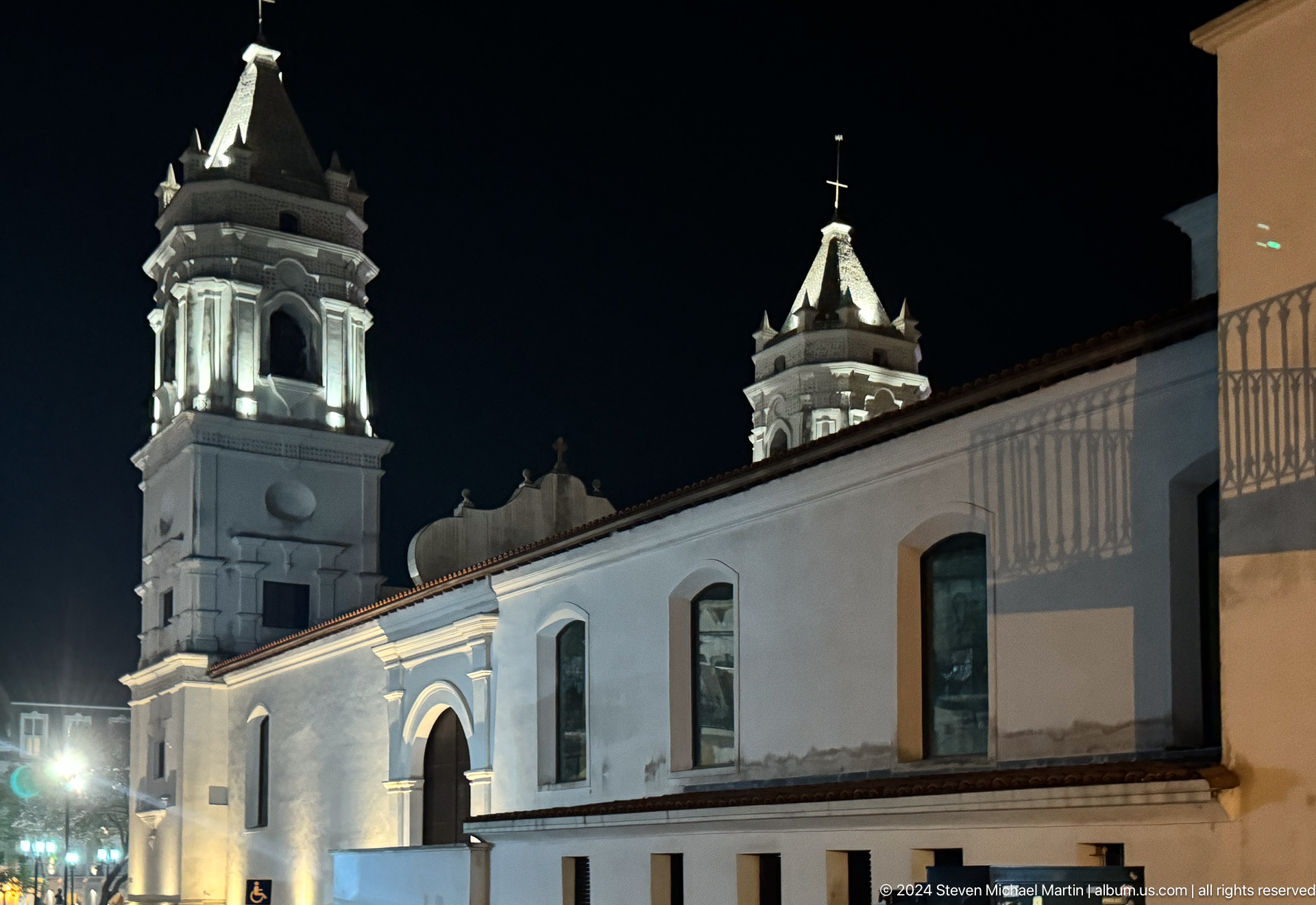
- Metropolitan Cathedral – A central landmark in the historic district.
- Ancon Hill – A natural viewpoint overlooking the city and canal.
🧠 Historical Significance
- Spanish Colonial Hub – A major transit point for gold and silver from the Americas.
- Pirate Destruction – The original city was destroyed in 1671 and later rebuilt nearby.
- Canal Construction – The opening of the Panama Canal in 1914 transformed global shipping.
- Modern Global Role – Today the city is a center for finance, trade, and international commerce.
🌄 Landscape & Setting
- Pacific Coastline – The city stretches along the ocean with views of the bay.
- Canal Zone – The nearby canal defines the region’s global importance.
- Urban Contrast – Colonial architecture stands alongside modern skyscrapers.
- Tropical Setting – The city is surrounded by rainforest and coastal environments.