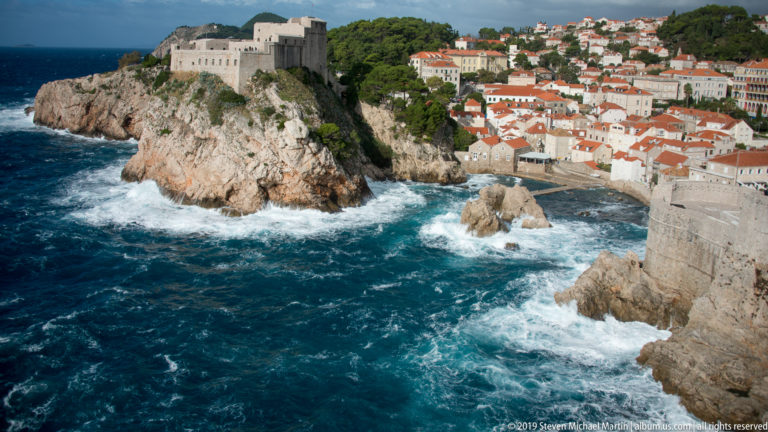
Dubrovnik
Dubrovnik – Croatia Dubrovnik lies along the rocky southern coast of Croatia where steep cliffs descend into the Adriatic Sea. […]
Explore Portfolio
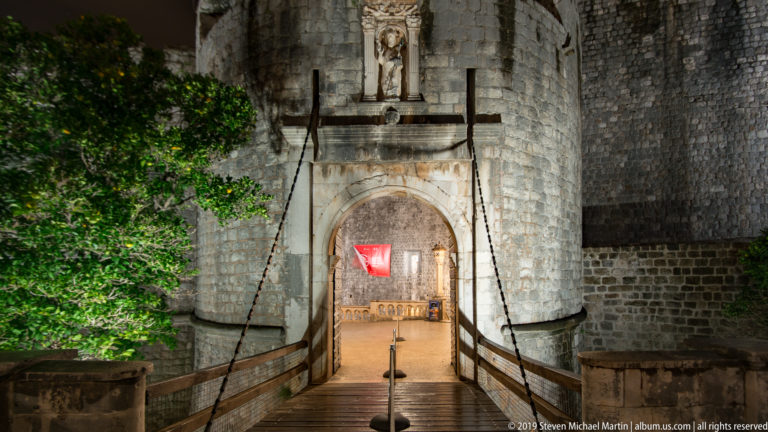
Croatia’s Adriatic coastline preserves a remarkable concentration of historic cities shaped by Roman foundations, medieval fortifications, and centuries of maritime trade. The walled city of Dubrovnik reflects the historic importance of fortified coastal settlements that developed as independent trading republics. Its preserved medieval walls and urban fabric have earned recognition as a UNESCO World Heritage Site.
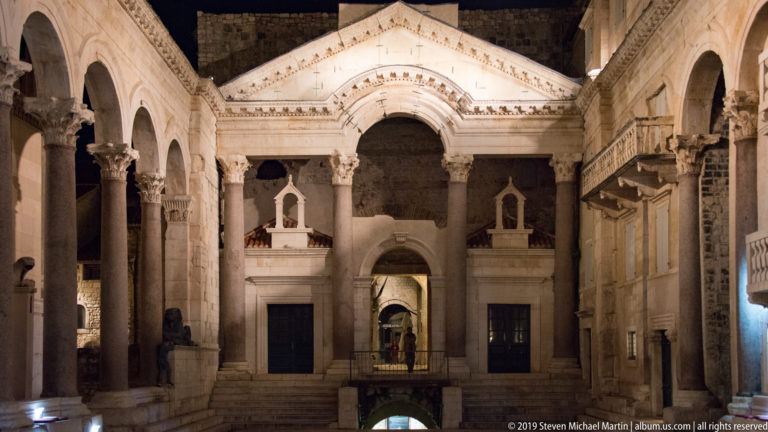
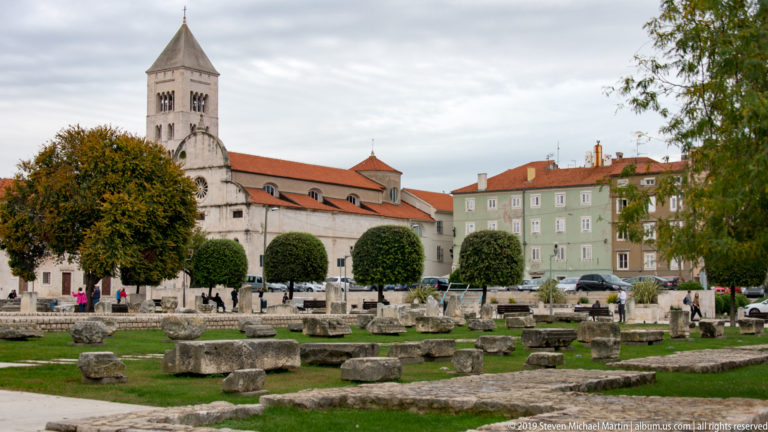
The historic center of Split incorporates the remains of Diocletian’s Palace, one of the most significant surviving Roman imperial complexes, illustrating the continuity of settlement from the Roman period through the present day. Further north, Zadar reveals additional layers of Roman and Venetian influence through churches, public squares, and waterfront spaces shaped by centuries of maritime exchange along the Adriatic coast.
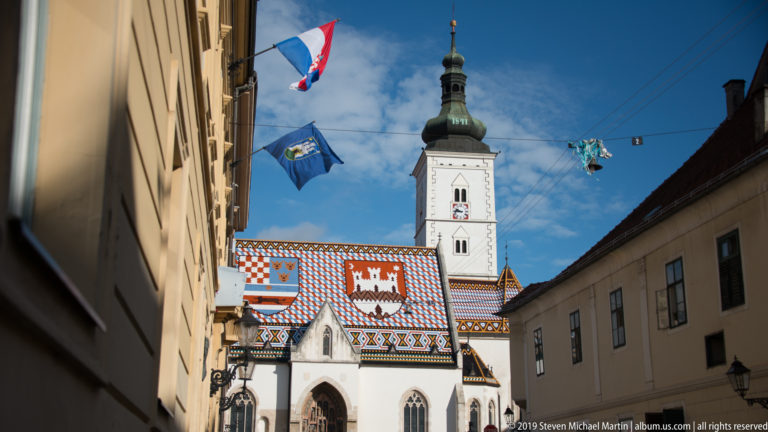
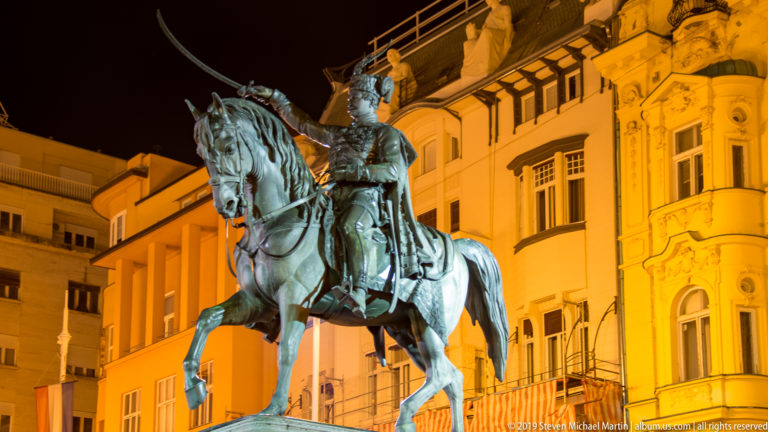
Inland, the capital city of Zagreb presents a different perspective on Croatian history, reflecting Central European cultural traditions distinct from the coastal trading centers. Together, these locations illustrate the geographic diversity of Croatia, where Mediterranean and Central European influences intersect within a relatively compact country.
Photographing Croatia emphasizes the visual contrast between historic stone architecture, coastal environments, and inland urban landscapes. Sunlit walls, textured surfaces, and expansive waterfront views create compositions that highlight both the historic continuity and natural beauty that define much of the Adriatic region.

The following itineraries include locations in this country:
