Exploring Peru
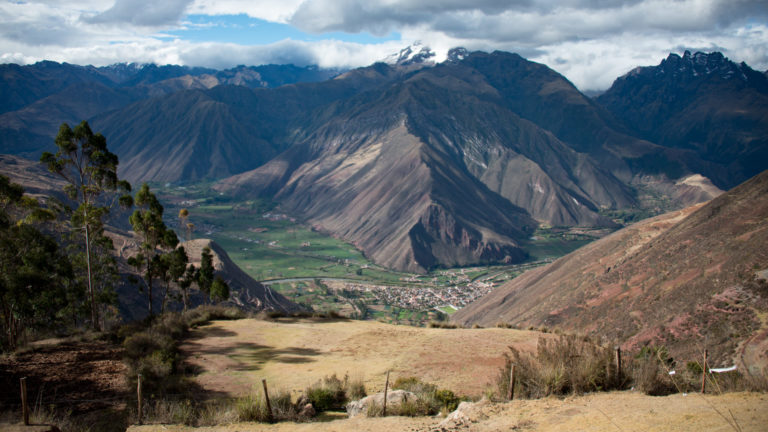
Peru occupies a central position along the western coast of South America, where the Andes Mountains rise abruptly above the Pacific Ocean and descend eastward into the vast Amazon Basin. This dramatic geographic transition has shaped one of the most environmentally and culturally diverse regions on the continent, encompassing coastal deserts, high mountain valleys, and tropical rainforest ecosystems. The Andes supported the development of complex pre-Columbian societies, most notably the Inca civilization, whose administrative centers, agricultural terraces, and ceremonial architecture illustrate advanced adaptation to high-altitude environments. East of the mountains, the Amazon watershed contains extensive river systems and biodiverse rainforest habitats that have supported indigenous cultures for millennia.
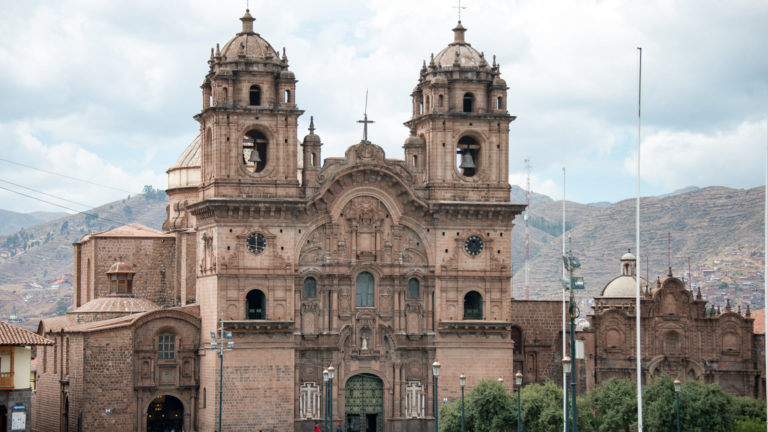
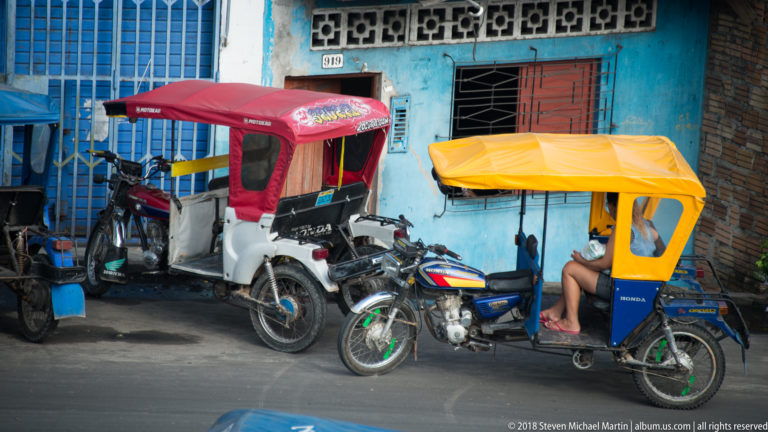
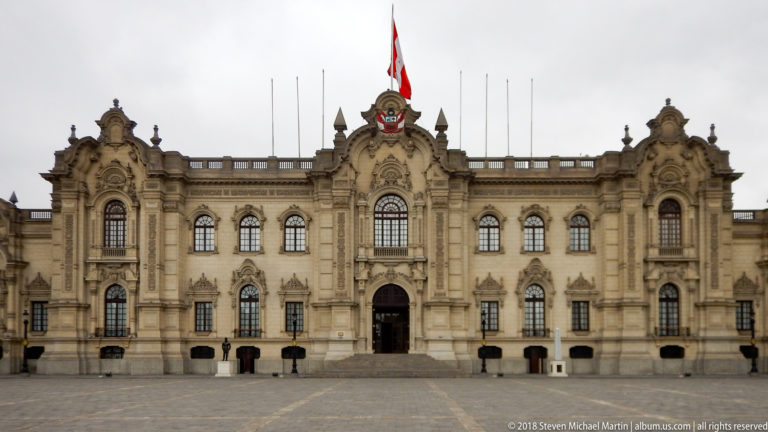
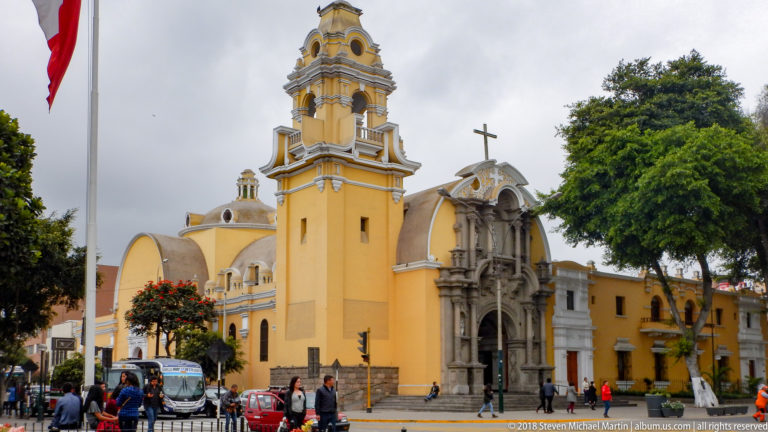
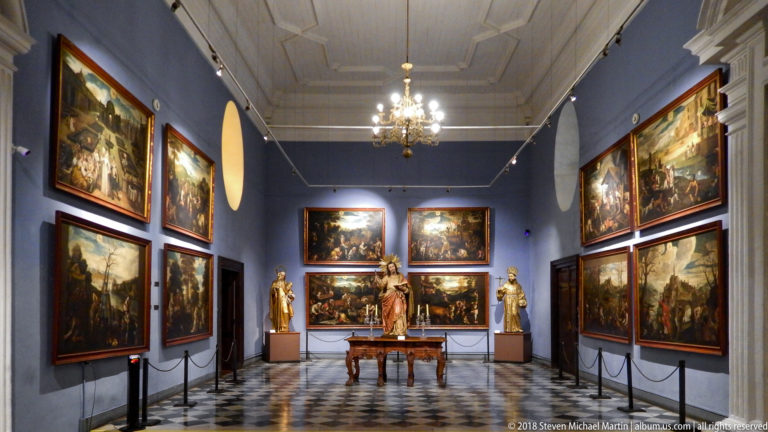
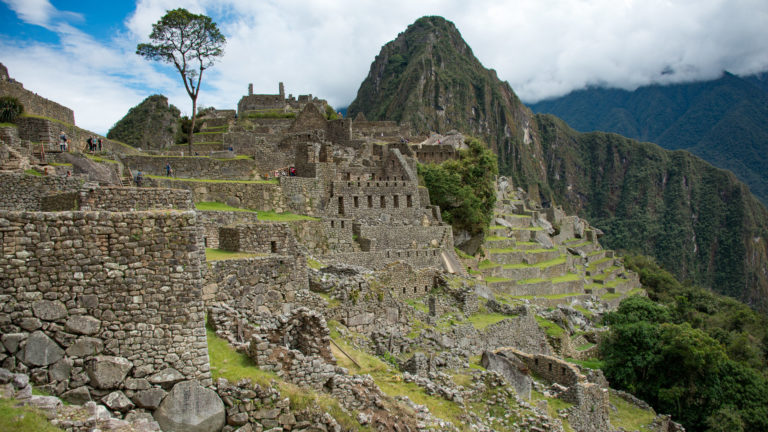
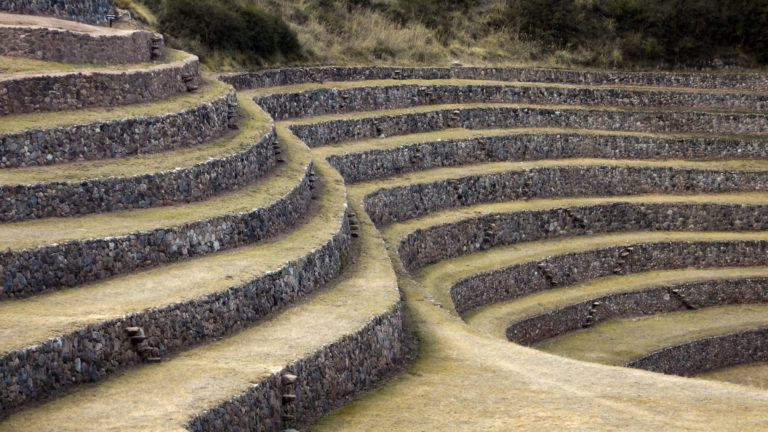
The portfolios presented here illustrate Peru’s environmental and historical continuity across three principal regions. The Amazon Basin is represented through Tahuayo Lodge , Tahuayo River , Amazon River , Frog Valley , Blanco River , Tamshiyacu Reserve , Amazon Research Center , Iquitos , Tahuayo Lake , Iquitos City , and Iquitos Market , illustrating river-based transportation networks and tropical ecosystems that define the western Amazon. In the Andean highlands, agricultural experimentation sites and Inca administrative centers including Moray , Ollantaytambo , Chinchero , Aguas Calientes , Train to Machu Picchu , Ollantaytambo Inca Runes , and Machu Picchu demonstrate advanced engineering, terracing systems, and ceremonial planning integrated into mountain landscapes. Historic urban centers including Cusco at Night , Cusco , Museo de Arte Precolombino , and Qorikancha reflect continuity between Inca foundations and Spanish colonial architecture. Along the Pacific coast, Miraflores , Huaca Pucllana , Archbishop’s Palace , Iglesia de Santo Domingo , Lima , Lima Cathedral , Museo de Arte Contemporáneo , Barranco , Museo Mario Testino , and Museo Pedro de Osma illustrate the development of colonial and modern cultural institutions along the coastal plain.
Together these locations demonstrate Peru’s importance in understanding the relationship between geography, cultural continuity, and environmental diversity across western South America. The interaction between rainforest ecosystems, high mountain civilizations, and coastal colonial centers illustrates long patterns of adaptation, trade, and artistic expression that continue to shape regional identity. Peru’s preserved archaeological landscapes and protected natural environments contribute to broader understanding of human interaction with complex terrain across the Andes and Amazon Basin.
Date Visited: October 7, 2018
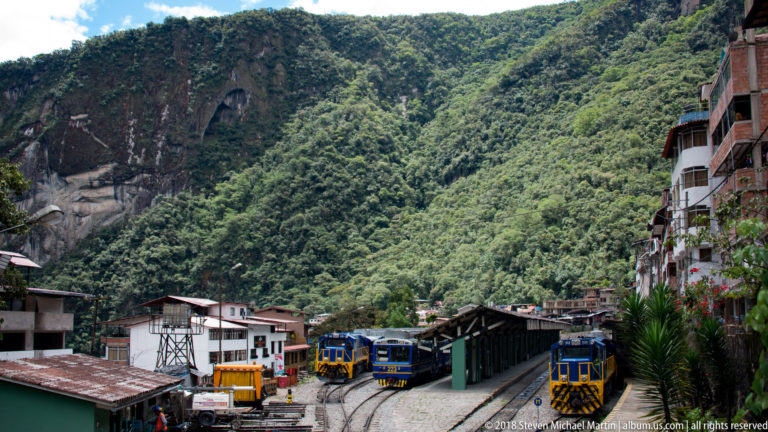
Aguas Calientes – Peru The small mountain town of Aguas Calientes, officially known as Machu Picchu Pueblo, lies along the […]
Explore Portfolio Date Visited: October 4, 2018
Amazon Research Center – Peru The Amazon Research Center supports scientific study and conservation within the ecosystems of the Peruvian […]
Explore Portfolio Date Visited: October 2, 2018
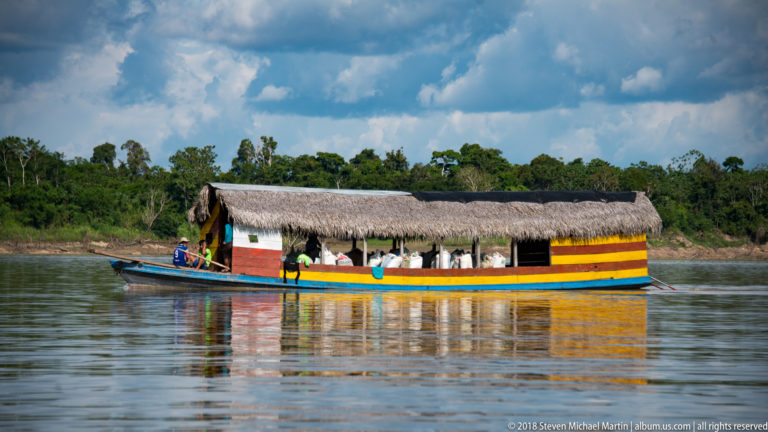
Amazon River – Peru The immense Amazon River is the largest river system on Earth and the defining feature of […]
Explore Portfolio Date Visited: October 11, 2018
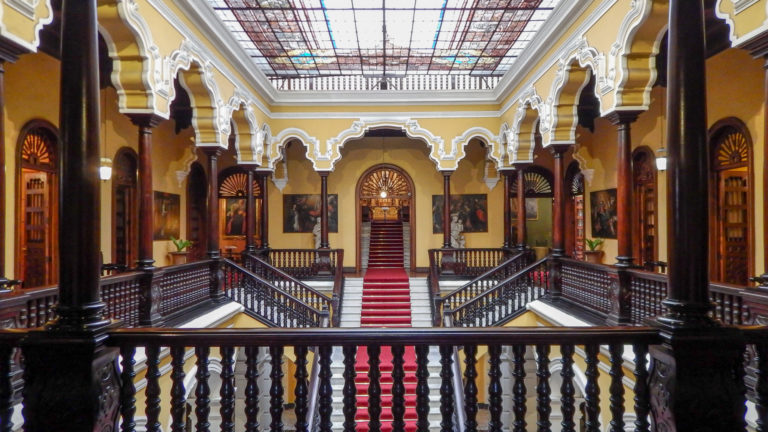
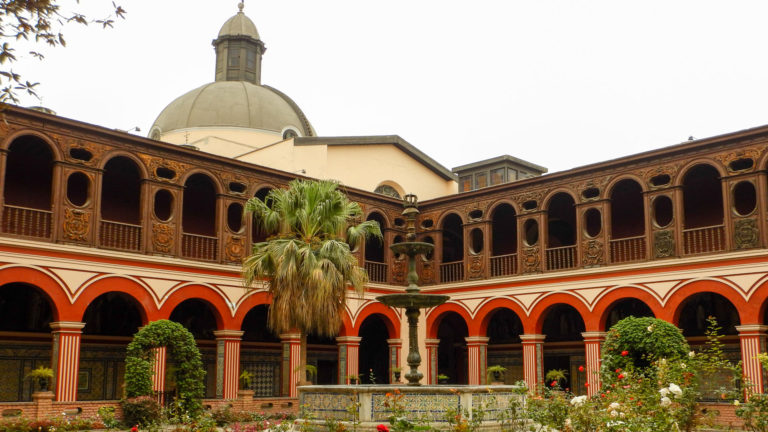
Archbishop’s Palace – Lima, Peru The ornate Archbishop’s Palace of Lima stands beside the cathedral on Plaza Mayor in the […]
Explore Portfolio Date Visited: October 12, 2018
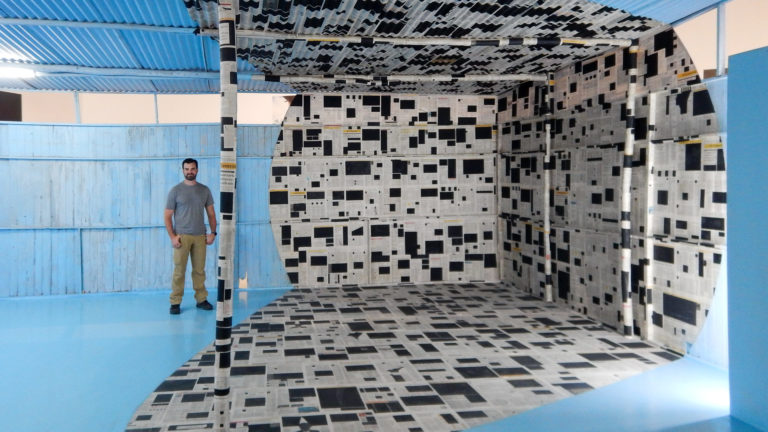
Museo de Arte Contemporáneo – Lima, Peru The Museo de Arte Contemporáneo de Lima, often known simply as MAC Lima, […]
Explore Portfolio Date Visited: October 12, 2018
Museo Mario Testino – Lima, Peru The elegant MATE – Museo Mario Testino celebrates the work of internationally renowned photographer […]
Explore Portfolio Date Visited: October 12, 2018
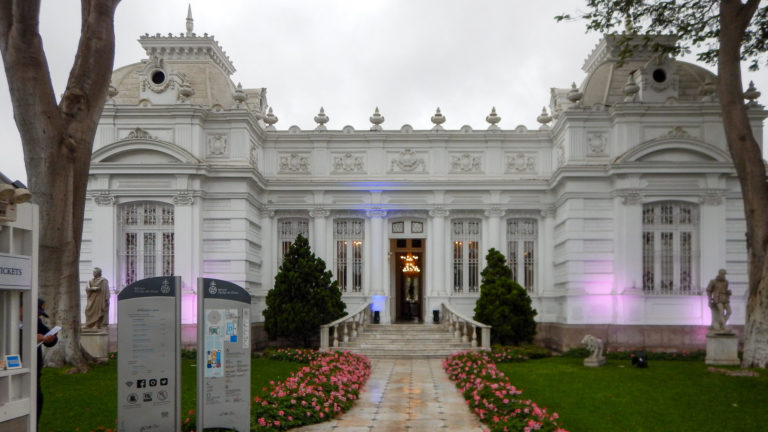
Museo Pedro de Osma – Lima, Peru The beautiful Museo Pedro de Osma is located in a historic mansion within […]
Explore Portfolio Date Visited: October 3, 2018
Blanco River – Peru The quiet waters of the Río Blanco wind through the dense rainforest of northeastern Peru. As […]
Explore Portfolio Date Visited: October 9, 2018
Cusco – Peru The ancient city of Cusco once served as the capital of the Inca Empire, the largest civilization […]
Explore Portfolio Date Visited: October 8, 2018
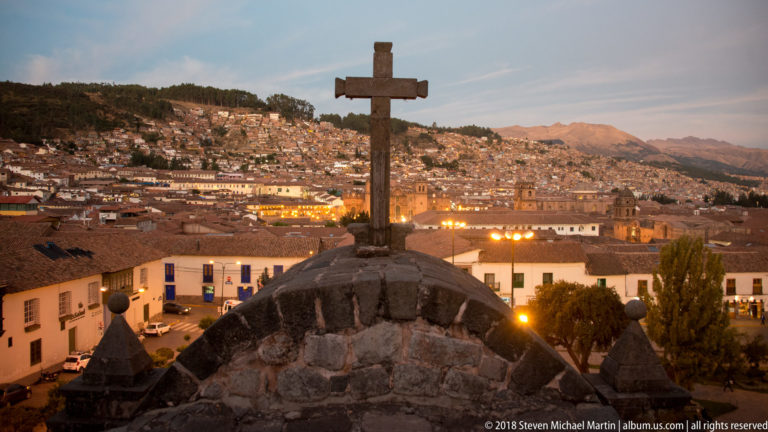
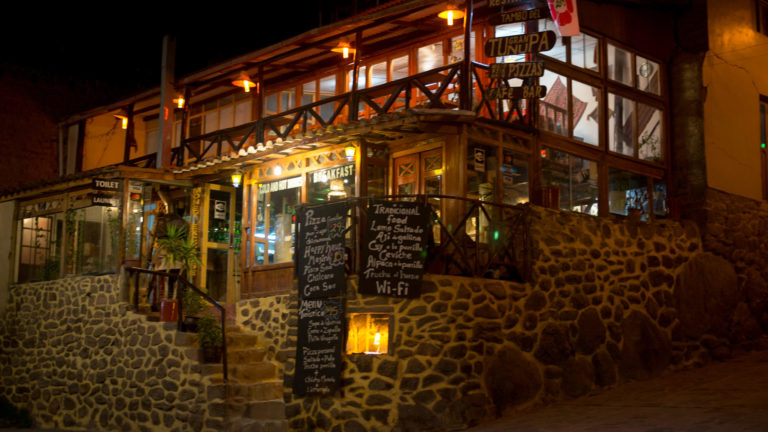
Cusco at Night – Peru After sunset the historic streets of Cusco glow beneath warm lighting that illuminates centuries-old stone […]
Explore Portfolio Date Visited: October 9, 2018
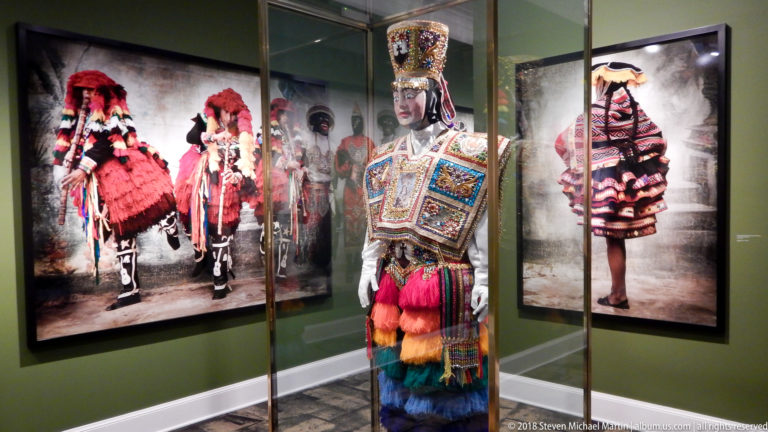
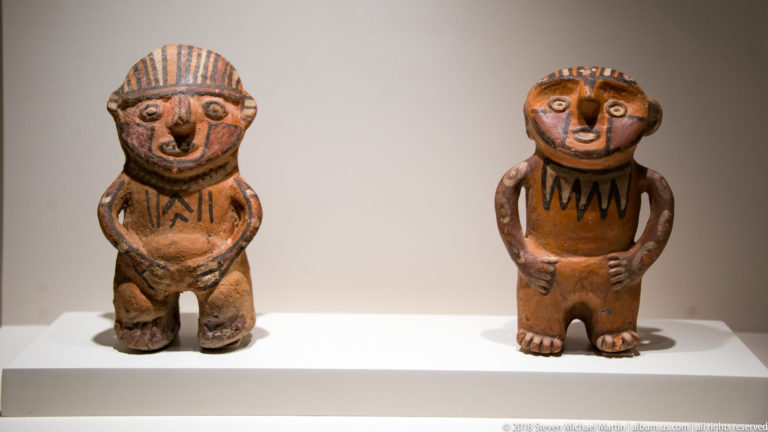
Museo de Arte Precolombino – Cusco, Peru The remarkable Museo de Arte Precolombino is located in the historic center of […]
Explore Portfolio Date Visited: October 6, 2018
Chinchero – Sacred Valley, Peru The Andean village of Chinchero sits high above the Sacred Valley at an elevation of […]
Explore Portfolio Date Visited: October 3, 2018
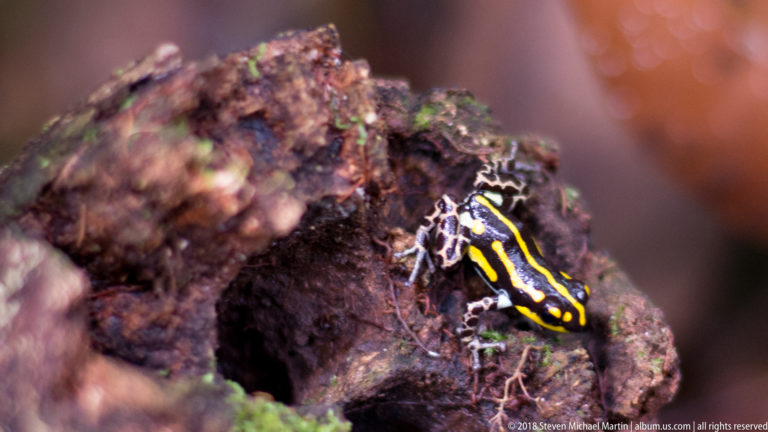
Frog Valley – Peru Hidden within the forests of the Peruvian Amazon, the region known as Frog Valley is famous […]
Explore Portfolio Date Visited: October 10, 2018
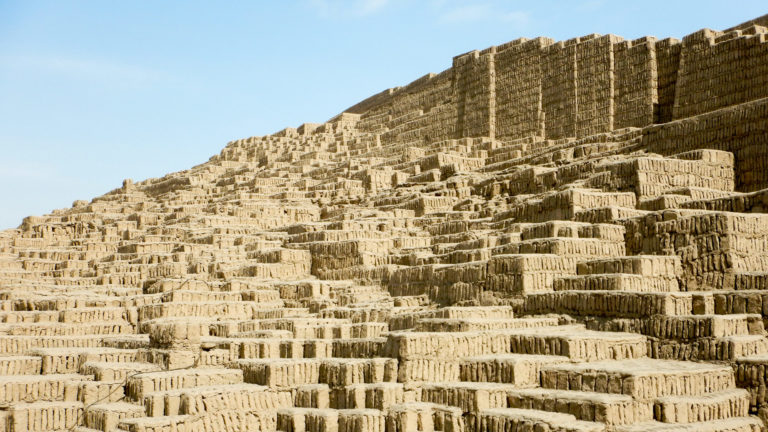
Huaca Pucllana – Lima, Peru The impressive adobe pyramid of Huaca Pucllana rises unexpectedly within the modern district of Miraflores […]
Explore Portfolio Date Visited: October 11, 2018
Iglesia de Santo Domingo – Lima, Peru The historic Basilica and Convent of Santo Domingo is one of the oldest […]
Explore Portfolio Date Visited: October 6, 2018
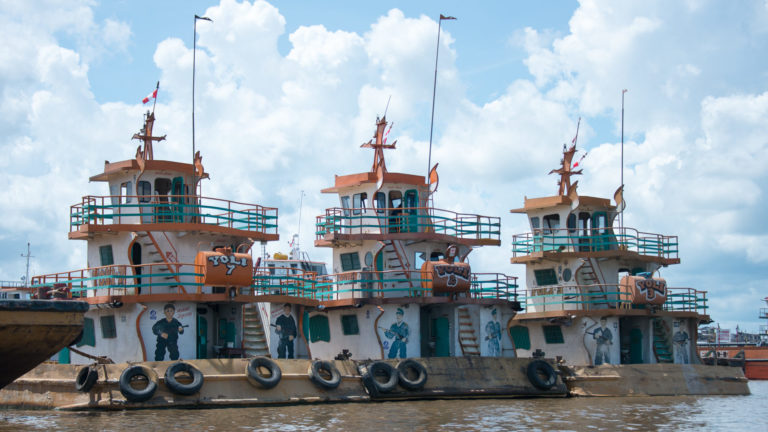
Iquitos Amazon River Docks – Peru The bustling waterfront docks of Iquitos line the banks of the mighty Amazon River. […]
Explore Portfolio Date Visited: October 5, 2018
Iquitos – Peru The river city of Iquitos stands along the banks of the Amazon River deep within the rainforest […]
Explore Portfolio Date Visited: October 6, 2018
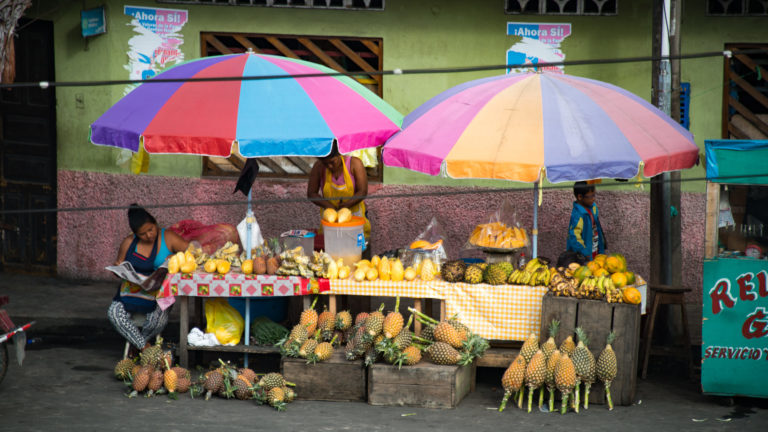
Iquitos Market – Peru The lively markets of Iquitos offer a colorful glimpse into the daily life and culture of […]
Explore Portfolio Date Visited: October 11, 2018
Lima – Peru The sprawling coastal metropolis of Lima stands along the Pacific coast of South America. Founded in 1535 […]
Explore Portfolio Date Visited: October 12, 2018
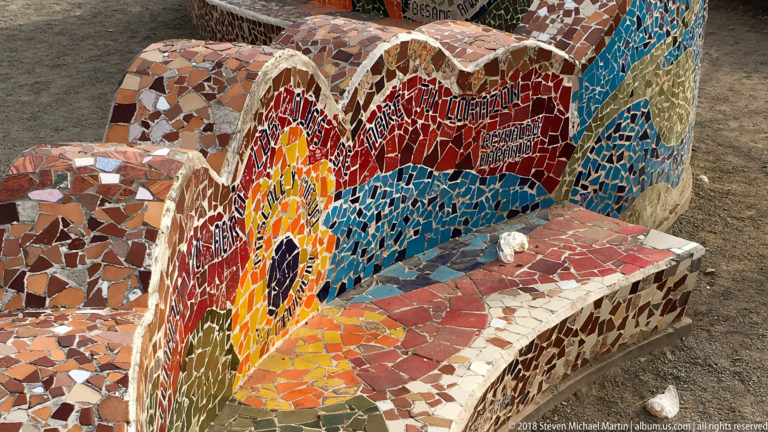
Barranco – Lima, Peru The colorful coastal district of Barranco is widely considered the artistic and bohemian heart of Lima. […]
Explore Portfolio Date Visited: October 11, 2018
Lima Cathedral – Lima, Peru The magnificent Lima Cathedral dominates the eastern side of Plaza Mayor in the historic center […]
Explore Portfolio Date Visited: October 8, 2018
Machu Picchu – Peru The legendary mountain citadel of Machu Picchu stands high among the cloud-covered peaks of the Andes […]
Explore Portfolio Date Visited: October 10, 2018
Miraflores – Lima, Peru The coastal district of Miraflores overlooks the cliffs above the Pacific Ocean in the city of […]
Explore Portfolio Date Visited: October 6, 2018
Moray – Sacred Valley, Peru The remarkable terraces of Moray lie high in the Sacred Valley of the Andes Mountains. […]
Explore Portfolio Date Visited: October 6, 2018
Ollantaytambo – Sacred Valley, Peru The historic town of Ollantaytambo lies in the heart of the Sacred Valley northwest of […]
Explore Portfolio Date Visited: October 7, 2018
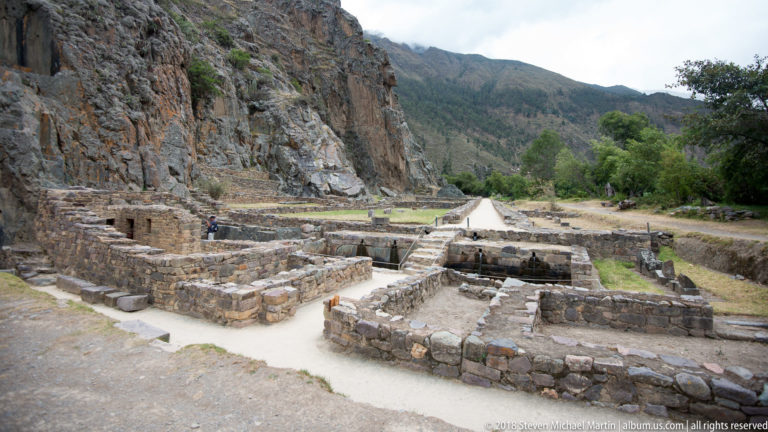
Ollantaytambo Inca Ruins – Sacred Valley, Peru The remarkable Ollantaytambo Archaeological Site rise above the historic town of Ollantaytambo in […]
Explore Portfolio Date Visited: October 9, 2018
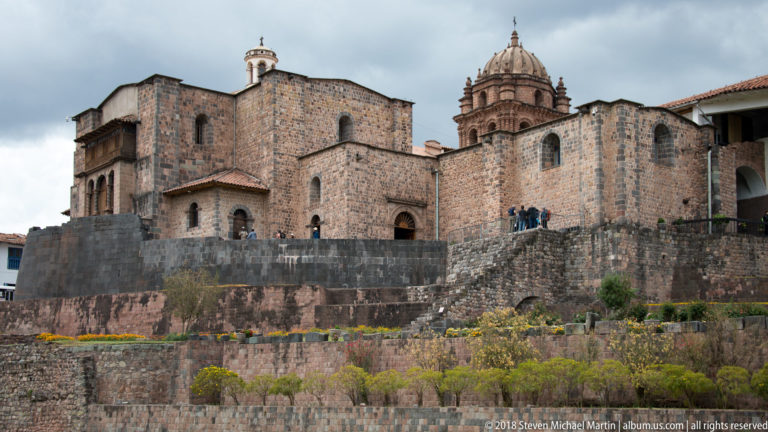
Qorikancha – Cusco, Peru The sacred complex of Qorikancha, once known as the Temple of the Sun, was among the […]
Explore Portfolio Date Visited: October 4, 2018
Tamshiyacu-Tahuayo Reserve – Peru The protected rainforest of the Tamshiyacu-Tahuayo Regional Conservation Area covers hundreds of thousands of hectares of […]
Explore Portfolio Date Visited: October 7, 2018
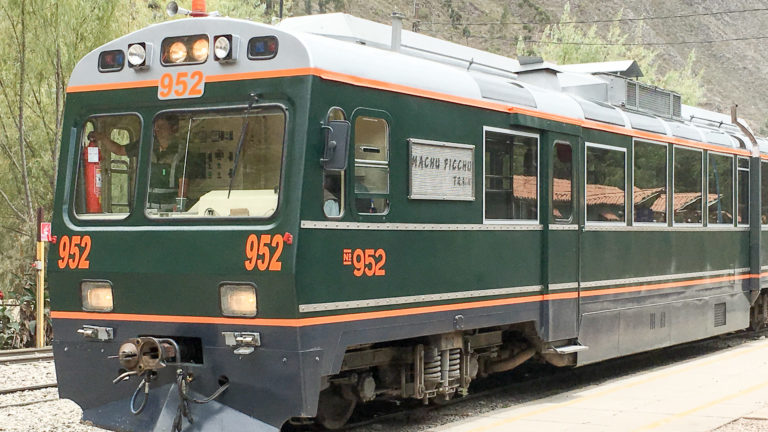
Train to Machu Picchu – Peru One of the most scenic railway journeys in South America follows the tracks along […]
Explore Portfolio Date Visited: October 5, 2018
Tahuayo Lake and River – Peru The calm waterways of the Tahuayo River and nearby Tahuayo Lake form part of […]
Explore Portfolio Date Visited: October 2, 2018
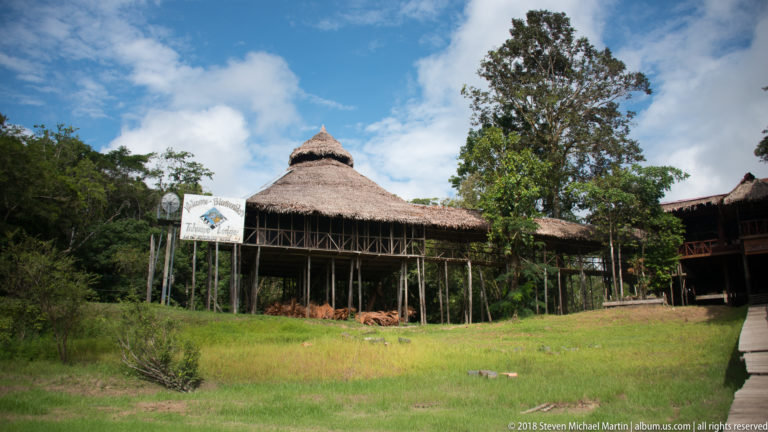
Tahuayo Lodge – Peruvian Amazon The remote Amazonia Expeditions Tahuayo Lodge lies along the banks of the Tahuayo River within […]
Explore Portfolio Date Visited: October 2, 2018
Tahuayo River – Peru The winding waters of the Tahuayo River flow through dense rainforest before joining the great Amazon […]
Explore Portfolio
All regions All countries All states / places All itineraries All designations
Showing 0 portfolios.
Itineraries Featuring Peru
The following itineraries include locations in this country: