Luxor and the Valley of the Kings and Queens
Luxor was one of the most important religious centers of ancient Egypt and served as the ceremonial heart of the New Kingdom. Located along the Nile River, the city is associated with major temple complexes including Luxor Temple and Karnak, which were connected by a ceremonial avenue used for religious processions. The surrounding landscape reflects the close relationship between geography and spiritual practice in Egyptian culture.
Across the Nile lie the Valley of the Kings and the Valley of the Queens, burial sites for pharaohs and royal family members constructed between the 16th and 11th centuries BCE. Tombs carved into the desert hillsides contain elaborate wall paintings depicting religious texts, symbolic imagery, and beliefs about the afterlife. These burial complexes illustrate the importance of ritual preparation for eternal life.
The Luxor region demonstrates how architecture, landscape, and religion were integrated into a unified cultural system. The preservation of tomb decoration provides insight into Egyptian mythology, artistic traditions, and concepts of cosmic order.






Field Guide
📍 Overview
The Luxor region preserves one of the most important sacred landscapes of ancient Egypt. Located along the Nile River, Luxor served as the ceremonial center of the New Kingdom and was associated with major temple complexes and royal burial sites. The Valley of the Kings and the Valley of the Queens contain tombs carved into desert hillsides, reflecting evolving approaches to burial and beliefs about the afterlife.
🏛 Historical Significance
During the New Kingdom period, Egyptian rulers shifted from pyramid construction to hidden tombs designed to protect royal burials. The Valley of the Kings contains tombs of notable pharaohs including Tutankhamun, Seti I, and Ramses II. Elaborate wall paintings illustrate religious texts describing the journey to the afterlife.
🧱 Architectural Features
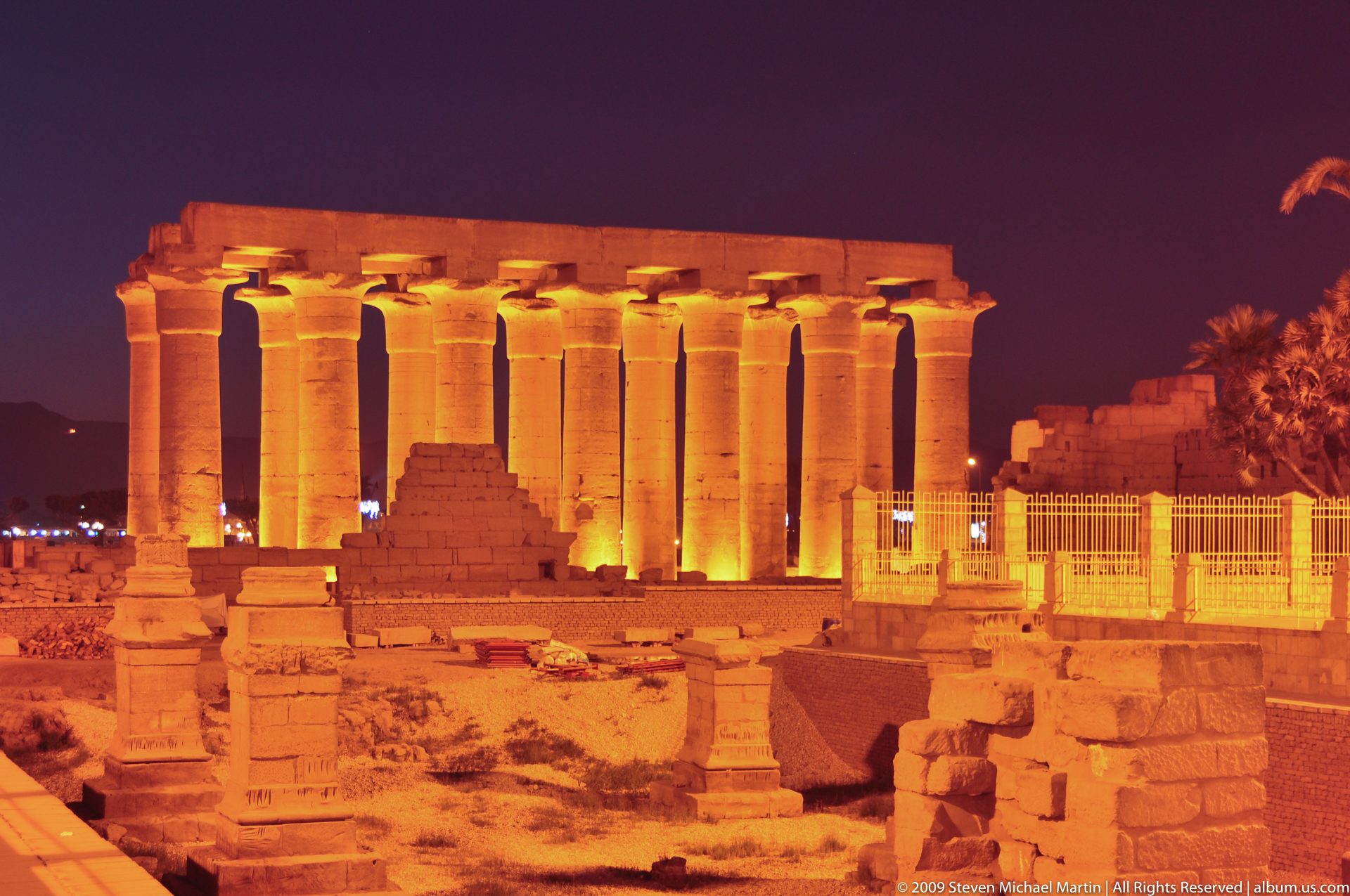
Tombs were carved deep into limestone hills and decorated with detailed paintings depicting gods, protective symbols, and cosmological themes. Luxor Temple and Karnak Temple formed part of a ceremonial axis connected by a processional avenue lined with sphinx statues. The landscape reflects the relationship between geography and religious symbolism.
Hieroglyphic inscriptions and painted scenes provide insight into Egyptian mythology and ritual practice. The desert setting reinforces symbolic associations between the west bank of the Nile and the realm of the dead.
🌍 Cultural Importance
Luxor demonstrates the integration of architecture, religion, and natural environment in ancient Egyptian culture. Rituals and festivals reinforced the divine authority of pharaohs and emphasized continuity between earthly life and the afterlife.
🧭 Why It Matters in Temples, Pyramids & Mosques
The Luxor region illustrates how sacred landscapes evolved to reflect changing religious practices. The transition from pyramids to hidden tombs demonstrates adaptation in architectural design in response to cultural and political needs.
⭐ Highlights
- Royal tombs in the Valley of the Kings and Queens
- Wall paintings illustrating Egyptian mythology
- Processional relationship between Karnak and Luxor temples
- Integration of landscape and religious symbolism
- Insight into beliefs about the afterlife
📷 Photography Notes
- Exterior desert landscapes emphasize dramatic setting
- Temple columns create strong vertical compositions
- Wall reliefs reveal detail through angled light
- Wide compositions capture temple scale
- Interior tomb artwork benefits from controlled exposure