
 61 portfolios
Exploring North America
North America presents a wide range of landscapes shaped by geological processes, climatic variation, and cultural traditions developed over centuries of exploration and settlement. From coastal environments and mountain ranges to river valleys, deserts, and prairie plains, the continent illustrates how geography influences patterns of human activity and cultural identity. Historic cities, national parks, and preserved landscapes demonstrate the interaction between natural environments and evolving communities across Canada, the United States, and Mexico.
The diverse regions documented in Canada illustrate the influence of glaciation, maritime geography, and river systems on settlement and economic development. Coastal environments in Atlantic Canada, historic French colonial cities in Québec, major urban centers along the Great Lakes, and the expansive prairie landscapes of Manitoba demonstrate the geographic scale and environmental diversity that characterize much of northern North America. National parks and preserved historic sites reflect both natural and cultural heritage shaped by exploration and adaptation to varied climates.
The national parks, historic landscapes, and regional environments presented throughout the United States illustrate the remarkable geographic variety of the continent, including deserts, forests, mountains, and coastal environments that have influenced both conservation efforts and patterns of settlement. Many of these protected environments preserve some of the most significant natural landscapes in the world, demonstrating the importance of conservation in maintaining ecological diversity across large geographic regions.
The Pacific coastal environment represented in Mexico illustrates the connection between mountainous terrain and ocean ecosystems that influence settlement patterns and regional identity. The interaction between natural landscape and historic urban development reflects broader themes found throughout North America, where environmental conditions continue to shape communities and travel experiences. Together, these locations demonstrate how geographic diversity contributes to the cultural richness and environmental variety that define the continent.
61 portfolios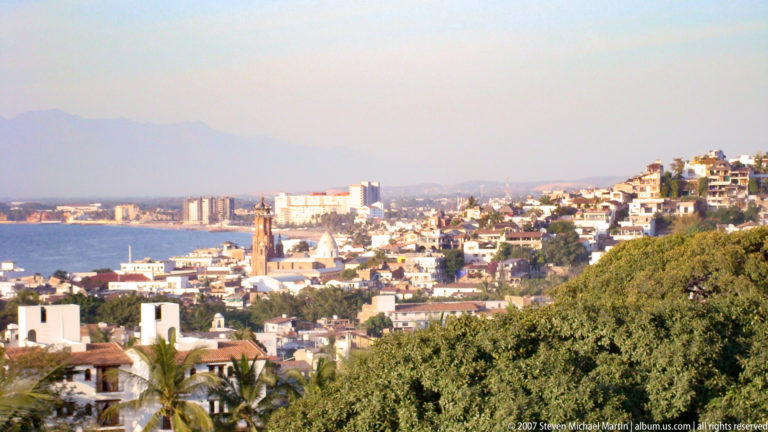 1 portfolio