Manaus and the Amazon
Manaus and the Amazon Manaus lies deep within the Amazon Basin near the confluence of the Rio Negro and the […]
Explore Portfolio
Brazil occupies nearly half of South America and encompasses a wide range of environments extending from the Atlantic coastline to the vast interior of the Amazon Basin. The country’s geography includes tropical forests, coastal mountains, highlands, wetlands, and river systems that have shaped patterns of settlement and cultural development over centuries. Much of northern Brazil lies within the Amazon watershed, the largest river basin in the world and one of the most biologically diverse regions on Earth, containing millions of plant and animal species and playing a significant role in global climate systems.
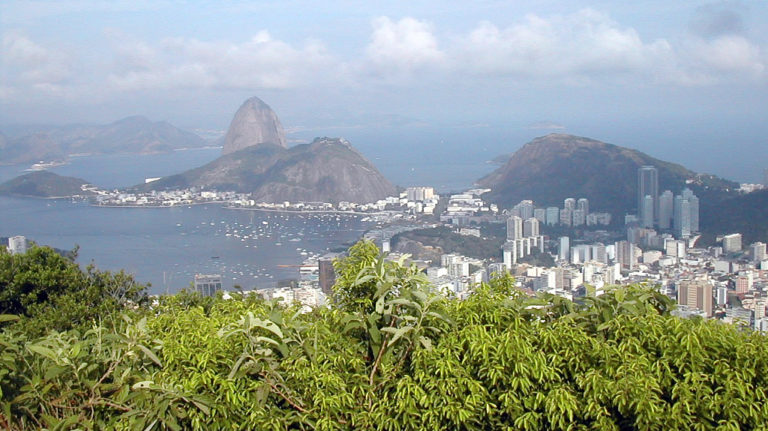
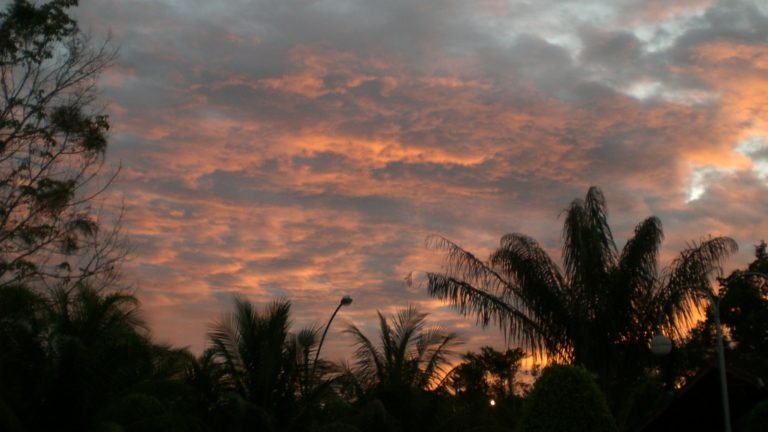
The portfolios presented here illustrate two defining landscapes of Brazil. Rio de Janeiro reflects the relationship between coastal geography and urban development, where granite peaks, Atlantic shoreline, and historic neighborhoods reveal the influence of colonial trade and national identity. Far inland, Manaus and the Amazon explores the immense river network and tropical rainforest ecosystem that dominates northern Brazil, where biodiversity and hydrology shape both environmental systems and human settlement. The Amazon region alone represents the largest continuous tropical forest on Earth and contains an extraordinary concentration of global biodiversity.
Together these locations demonstrate the geographic diversity that defines Brazil, illustrating connections between coastal landscapes, tropical ecosystems, and cultural development across the continent’s eastern half. From Atlantic port cities to equatorial rainforest environments, Brazil contributes to understanding global biodiversity, climate processes, and the historical relationship between environment and settlement in South America.