Switzerland’s cultural landscape reflects the interaction between alpine geography, historic trade routes, and regional traditions influenced by neighboring France, Germany, Austria, and Italy. Mountain passes historically connected northern and southern Europe, allowing cities and towns to develop as centers of commerce, craftsmanship, and cultural exchange. The country’s preserved historic architecture and dramatic natural scenery contribute to a distinctive visual identity shaped by both geography and centuries of political independence within the Swiss Confederation.
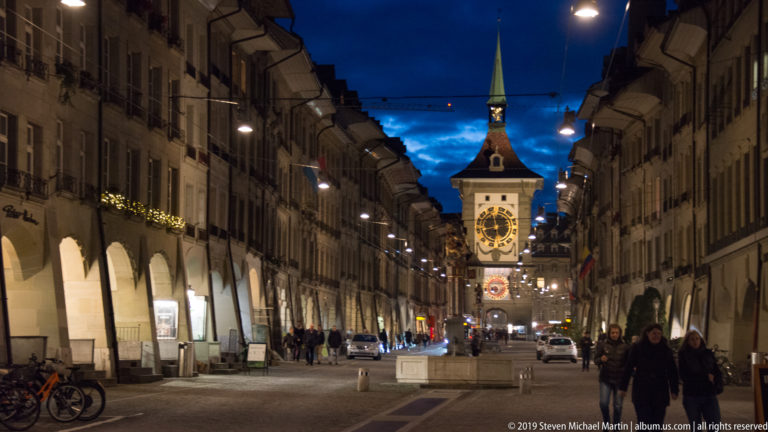
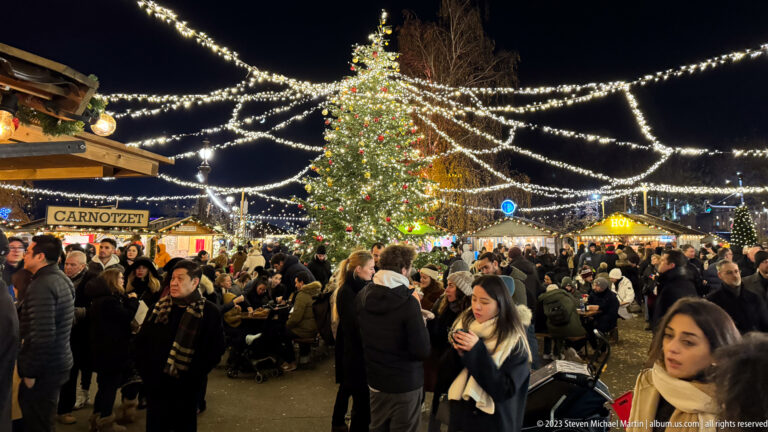
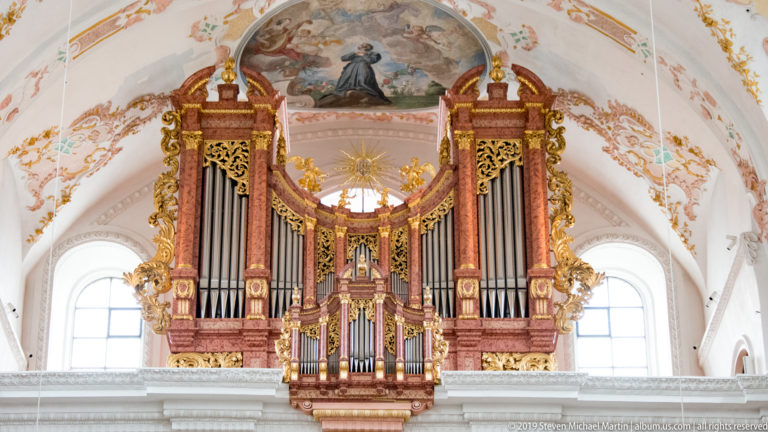
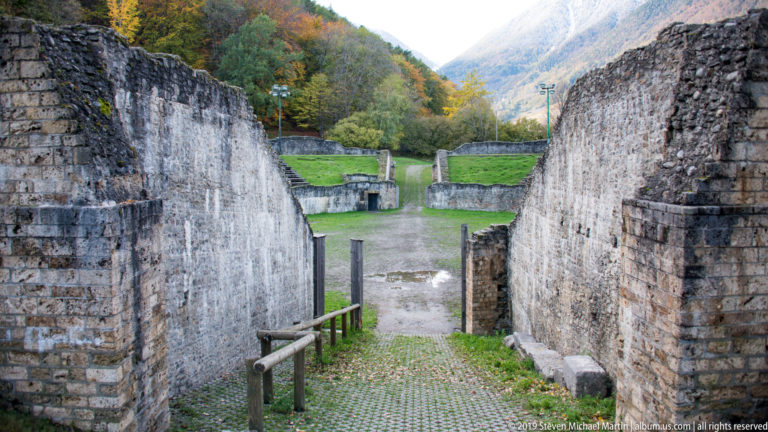
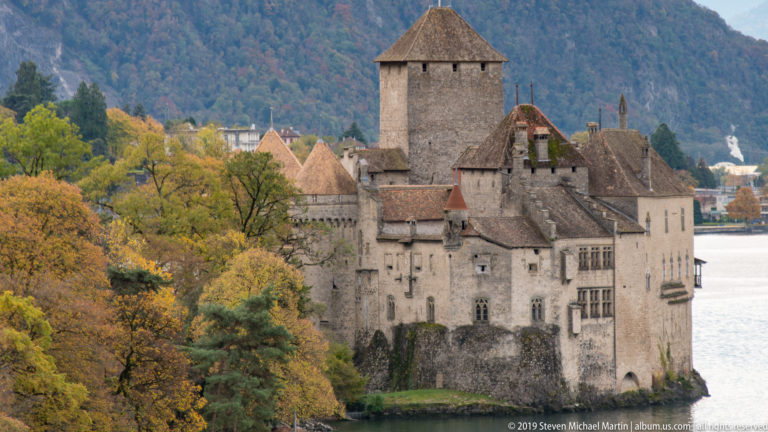
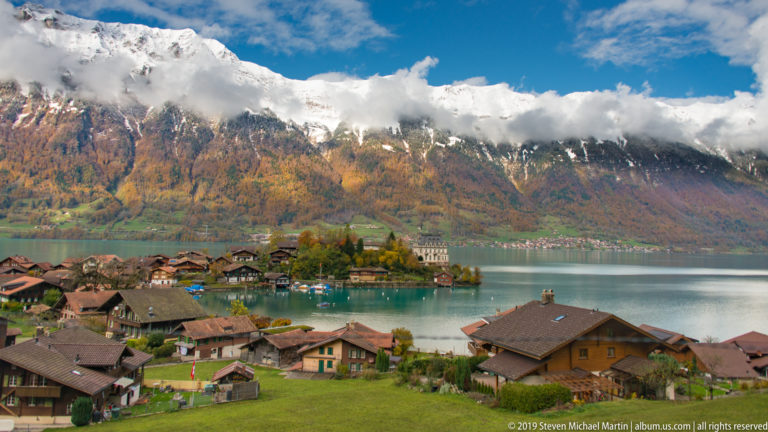
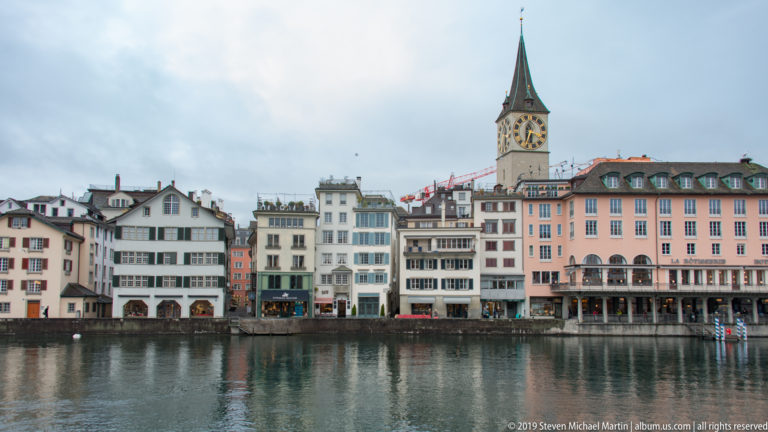
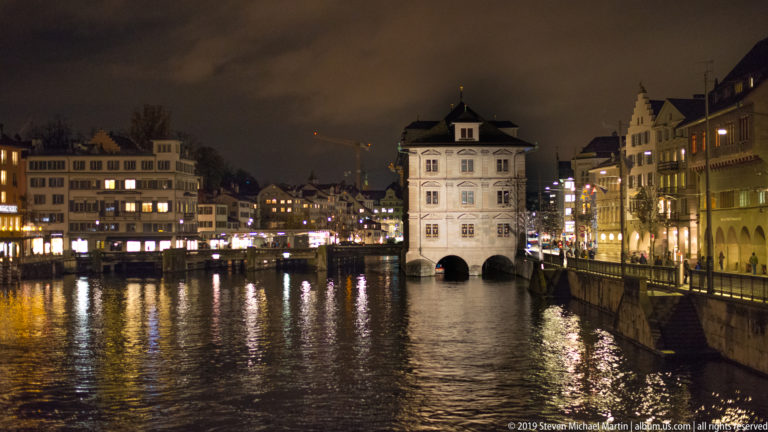
Urban centers including Zurich and Zurich at Night illustrate the continuity of historic civic architecture adapted to modern cultural life, while Bern preserves one of Europe’s most cohesive medieval city centers. The lakeside setting of Geneva reflects the country’s international connections, while the historic lakeside towns of Montreux and Martigny demonstrate the relationship between settlement patterns and alpine geography. Religious architecture such as the Jesuit Church in Lucerne illustrates artistic traditions shaped by broader European influences.
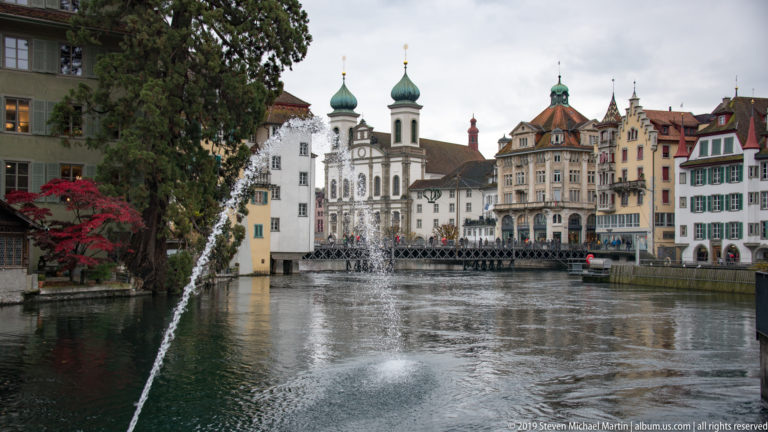
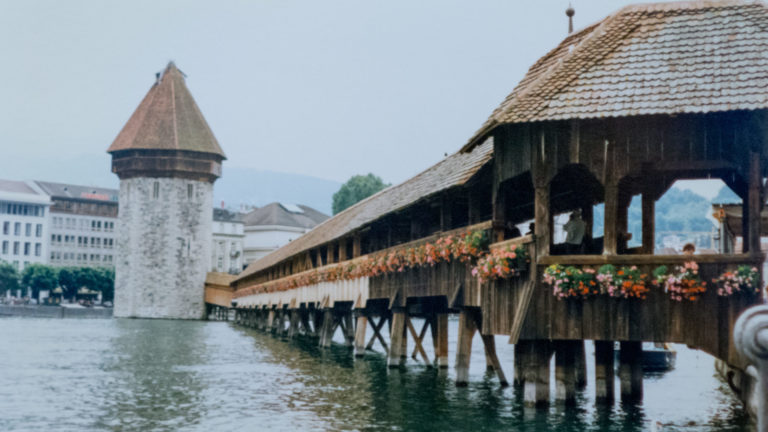
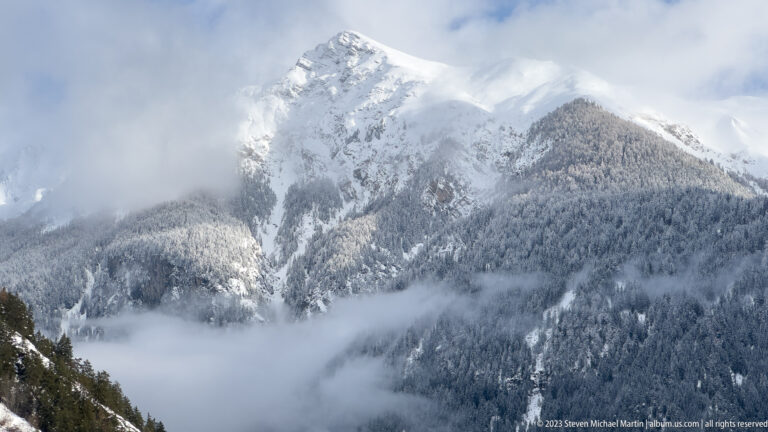
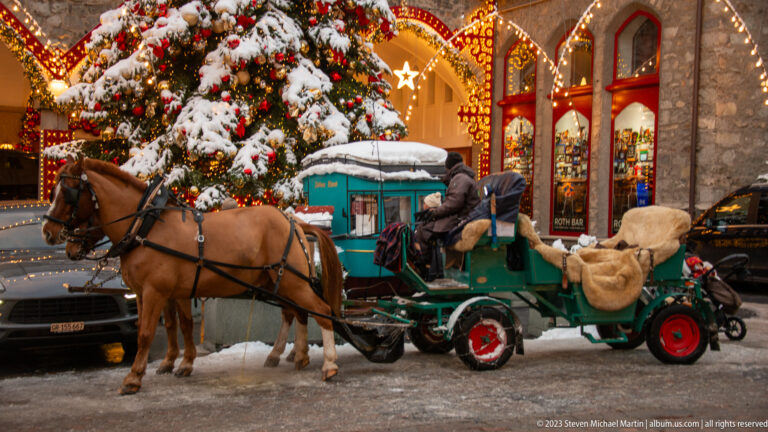
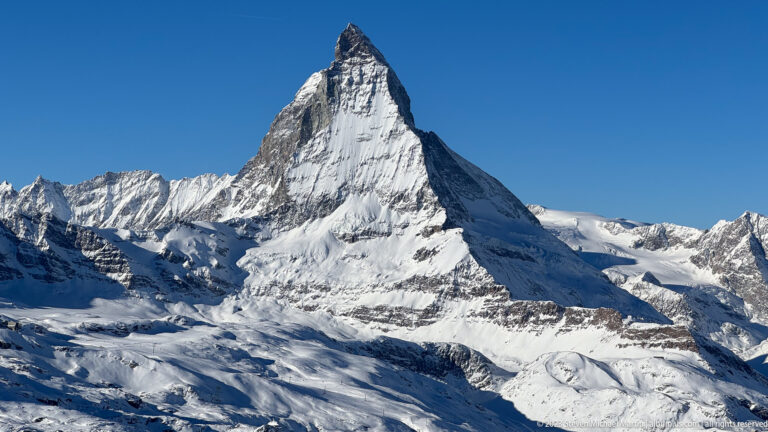
The alpine environment plays a central role in defining Switzerland’s identity, with mountain landscapes documented in Swiss Alps, St. Moritz, and Swiss National Park. Historic Lucerne is represented through multiple visits including Lucerne and Lucerne (return visit), highlighting the enduring visual relationship between lake, mountains, and preserved medieval architecture. Together, these locations illustrate how Switzerland’s cultural traditions remain closely connected to the alpine landscape that has shaped the country’s history and identity.