Vancouver
Vancouver occupies a dramatic setting along Canada’s Pacific coast, where mountain ranges meet the waters of the Salish Sea to create one of the most geographically distinctive urban environments in North America. Originally inhabited by Indigenous peoples for thousands of years, the region later developed as a major port connecting transpacific trade routes between Asia and North America. The city’s location reflects the importance of maritime geography in shaping patterns of settlement and economic growth along the western edge of the continent.
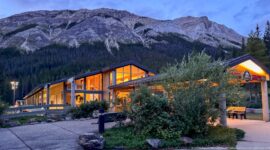
The surrounding landscape illustrates the interaction between natural environment and urban design, with public waterfronts, parks, and neighborhoods integrated into the coastal terrain. Stanley Park and the city’s harbor areas provide views of forested mountains that define the regional identity of British Columbia. The balance between natural scenery and urban development demonstrates how modern cities can evolve within environmentally sensitive settings.
Vancouver’s cultural diversity reflects its role as a gateway between continents, contributing to a metropolitan environment shaped by global migration and artistic exchange. The city’s combination of coastal geography, mountain landscapes, and contemporary architecture illustrates how natural and cultural influences intersect to define one of Canada’s most distinctive urban centers.