101st Airborne Division – Bastogne
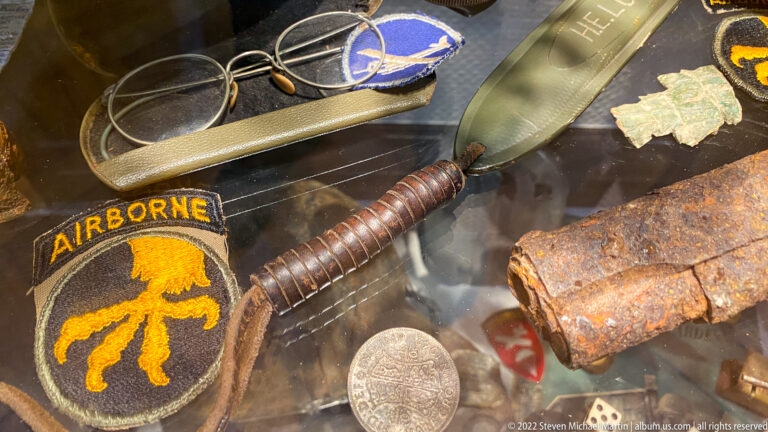
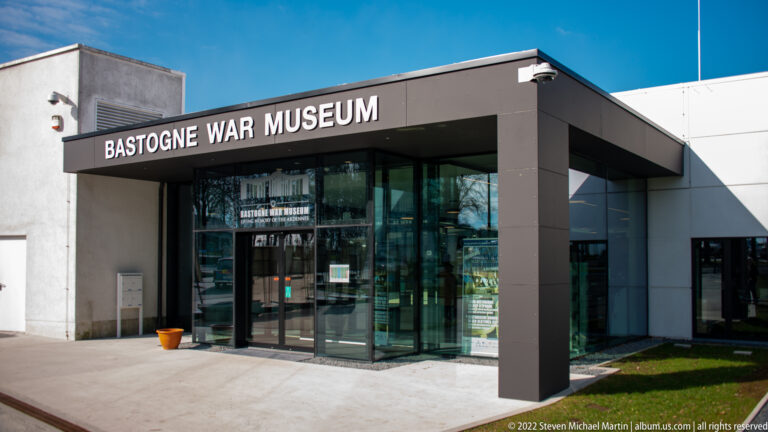
101st Airborne – Bastogne, Belgium The 101st Airborne Division is closely associated with the town of Bastogne in southern Belgium […]
Explore Portfolio
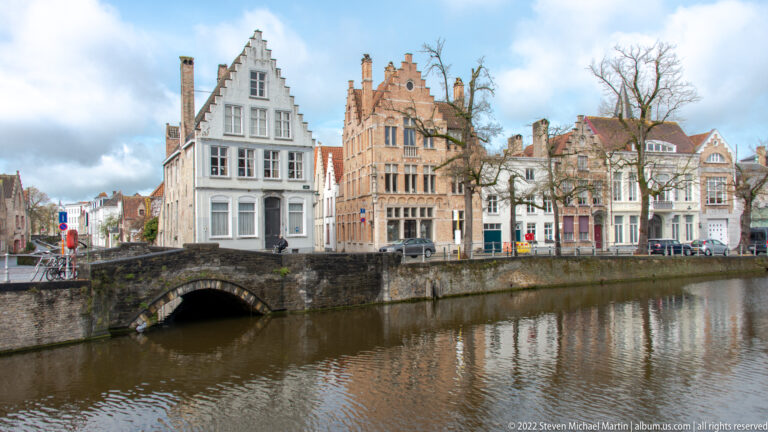
Belgium preserves a concentration of historic cities whose architecture reflects the economic and cultural importance of the Low Countries during the medieval and early modern periods. The canal-lined streets of Bruges illustrate the character of a major commercial center shaped by maritime trade and textile production, while the civic buildings and public squares of Brussels demonstrate the evolution of political and administrative institutions that influenced the broader region of Western Europe.
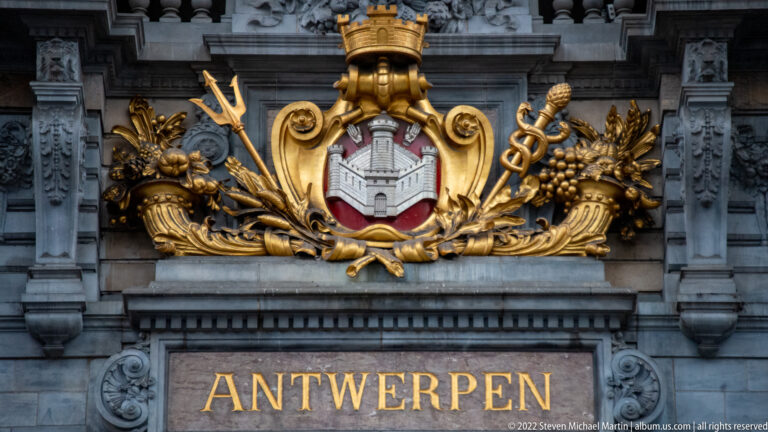
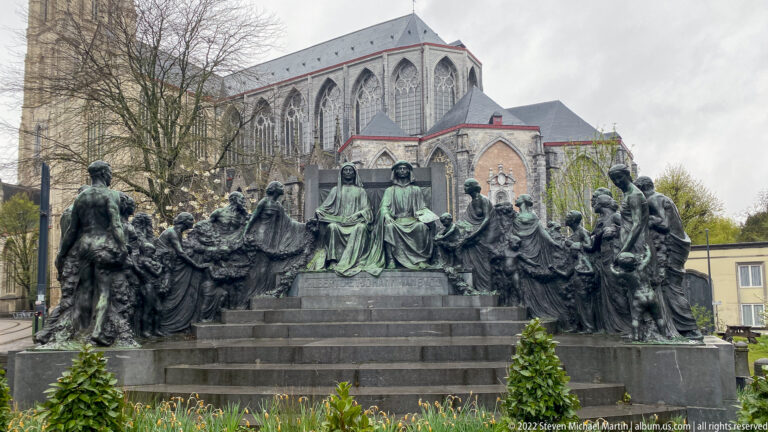
The historic urban fabric of Ghent reveals the architectural legacy of prosperous merchant communities whose wealth supported the construction of guild halls, churches, and fortified structures. Similarly, Antwerp reflects the continued importance of trade networks that linked Northern Europe with Mediterranean and Atlantic markets, reinforcing the role of the region as a center of artistic and commercial innovation.
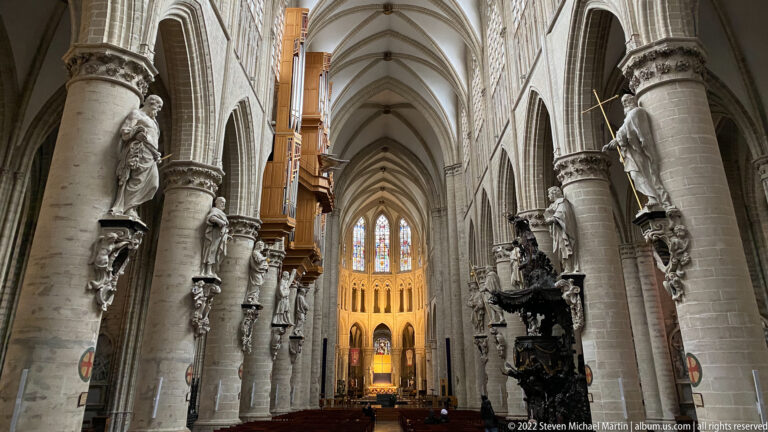
These cities demonstrate the continuity of urban planning traditions shaped by canals, market squares, and religious architecture that remain largely preserved today. Narrow streets, decorative facades, and prominent church towers illustrate the architectural identity that developed across the historic provinces of the Low Countries.
Photographing Belgium emphasizes the visual rhythm of repeating rooflines, textured stone surfaces, and reflections in canal waters. Towering cathedrals, detailed ornamentation, and carefully preserved public spaces provide strong compositional structure, illustrating the enduring cultural legacy of one of Europe’s most historically significant regions.
The following itineraries include locations in this country: