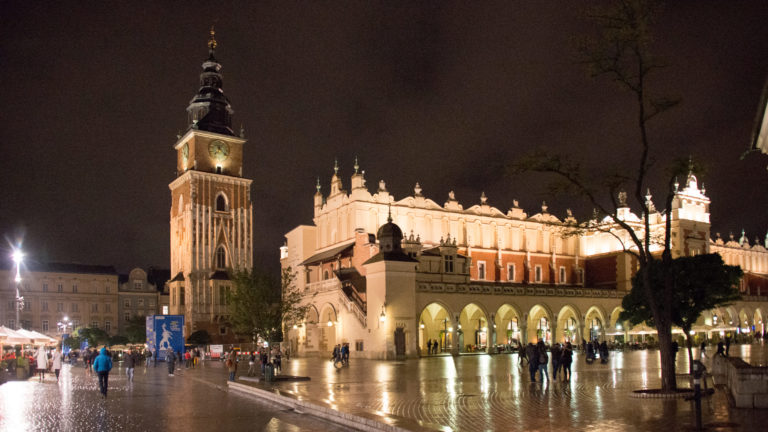
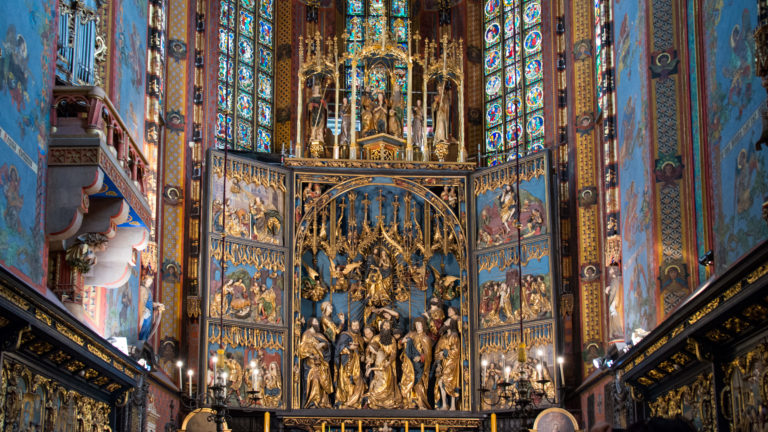
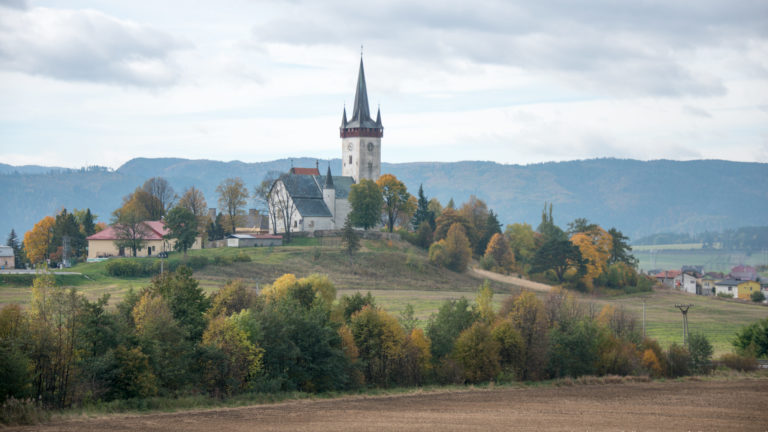
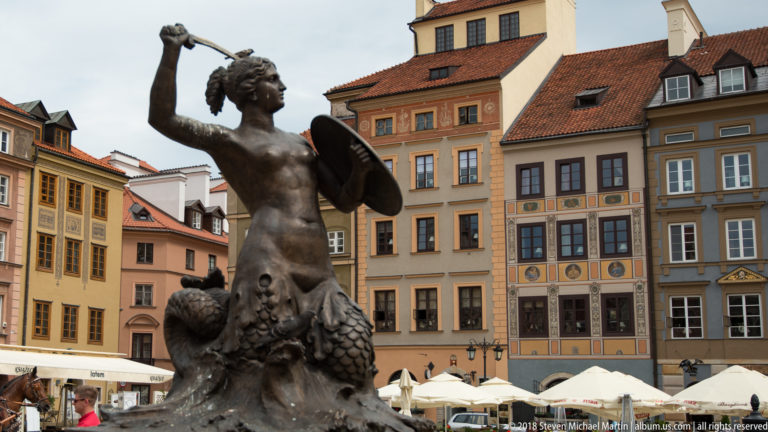
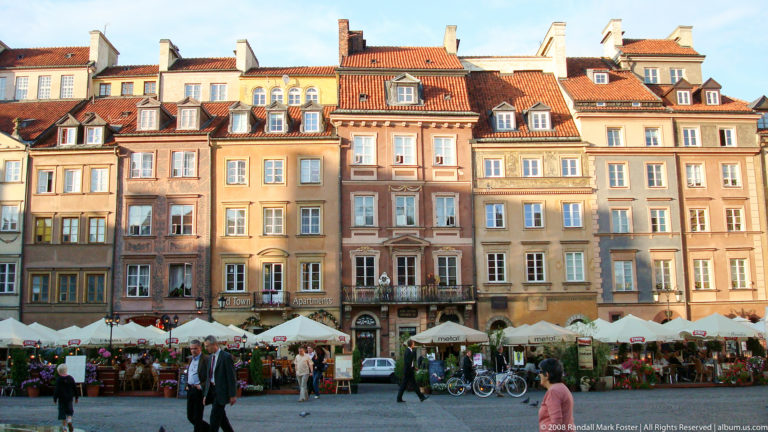
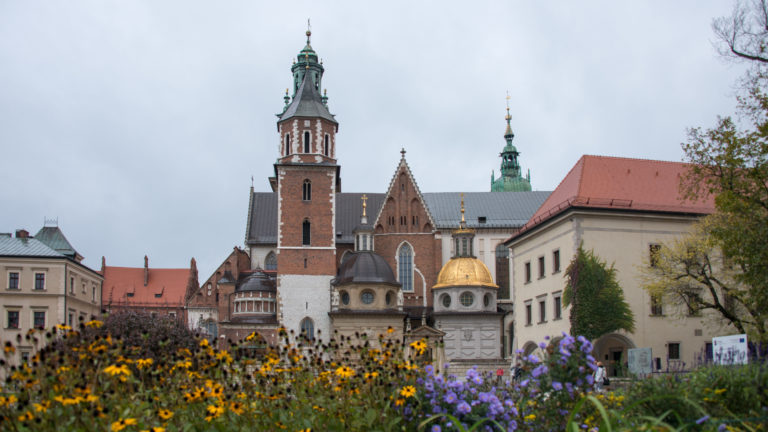
Poland’s cultural landscape reflects a complex history shaped by medieval trade networks, royal capitals, religious traditions, and the profound historical events of the twentieth century. The reconstructed historic center of Warsaw illustrates the country’s resilience following widespread destruction during the Second World War, while cities such as Kraków preserve architectural environments associated with Poland’s role as a major political and cultural center in Central Europe. Important landmarks including Wawel Castle and St. Mary’s Basilica reflect the continuity of artistic and religious traditions that shaped the development of Polish national identity.
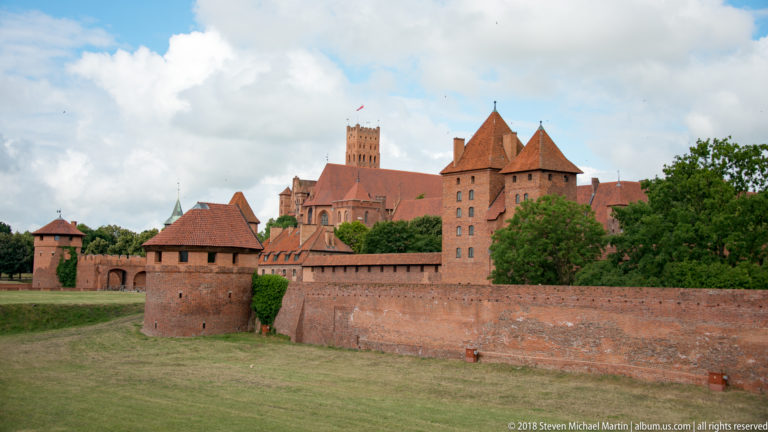
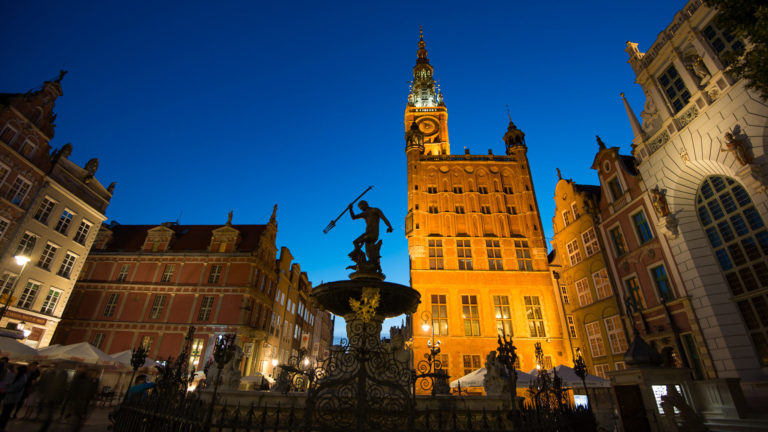
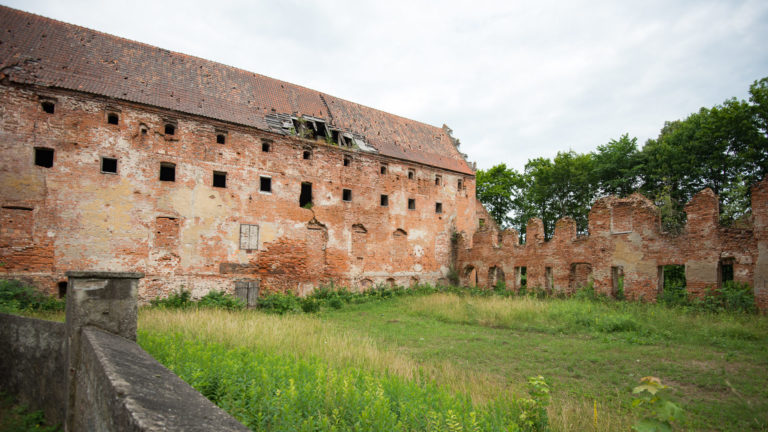
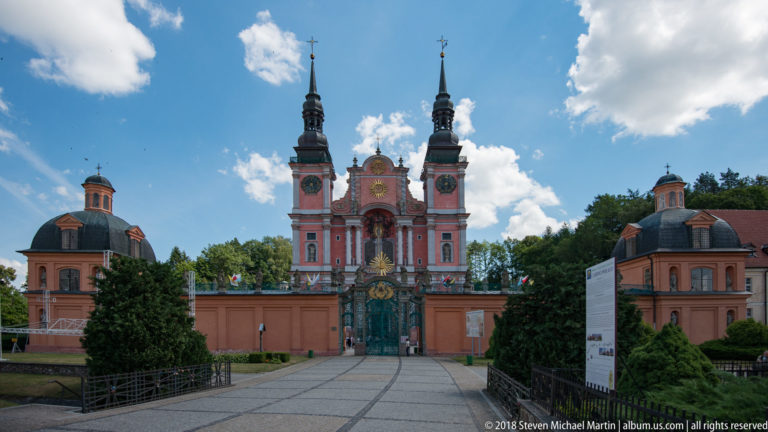
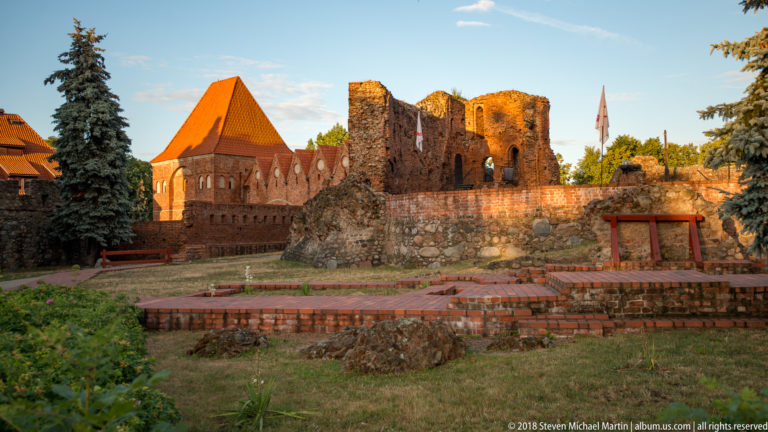
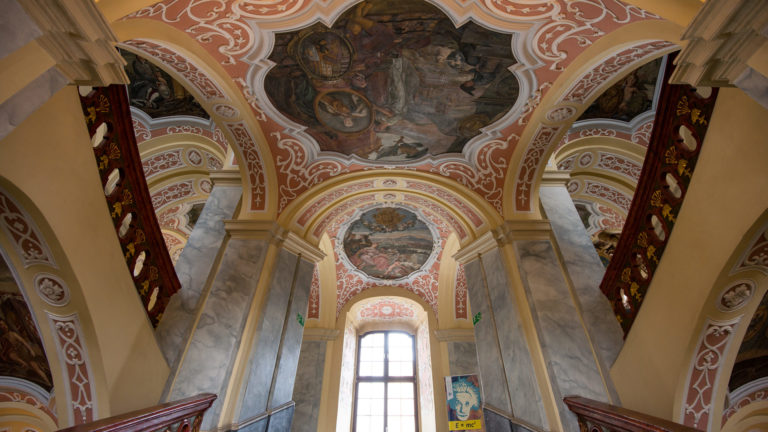
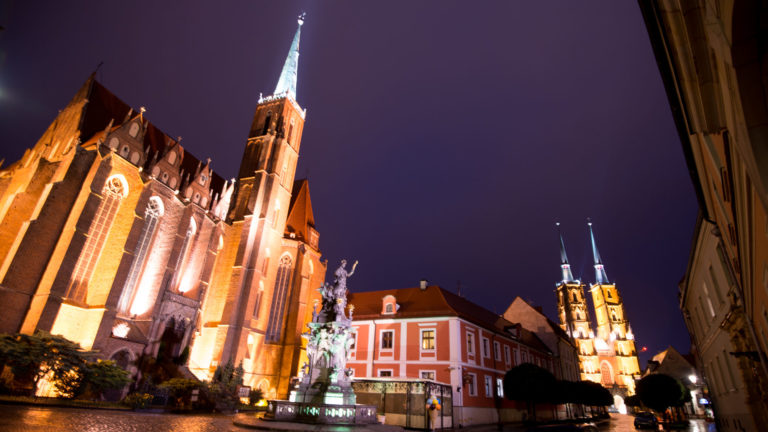
Northern Poland illustrates the influence of medieval trade routes and fortified settlements associated with the Hanseatic League and the Teutonic Knights. Historic cities such as Gdańsk, Toruń, and Wrocław demonstrate the architectural richness of merchant cities shaped by regional commerce and cultural exchange. Fortified environments including Malbork Castle, Northern Poland Castles, and towns documented in Northern Poland Towns illustrate the defensive importance of brick fortifications constructed during the medieval period. Additional cultural sites such as the University of Wrocław and the Sanctuary of Święta Lipka reflect the role of education and religious architecture in shaping regional identity.
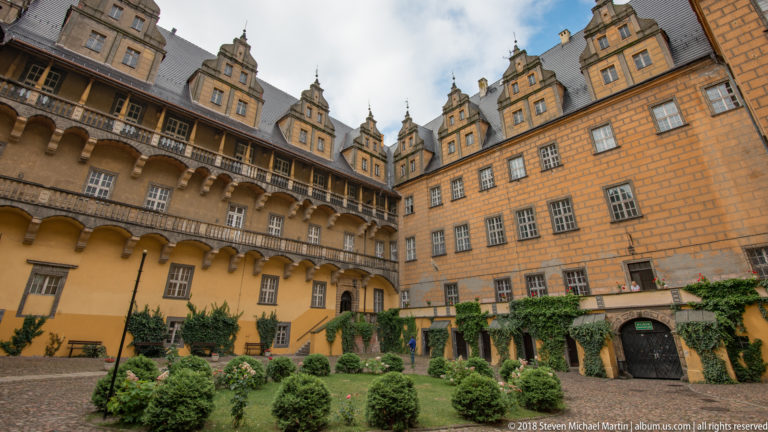
Southern Poland presents a varied landscape where historic urban centers are complemented by mountainous environments such as the Tatra Mountains, illustrating the geographic diversity of the country. Smaller towns including Oleśnica contribute additional perspective on regional architectural traditions preserved outside major metropolitan centers.
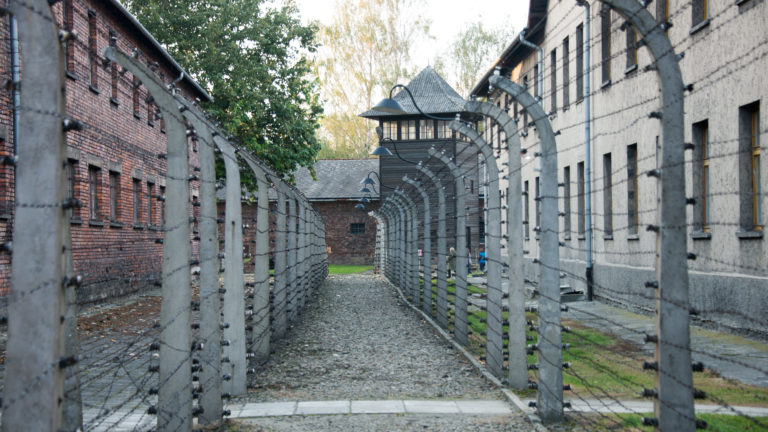
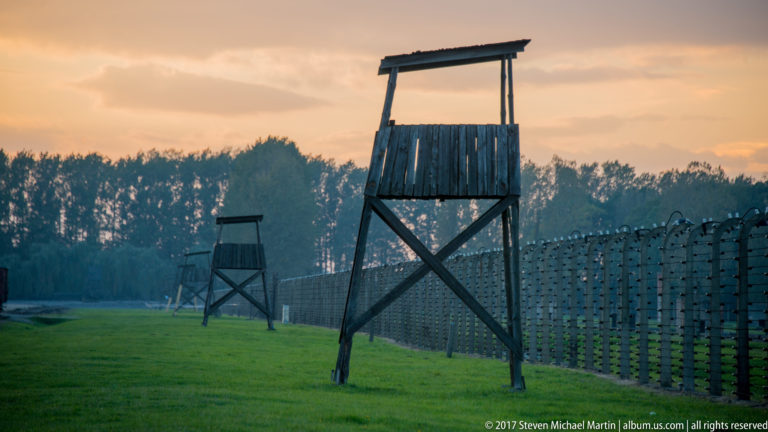
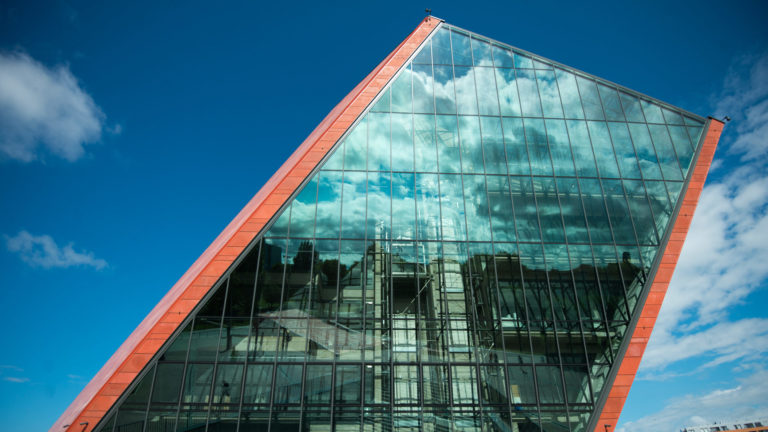
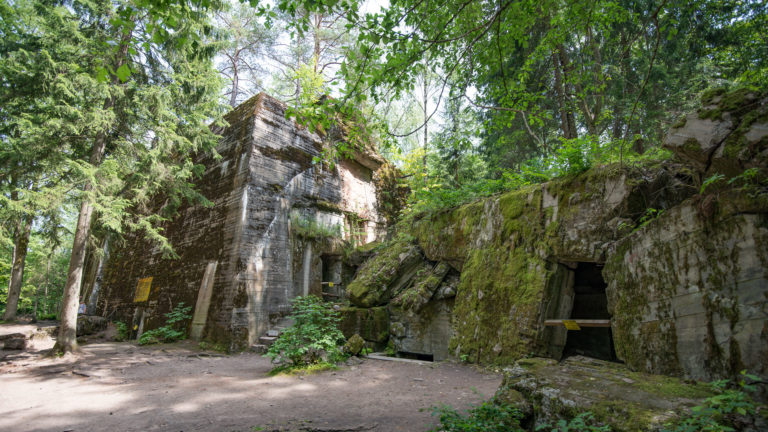
Sites associated with the Second World War provide important historical context for understanding modern Europe. Memorial locations including Auschwitz and Birkenau serve as reminders of the human consequences of conflict, while locations such as Wolf’s Lair and the Gdańsk WWII Museum illustrate the broader historical forces that shaped twentieth-century European history.
Photographing Poland highlights the visual contrast between reconstructed historic districts, medieval brick architecture, religious landmarks, and natural landscapes. Together, these sites illustrate the continuity of Polish cultural heritage across many centuries of political change, contributing to a deeper understanding of the historical forces that shaped Central and Eastern Europe.
Warsaw This early visit to Warsaw provided an introduction to a city whose architectural character reflects resilience and reconstruction following […]