Port Royal
Port Royal was one of the earliest permanent European settlements in North America north of Florida and served as an important center of early Acadian life. Established by French settlers in the early 17th century, the community developed along the Annapolis Basin in an area well suited for agriculture, trade, and maritime activity. By 1634, families such as my own ancestors had begun establishing roots in the region, contributing to the growth of a stable and cooperative colonial society.
Unlike many colonial settlements shaped primarily by extractive economies, Port Royal developed through agricultural innovation and strong family networks. Acadian settlers adapted European farming techniques to the unique tidal marshlands of the Bay of Fundy, creating productive farmland through the construction of dykes and drainage systems. These practices allowed communities to maintain relative stability for more than a century despite changing political control between France and Britain.
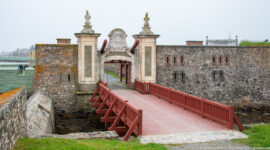
Today, the reconstructed Habitation at Port Royal and surrounding historic landscapes provide insight into early colonial life in Acadia. The site represents both the origins of Acadian society and the beginning of a cultural tradition that would endure despite migration and displacement. Port Royal remains one of the most important locations for understanding the development of Acadian identity and the historical foundations of Acadian communities throughout Atlantic Canada and beyond.