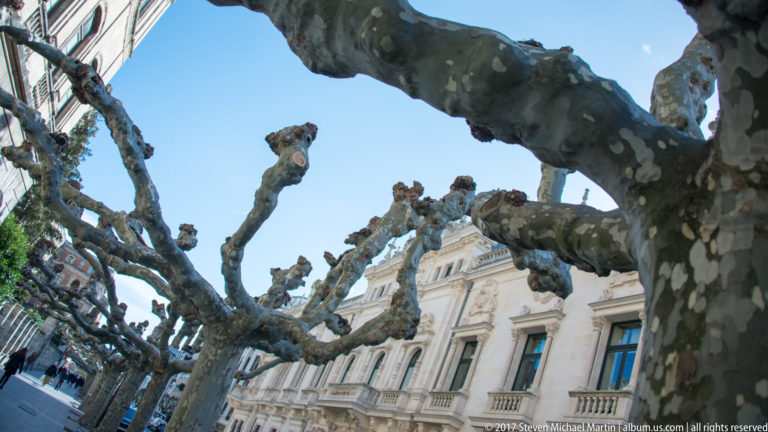
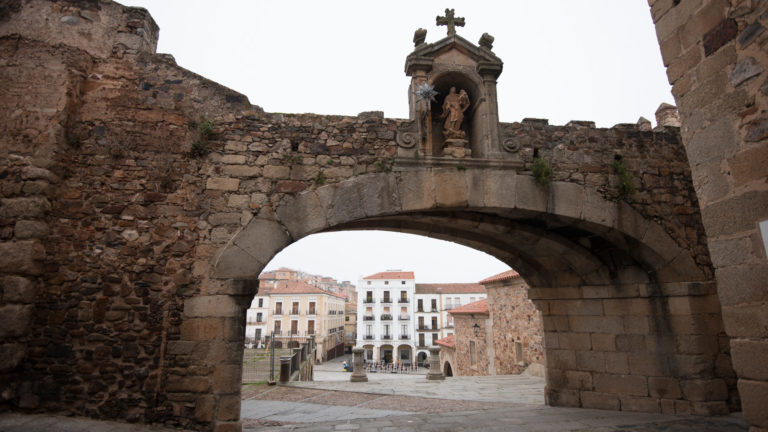
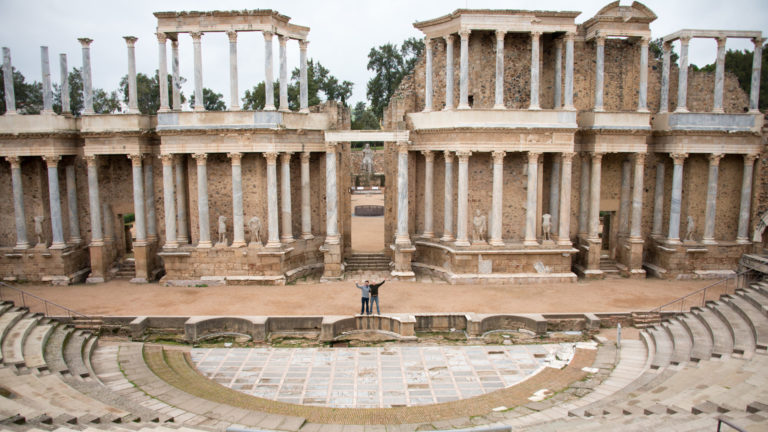
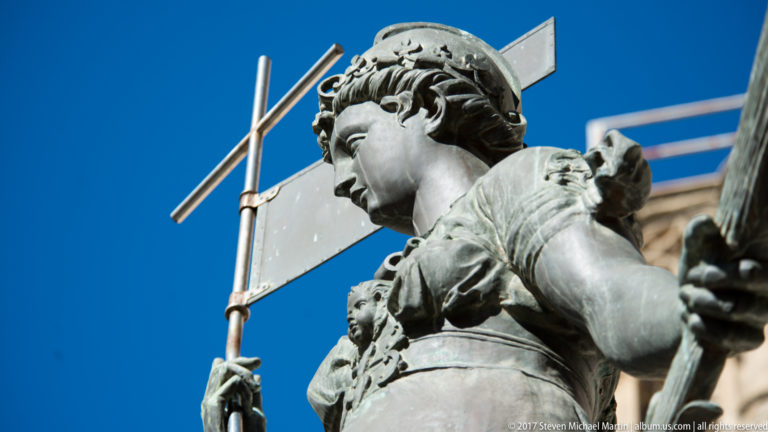
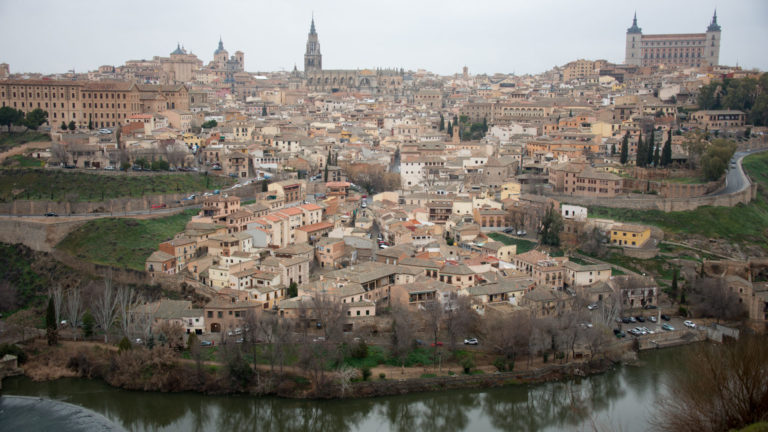
Spain preserves one of Europe’s most culturally layered landscapes, shaped by the interaction of Roman settlement, Islamic artistic influence, medieval Christian kingdoms, and the emergence of a global maritime empire. Historic cities across the Iberian Peninsula illustrate the architectural and cultural exchange that occurred as different civilizations contributed to the development of Spanish identity. Roman urban environments such as Mérida and fortified historic centers including Cáceres demonstrate the enduring influence of classical settlement patterns that shaped later medieval development.
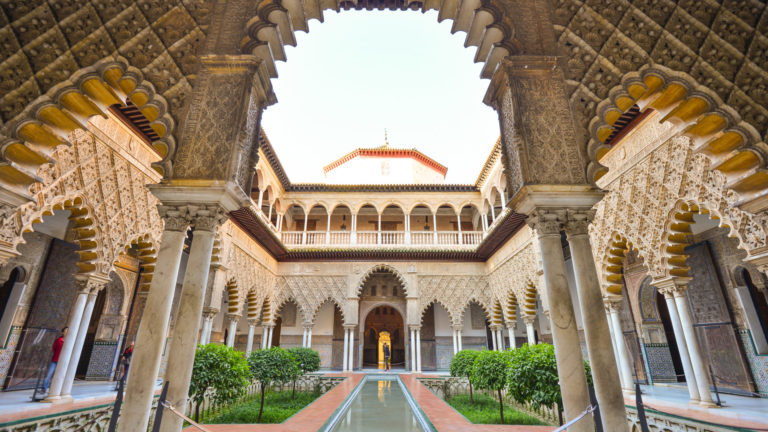
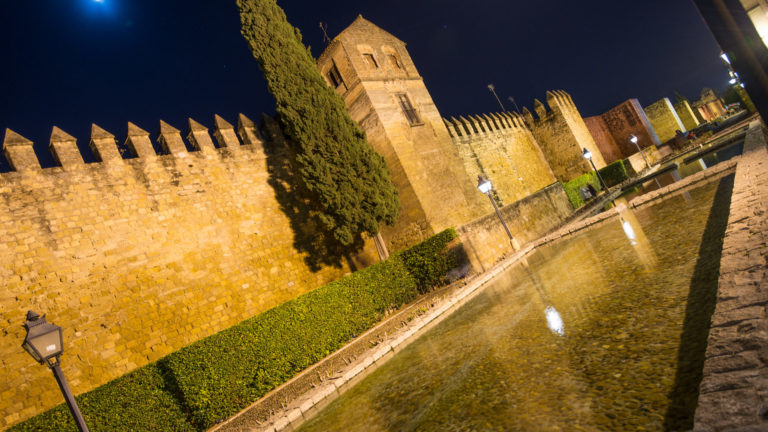
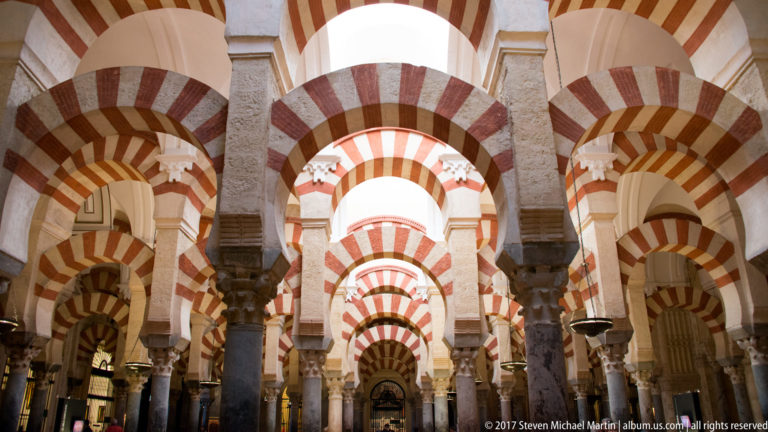
Southern Spain preserves some of the most significant examples of Islamic architecture in Europe, particularly in Córdoba, where the Mezquita reflects artistic traditions developed during the period of Al-Andalus. The Alhambra in Granada and the Alcázar in Seville illustrate the refinement of Islamic architectural design later adapted during the Christian Reconquista. Together, these sites demonstrate the lasting artistic legacy of cultural exchange between Islamic and Christian traditions.
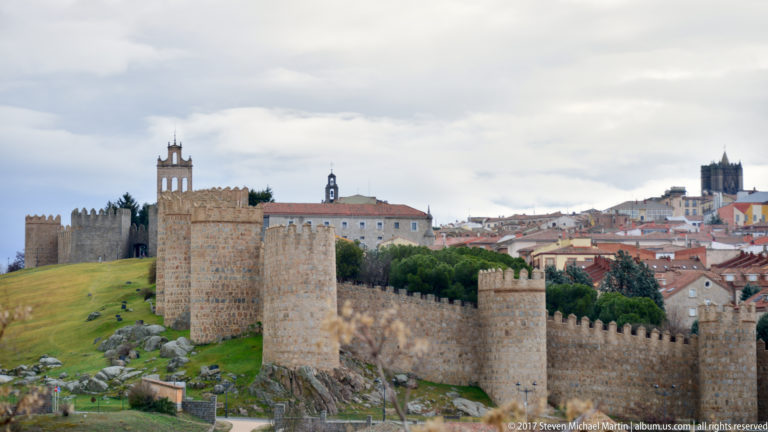
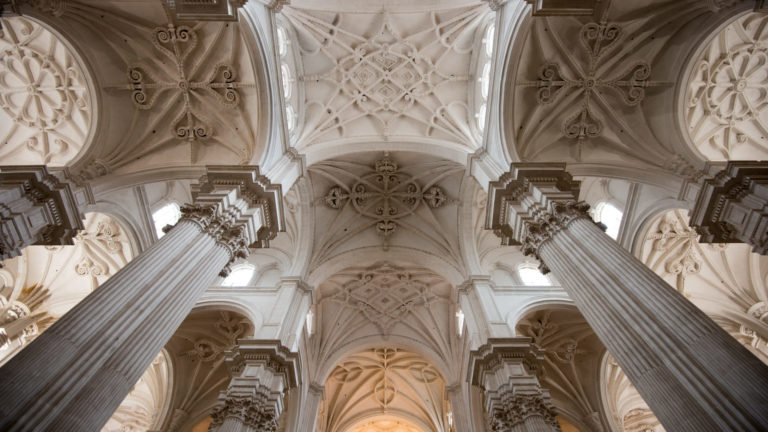
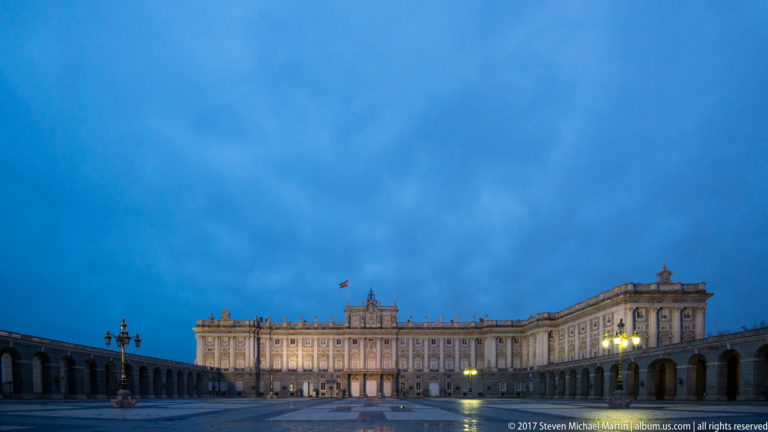
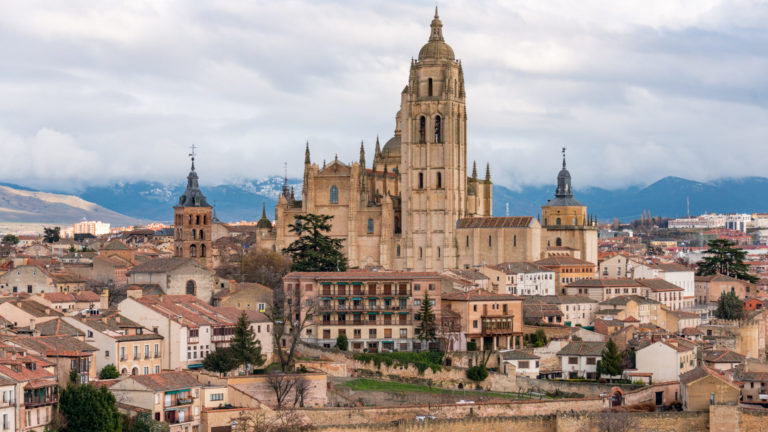
Central Spain reflects the development of powerful medieval kingdoms whose influence shaped the political structure of the Iberian Peninsula. Historic cities such as Toledo, Ávila, Segovia, and Burgos preserve fortified walls, Gothic cathedrals, and civic architecture associated with royal authority and religious tradition. The capital city of Madrid illustrates the later consolidation of political power within Spain’s unified monarchy.
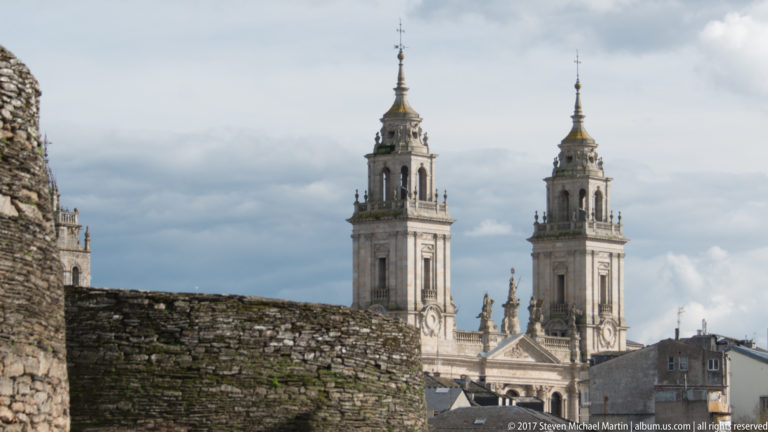
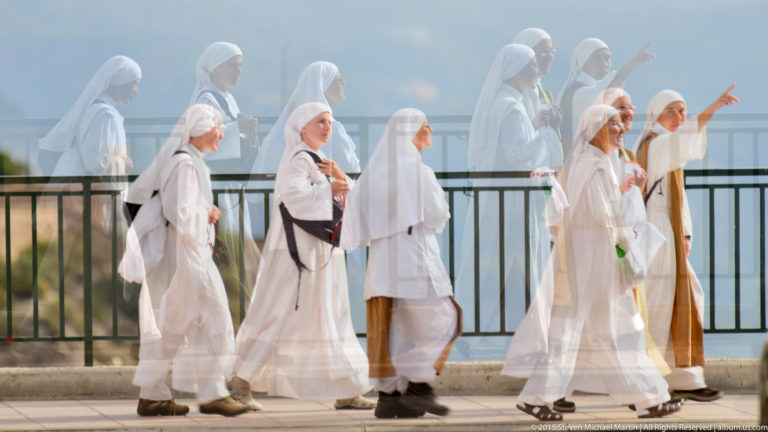
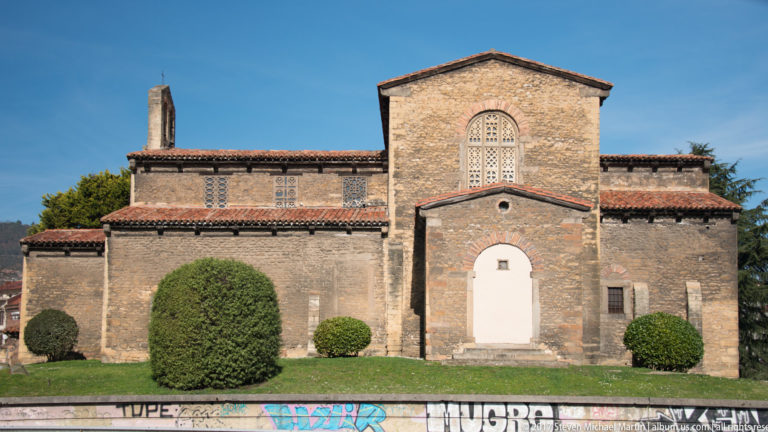
Northern Spain introduces maritime landscapes and cultural traditions associated with Atlantic trade routes and pilgrimage journeys. Cities such as San Sebastián, Santander, Oviedo, and Lugo illustrate regional diversity influenced by geography and historic settlement patterns. The important pilgrimage destination of Santiago de Compostela reflects the religious traditions associated with the Camino de Santiago, one of Europe’s most historically significant travel routes.
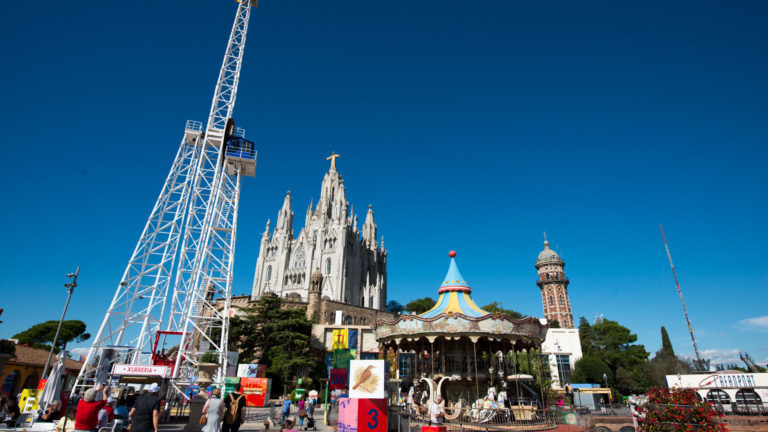
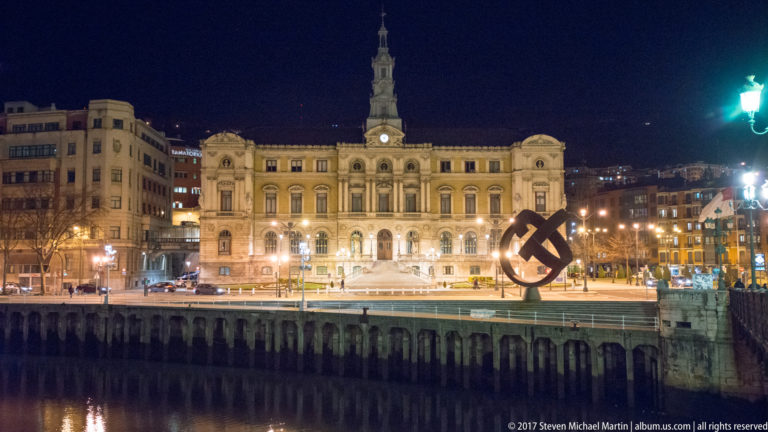
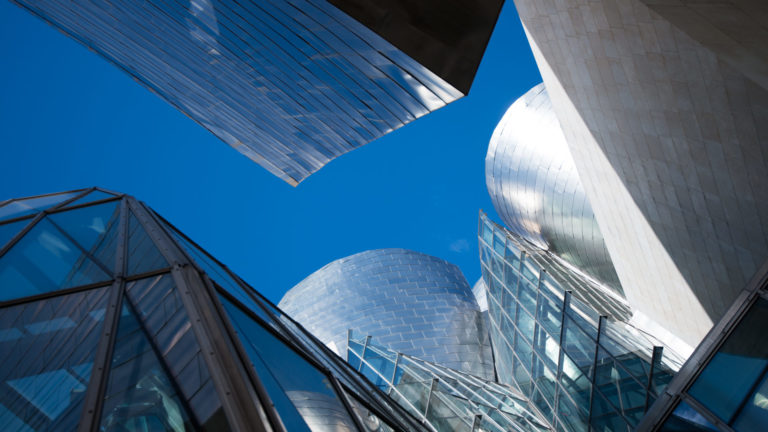
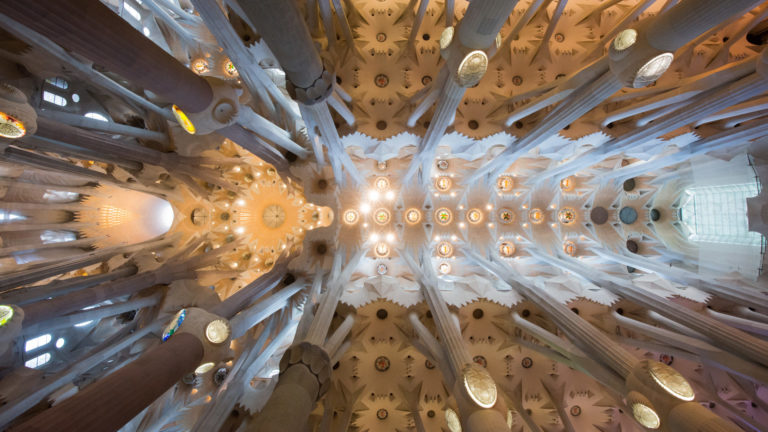
Eastern Spain reflects both historic and modern artistic expression. The city of Barcelona illustrates architectural innovation through the works of Antoni Gaudí, particularly the Sagrada Família, while nearby Montserrat demonstrates the continued importance of religious pilgrimage traditions within mountainous landscapes. Modern architectural design is also represented by the Guggenheim Museum in Bilbao, illustrating Spain’s continued contribution to contemporary artistic expression.
Photographing Spain highlights the remarkable diversity of architectural styles, cultural traditions, and regional landscapes that developed across the Iberian Peninsula. From Roman cities and Islamic palaces to Gothic cathedrals and modern museums, the sites represented across these portfolios illustrate Spain’s enduring influence on European cultural history.
Barcelona Barcelona reflects the layered history of Catalonia, combining Roman foundations, medieval quarters, and later architectural innovation. The city developed […]
Cáceres Cáceres preserves an exceptional historic center shaped by Roman foundations, Islamic influence, and later medieval Christian development. Stone towers, […]
Montserrat Montserrat is a mountain range located northwest of Barcelona, recognized for its distinctive rock formations and long-standing religious significance. […]
Segovia Segovia preserves significant monuments associated with Roman engineering and medieval royal authority. The Roman aqueduct, constructed in the first […]