Karnak Temple Complex
The Karnak Temple Complex is one of the largest religious building projects in the world and represents the evolving spiritual traditions of ancient Egypt. Construction began more than 4,000 years ago and continued through multiple dynasties, reflecting the long continuity of Egyptian religious practice. The complex was dedicated primarily to the god Amun and served as an important ceremonial center connected to nearby Luxor Temple.
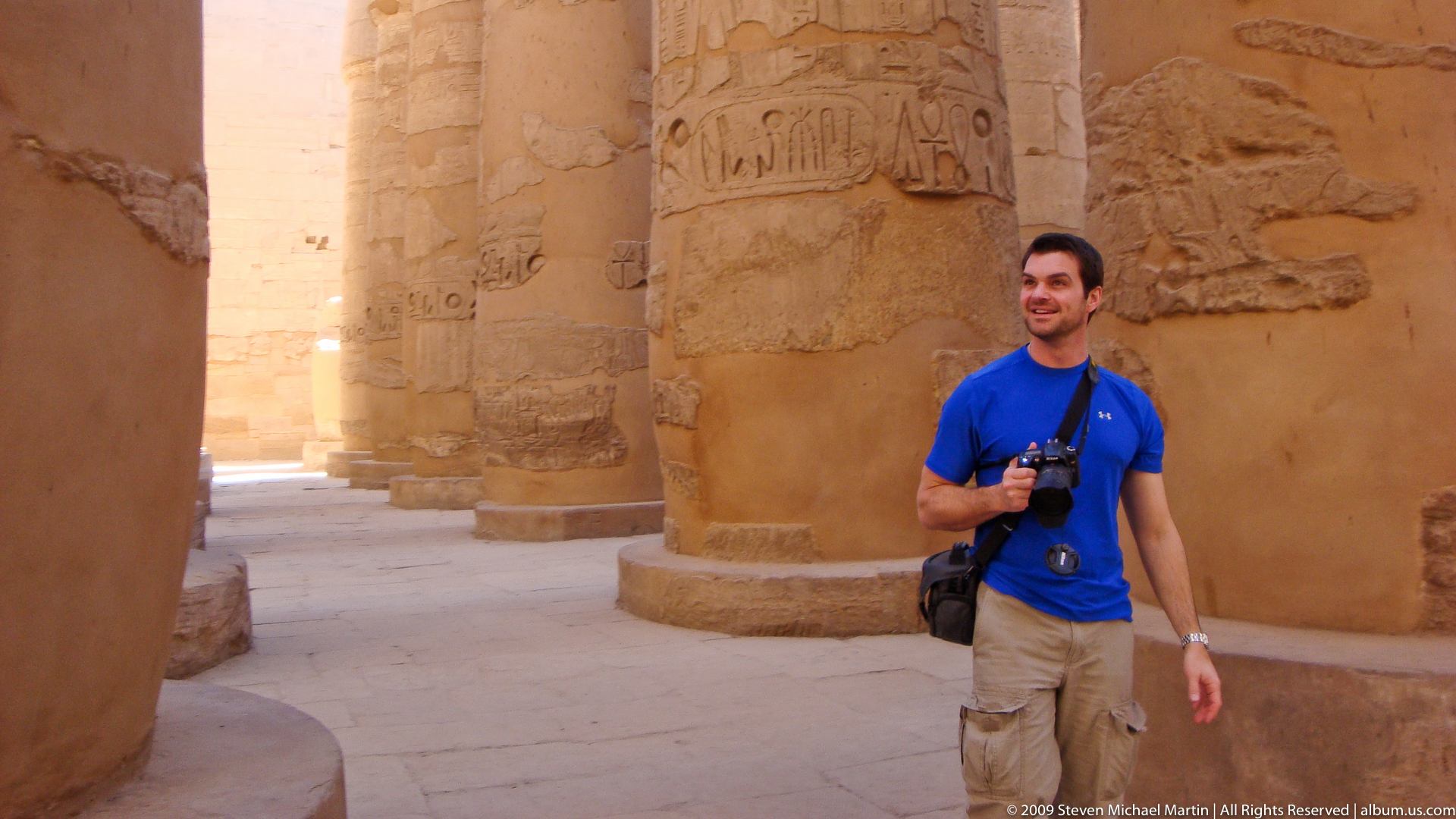
Karnak is especially known for its Great Hypostyle Hall, which contains massive stone columns arranged in a dense architectural grid. The scale of the complex illustrates the ability of Egyptian rulers to organize large labor forces and resources in support of religious construction. Carved reliefs and hieroglyphic inscriptions document religious rituals, political authority, and historical events.
The temple complex demonstrates how architecture functioned as an expression of cosmic order and divine authority in ancient Egyptian society. Its monumental design influenced later ceremonial structures across the Mediterranean world.






Field Guide
📍 Overview
The Karnak Temple Complex is one of the largest religious construction projects in human history and reflects the evolving spiritual traditions of ancient Egypt. Located near Luxor on the east bank of the Nile River, Karnak was developed over more than 1,500 years by successive pharaohs. The site was primarily dedicated to Amun, one of the most important deities in Egyptian religion.
🏛 Historical Significance
Karnak served as a ceremonial center during the New Kingdom when Thebes (modern Luxor) functioned as the political and religious capital of Egypt. Pharaohs sought to legitimize their rule through temple construction, adding pylons, obelisks, chapels, and sanctuaries that reflected devotion to the gods. The complex demonstrates how religion and political authority were closely connected.
🧱 Architectural Features
The Great Hypostyle Hall is one of the most remarkable architectural spaces in the ancient world, containing massive stone columns arranged in a grid covering a vast interior space. Carved hieroglyphs and relief sculptures illustrate religious rituals, military victories, and royal symbolism. Monumental gateways known as pylons create a processional sequence leading through the complex.
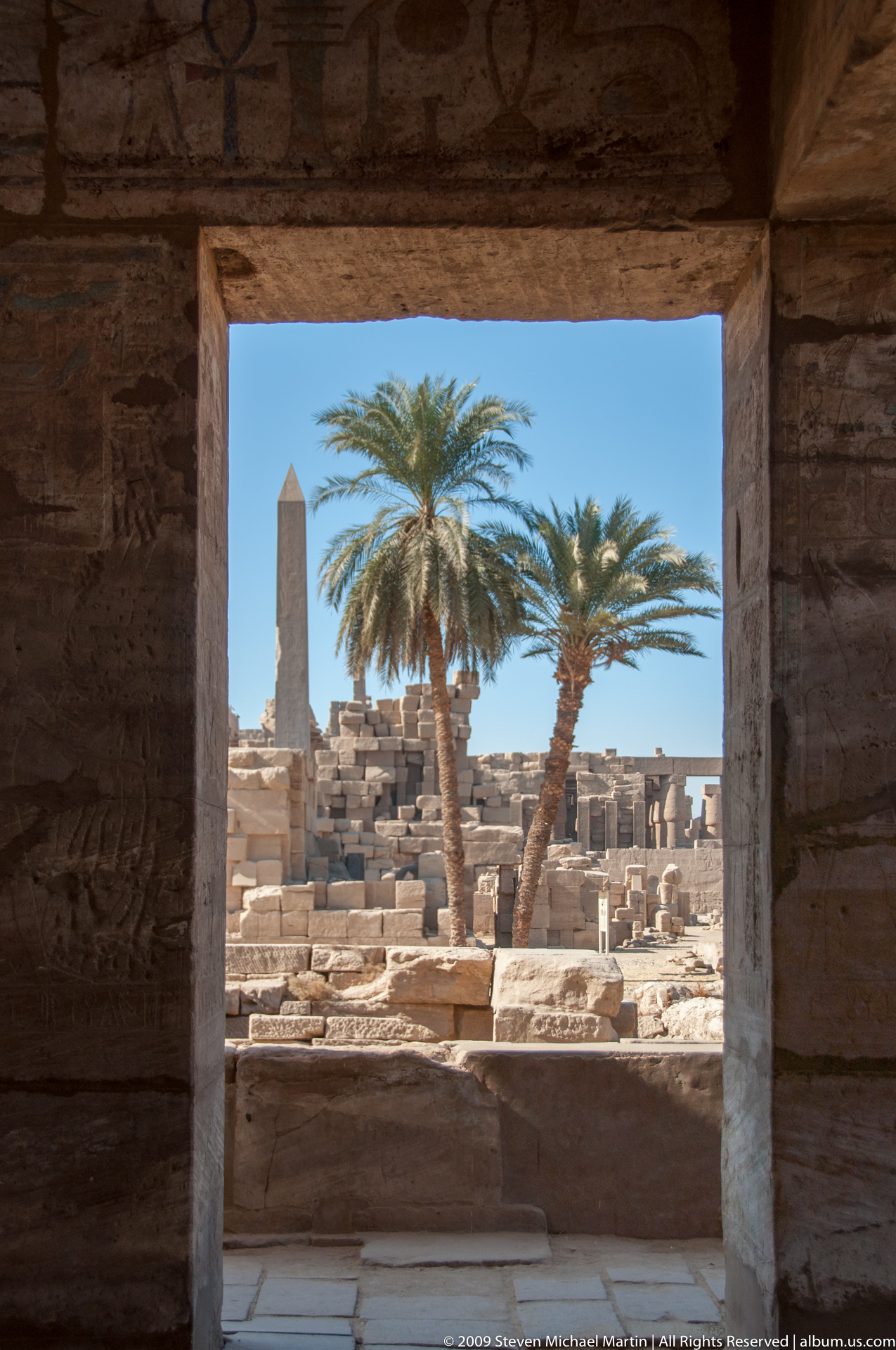
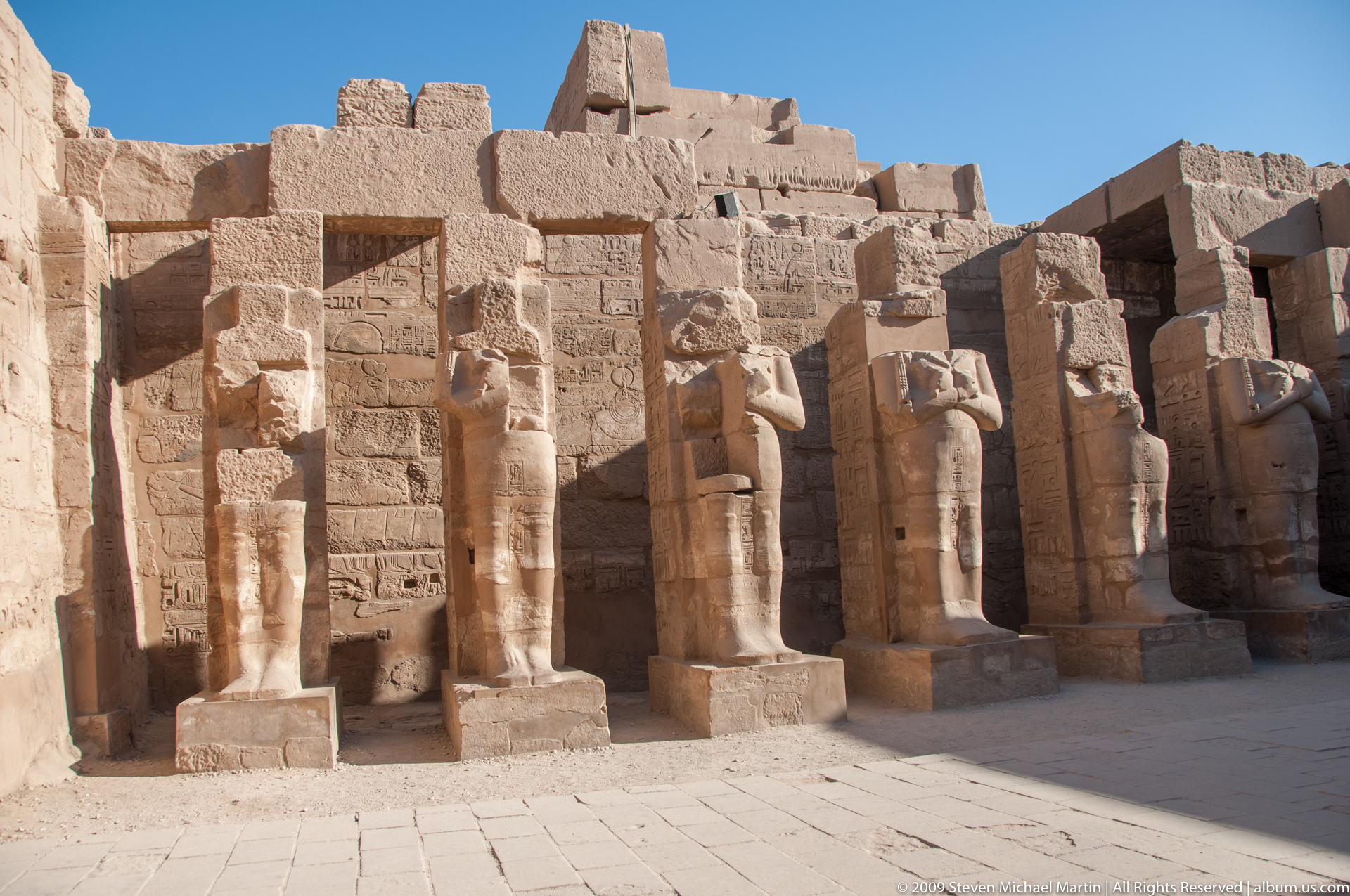
Obelisks, statues, and carved wall scenes demonstrate both artistic achievement and technical expertise in stone construction. The scale of the complex illustrates the long continuity of Egyptian religious tradition.
🌍 Cultural Importance
Karnak functioned as a center of ritual activity tied to seasonal cycles of the Nile and ceremonial processions connecting Karnak to Luxor Temple. Religious festivals reinforced social order and emphasized the divine role of the pharaoh. The site illustrates the integration of architecture, landscape, and religious belief.
🧭 Why It Matters in Temples, Pyramids & Mosques
Karnak demonstrates the evolution of temple architecture as a setting for ritual, symbolism, and political expression. The complex illustrates how sacred spaces functioned as focal points of community identity across ancient civilizations.
⭐ Highlights
- Great Hypostyle Hall with massive stone columns
- Temple complex constructed over more than 1,500 years
- Obelisks and monumental gateways
- Extensive hieroglyphic relief decoration
- One of the largest religious complexes in the world
📷 Photography Notes
- Early morning light enhances column textures
- Wide-angle views capture scale of Hypostyle Hall
- Side lighting reveals depth in carved reliefs
- Columns create strong repeating visual patterns
- Low-angle compositions emphasize monumentality