Cairo
Cairo has served as one of the most important cultural and political centers of the Middle East for more than a thousand years. Located near the Nile River, the city developed as a major center of Islamic scholarship, trade, and artistic production. Its proximity to ancient Egyptian monuments such as the pyramids of Giza illustrates the continuity of civilization in the region across multiple historical periods.
Historic Cairo preserves numerous mosques, madrasas, and markets that reflect the city’s role as a center of intellectual life in the Islamic world. Architectural traditions emphasize geometric ornamentation, domes, and minarets that characterize Islamic sacred design. The city became an important hub linking trade routes between Africa, the Mediterranean, and the Middle East.
Cairo demonstrates the layered development of urban culture shaped by ancient Egyptian, Islamic, and later Ottoman influences. Its architectural landscape illustrates the continuity of religious and civic life across centuries.





















Field Guide
📍 Overview
Cairo developed as one of the most important centers of Islamic scholarship, trade, and artistic production. Founded in the 10th century by the Fatimid dynasty, the city became a major cultural hub linking North Africa, the Middle East, and Mediterranean trade networks. Cairo’s historic mosques and madrasas illustrate the development of Islamic architectural traditions over centuries.
🏛 Historical Significance
Cairo became an intellectual center during the Islamic Golden Age, with institutions supporting scholarship in theology, mathematics, astronomy, and law. Dynasties including the Fatimids, Ayyubids, and Mamluks contributed to the city’s architectural landscape. Its proximity to earlier Egyptian civilizations demonstrates continuity in regional cultural importance.
🧱 Architectural Features
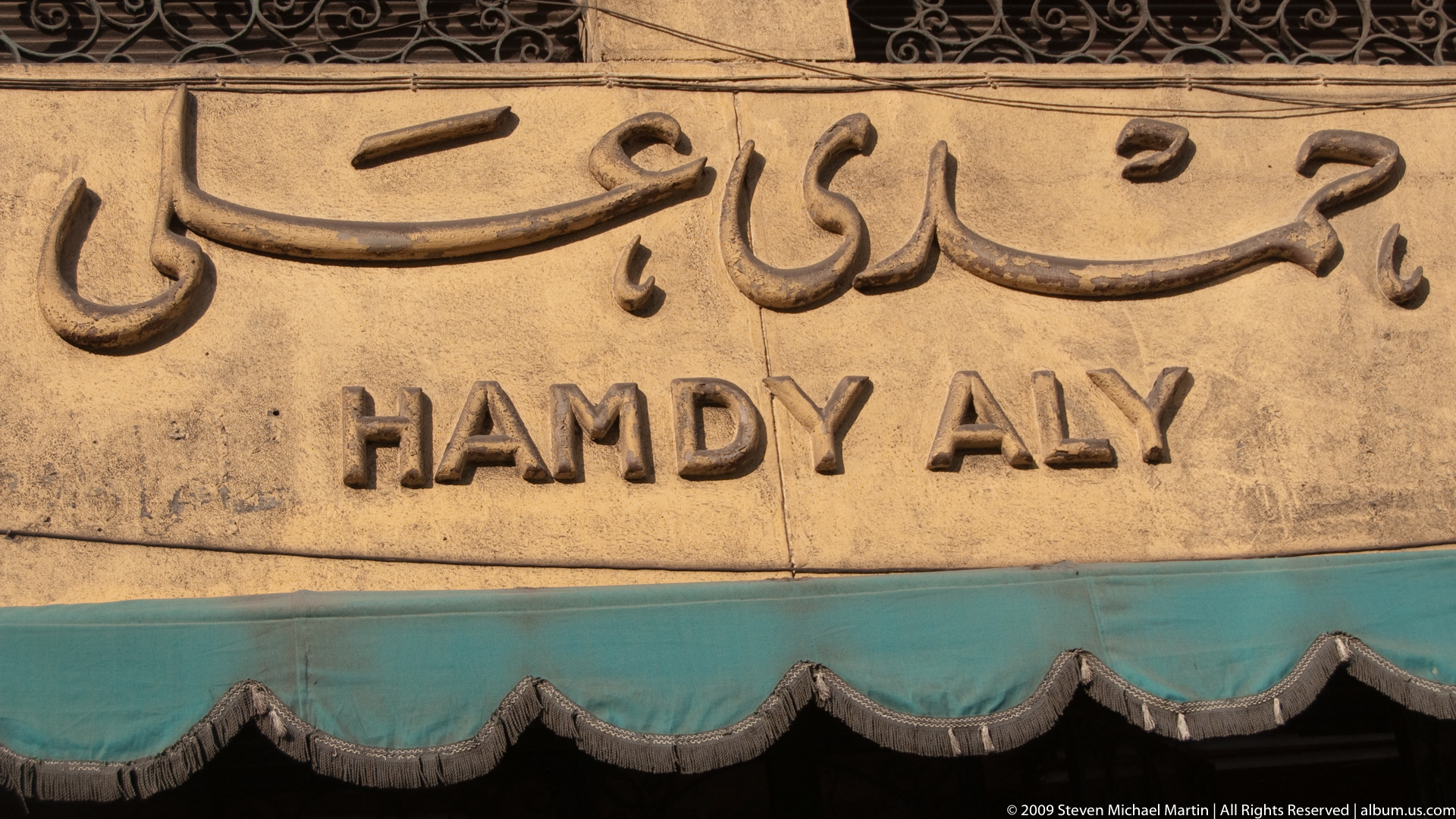
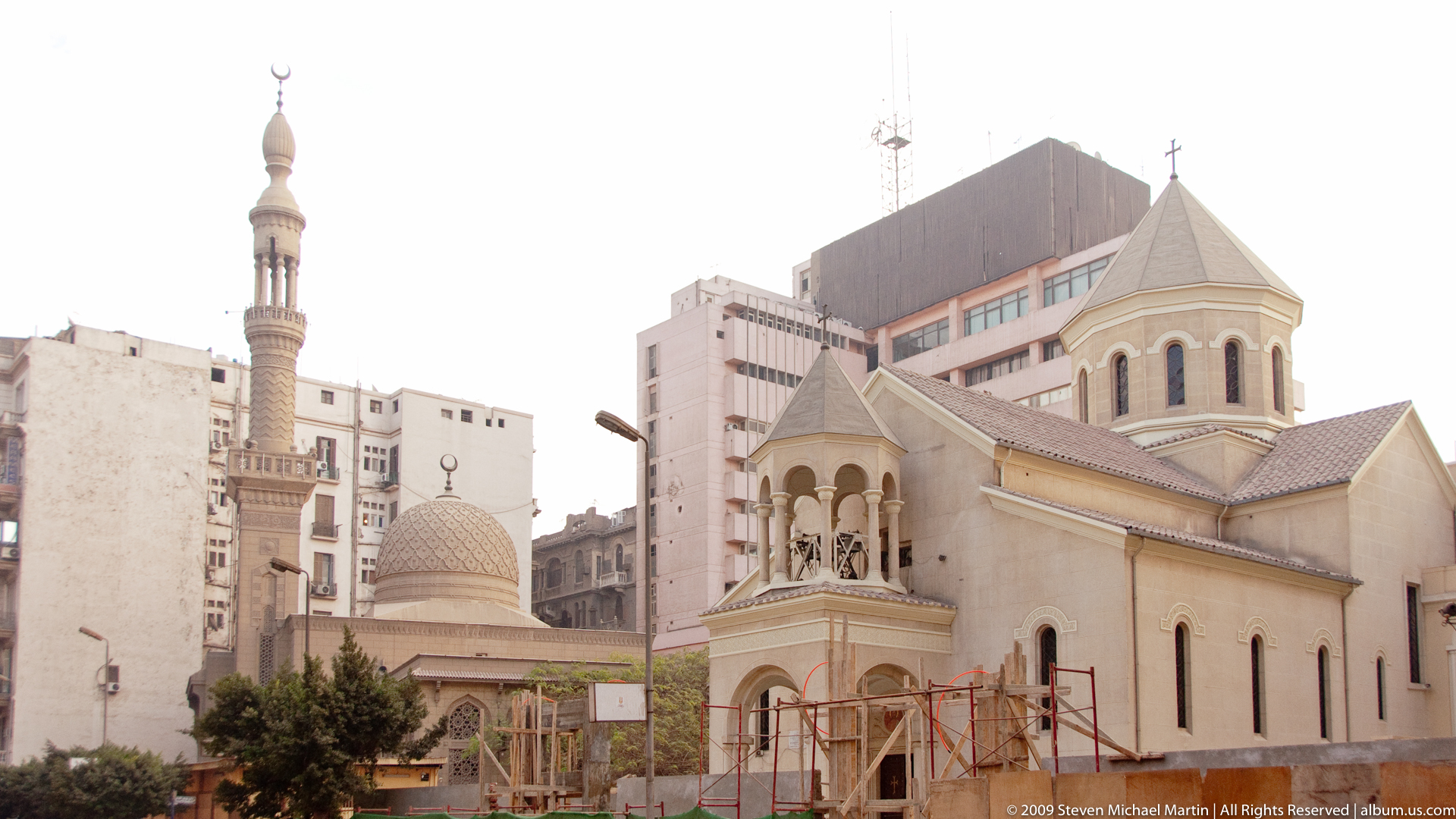
Islamic architecture in Cairo is characterized by domes, minarets, courtyards, and decorative calligraphy. Mosques emphasize geometric harmony and balance while incorporating natural light into interior spaces. Stone carving and ornamental detail illustrate artistic traditions that developed across the Islamic world.
Urban layout reflects the importance of markets, religious institutions, and educational centers within Islamic society.
🌍 Cultural Importance
Cairo became one of the most influential cities in Islamic history and continues to function as a major cultural center. Religious architecture played an important role in shaping social identity and artistic development.
🧭 Why It Matters in Temples, Pyramids & Mosques
Cairo demonstrates the transition from ancient Egyptian religious traditions to Islamic architectural expression. Its monuments illustrate continuity in sacred design adapted to new cultural and religious contexts.
⭐ Highlights
- Major center of Islamic scholarship
- Historic mosques with distinctive minarets
- Important link between African and Middle Eastern trade routes
- Architectural traditions spanning multiple dynasties
- Continuity of urban cultural identity
📷 Photography Notes
- Minarets create strong vertical compositions
- Warm light enhances stone architectural detail
- Wide compositions capture mosque courtyards
- Detail images highlight calligraphy and ornamentation
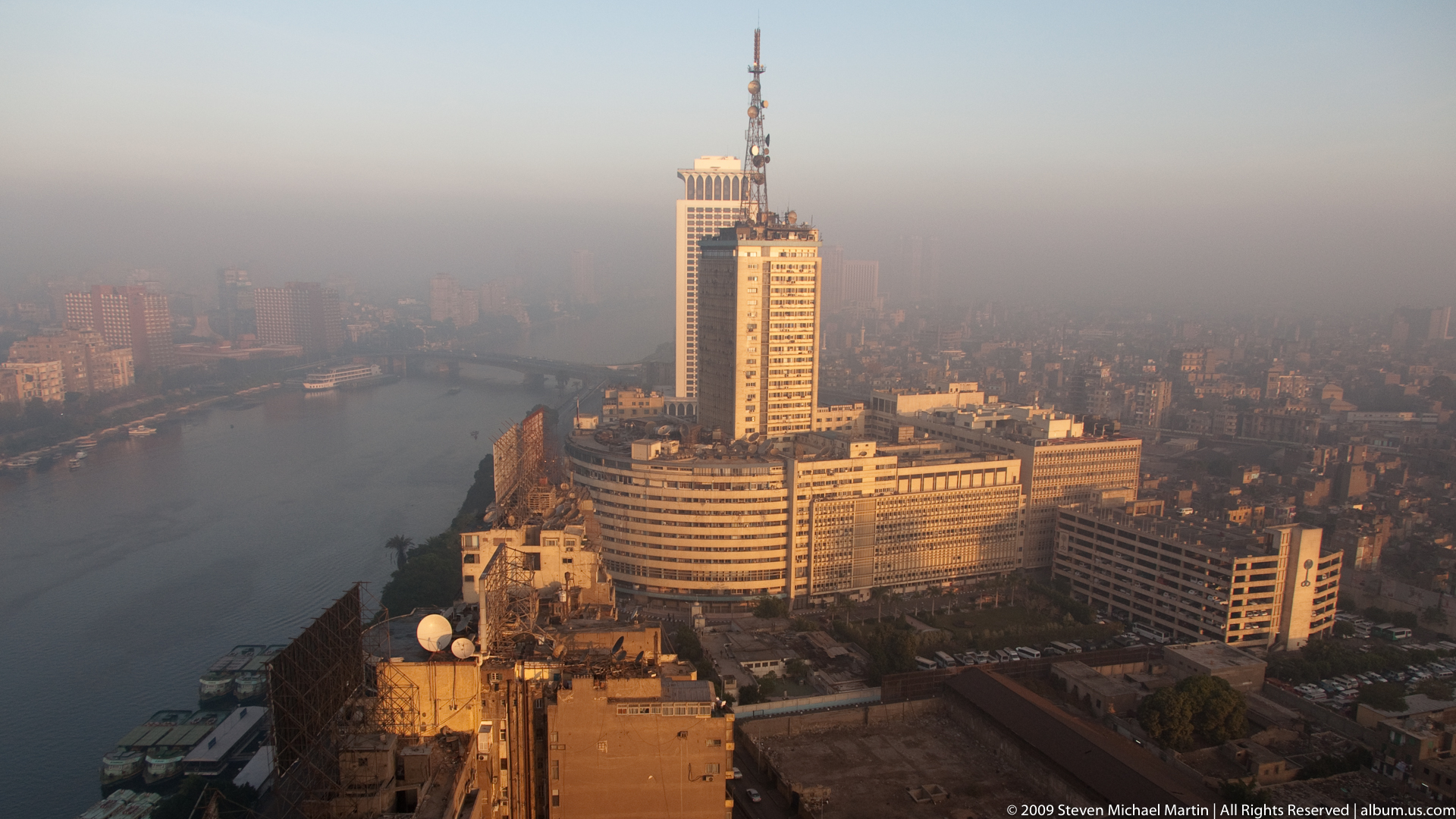
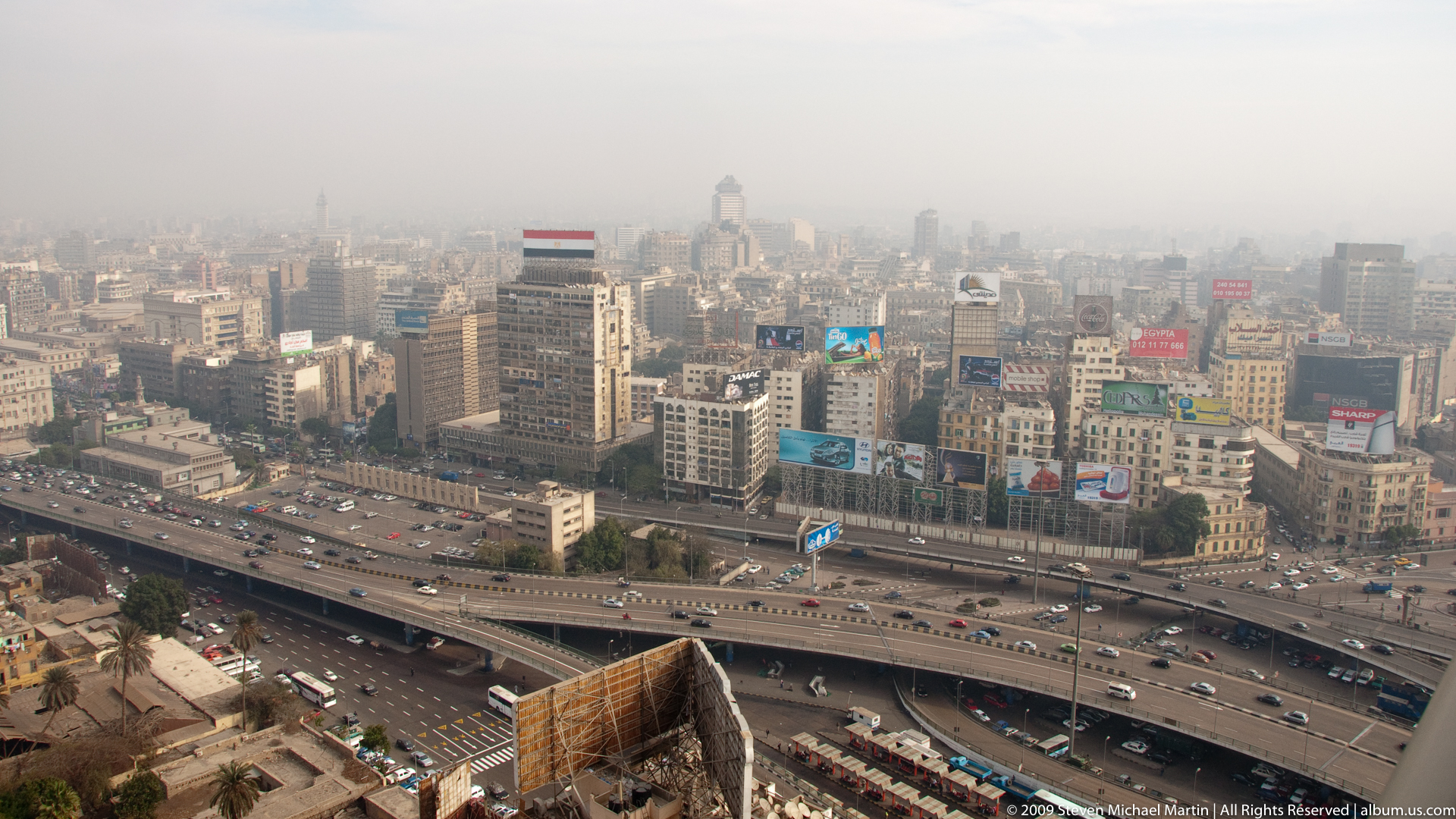
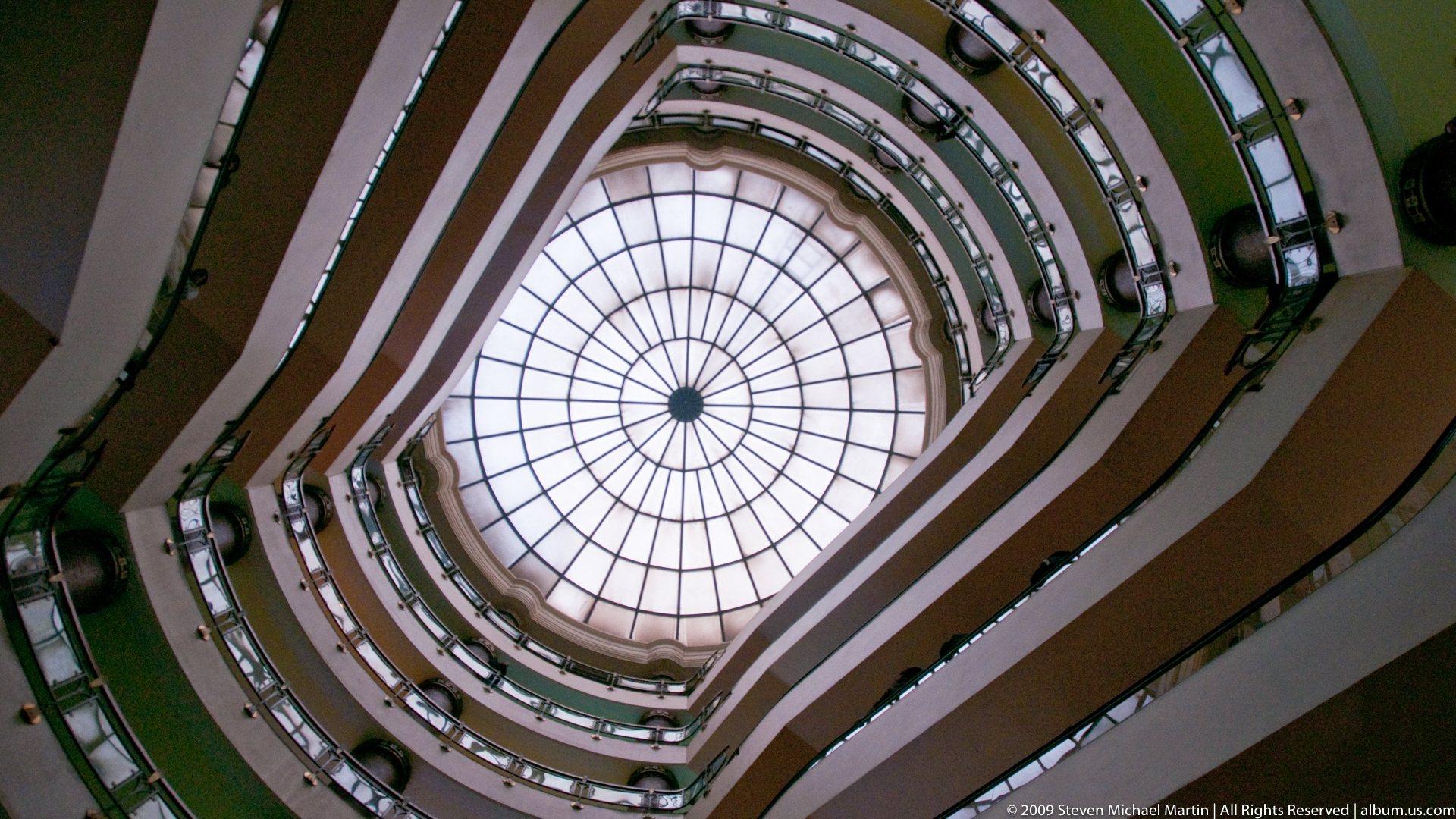
- Elevated viewpoints reveal historic city layout