Rio de Janeiro
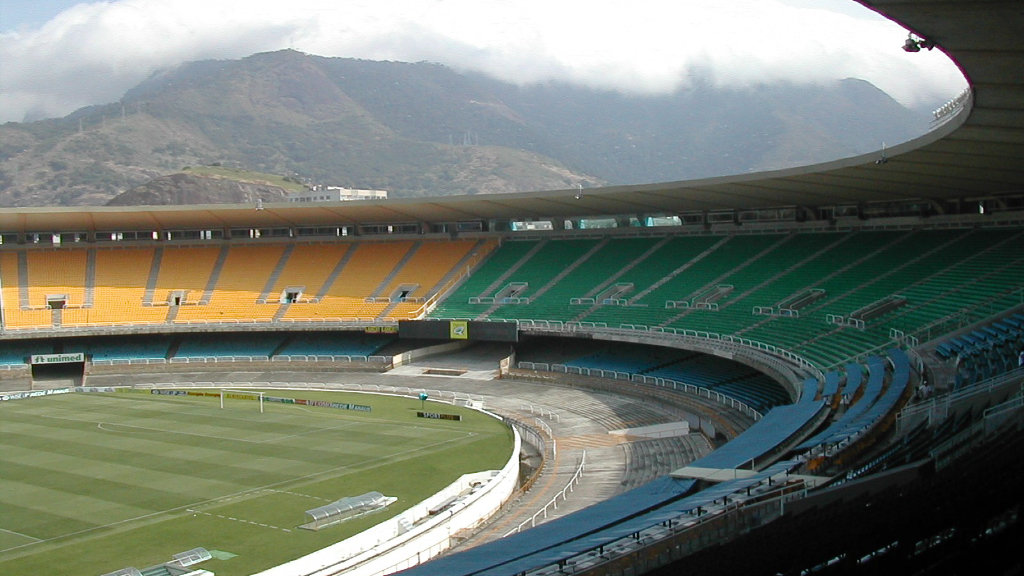
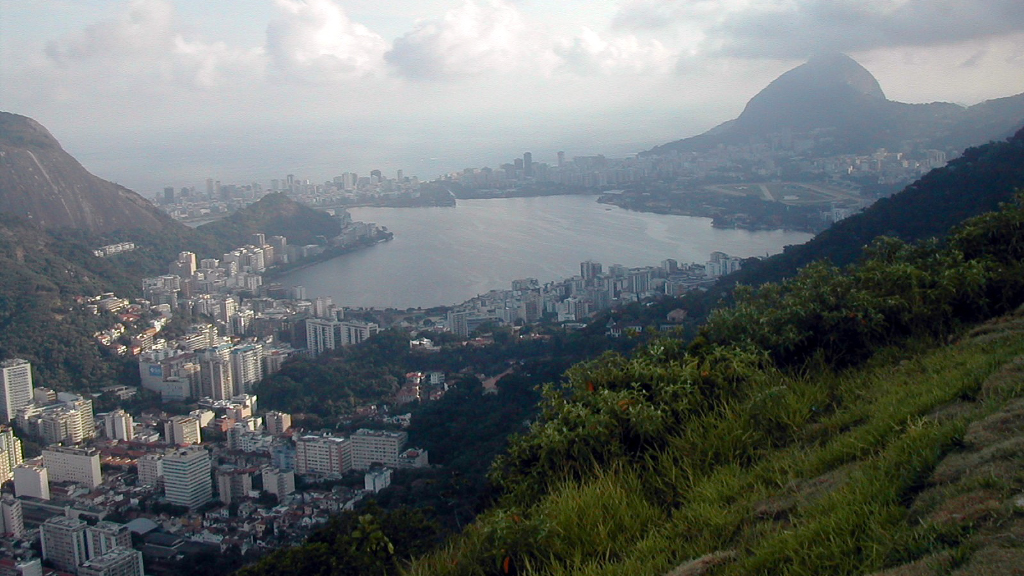
Rio de Janeiro occupies a dramatic coastal setting along Guanabara Bay, where granite peaks rise abruptly from the Atlantic shoreline and remnants of the Atlantic Forest meet dense urban development. Founded by the Portuguese in the sixteenth century as a strategic port, the city later became the capital of colonial and imperial Brazil, linking maritime trade routes with the interior of South America. Its distinctive landscape, shaped by erosion of ancient rock formations and a tropical coastal climate, created a natural harbor that supported commerce, migration, and cultural exchange across the South Atlantic.
The portfolio highlights Rio’s interaction between natural landforms and urban design, where historic districts, coastal promenades, and monumental viewpoints are integrated into a setting defined by mountains, bays, and ocean beaches. Landmarks such as Sugarloaf Mountain and the ridge-top statue of Christ the Redeemer reflect the relationship between landscape and national identity, while waterfront neighborhoods illustrate the expansion of a port city shaped by trade, tourism, and cultural production. The city’s architectural and urban development reflects centuries of colonial administration, imperial governance, and modern cultural influence.
Rio de Janeiro provides insight into the cultural geography of coastal Brazil, demonstrating how topography, climate, and maritime trade contributed to the development of one of South America’s most recognized urban landscapes. The city’s integration of tropical environment and civic space illustrates continuity between colonial foundations and modern national identity, contributing to broader understanding of settlement patterns along the Atlantic rim of the continent.