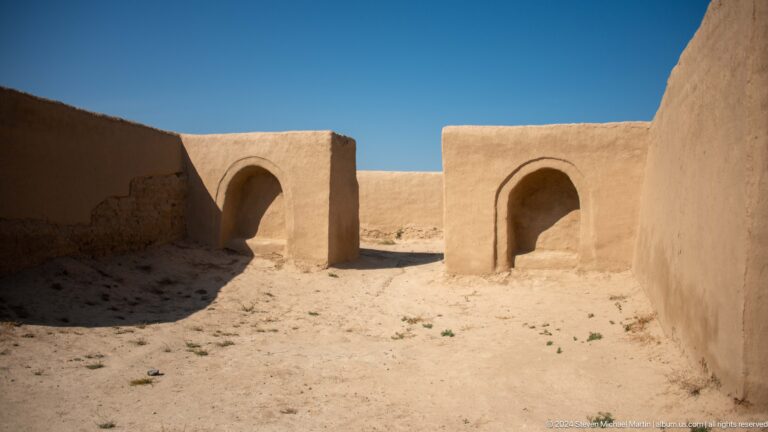
Ancient Panjakent Ruins
Ancient Panjakent Ruins The ruins of ancient Panjakent in present-day Tajikistan represent one of the most important archaeological sites associated […]
Explore Portfolio
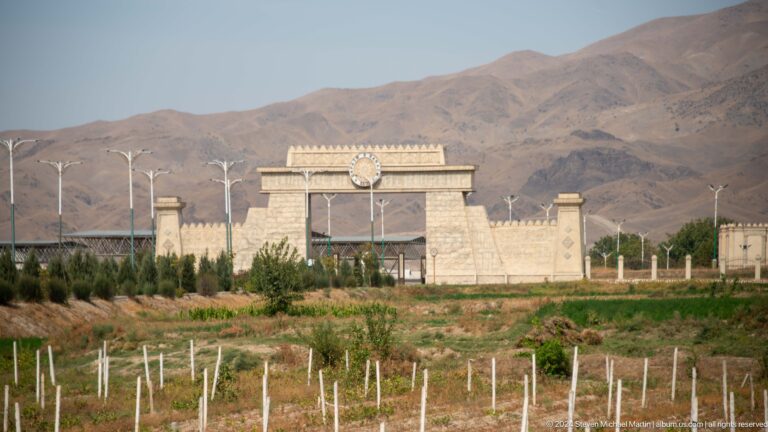
Tajikistan preserves important evidence of early urban civilization in Central Asia, where archaeological sites reveal the cultural and commercial networks that developed along branches of the Silk Road. The UNESCO-listed settlement of Ancient Sarazm represents one of the earliest known urban centers in the region, demonstrating the emergence of organized communities engaged in trade, agriculture, and craftsmanship more than four thousand years ago. These early settlements illustrate the deep historical roots of Persian-influenced culture across Central Asia.
The city of Panjakent and the nearby Ancient Panjakent Ruins preserve the remains of a major Sogdian trading center that flourished during the early medieval period. Archaeological excavations have revealed residential structures, temples, and wall paintings that provide insight into daily life along Silk Road trade routes linking China, Persia, and the Mediterranean world. These sites illustrate the artistic and commercial vitality of Central Asia prior to later political transformations in the region.
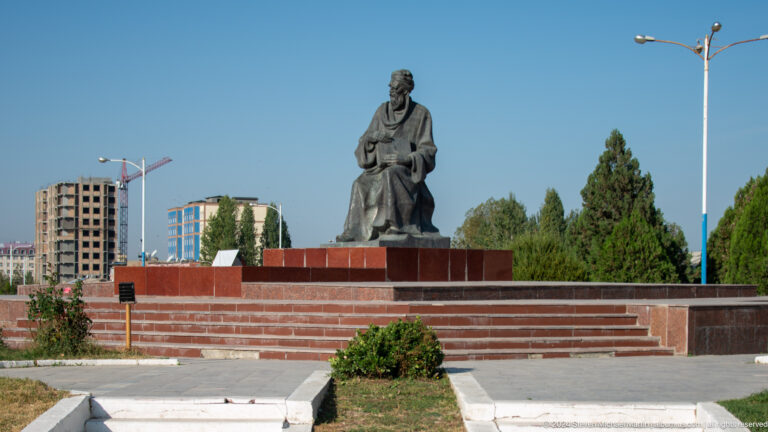
The Rudaki Historical Museum further interprets this cultural legacy through collections that highlight the literary and intellectual traditions associated with Rudaki, one of the earliest known Persian poets. The museum provides context for understanding the continuity of Persian cultural influence across the region and the role of language and literature in shaping Central Asian identity.
Photographing Tajikistan’s archaeological sites emphasizes texture, material detail, and the relationship between excavated structures and the surrounding landscape. Earth-toned ruins, reconstructed architectural elements, and museum collections provide visual insight into civilizations that once connected distant regions through trade and cultural exchange. Together, these portfolios illustrate the historical depth of Central Asia and the enduring legacy of early Persian cultural traditions.
The following itineraries include locations in this country:
