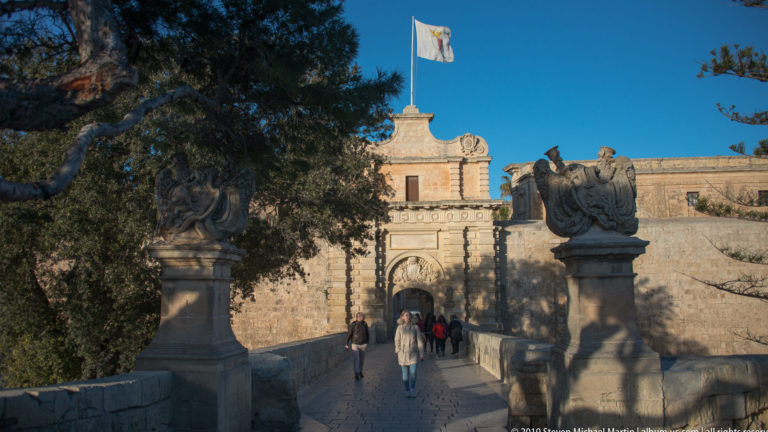
M’dina
Mdina – Malta The ancient walled city of Mdina sits on a hill in the center of the island and […]
Explore Portfolio
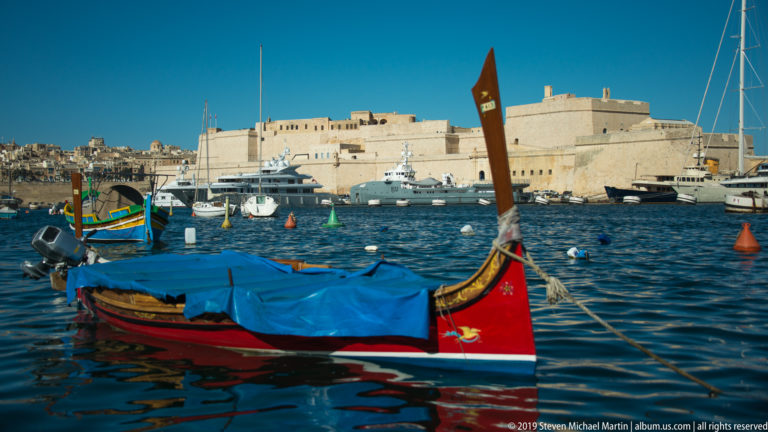
Malta’s strategic location in the central Mediterranean made the island an important crossroads for maritime trade, military defense, and cultural exchange for more than two thousand years. Successive civilizations including Phoenician, Roman, Arab, and later the Knights of St. John contributed to the development of fortified cities and religious institutions that reflect the island’s long history of strategic importance. The natural harbors surrounding the capital city illustrate why Malta played a significant role in controlling maritime routes between Europe, North Africa, and the Near East.
The Malta Harbors portfolio highlights the defensive advantages provided by deeply indented coastal geography that supported the construction of fortified port cities. The historic center of Valletta, developed by the Knights of St. John in the sixteenth century, preserves a carefully planned urban environment characterized by Baroque architecture and defensive walls designed to protect the island from naval attack.
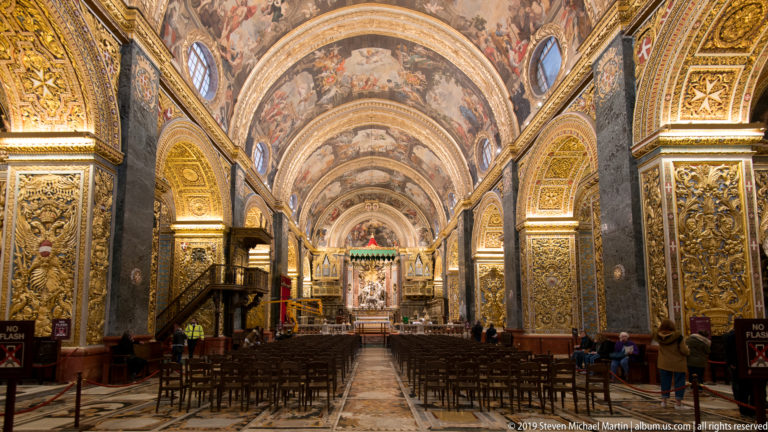
Religious and civic landmarks such as St. John’s Co-Cathedral demonstrate the artistic and spiritual influence of the Knights of St. John, whose patronage supported elaborate interior decoration and architectural refinement. The nearby walled city of Mdina illustrates the continuity of settlement patterns shaped by defensive considerations, where narrow streets and elevated fortifications reflect earlier medieval traditions.
Photographing Malta emphasizes the visual relationship between fortified architecture and coastal landscape, where limestone construction and Mediterranean light contribute to the island’s distinctive appearance. Together, these sites illustrate Malta’s role as an important link between European and Mediterranean cultural traditions.
The following itineraries include locations in this country:
