Ontario Foliage
The forests of Ontario form part of the vast woodland environment through which voyageurs traveled as they navigated river and lake systems linking the interior of North America with the St. Lawrence River. These forests provided essential natural resources including timber for canoe construction, fuel for camps, and wildlife that supported both Indigenous communities and fur trade economies. The seasonal rhythms of the forest landscape shaped travel conditions, determining when waterways were navigable and when winter routes could be used for transport.
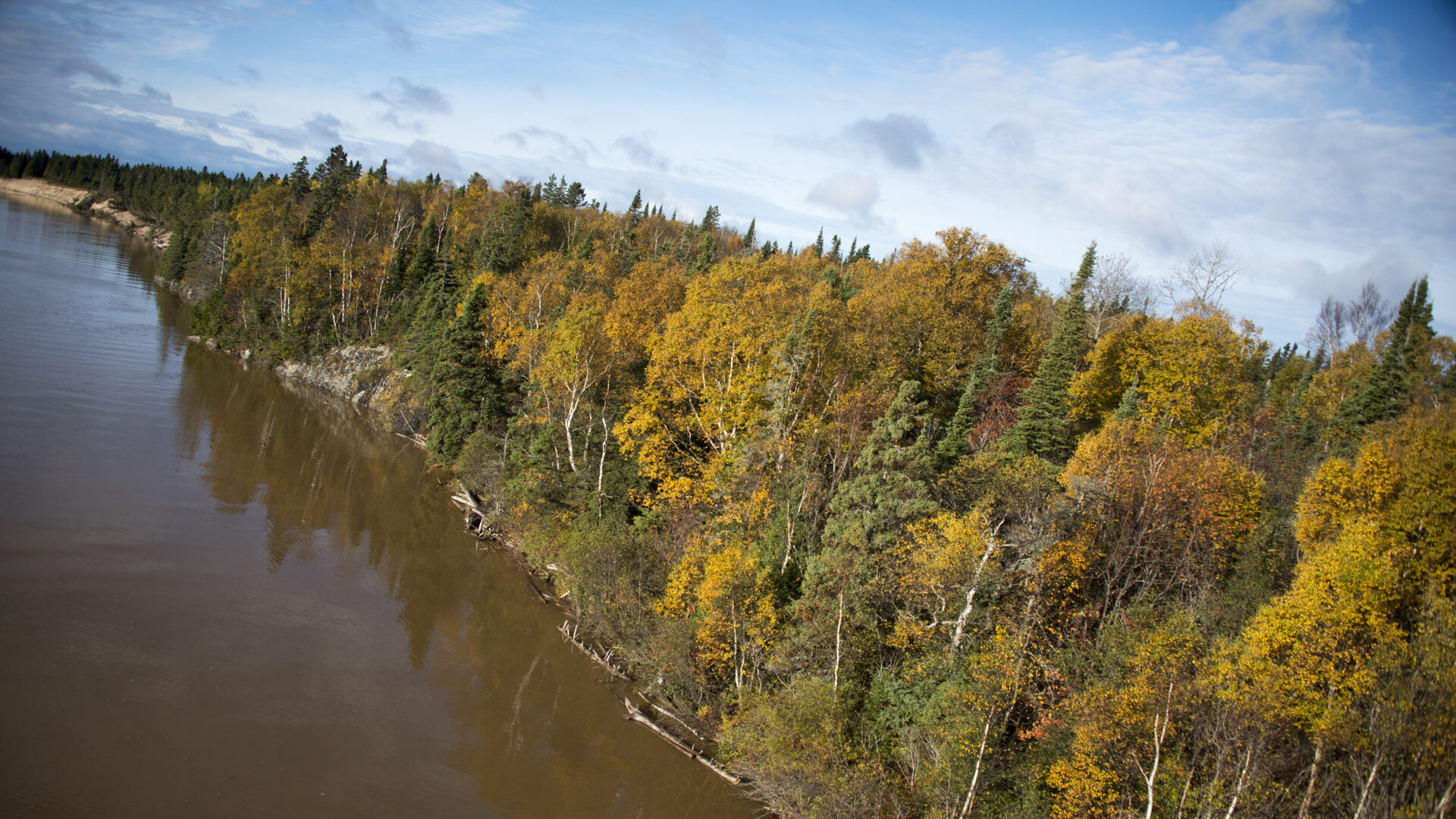
During autumn, the forests of Ontario display a striking range of colors as maple, birch, and oak trees transition from green to vivid shades of red, orange, and gold. These seasonal changes reflect the ecological diversity of the region, where mixed hardwood forests developed following the retreat of glaciers thousands of years ago. The same forest environments once provided habitat for animals whose pelts became valuable commodities in early global trade networks.
Experiencing Ontario’s fall foliage provides insight into the environmental conditions that influenced travel and commerce during the era of the voyageurs. The interconnected lakes and forests of the region illustrate how geography shaped transportation routes, economic activity, and patterns of settlement across early Canada. Today, these landscapes remain an important reminder of the natural environments that supported exploration and exchange across North America.