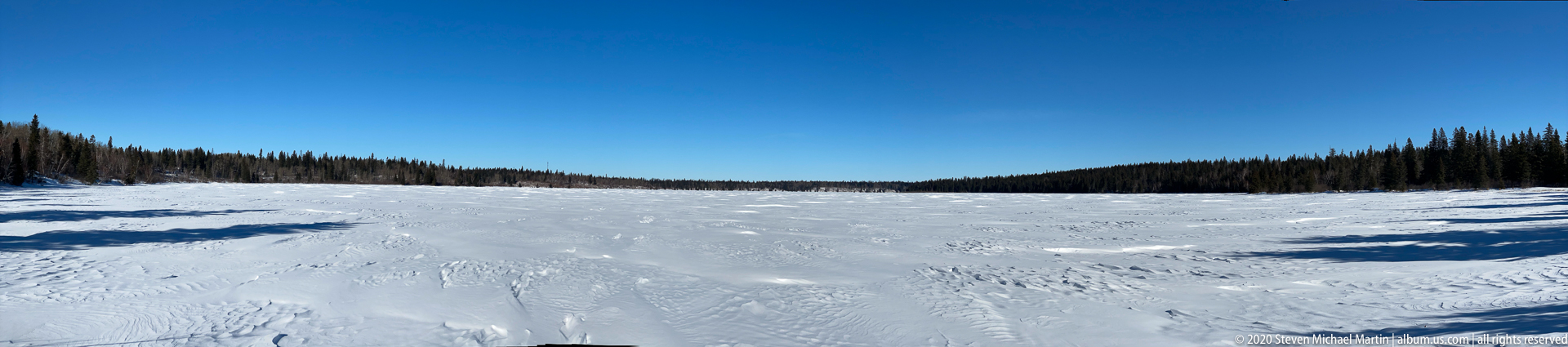
Riding Mountain National Park
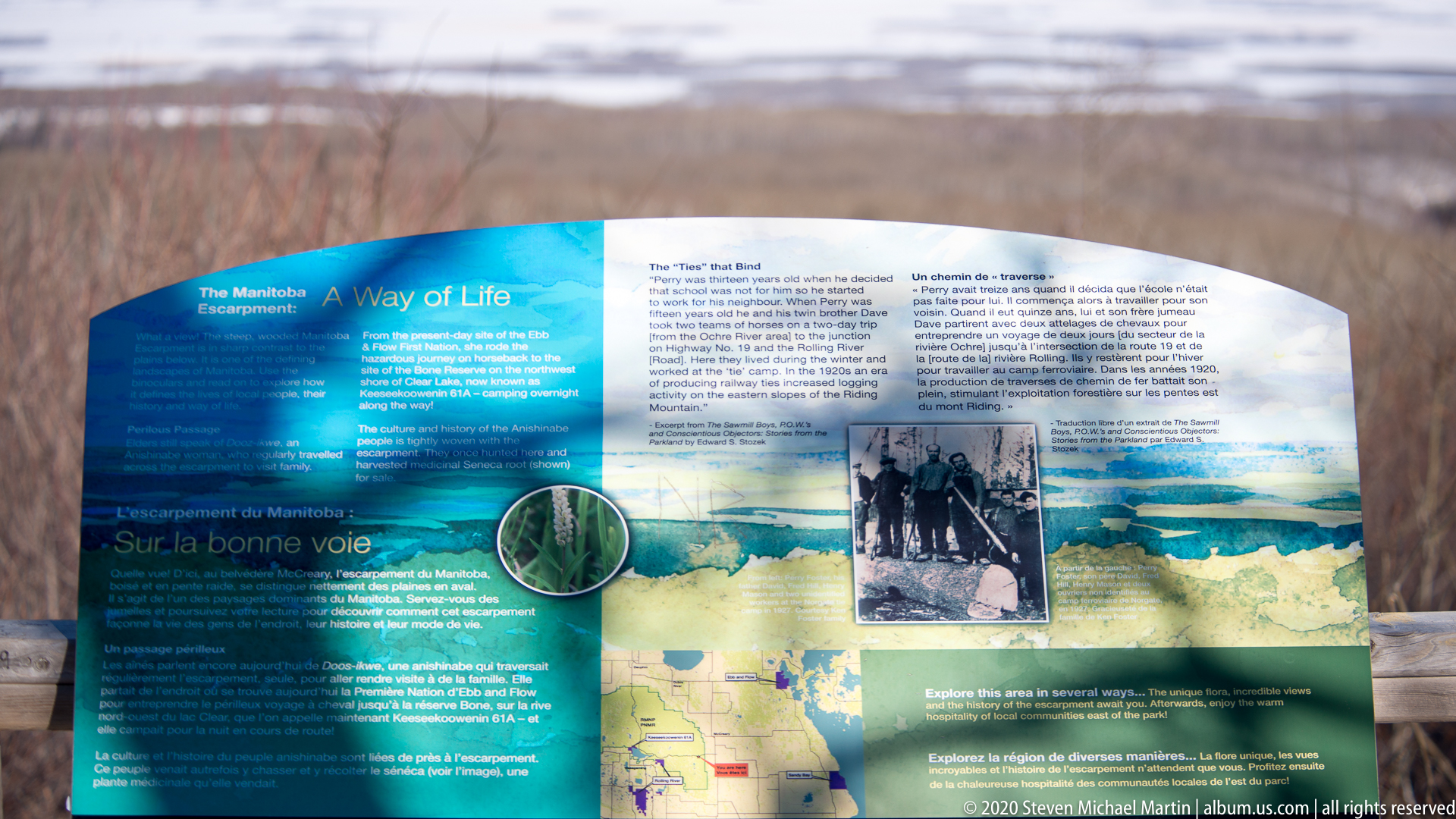
Riding Mountain National Park preserves a unique natural environment rising above the surrounding prairie landscape, where forested uplands form an ecological transition between grassland and boreal forest regions. Located along the Manitoba Escarpment, the park protects a diverse range of habitats that differ significantly from the agricultural plains that surround it. This variation in elevation and vegetation creates an “island” of forest within a broader prairie environment, illustrating how geological history influences regional ecosystems.
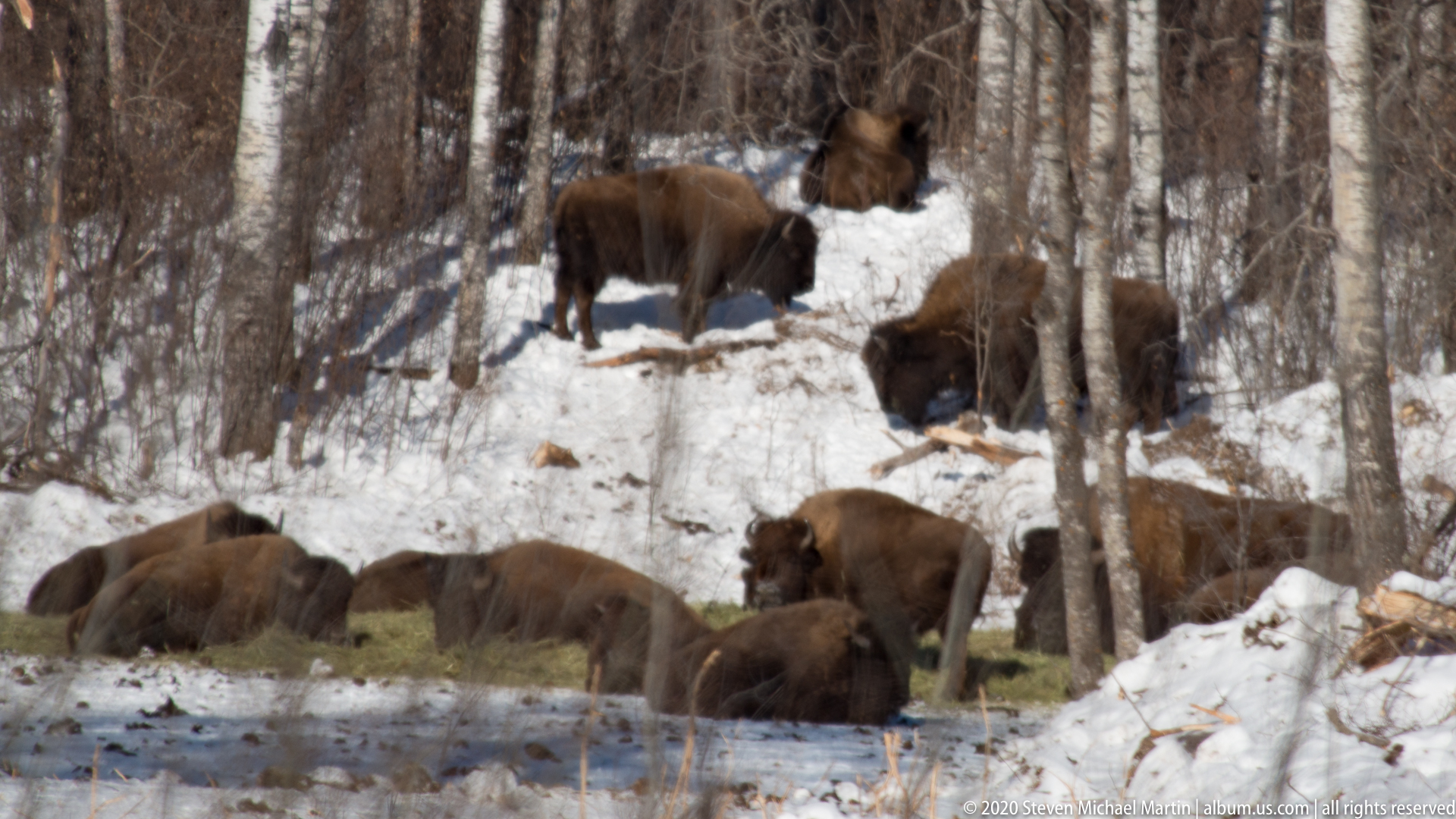
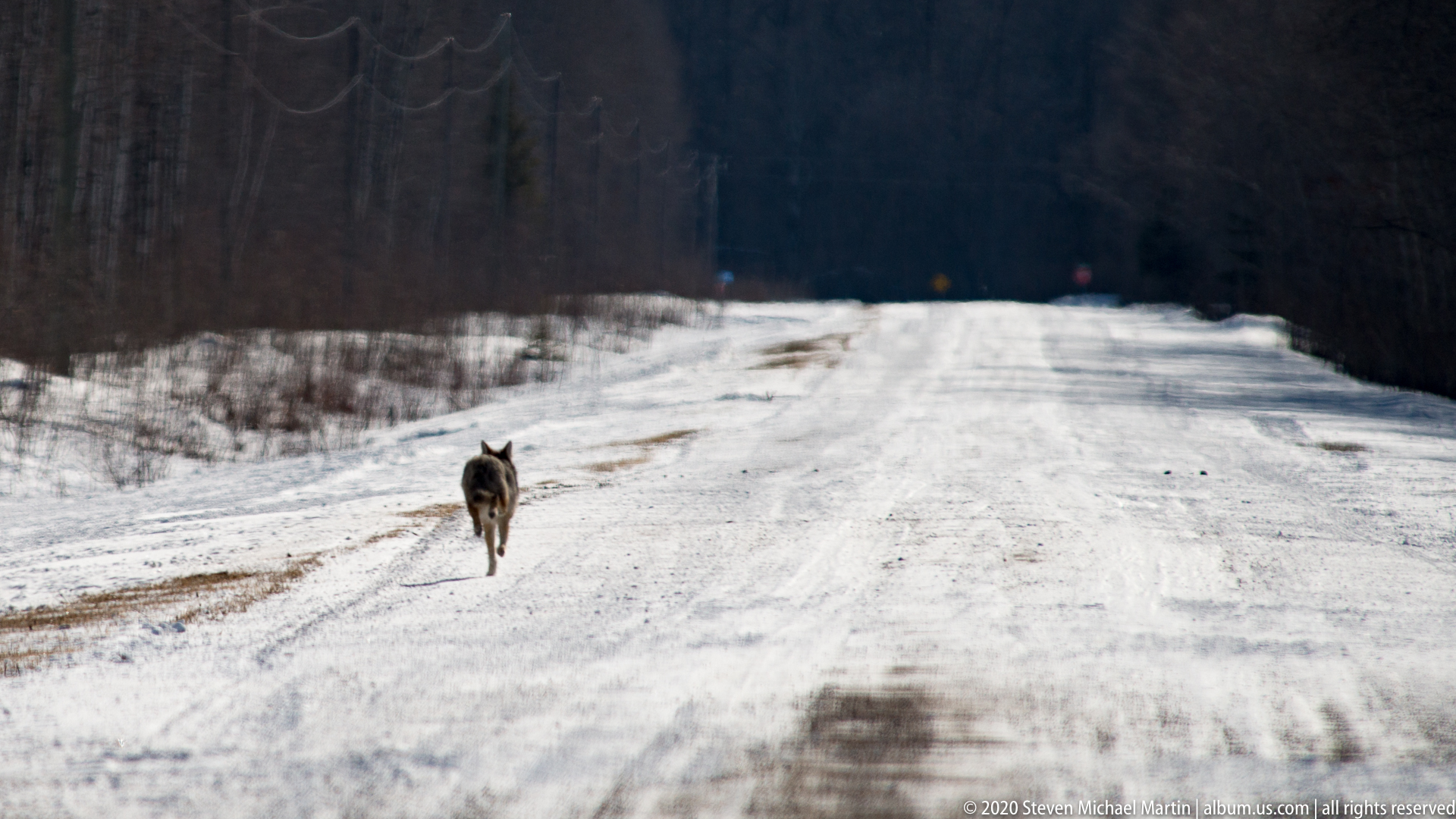
The park supports multiple ecological zones, including grasslands, deciduous forests, wetlands, and boreal forest environments that provide habitat for wildlife such as elk, moose, wolves, and black bears. The convergence of these ecosystems contributes to the designation of Riding Mountain as part of a UNESCO Biosphere Reserve, recognizing its importance for conservation and ecological research.
Riding Mountain illustrates how protected landscapes preserve biodiversity within regions shaped by agriculture and human settlement. Lakes, forests, and rolling terrain provide contrast to the surrounding prairie environment, demonstrating how variations in elevation and climate create diverse ecological conditions within relatively short geographic distances. The park offers insight into the natural environments that once extended more broadly across central Canada before large-scale agricultural development transformed much of the prairie landscape.