Gdańsk World War II Museum – Gdańsk, Poland
The Museum of the Second World War in Gdańsk stands near the banks of the Motława River in a city deeply connected to the origins of the war. In September 1939, the nearby Westerplatte peninsula became the site of one of the first battles of World War II when German forces attacked Polish defenses stationed there.
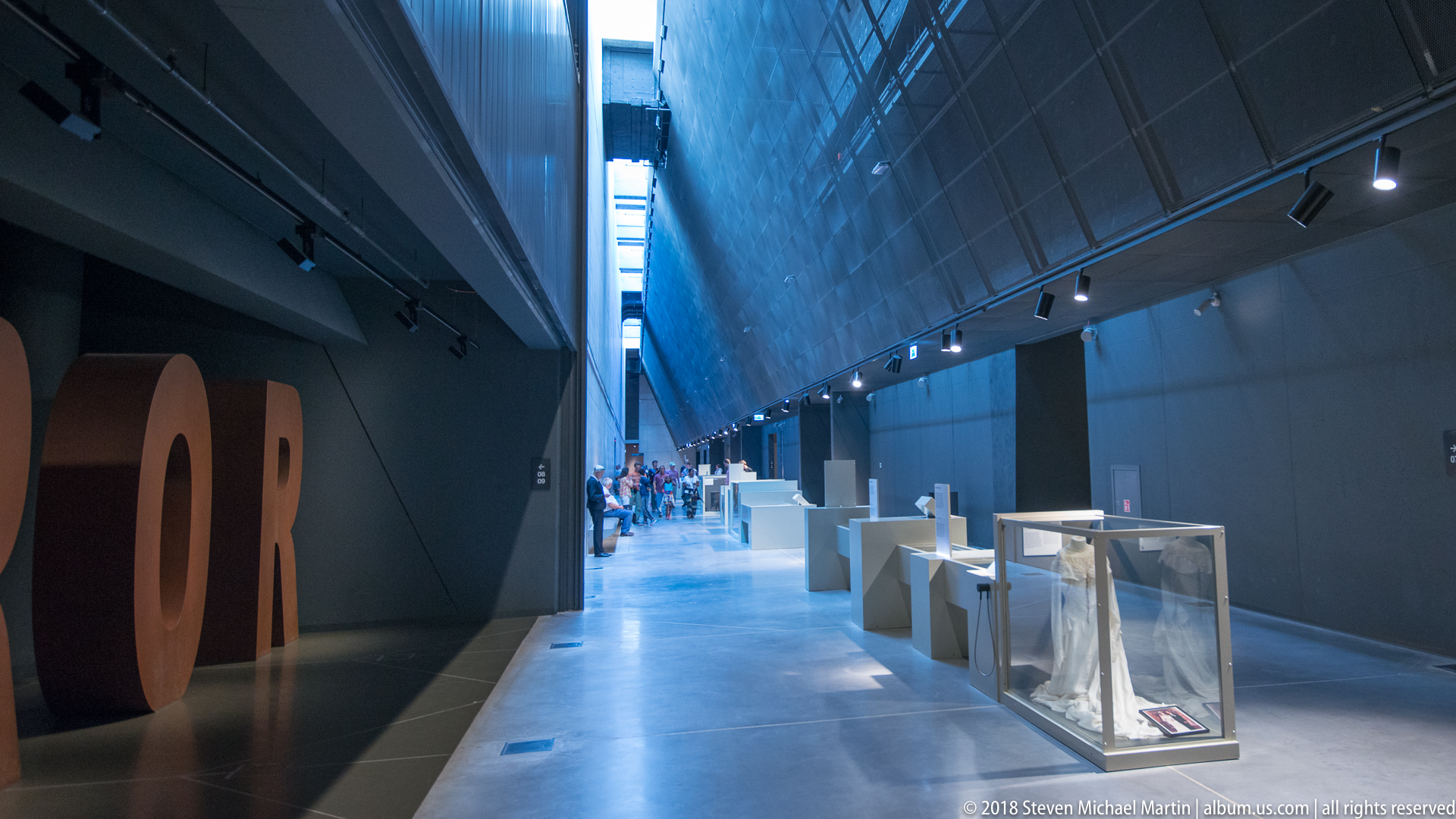
The museum presents a comprehensive examination of the global conflict, with exhibitions that explore the political, military, and human dimensions of the war. Artifacts, documents, and multimedia displays illustrate the experiences of civilians and soldiers across Europe and beyond.
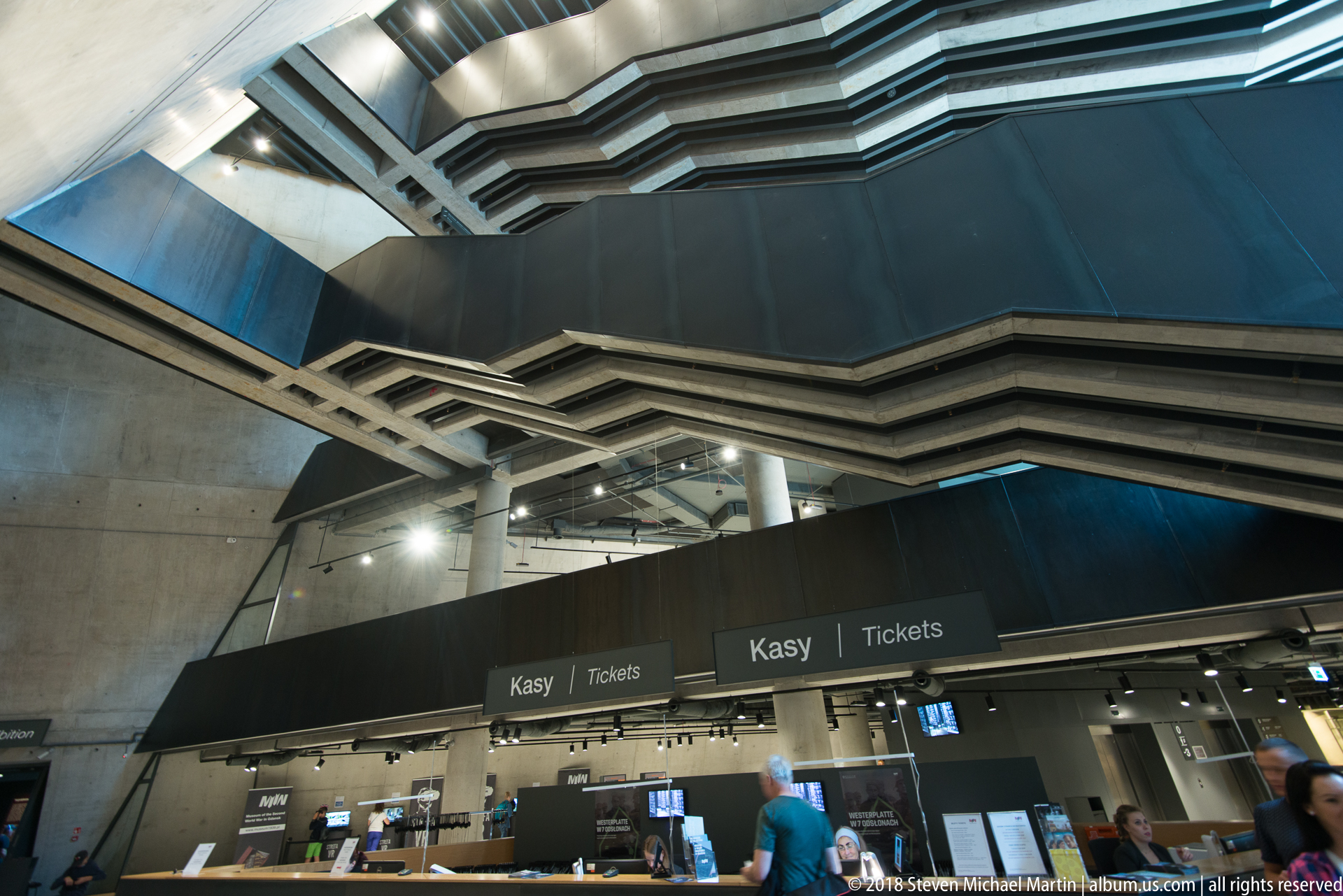
The striking modern architecture of the museum contrasts with the historic surroundings of Gdańsk, symbolizing the continuing importance of remembering the events that shaped the modern world.






⭐ Highlights
- One of the Largest WWII Museums: The main exhibition is one of the largest historical museum displays in the world.
- Global Perspective: The museum presents the war through both international history and individual human experience.
- Gdańsk Setting: The museum stands in a city closely tied to the opening chapter of the war in Europe.
- Immersive Exhibition Design: Objects, reconstructions, documents, and multimedia displays create a highly atmospheric experience.
- Civilian Focus: The exhibition pays particular attention to everyday life, occupation, violence, and survival.
- Modern Landmark: The museum’s angular tower has become one of the most recognizable contemporary buildings in Gdańsk.
🏛️ Gdańsk WWII Museum Field Guide
Major features observed during this visit:
The Museum of the Second World War in Gdańsk is one of Europe’s most ambitious historical museums. Its permanent exhibition presents the history of the war through a combination of military events, political change, and the lived experiences of civilians, prisoners, soldiers, and occupied societies. The museum’s location in Gdańsk gives it added significance because the region is closely associated with the beginning of the war in September 1939.
🏛️ Signature Features
- Main Exhibition – A large permanent exhibition organized around the causes, course, and consequences of the war.
- Immersive Displays – Reconstructions, artifacts, documents, and multimedia presentations shape the visitor experience.
- Architectural Tower – A striking modern structure rising above the surrounding urban landscape.
- Human Stories – The exhibition emphasizes personal experiences alongside political and military events.
- Chronological Flow – Galleries guide visitors through the war from prewar tensions to postwar outcomes.
🧠 Historical Significance
- Modern Historical Institution – Created to present a major museum dedicated to the history of the Second World War.
- Gdańsk Context – Its location connects the museum to the broader story of the war’s outbreak in Poland.
- International Scope – The museum presents the war through both national and global perspectives.
- Civilian Experience – A major strength of the museum is its attention to how ordinary people experienced the war.
🌄 Setting & Experience
- Modern Urban Site – The building stands near the historic center of Gdańsk.
- Descending Exhibition Path – Much of the main exhibition is located below ground, creating a focused atmosphere.
- Large-Scale Interpretation – The museum combines objects, sound, design, and narrative to create an emotionally powerful visit.
- Architectural Contrast – Contemporary museum design stands in dialogue with the layered history of Gdańsk.