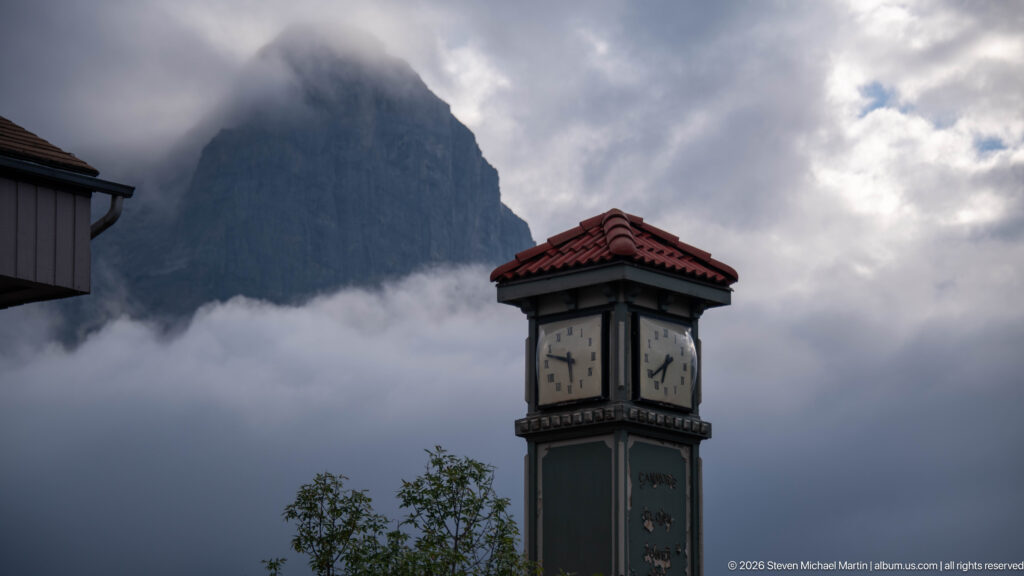
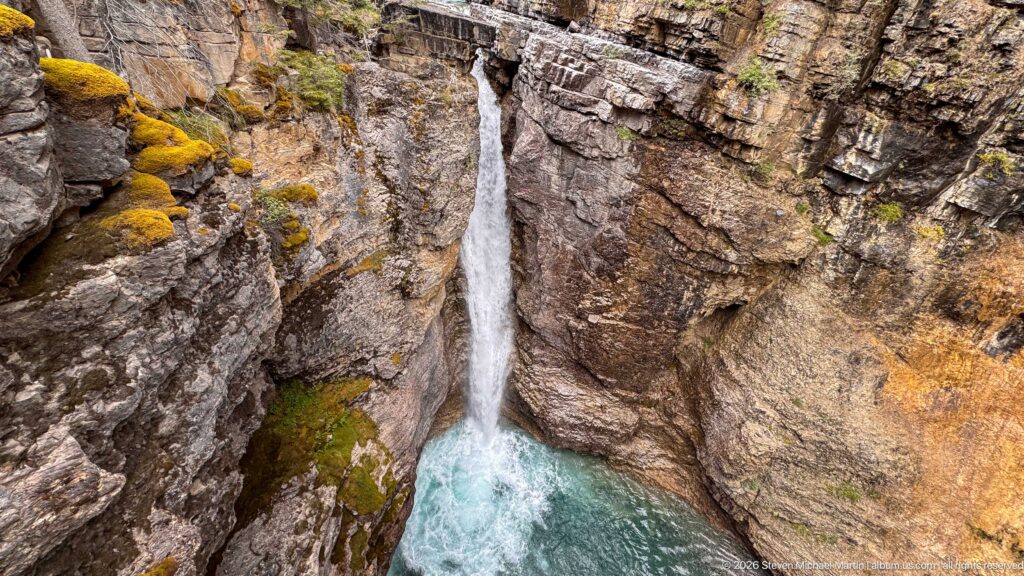
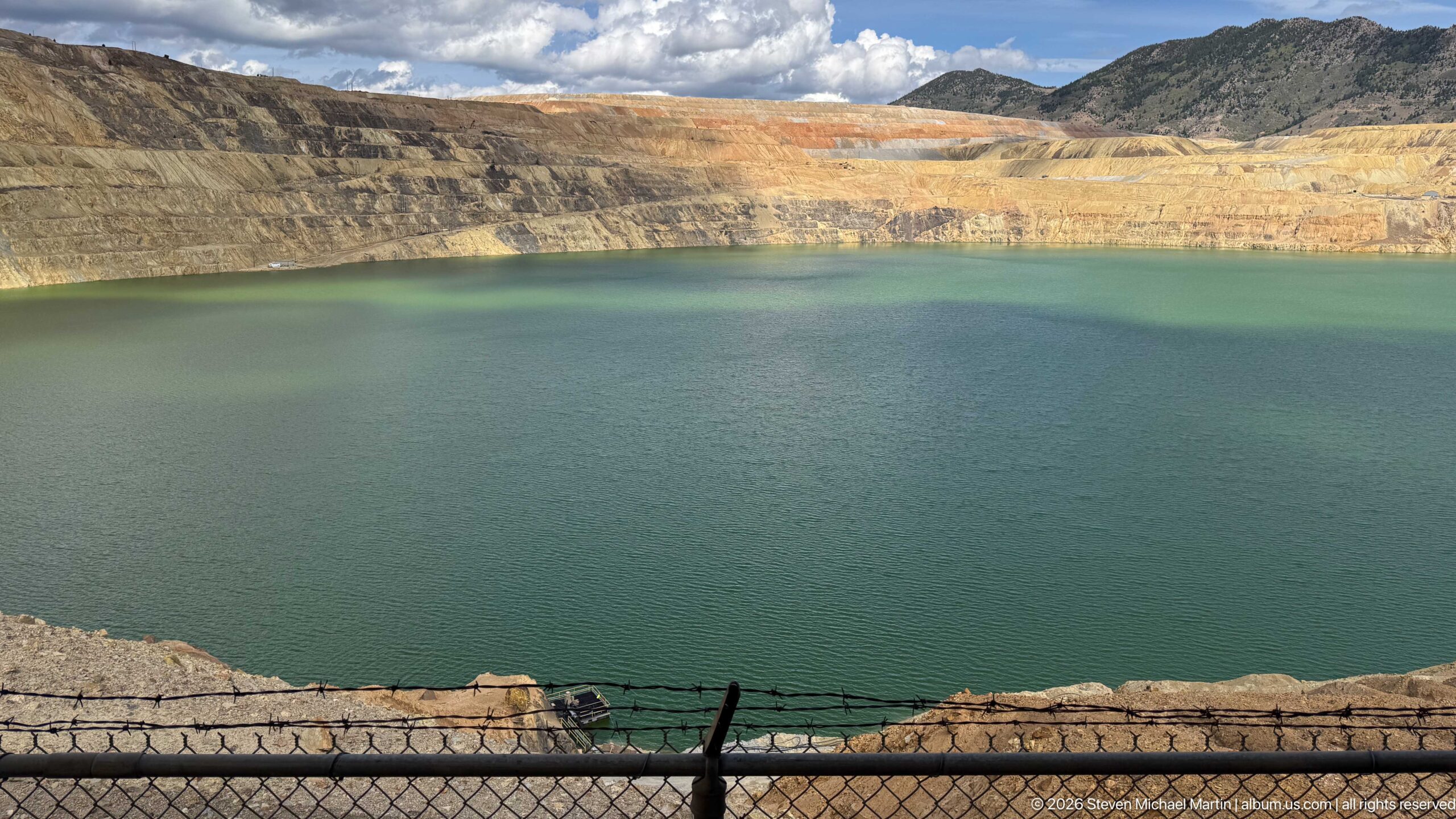
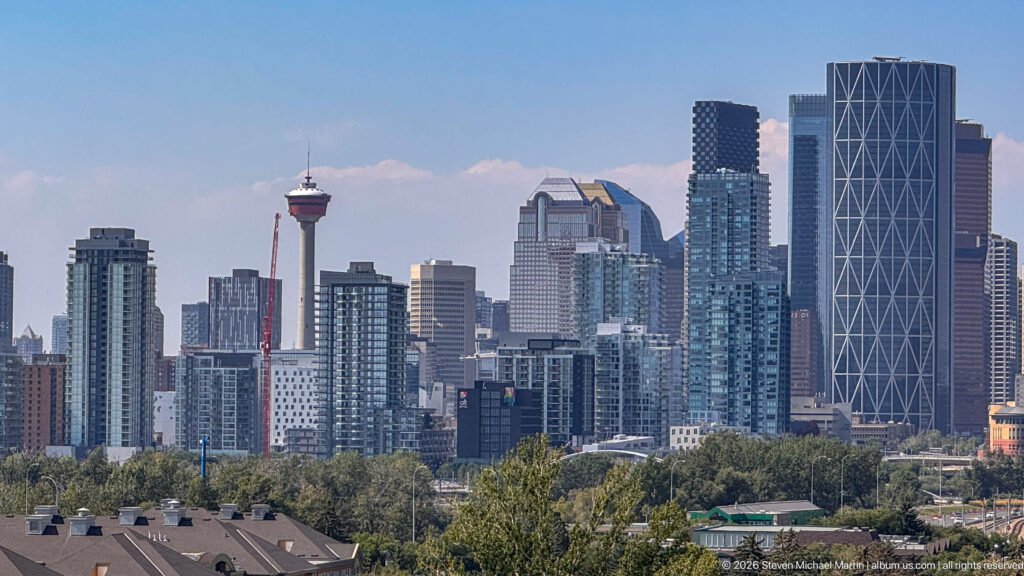
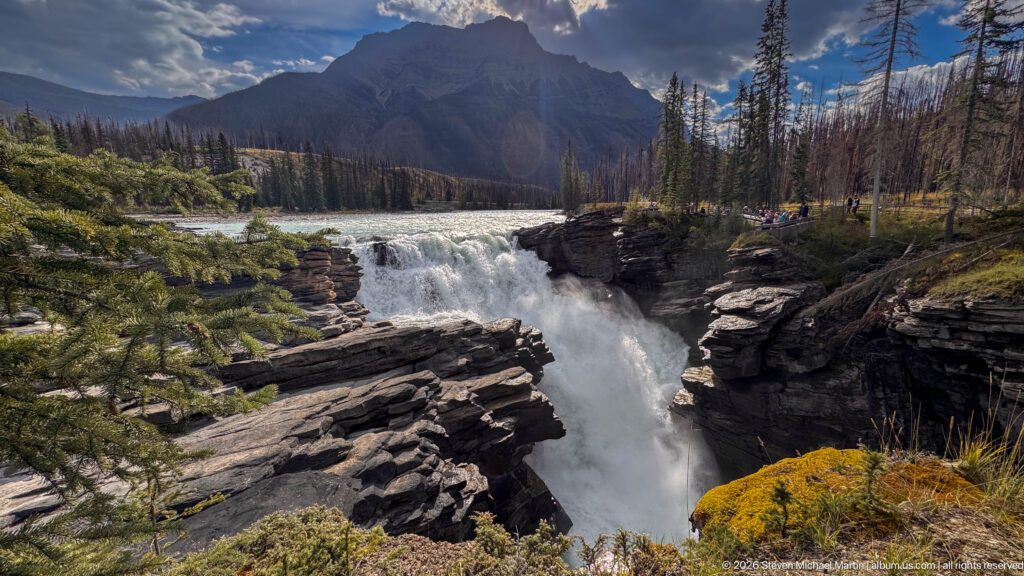
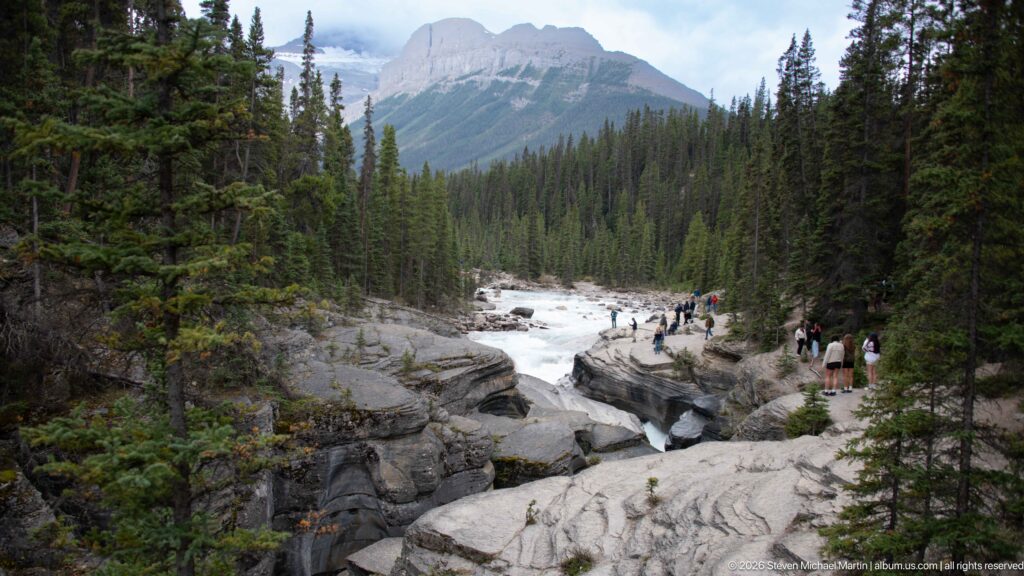
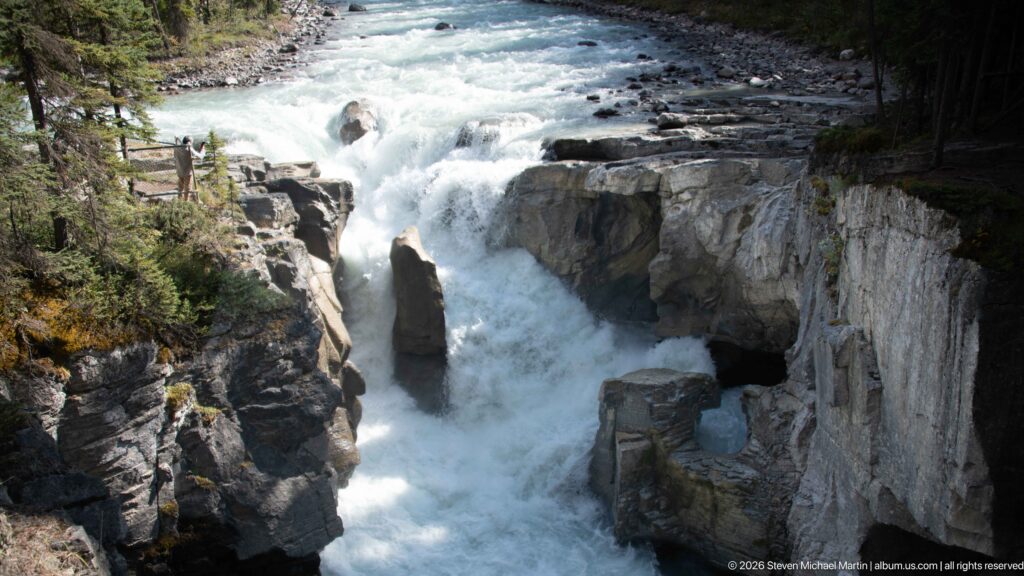
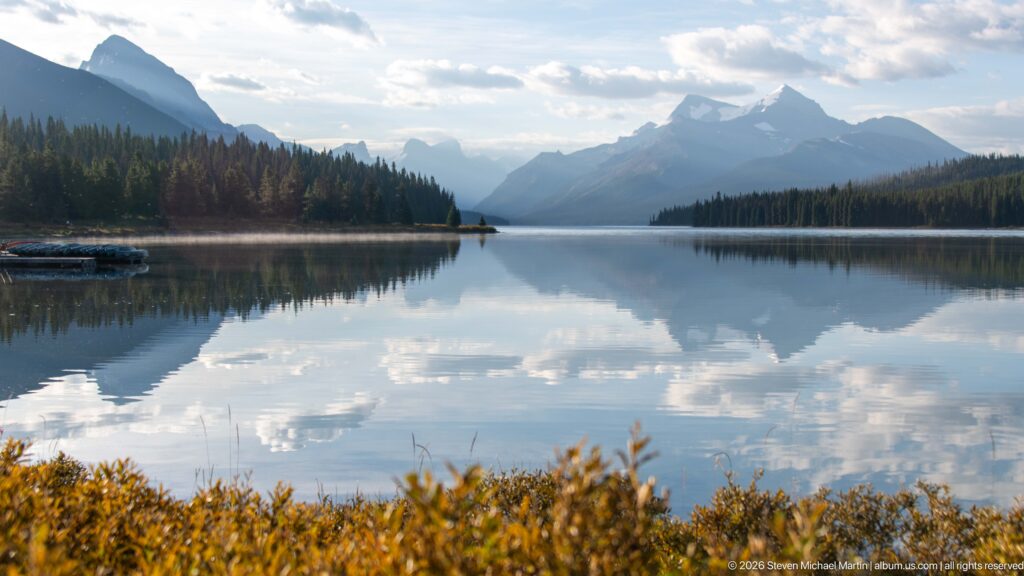
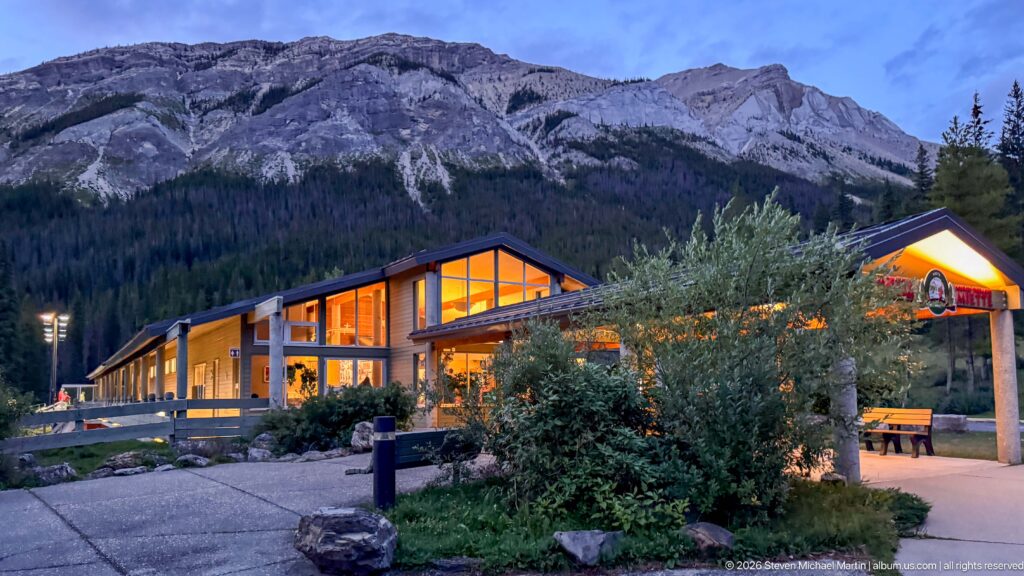
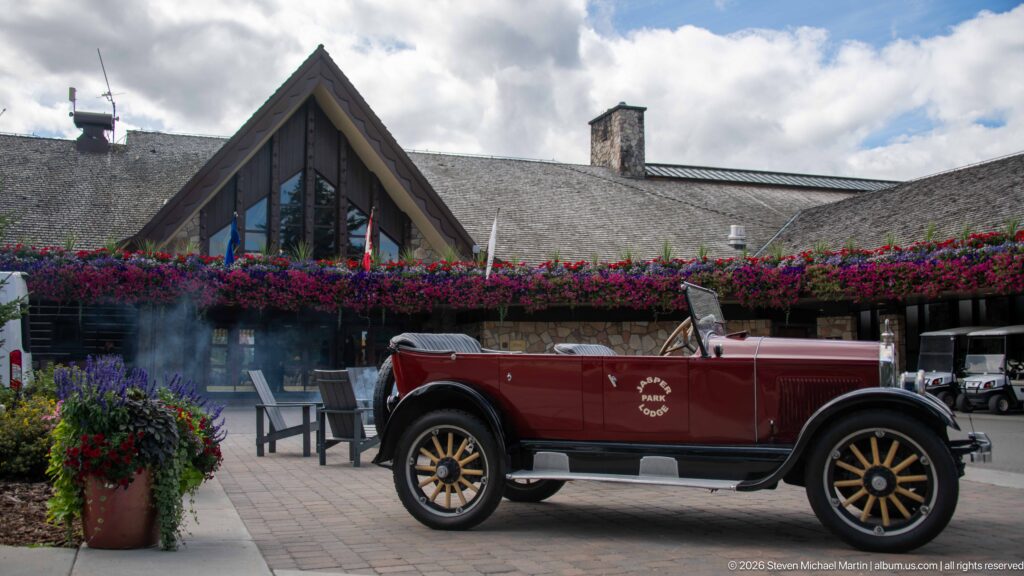
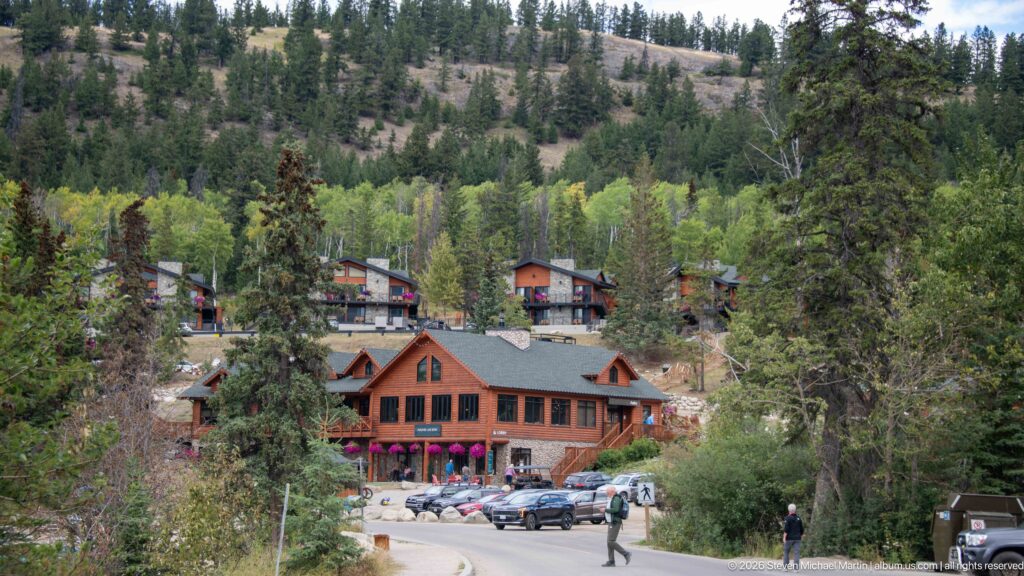
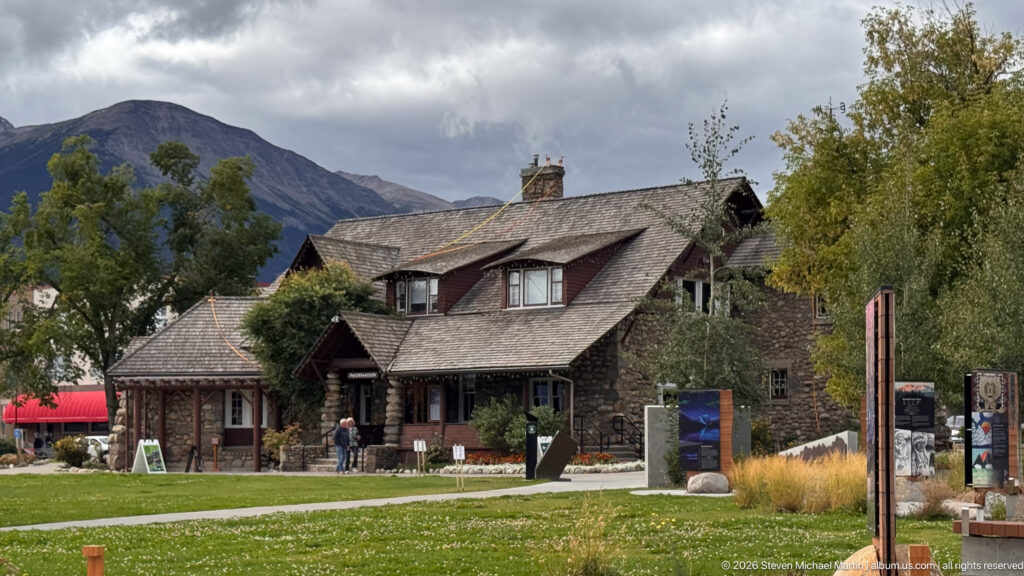
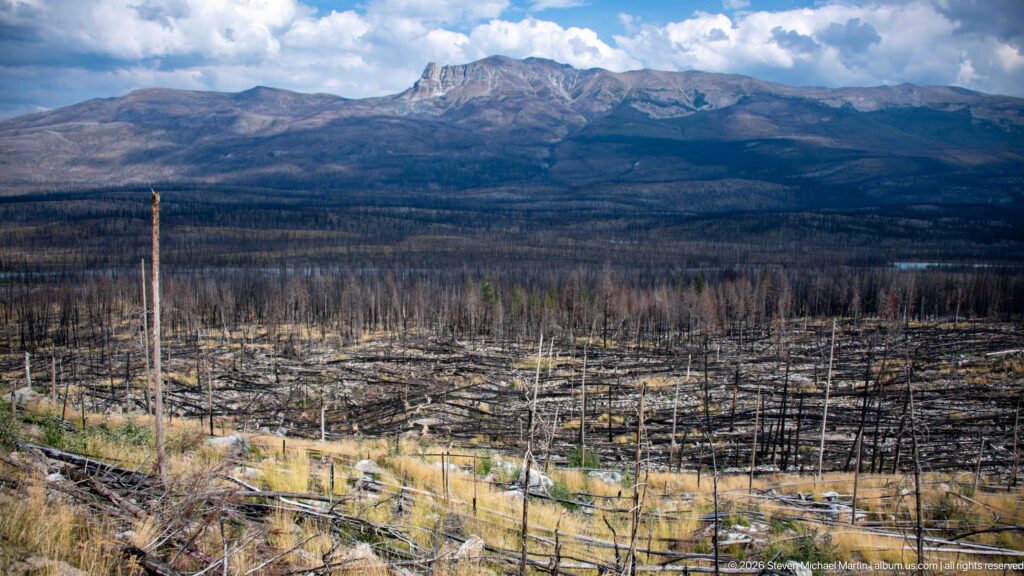
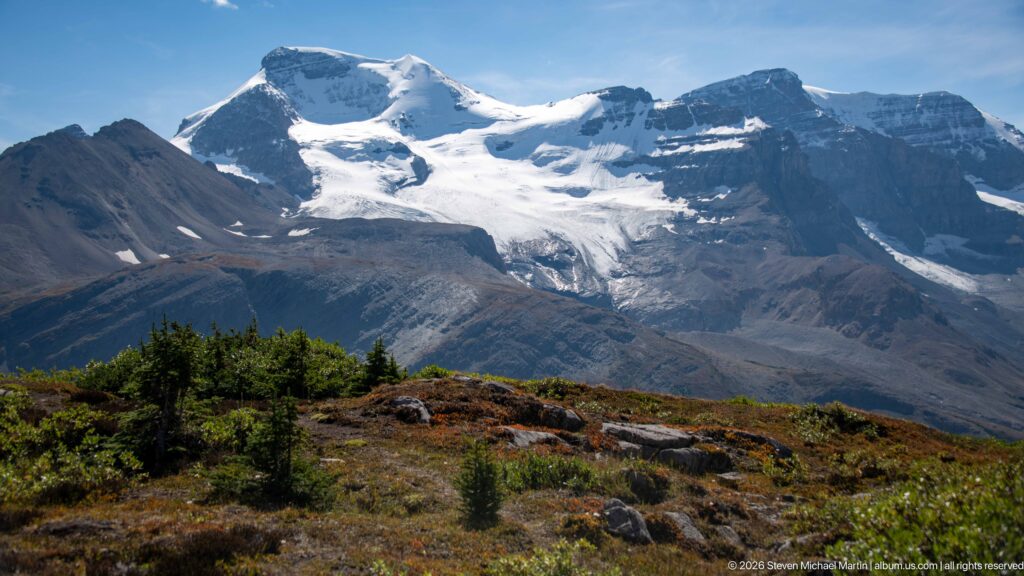
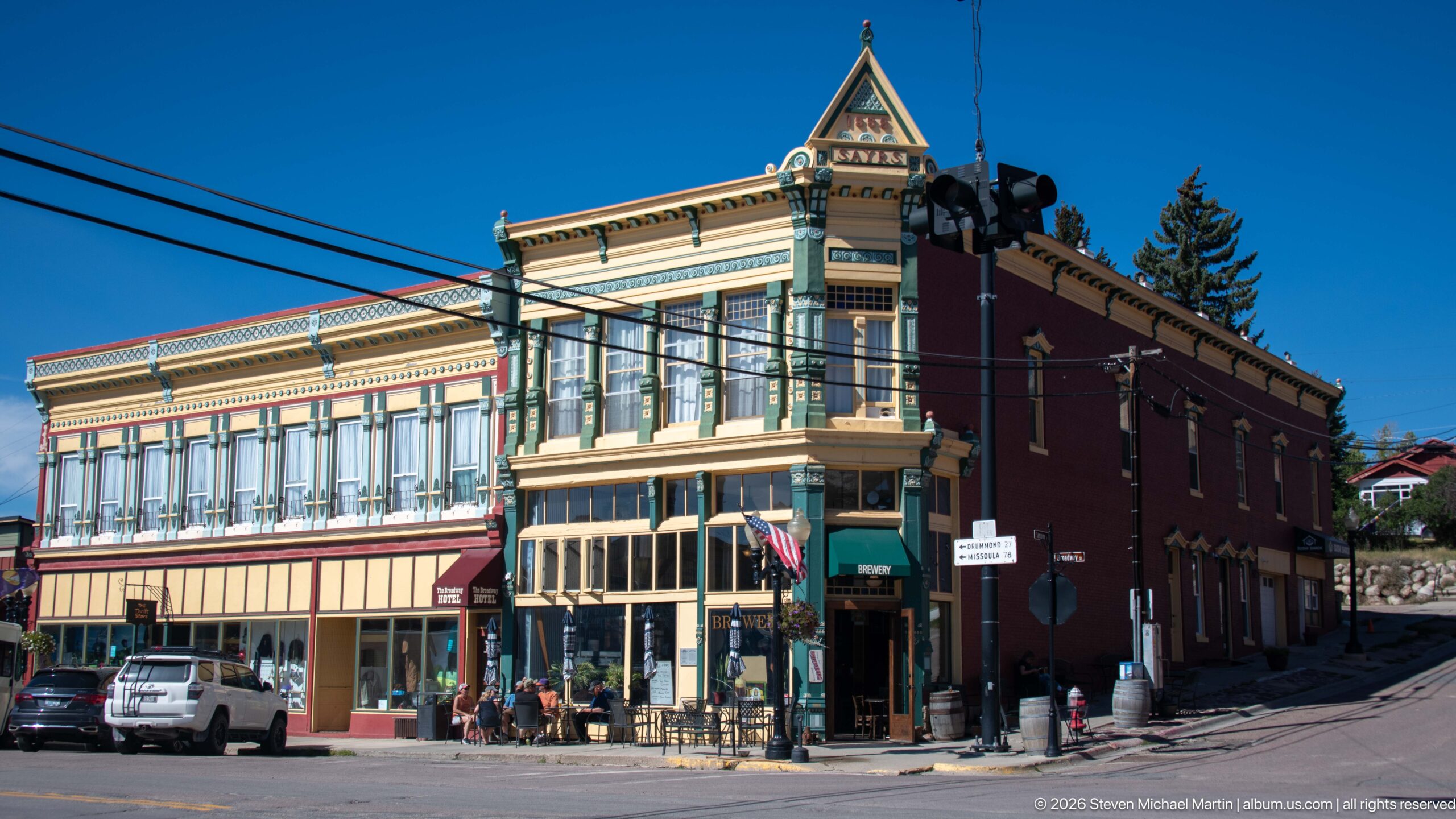
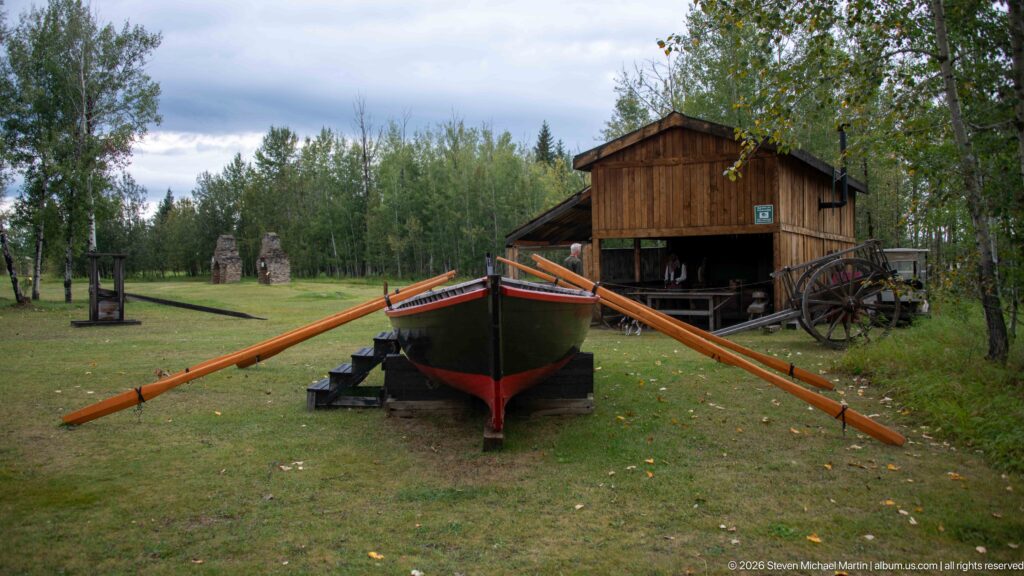
An extended road trip through Alberta and Montana, following the Canadian Rockies from Calgary and the historic fur-trade country of central Alberta through Jasper, the Icefields Parkway, Banff, Waterton Lakes, Glacier National Park, and the historic mining towns of western Montana.
Calgary provided the eastern gateway to a journey that quickly left the plains for the mountains. After exploring the sandstone architecture and historic commercial streets of Calgary, the route turned northwest toward Rocky Mountain House National Historic Site, where the North Saskatchewan River once carried Indigenous travelers, fur traders, and explorers toward the Continental Divide. From there, the road entered Jasper National Park, where several days allowed the landscape to unfold beyond the main highway: the mountain setting of Jasper Town, the lakes and wildlife of the Maligne Valley, Pyramid Lake, Miette Hot Springs, and the alpine country around Wilcox Pass.
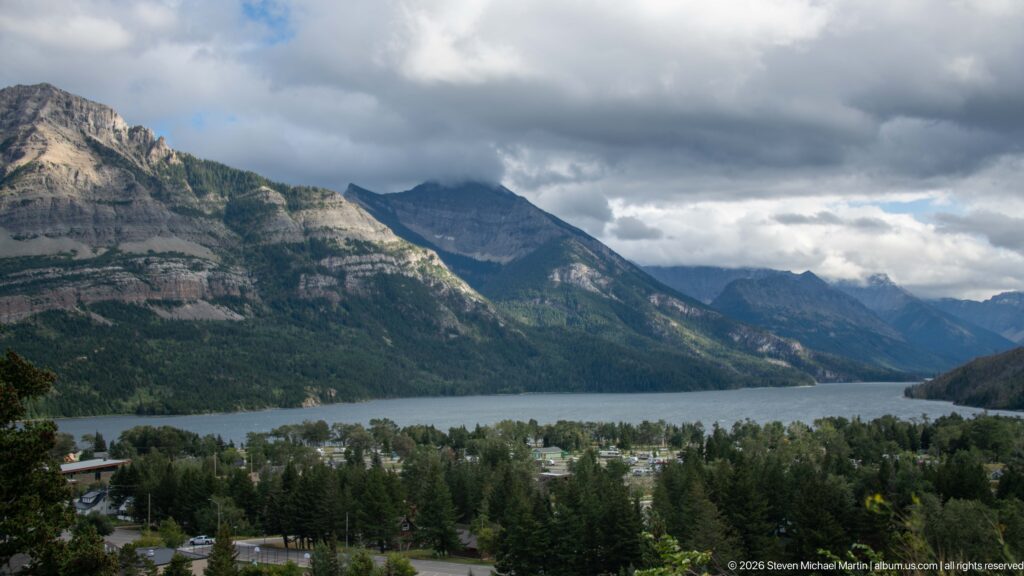
Rather than ending in Banff, the route continued south through the changing landscape of the Rocky Mountain Front to Waterton Lakes National Park, where prairie meets mountain almost without transition and the Prince of Wales Hotel overlooks Upper Waterton Lake. Crossing the international border carried the same mountain system into Glacier National Park, following the Going-to-the-Sun Road past Lake McDonald and its historic Lake McDonald Lodge before reaching the dramatic northeastern side of the park along Many Glacier Road and Many Glacier Lodge. The final portion of the journey left the national parks for western Montana, where Garnet Ghost Town, Philipsburg, and the immense Berkeley Pit at Butte shifted the story from glaciers and wildlife to the mining history and historic communities that developed among these same mountains.
Butte Berkeley Pit The Berkeley Pit cuts into the eastern edge of Butte, Montana, as one of the most dramatic remnants of the city’s extraordinary copper-mining era. Opened by the Anaconda Company in 1955, the enormous open-pit mine represented a fundamental shift from the underground workings that had honeycombed Butte…
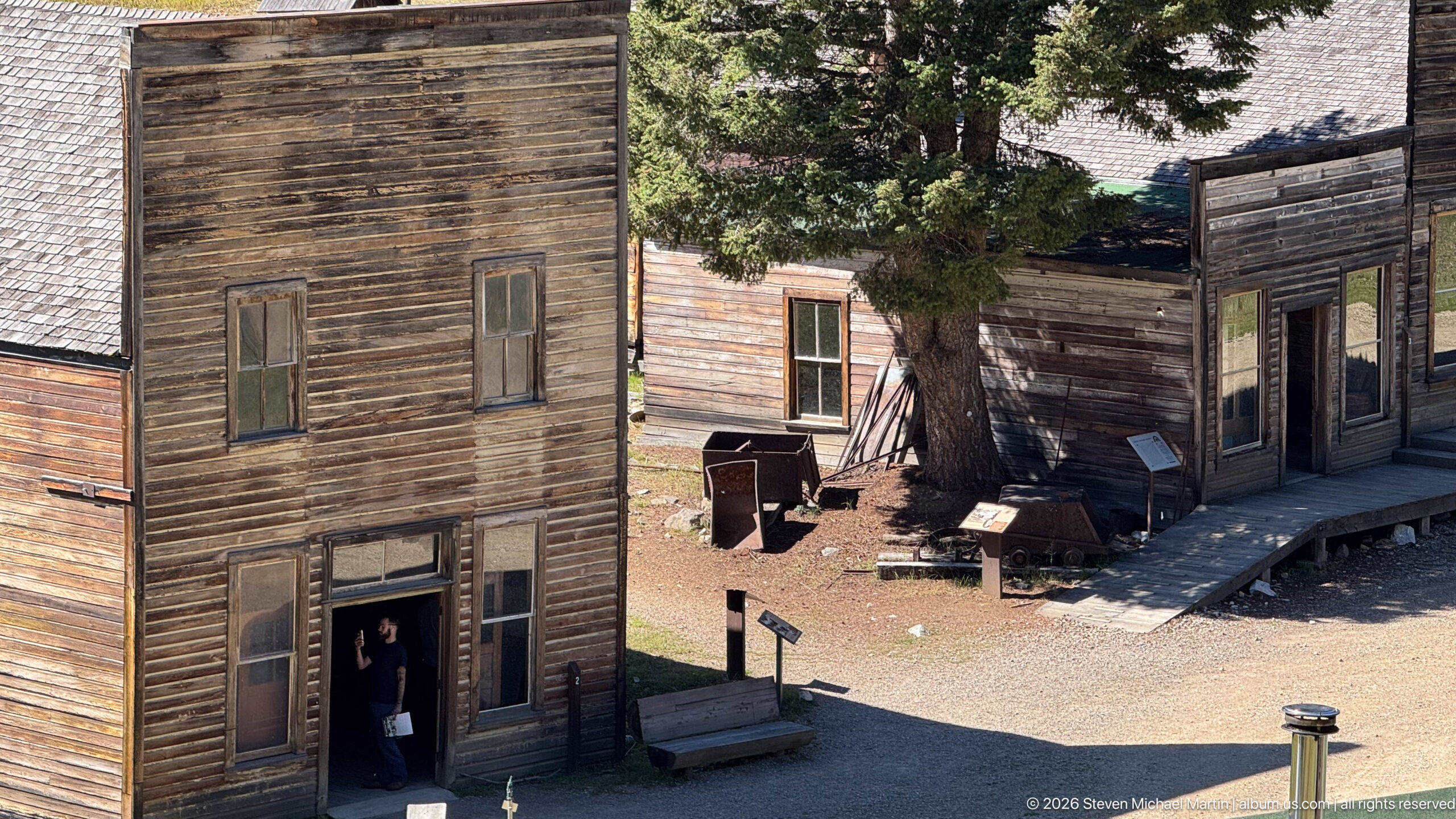
Garnet Ghost Town Introduction High in the forested Garnet Range of western Montana, Garnet Ghost Town preserves one of the state’s most complete surviving gold-mining communities. Gold had been discovered in the surrounding mountains by the 1860s, but Garnet itself took shape during the mining revival of the 1890s, when…
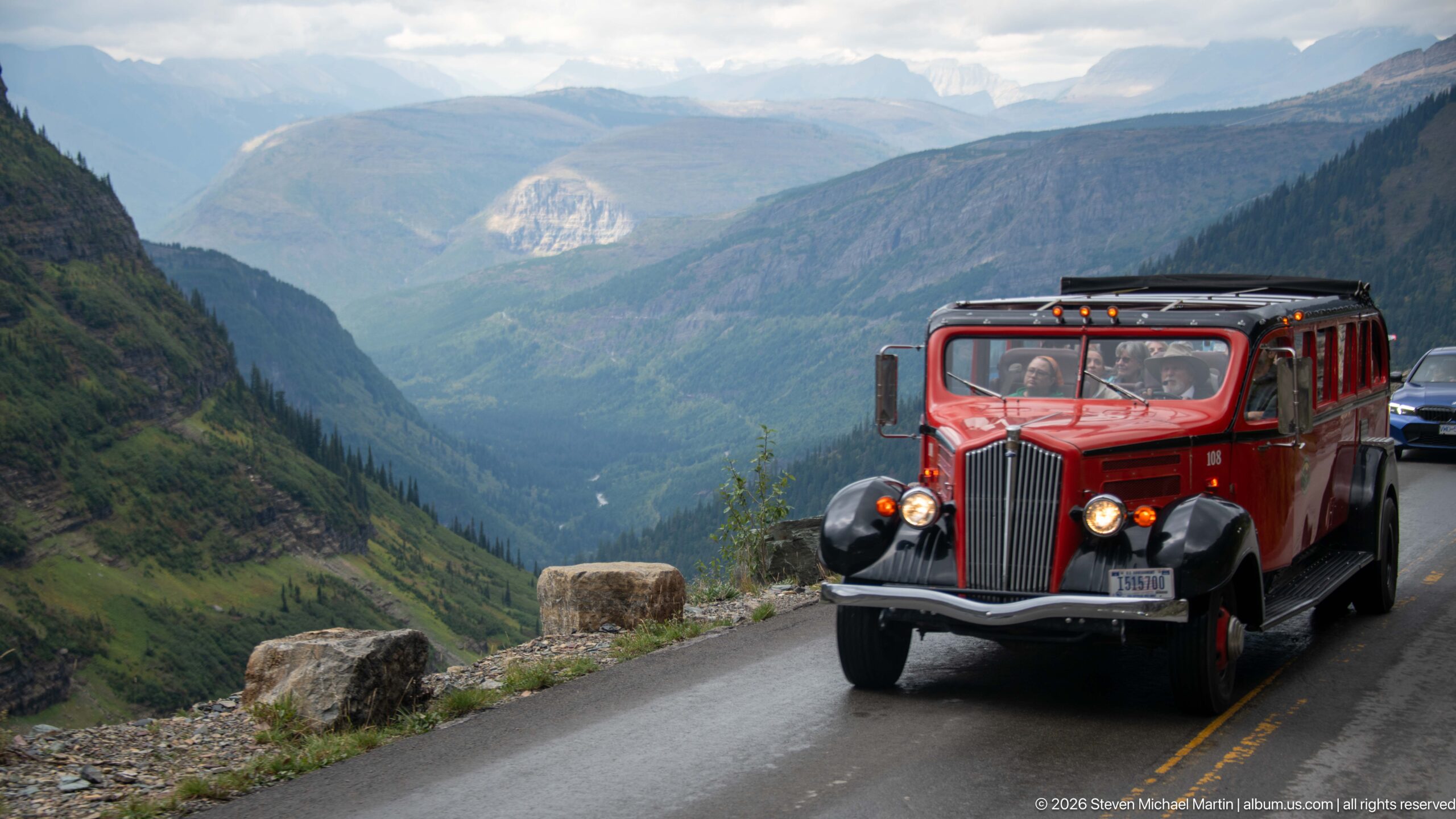
Glacier NP - Going to the Sun Road Introduction Going-to-the-Sun Road is the defining journey through Glacier National Park, crossing the northern Rocky Mountains from the forests and lakes of the park’s western valleys to the open landscapes of the east side. Nearly 50 miles long, the road follows Lake…
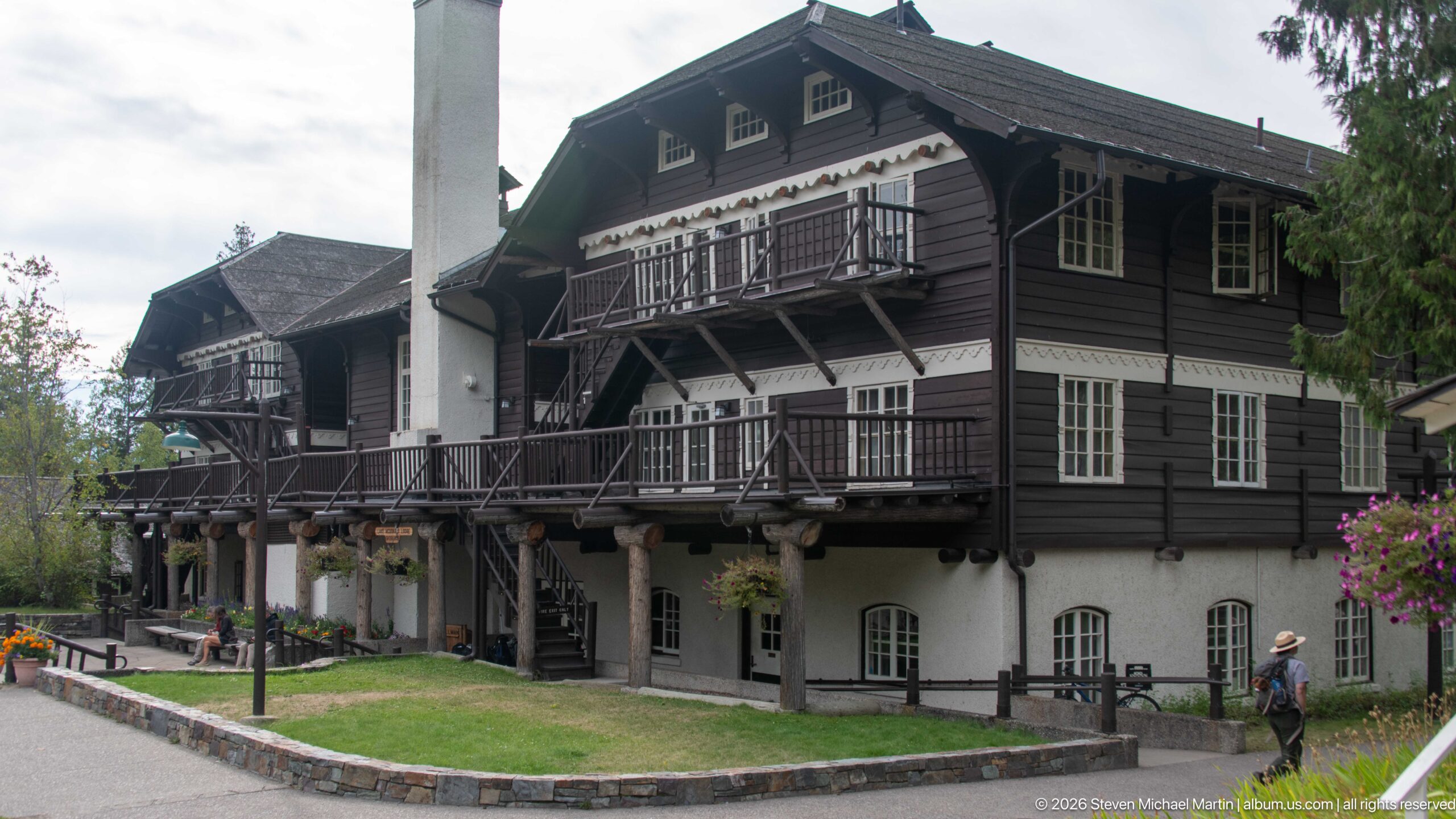
Glacier NP - Lake McDonald Lodge Lake McDonald Lodge stands along the eastern shore of Lake McDonald, where dense forests descend from Glacier National Park’s mountains to the largest lake in the park. Built during the winter of 1913–1914, the lodge belongs to the formative era when visitors were beginning…
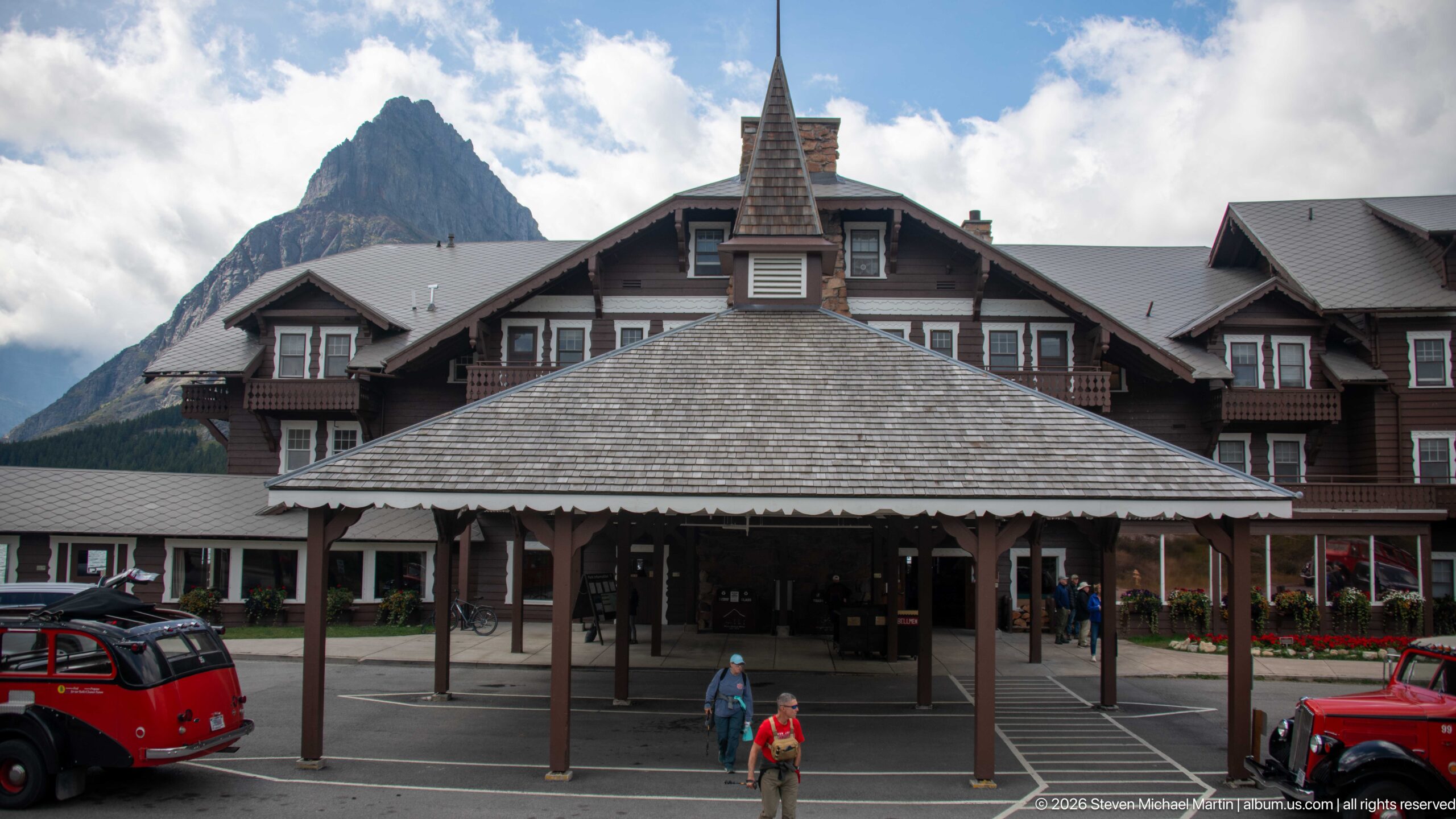
Glacier NP - Many Glacier Lodge Introduction Set along the shore of Swiftcurrent Lake beneath the dramatic peaks of Glacier National Park’s Many Glacier Valley, Many Glacier Hotel occupies one of the park’s most spectacular settings. The broad, Swiss-inspired building seems almost improbably placed between the water and the mountains,…
Glacier NP - Many Glacier Road Introduction Many Glacier Road is more than an approach to one of Glacier National Park’s most celebrated valleys—it is a gradual transition from the open country of the Blackfeet Reservation into a landscape enclosed by some of the park’s most dramatic mountains. Beginning near…
Jasper Whirlpool Valley Introdcution The Whirlpool Valley extends southwest through Jasper National Park, following the glacier-fed Whirlpool River through a […]
Philipsburg, MT Introduction Philipsburg, Montana, preserves one of the state’s most engaging historic commercial districts, a remarkably intact reminder of the mining economy that brought permanent settlement to this part of the Flint Creek Valley. Founded during the silver boom of the 1860s and named for mining engineer Philip Deidesheimer,…
The route began in Calgary, Alberta, before turning northwest through Rocky Mountain House and continuing west into Jasper National Park. Jasper served as the first major base, with excursions through the Maligne Valley, Pyramid Lake, Miette Hot Springs, the Athabasca River corridor, Jasper Park Lodge, and the surrounding mountain valleys.
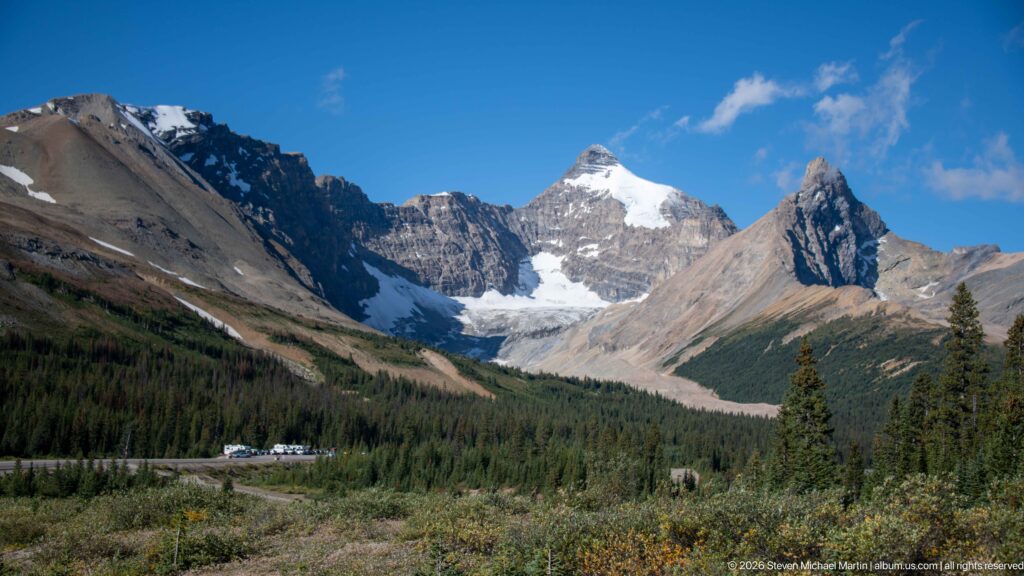
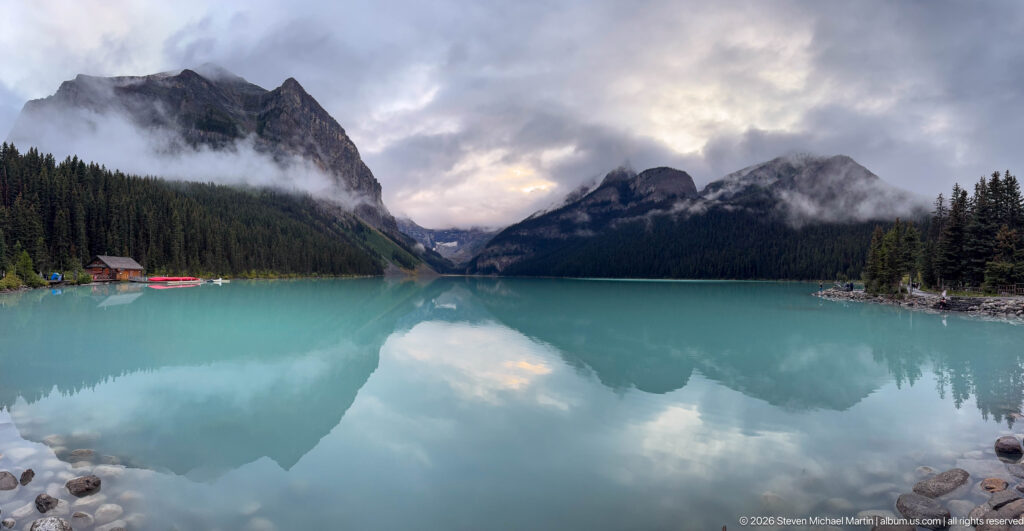
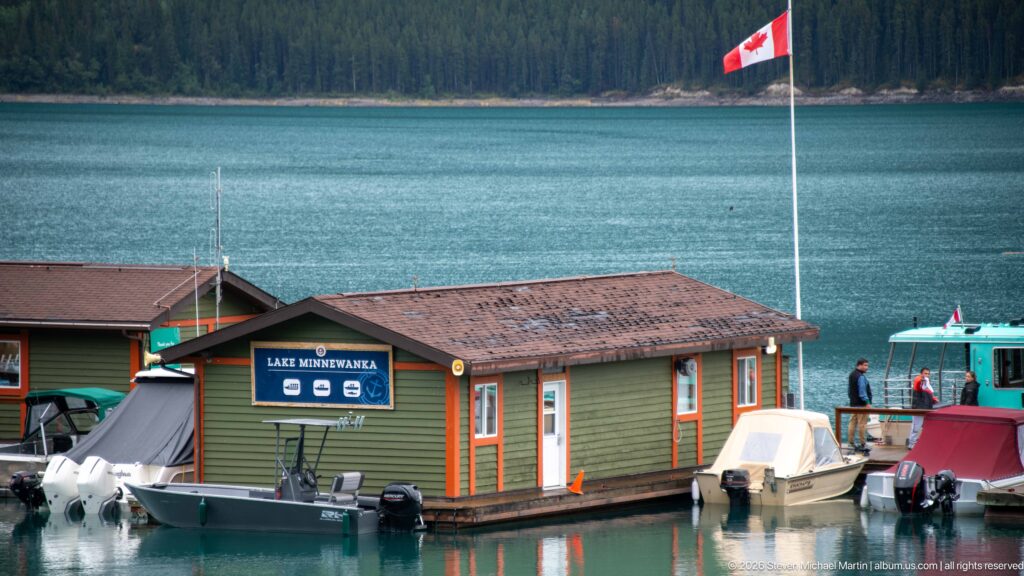
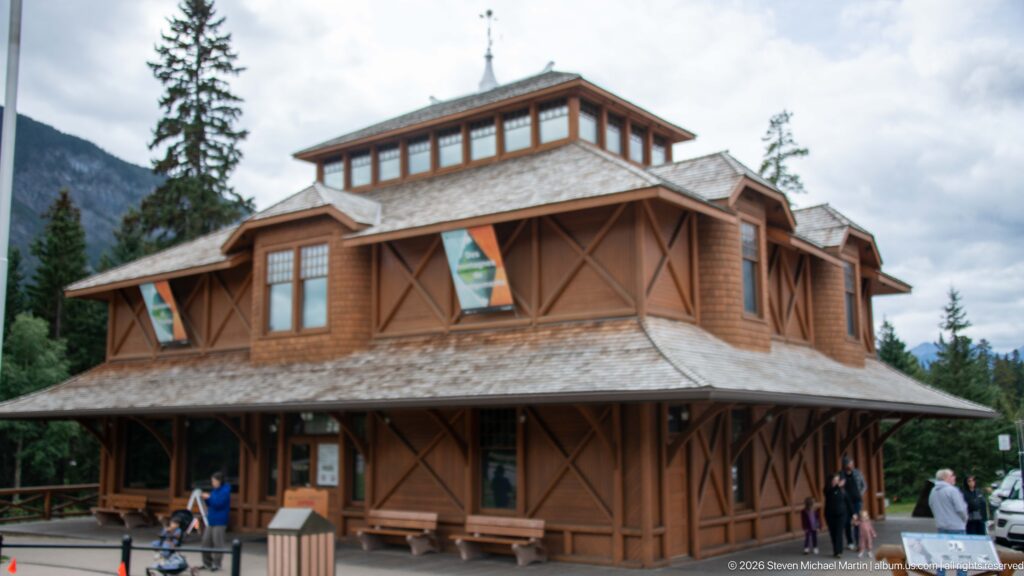
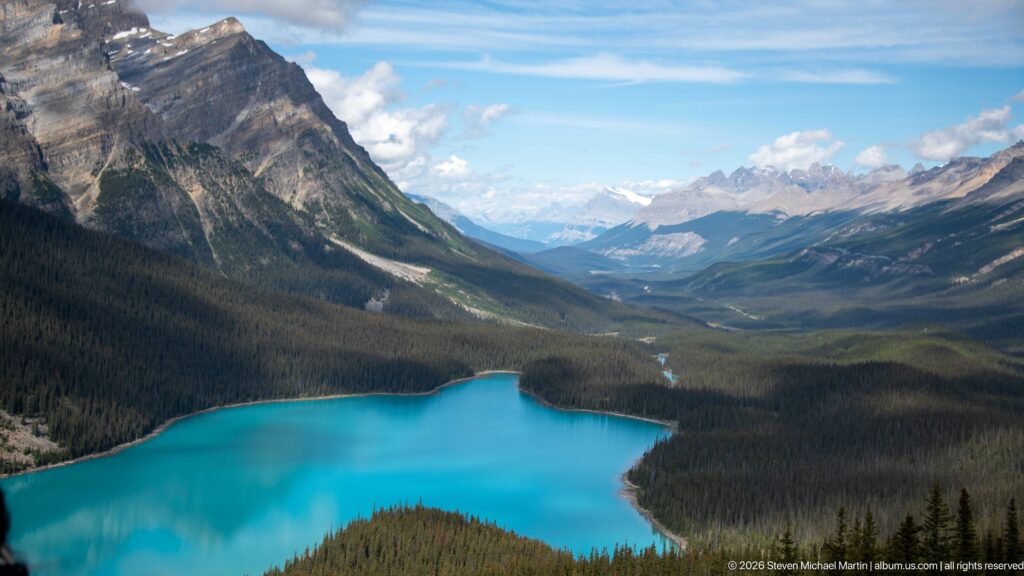
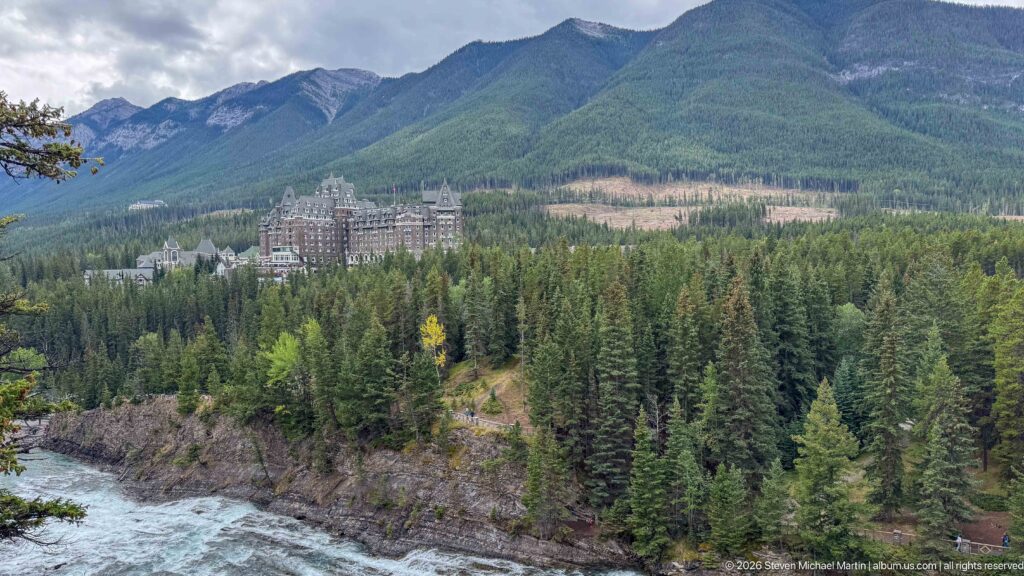
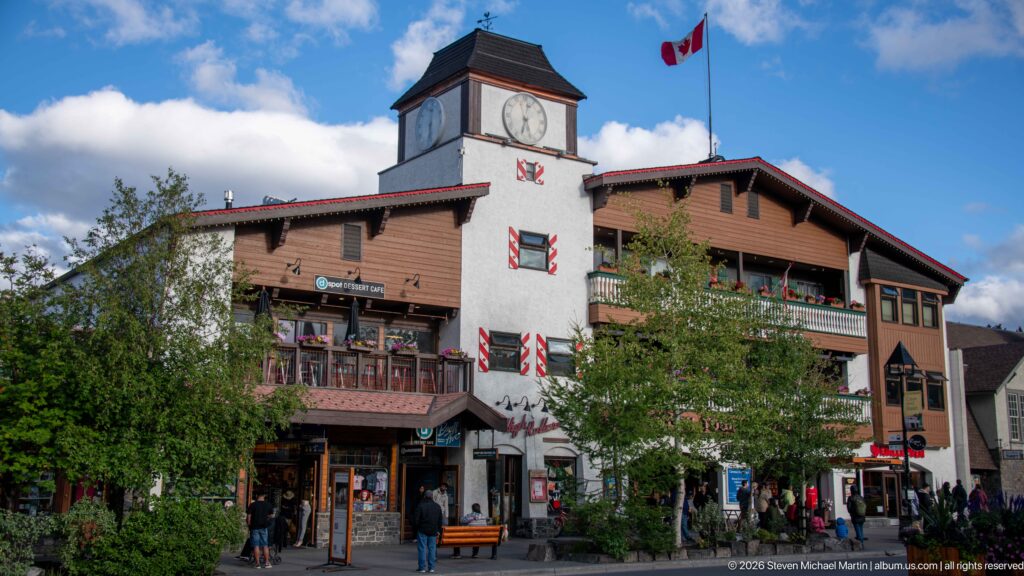
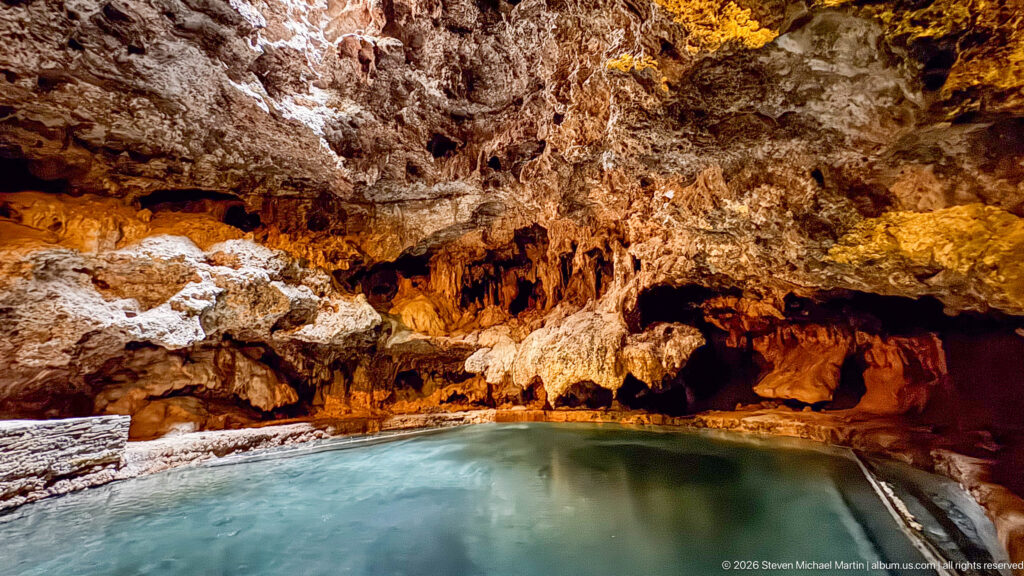
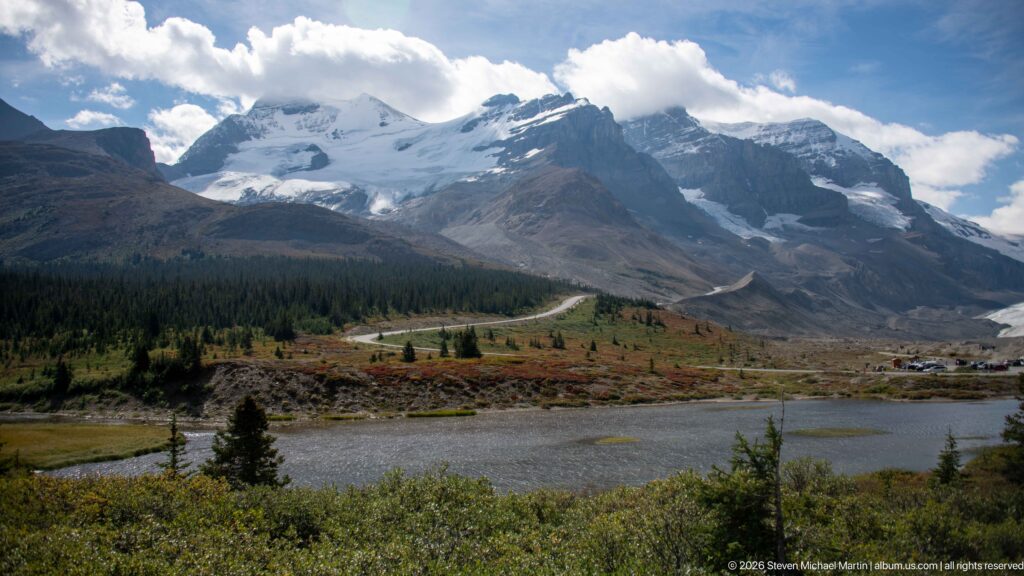
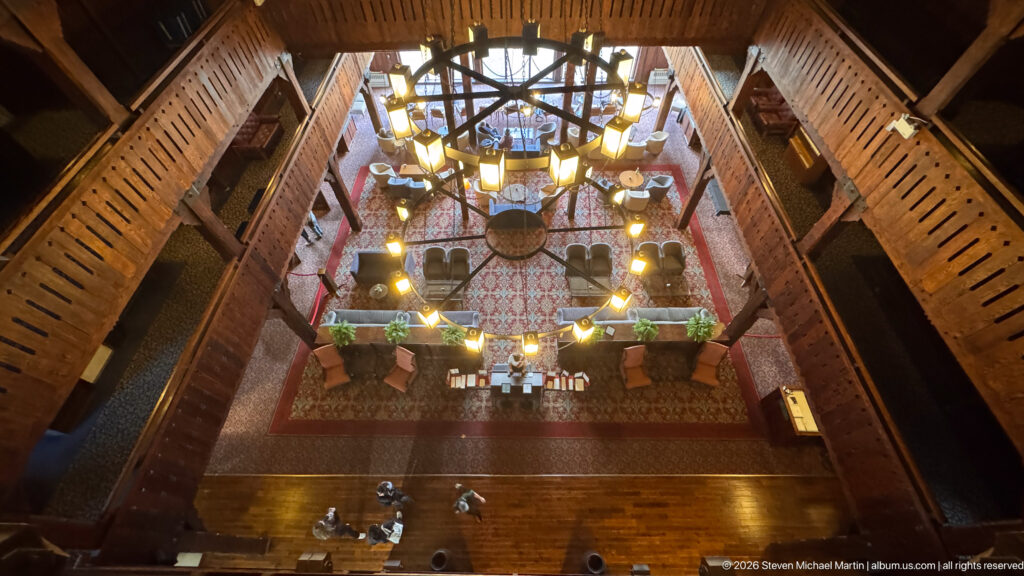
From Jasper, the journey turned south along the Icefields Parkway, crossing the heart of the Canadian Rockies through the Columbia Icefield and Wilcox Pass and continuing past Sunwapta Falls, Athabasca Falls, Mistaya Canyon, Bow Lake, and Peyto Lake. The route then entered Banff National Park, with Lake Louise, Moraine Lake, Johnston Canyon, Lake Minnewanka, Banff townsite, Cave and Basin, Banff Park Museum, and the Banff Springs Hotel explored from the Banff area.
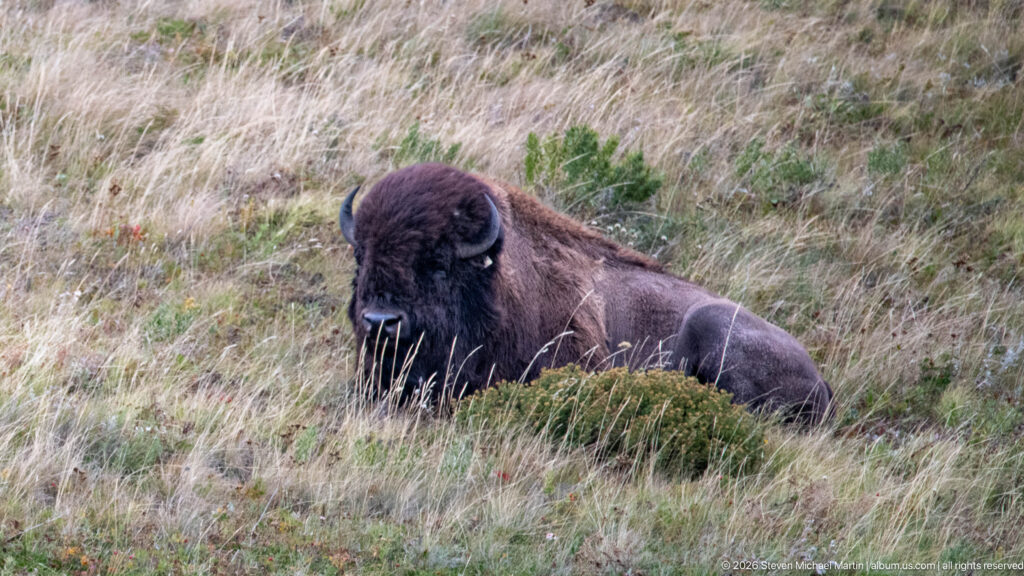
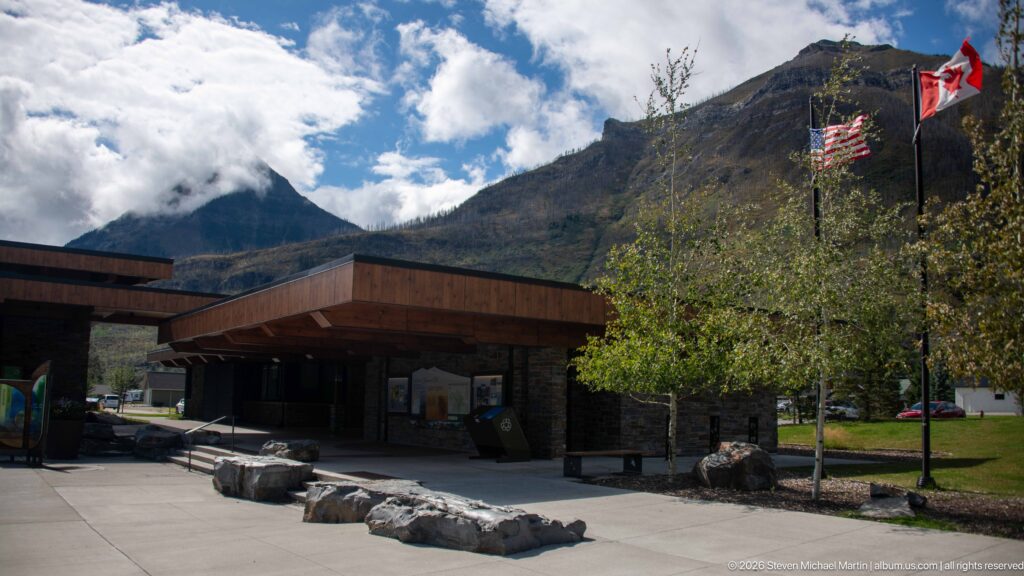
Leaving Banff, the route continued south through Alberta toward Waterton Lakes National Park, exploring the park, its bison range, visitor center, Upper Waterton Lake, and the Prince of Wales Hotel. From Waterton, the journey crossed into Montana and entered Glacier National Park, following the Going-to-the-Sun Road through the park before exploring Lake McDonald and Many Glacier.
The final leg moved away from the national parks and into the historic mining country of western Montana. From Glacier, the route continued through the mountain valleys toward Garnet Ghost Town, Philipsburg, and Butte, connecting the abandoned mining settlements, preserved nineteenth-century streetscapes, and industrial landscapes of Montana with the mountain geography that had shaped the entire journey.
Route: Calgary → Rocky Mountain House → Jasper National Park → Icefields Parkway → Banff National Park → Waterton Lakes National Park → Glacier National Park → Garnet → Philipsburg → Butte