Belize Barrier Reef Reserve System
Belize Barrier Reef The Belize Barrier Reef is one of the largest coral reef systems in the world, extending along […]
Explore Portfolio
UNESCO Ocean World Heritage Sites preserve marine environments recognized for their exceptional ecological importance, geological formation, and biodiversity. These protected areas include coral reef systems, island archipelagos, coastal ecosystems, and open-ocean habitats that illustrate the dynamic interaction between climate, ocean currents, and biological adaptation. Marine environments play a fundamental role in regulating global climate systems while supporting diverse ecosystems that extend from coastal shallows to deep-water environments.
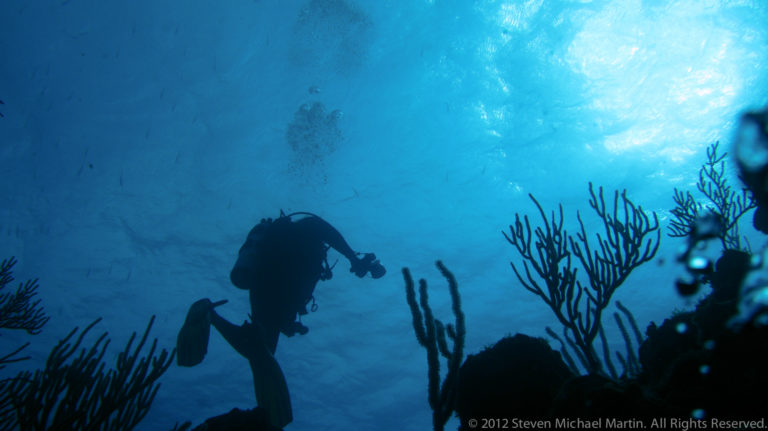
Coral reef systems and tropical marine environments illustrate complex biological relationships shaped by temperature, water chemistry, and ocean circulation. Coastal formations influenced by tides, wave action, and sediment movement demonstrate the ongoing geological processes that shape shorelines and island systems. These environments often provide habitat for migratory species including marine mammals, seabirds, fish, and invertebrates that depend upon relatively stable ocean conditions for survival.
UNESCO Ocean sites also illustrate the vulnerability of marine ecosystems to environmental change, including warming ocean temperatures, coral bleaching, and shifting coastal conditions. Preservation of these environments supports scientific study of marine biodiversity, climate systems, and ecological resilience. Together, oceanic World Heritage Sites provide insight into the interconnected systems that link global waters, coastal landscapes, and atmospheric processes across the planet.