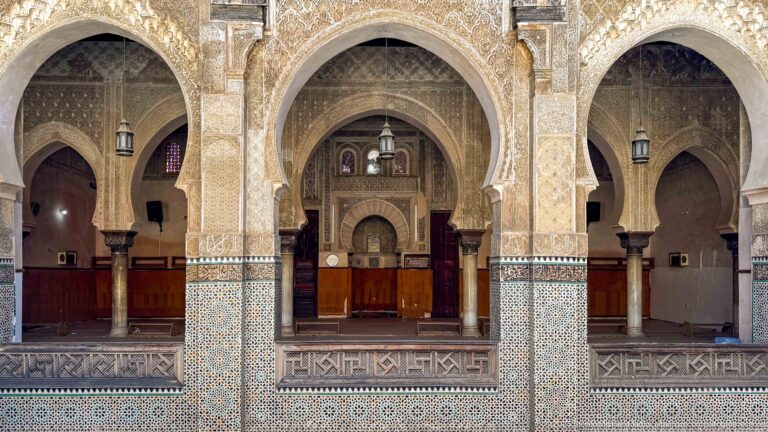
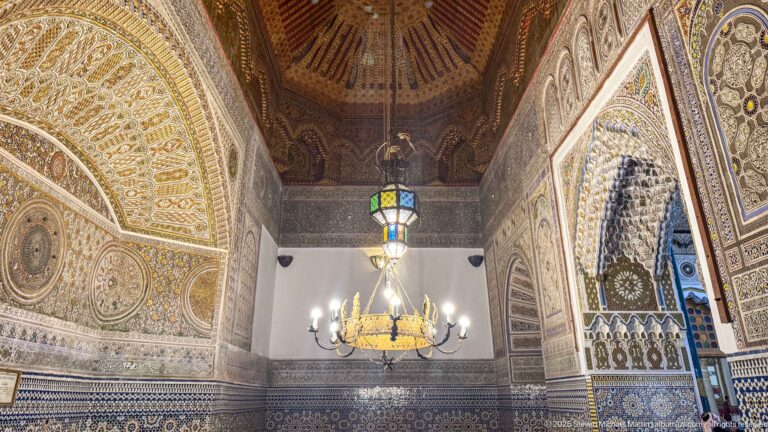
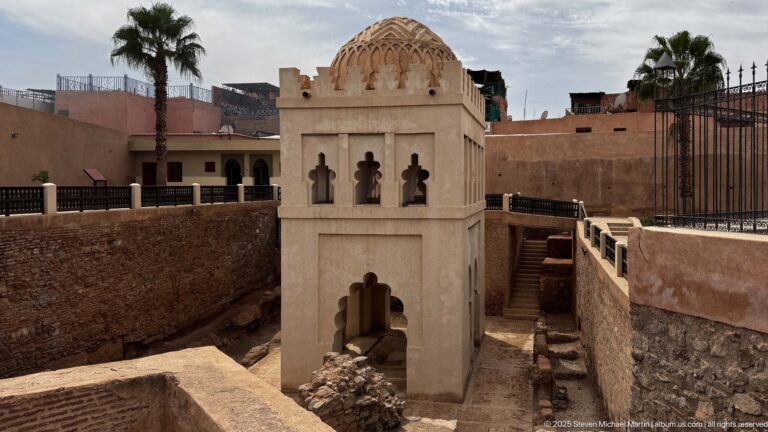
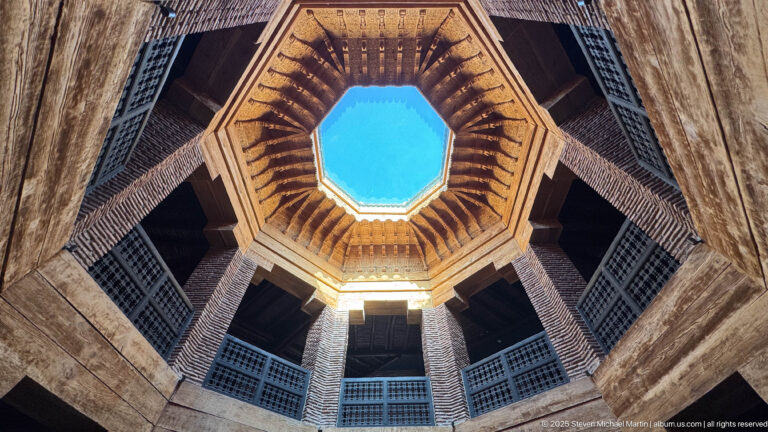
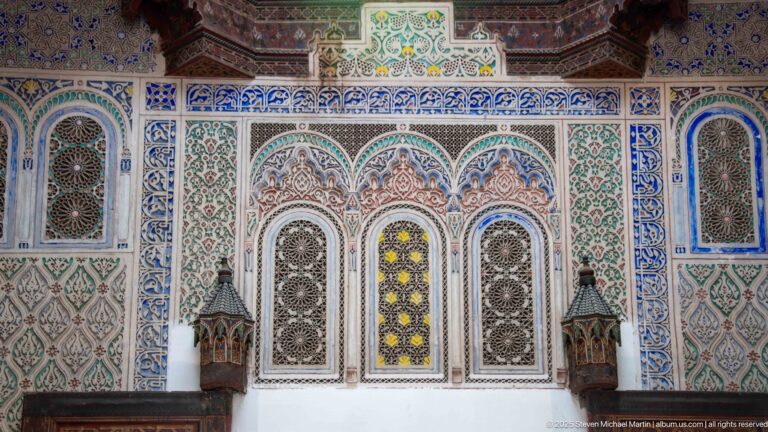
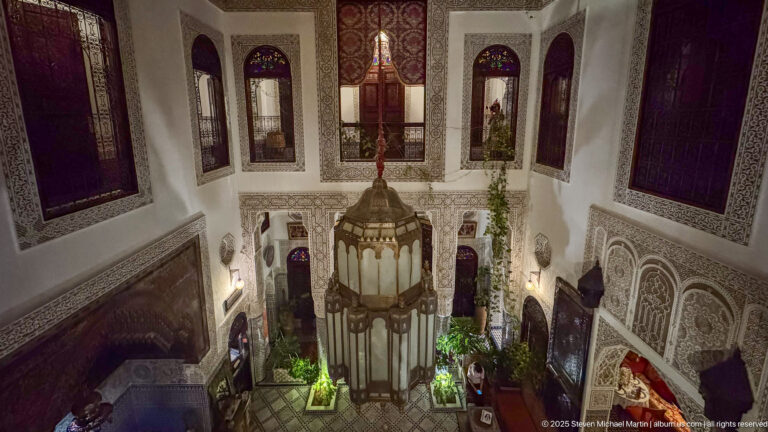
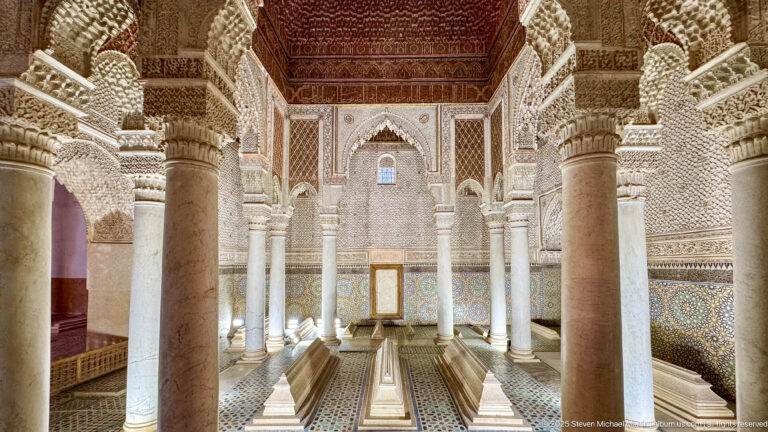
Morocco preserves a cultural landscape shaped by centuries of exchange among Berber, Arab, and Mediterranean civilizations, resulting in one of the most distinctive architectural traditions in North Africa. Historic trade routes linking the Sahara with coastal ports contributed to the development of imperial cities where religious scholarship, artistic craftsmanship, and urban planning flourished. The preserved medinas of Morocco demonstrate the continuity of architectural forms characterized by geometric ornamentation, interior courtyards, and narrow streets designed to respond to climate and patterns of daily life.
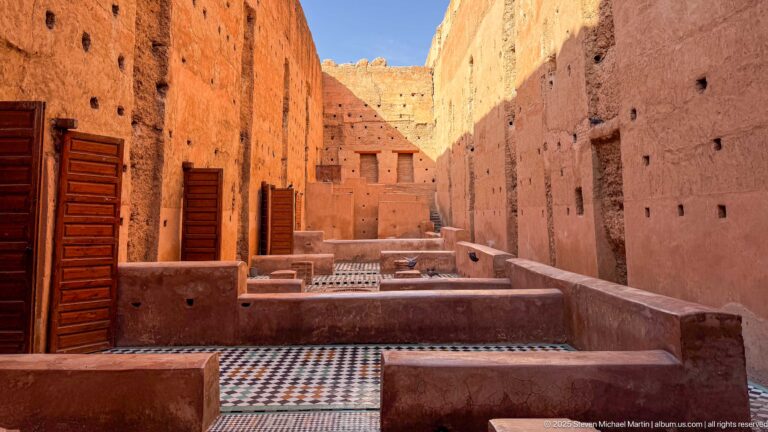
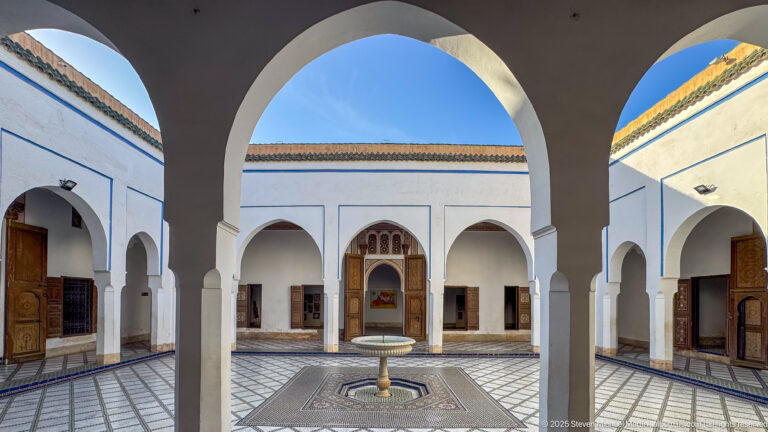
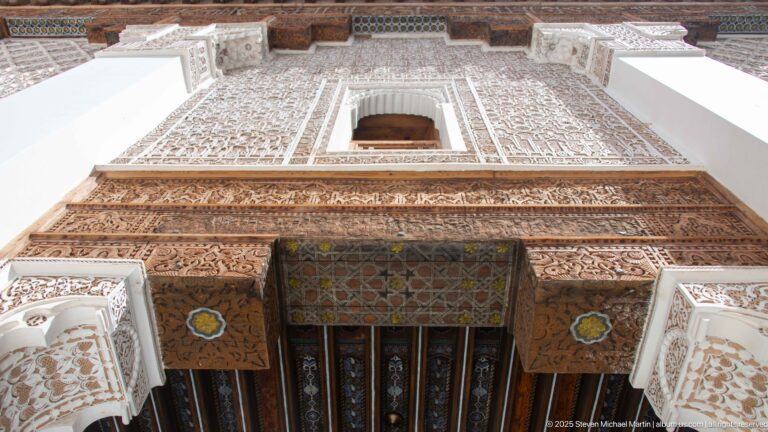
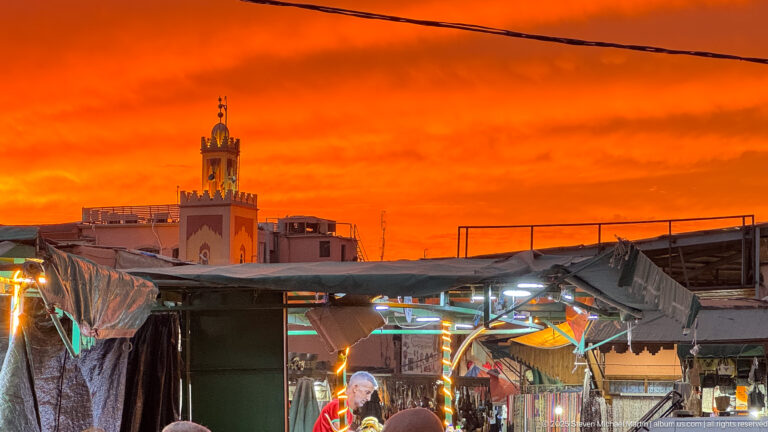
The city of Marrakech illustrates the richness of Moroccan architectural tradition through sites such as the Bahia Palace, the historic gathering place of Djemaa el-Fna, and educational institutions including the Ben Youssef Madrassa. Additional sites including the Saadian Tombs, the El Badi Palace, and the decorative traditions preserved in the Musée des Arts de la Parure reflect the artistic refinement associated with Morocco’s imperial history.
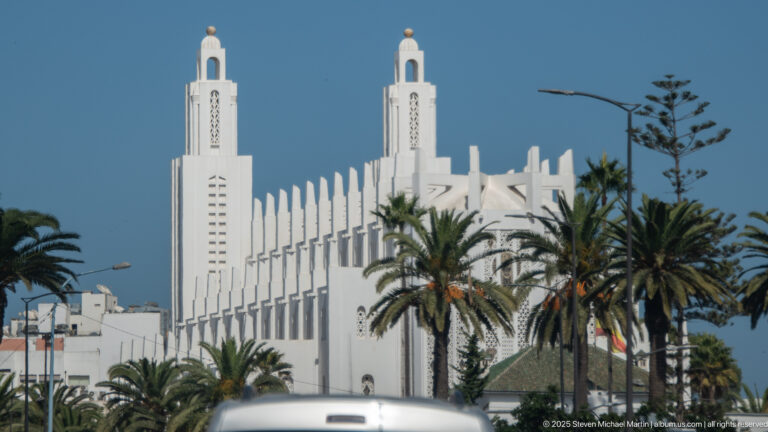
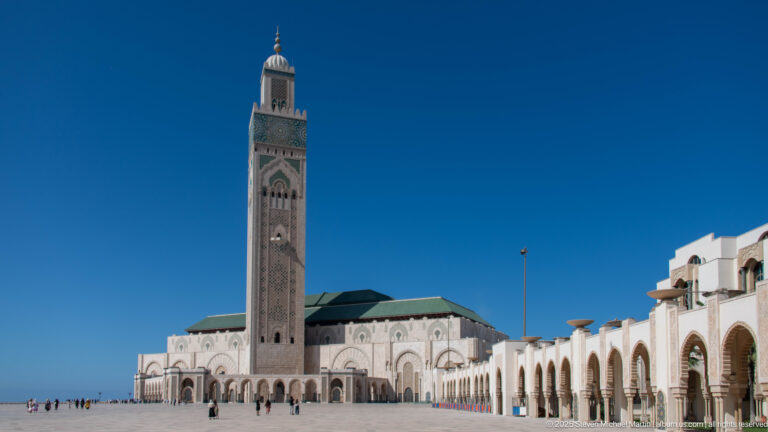
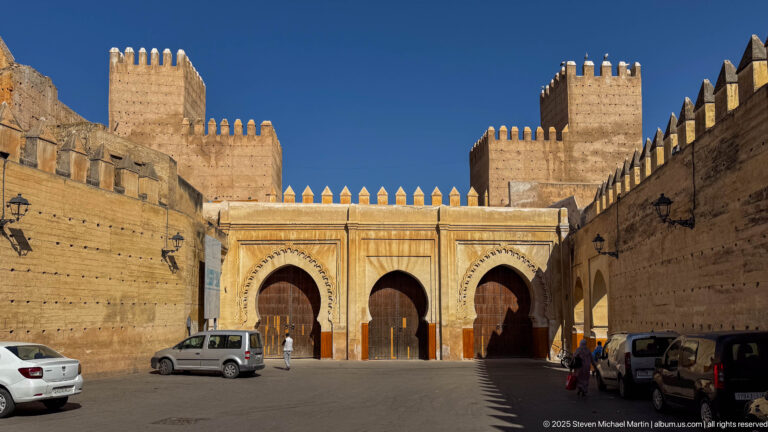
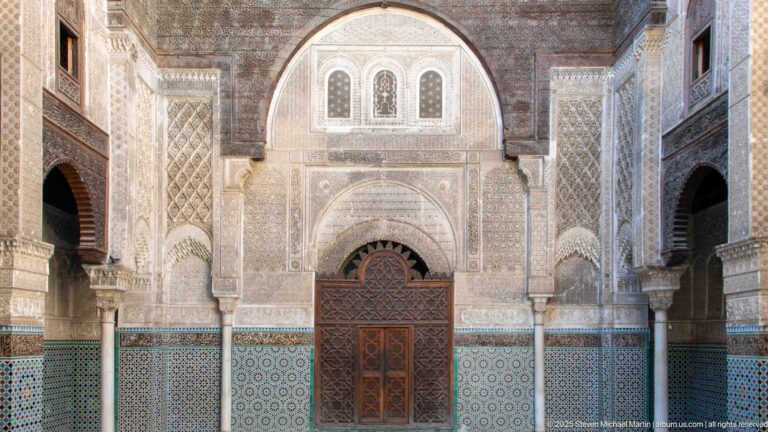
The historic city of Fes preserves one of the most extensive medieval medinas in the world, represented through sites such as the Fes Medina, the Madrasa Attarine, and the Museum of Islamic Arts. Nearby imperial centers including Meknes and the coastal city of Casablanca, home to the monumental Hassan II Mosque, demonstrate the geographic diversity of Morocco’s architectural traditions. Together, these sites illustrate how craftsmanship, religion, and urban form contributed to one of the most visually distinctive cultural landscapes in the Islamic world.